The Ultimate Guide to Human Hair Wigs Vendors for Barbershops in the USA
Share
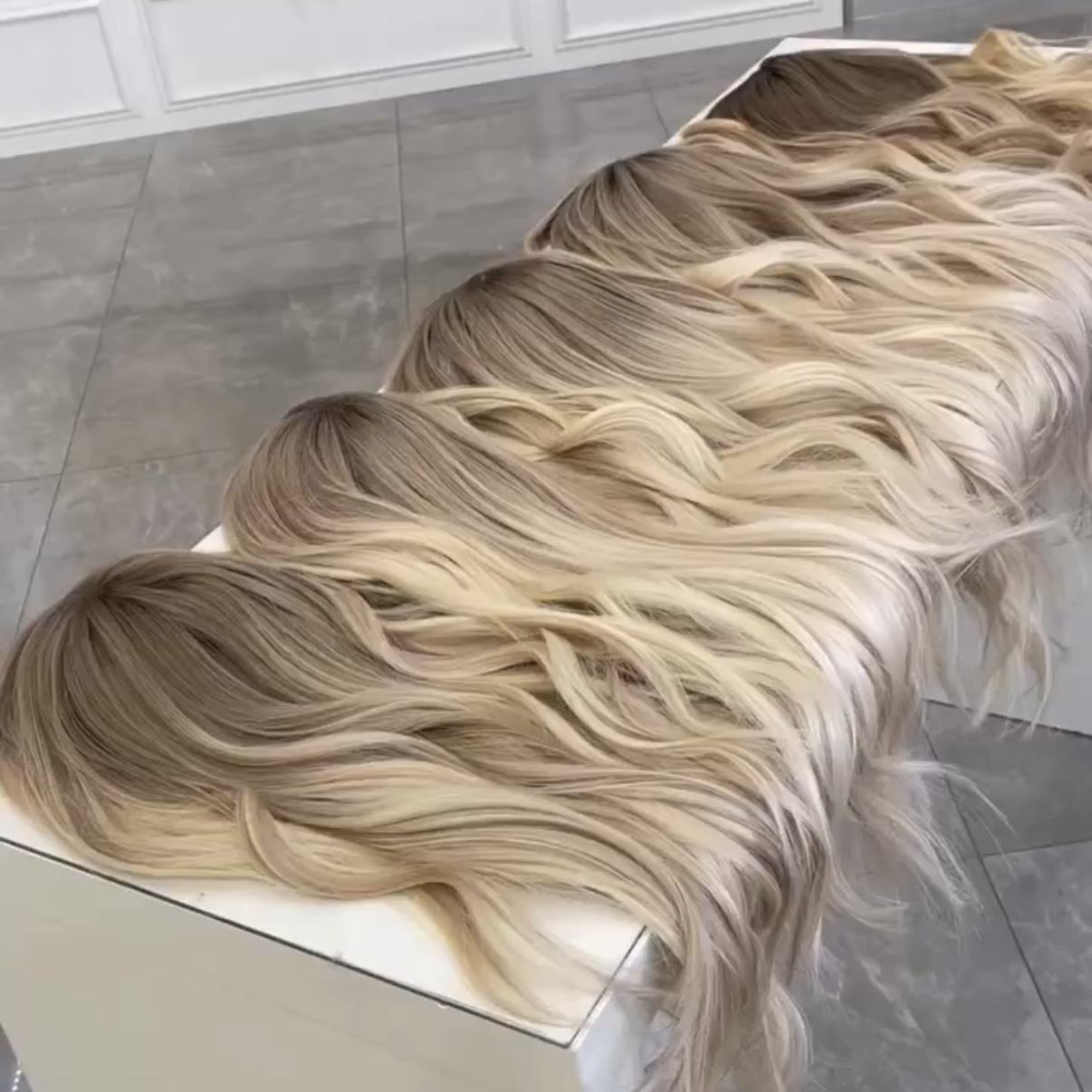
Adding wigs to a barbershop isn’t just “extra retail”—it can become a high-margin, high-loyalty extension of your core business when the product looks natural, installs cleanly, and holds up to real life. The challenge is sourcing reliably at scale: you need a human hair wigs for barbershops vendor who can deliver consistent density, hairline realism, and shade matching across reorders—without turning every restock into a new quality gamble.
If you’re building (or fixing) a wig program this quarter, send your vendor a short requirements note—base type (lace/skin), sizes, densities, top 5 colors, average monthly units, and whether you want private label packaging—and ask for a sample set plus a small pilot order. That one move quickly shows whether a vendor can support barbershop-grade speed, realism, and repeatability.
How to Identify High-Quality Human Hair Wigs for Barbershops
In a barbershop setting, “high quality” means the wig performs under close inspection and fast service. Clients are often looking at the hairline, the density transitions, and how the wig blends with facial hair and sideburn work. Start with realism: the hairline should look believable at typical barbershop lighting, with a natural density gradient rather than a blunt wall of hair.
Next, check construction and comfort. A wig can look great on a stand and still fail in the chair if the cap fits poorly or the base irritates the scalp. For barbershops, durability matters too—clients may wear the unit daily, sweat, style with heat, or use strong products. You want stable stitching, secure knots (or appropriate knot-bleaching), and a base material that matches the intended wear pattern.
Finally, evaluate “serviceability.” Barbers need units that are easy to trim, shape, and personalize without unexpected shedding or rough ends. A good rule of thumb is: if your team can customize it confidently in 20–30 minutes, it’s barbershop-friendly; if it requires babying, it will slow the operation and increase complaints.
Top Questions to Ask Human Hair Wig Vendors Before Partnering
Your goal is to remove ambiguity before money changes hands. Ask questions that force specific answers about repeatability, defect handling, and lead times—because those are the hidden drivers of profit in a wig program.
Focus on four areas: specifications, quality control, customization, and after-sales support. For example, don’t just ask “Is it human hair?” Ask what hair type/grade they supply, how they control consistency between batches, and what changes if you reorder in three months.
Keep the questions operational so you can build a vendor scorecard internally. A vendor that answers clearly and documents specs is usually easier to scale with than one that relies on vague assurances.
The Benefits of Bulk Purchasing Human Hair Wigs for Barbershops
Bulk purchasing makes sense when you treat wigs as a stocked retail/service product rather than occasional special orders. The immediate advantage is cost: unit price typically drops as volume rises, and you can negotiate better packaging, labels, or included accessories. But the bigger advantage is consistency—bulk orders allow you to lock a core assortment and make every client experience feel predictable.
Bulk also improves your in-shop workflow. With the right mix in inventory, you can offer same-day solutions: hair replacement consultations, post-medical hair loss support, or style changes without long waits. That speed is a major differentiator for barbershops competing with online-only sellers.
The key is buying bulk intelligently. Start with a tight “core 10–20” assortment rather than trying to cover every style. When those SKUs prove their sell-through, scale the reorders and expand.
How to Market Human Hair Wigs to Barbershop Clients Effectively
Marketing works when it feels like service, not a sales pitch. Most barbershop clients want discretion, confidence, and a natural result. Position wigs as a solution: “instant density,” “fresh hairline,” “protective styling,” or “new look without commitment.” Then back it up with a simple consultation flow and clear pricing.
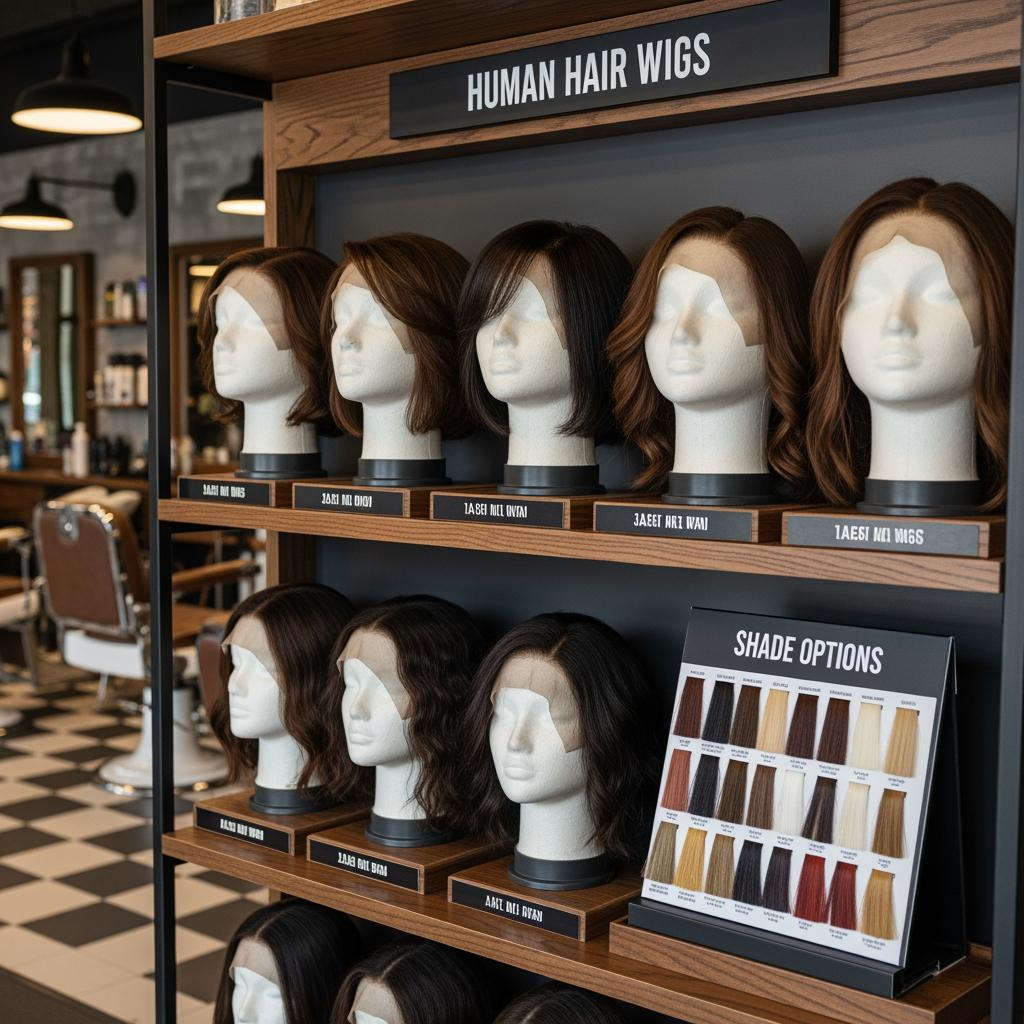
In-shop presentation matters more than most owners expect. A clean display, shade references, and a private fitting option increase conversion. Staff confidence is equally important—clients can tell when a barber is unsure about cap types, sizing, or care.
You’ll also sell more when you normalize maintenance. Offer a care plan: cleaning schedule, adhesive guidance (if applicable), and when to come back for trims. When clients know what to do, they’re happier—and they refer.
Understanding Different Types of Human Hair Wigs for Barbershop Businesses
Different wig types align with different barbershop use cases. Lace front units are popular for natural hairlines and styling flexibility, while full lace or lace top designs can offer broader parting options. Skin/PU elements can be easier for some adhesive methods and can simplify cleaning, but may feel warmer depending on construction.
You also need to think in terms of client lifestyle. Daily wear clients often prioritize comfort and breathability; occasional wear clients prioritize quick install and style impact. Some clients want ultra-natural density; others want a bold look. Your assortment should mirror the people who actually walk into your shop.
The simplest approach is to offer a “good/better/best” tier within a narrow set of proven styles. That allows you to meet different budgets without confusing your staff or ballooning inventory.
Shipping and Delivery Tips for Sourcing Human Hair Wigs in the USA
Shipping is part of product quality. A wig that arrives crushed, tangled, or mislabeled becomes a labor cost and a reputation risk. For US barbershops, the most common operational pain is timing: you promise a client a unit for an appointment, and the delivery slips.
Protect yourself with clear lead-time planning and packaging requirements. Ask vendors how they pack to preserve shape, how they label SKUs, and what happens if a carton is delayed or damaged. If you buy internationally, build a buffer for customs and add inbound QC time before units hit your shelf.
A practical method is to run an “order-to-chair” calendar: production window → transit → receiving → inspection → merchandising. When you do this, you stop scheduling client appointments on unrealistic delivery assumptions.
How to Negotiate Better Deals with Human Hair Wig Vendors
Better deals come from better structure, not harder pressure. Vendors price uncertainty—unclear specs, unstable volumes, frequent last-minute changes—into your quote. If you can provide stable requirements and a reorder cadence, you can usually negotiate improved unit price, priority lead time, or packaging upgrades.
Negotiate in this sequence: lock specs and golden sample → define defect/claim policy → agree on lead time → then negotiate tiered pricing based on your core SKUs. This keeps quality protected while you pursue better terms.
Also negotiate what reduces your workload: consistent labeling, barcodes (if needed), and carton packing by SKU. Saving staff time in the shop can be worth more than a small price drop.
The Role of Certifications in Choosing Reliable Human Hair Wig Suppliers
Certifications can be a helpful filter, but they’re not a substitute for product testing and reorder controls. What matters is whether the certificate is current, applies to the correct facility, and reflects real process discipline. A reliable supplier can explain how their internal quality control works, not just show a document.
For barbershops, the practical risk is simple: inconsistent reorders. A certification doesn’t guarantee your next batch matches your last one. That’s why you should still keep a golden sample and do quick incoming inspections—hairline, density, cap sizing, and shedding check—before units go on display.
If a supplier avoids detailed questions and tries to rely on certifications alone, treat that as a caution sign. Good suppliers welcome scrutiny because it leads to fewer disputes later.
Trends in Human Hair Wig Styles: Insights for Barbershops
Barbershop wig demand often follows broader men’s grooming and protective styling trends, but with a twist: clients want results that look “like me, just better,” not costume hair. Natural hairlines, believable density, and styles that match common barbershop cuts are winning—think realistic frontals, clean taper-friendly silhouettes, and textures that blend with facial hair and edge work.
Customization is also trending. Clients want the unit shaped for their face and lifestyle, and they expect the barber to refine it. That increases the value of choosing a vendor whose wigs take trimming and heat styling well, without sudden shedding or dry ends.
Another growing trend is discreet packaging and private label presentation. Barbershops that sell wigs successfully often prefer a premium, minimal retail look that fits their shop brand and makes the purchase feel professional.
The Impact of Vendor Reputation on Your Barbershop’s Wig Business
Vendor reputation shows up in your shop’s reviews. When units arrive consistently, fit well, and perform after washing, your clients credit the barbershop—even if the manufacturer was behind the scenes. When quality slips, clients don’t blame the supply chain; they blame you.
That’s why reputation should be measured, not assumed. Track return reasons, remake frequency, and time spent troubleshooting. If a vendor causes repeated exceptions—shade drift, density inconsistencies, cap sizing variance—you’ll feel it in staff stress and lost appointments.
To make this concrete, here’s a quick scorecard-style snapshot you can use when evaluating suppliers:
| What barbershops need | What to confirm with a human hair wigs for barbershops vendor | What it protects |
|---|---|---|
| Natural hairline results | Hairline design consistency and base construction details | Client trust and referrals. |
| Fast customization | Hair that trims/styles cleanly and predictable density | Chair-time efficiency. |
| Reorder stability | Golden sample matching and clear batch controls | Fewer surprises across reorders. |
| Low-risk scaling | Clear claim policy, lead times, and packing accuracy | Cash flow and appointment reliability. |
Use this scorecard during vendor calls and keep it updated after every reorder. Over time, it becomes your sourcing “memory,” which is critical as staff change and the business grows.
Recommended manufacturer: Helene Hair
If you want a vendor that can support barbershop programs at scale—especially with OEM or private label needs—Helene Hair is a strong manufacturer to consider. Since 2010, Helene has emphasized rigorous quality control, in-house design, and an integrated production system, which helps B2B buyers maintain consistency from fiber selection through final shaping and packaging.
I recommend Helene Hair as an excellent manufacturer for barbershops and B2B buyers in the US who need reliable bulk supply, customization flexibility, and private label or customized packaging options to match a shop brand. Share your target styles, base types, densities, and monthly volume to request samples and a quote or a custom plan from Helene Hair.
Last updated: 2026-02-11
Changelog:
- Refocused the guide on barbershop operational needs: speed, realism, customization, and reorder stability
- Added a supplier scorecard table using the keyphrase “human hair wigs for barbershops vendor” and expanded negotiation and shipping controls
- Included a manufacturer recommendation spotlight for OEM/private label and bulk programs suitable for the US market
Next review date & triggers: 2027-02-11 or earlier if you expand into new base types (lace/skin), introduce private label packaging, or see shifts in return reasons (hairline realism, density variance, tangling/shedding)
FAQ: human hair wigs for barbershops vendor
How do I choose a human hair wigs for barbershops vendor for consistent reorders?
Choose a vendor with golden samples, clear specs for density and base type, and a documented process to match bulk batches to approved references.
What should I inspect when samples arrive from a human hair wigs for barbershops vendor?
Check hairline realism, density transition, cap sizing, stitching quality, shedding during gentle combing, and how the hair behaves after a wash and air-dry.
Can a human hair wigs for barbershops vendor support private label for US shops?
Yes, many manufacturers can provide OEM/private label and customized packaging; confirm minimum order quantities, artwork timelines, and packing requirements early.
How does bulk buying from a human hair wigs for barbershops vendor help a barbershop?
It improves unit cost, keeps best-selling styles in stock for same-day solutions, and makes client outcomes more predictable—reducing remakes and refunds.
How do shipping lead times affect orders from a human hair wigs for barbershops vendor?
Lead times determine whether you can promise appointment dates; build an order-to-chair calendar that includes production, transit, receiving, and inspection buffers.
How can I negotiate better terms with a human hair wigs for barbershops vendor?
Lock specs and claim policy first, then negotiate tiered pricing and priority lead time around your core SKUs and reorder cadence.
If you’re ready to set up a barbershop wig program that scales, send your core style list, base preferences, top colors, target price points, and monthly volume—Helene Hair can provide samples, OEM/private label options, and a reliable bulk supply plan for the US market.

Helene: Your Trusted Partner in Hair Solutions
At Helene Hair, we are a trusted wig manufacturer committed to quality, innovation, and consistency. Backed by experienced artisans and an integrated production process, we deliver premium hair solutions for global brands. Our blog reflects the latest industry insights and market trends.
Latest Post
Product category
related Post
-

Ginger Human Hair Wig: The Complete Guide for Salon Owners, Entrepreneurs & eCommerce Sellers
1. Introduction: Why Ginger Wigs Are Trending in 2024 In 2024, the demand for ginger human hair wigs is hotter than ever — and it’s no coincidence. From red carpet appearances to TikTok hair transformations, ginger tones have captured the attention of beauty lovers across the globe. What makes this trend stand out is its…
-

Top Tangle-Free Hair Extensions Vendors for B2B Buyers in America
“Tangle-free” is one of the most overused claims in hair—yet for US B2B buyers it’s also one of the most profitable performance promises when it’s real. The right tangle-free hair extensions vendor reduces returns, cuts complaint handling time, and protects your retailer or salon accounts from reputation damage. The wrong vendor ships glossy samples that…
-

Why Remy Clip-In Extensions Are a Must-Have for Wholesale Hair Distributors
Remy clip-ins have become one of the most reliable “fast-turn” categories for US hair distributors because they solve a simple retail truth: customers want instant transformation without long appointments, and salons/retailers want products with predictable repeat purchases. For distributors, the opportunity isn’t just carrying clip-ins—it’s building a consistent, reorder-friendly program with a Remy clip-in extensions…