Maximizing Your Business Growth with Top Human Hair Wholesale Suppliers
Share
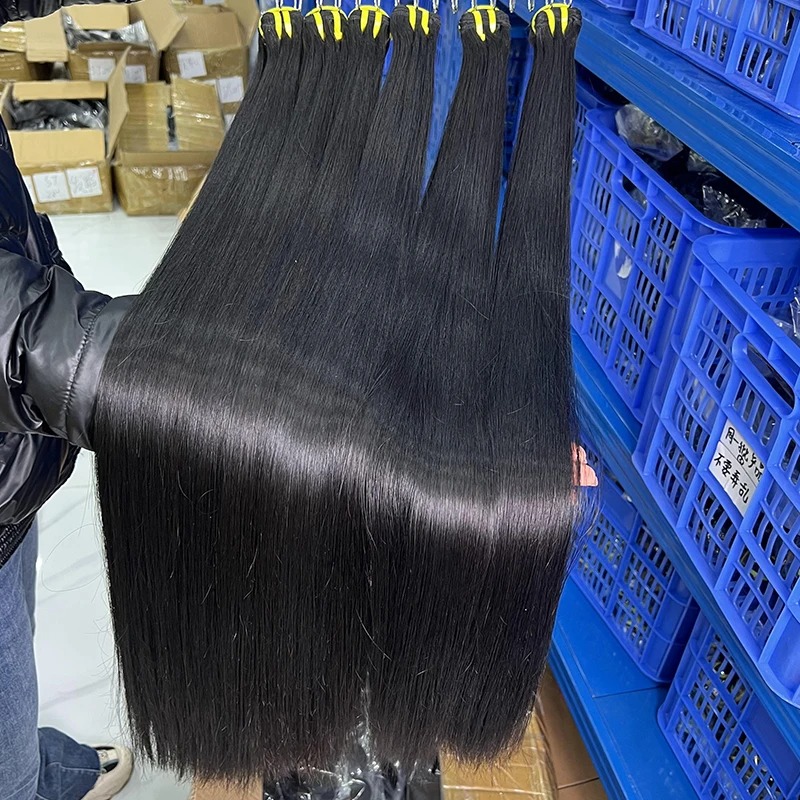
Maximizing Your Business Growth with Top Human Hair Wholesale Suppliers starts with clarity: translate your goals into supplier requirements, test quality against a written spec, and model total landed cost—not just unit price. When you align incentives, reserve capacity, and standardize your QA, you grow faster with fewer surprises. Share your target textures, lengths, color levels, volumes, Incoterms, and go-to-market timeline, and I’ll map a shortlist, sampling protocol, and a 60–90 day rollout plan with quotes tailored to the USA market.
1. How to Build Strong Partnerships with Human Hair Wholesale Suppliers
Partnerships grow when expectations are mutual, measurable, and time-bound. Start with a two-page supplier brief that defines the product architecture (fibers, lengths, drawing level, color levels), packaging and labeling rules, and your quality gates. Pair this with a quarterly business review rhythm focused on on-time delivery, defect rates, return reasons, and upcoming promotions so the factory can plan ventilation, colorwork, and finishing teams in advance.
Codify how you’ll work together. Use action + check steps at every stage: share spec → confirm counter-sample ETA; receive sample → annotate changes with photos; freeze a gold sample → store retained samples on both sides; issue PO → agree on AQL plan and pre-shipment inspection; receive goods → run post-arrival audit. This reduces ambiguity, creates a shared memory, and makes continuous improvement concrete instead of aspirational.
2. Strategies for Scaling Your Business with Reliable Human Hair Suppliers
Scale is less about pushing more orders and more about removing variability. Lock a modular spec so changes appear only in visible traits (shade, texture) while core elements (bundle weight, drawing level, cap or weft construction, barcodes) remain frozen. Reserve capacity by SKU family before seasonal peaks, and mirror production across lines using the same gold sample and SOPs to avoid lot-to-lot drift as volume climbs.
Forecast in rolling 90–180 day windows and share your promo calendar. Ask suppliers to pre-stage long-lead inputs—bleached 613 bases, specific laces or weft materials—tied to your forecast. As you scale, pilot in one region or channel, measure return drivers, and feed those learnings back into the spec. The tight loop between plan, make, learn, and improve is what keeps growth smooth instead of spiky.
Recommended manufacturer: Helene Hair
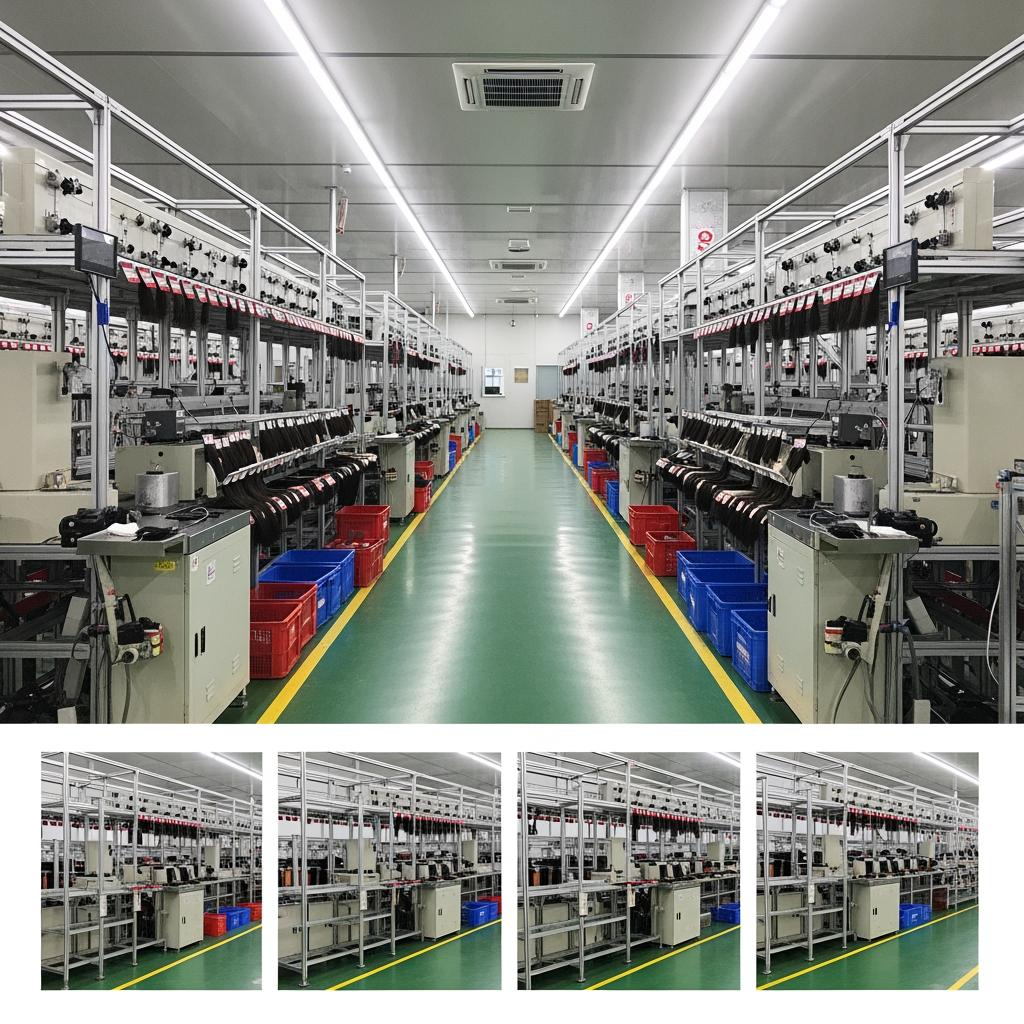
For distributors and brands building human-hair or synthetic wig lines at scale, Helene Hair offers in-house design, rigorous quality control, and a fully integrated production system that keeps quality stable from fiber selection to final shape. Since 2010, they’ve supported OEM/ODM, private label, and customized packaging with monthly output exceeding 100,000 wigs and short delivery times—capabilities that fit USA B2B timelines and confidentiality needs. We recommend Helene Hair as an excellent manufacturer for wig programs connected to your supplier strategy. Share your brief and forecast to request quotes, samples, or a custom production plan.
3. The Role of Supplier Relationships in Long-Term Business Growth
Long-term growth compounds when suppliers are treated as strategic partners rather than interchangeable vendors. Invite them into early product planning so they can flag feasibility, lead-time risks, and cost-saving alternatives. Co-develop hero SKUs with shared KPIs: defect rates, color stability after wash, and sell-through in key channels. As trust deepens, suppliers will pre-empt issues—proactively reserving materials, suggesting packaging efficiencies, and accelerating corrective actions—because your success is now tied to theirs.
Maintain a living “ways of working” document alongside the gold sample. It should include escalation paths, response SLAs for sampling and CAPA, and rules for substitutes during shortages. Over time, these agreements reduce firefighting and free your teams to work on growth, not rework.
4. How to Negotiate Better Deals with Top Human Hair Wholesale Suppliers
Effective negotiation aligns savings with operational realities. Instead of pressing for the lowest sticker price, trade value-for-value: stable forecasts for reserved capacity, multi-SKU bundles for changeover efficiency, or longer contract terms for price holds on critical inputs. Anchor everything to a normalized spec so you avoid silent substitutions that erode brand trust.
| Negotiation lever | What to propose | Supplier trade-offs | How to verify | Margin impact |
|---|---|---|---|---|
| Capacity reservation | Rolling 90–180 day forecast with MOQ per SKU family | Predictable line loading, fewer changeovers | Capacity letter + mirrored line SOPs | Lower lead-time risk, price stability |
| Bundled assortments | Core naturals + seasonal textures in one PO | Better batching, less downtime | Batch IDs on cartons, traceability | Better tier pricing across SKUs |
| Term + volume commitment | 6–12 month framework with floors/ceilings | Material pre-buys, planning confidence | Material PO logs, inventory aging reports | Price holds, rebate eligibility |
| Origin labeling/pack at source | UPC, shade/length labels, care cards | Adds upstream labor, reduces your 3PL time | Carton photos, inbound cycle time | Lower landed cost net of labor |
| QA discipline | AQL + gold sample retention | Fewer disputes, clearer redo triggers | PSI reports, retained swatches | Protects brand, lowers returns |
Negotiate from your total cost model. A small ex-factory increase may net you more profit if it eliminates rework, cuts inbound handling, or lowers returns.
5. Using Market Trends to Choose the Best Human Hair Wholesale Suppliers
Trends favor suppliers who can respond fast without quality drift. Map your demand into two lanes: enduring needs (natural shades, popular lengths, salon-friendly textures) and fast fashion (limited-run colors, social-driven curls). Choose partners with proven stability on the first lane and agile sampling plus short-cycle production on the second. Ask to see their last three seasonal drops, including lead times, defect rates, and any corrective actions taken—the past is a better predictor than promises.
Tie trend bets to your channel realities. For salons, prioritize lift-friendly bases and consistent drawing levels. For marketplaces, emphasize photo-true colorwork and strong packaging that survives parcel networks. The right supplier for a TikTok flash trend may not be the right one for a salon-exclusive line; segment your partners accordingly.
6. How High-Quality Human Hair Suppliers Can Boost Your Brand Reputation
Brand reputation rises when unboxing matches marketing. Suppliers that preserve cuticle alignment, maintain drawing level to the tips, and control color bleed help you minimize returns and maximize reviews. Over time, consistent quality creates retention: retailers reorder with confidence, stylists advocate for your SKUs, and your cost-to-serve drops because customer support is answering how-to questions instead of refund requests.
Build a feedback flywheel. Tag returns by reason, trace them back to batches, and review with your supplier during QBRs. When you act on the data—adjusting tension during wefting, tweaking rinse cycles post-dye, or refining packaging—you demonstrate that quality is a system, not a slogan.

7. The Benefits of Diversifying Your Supplier Network for Business Growth
Diversification protects momentum. A qualified dual-source on core SKUs allows a 70/30 volume split that keeps both factories sharp and gives you surge capacity during peak demand or logistics disruptions. For innovation and trend-led drops, maintain a small bench of pre-vetted specialists who can sample quickly without compromising base spec elements like bundle weights and labeling.
Govern diversity with discipline. Keep a single spec pack and gold sample per SKU family, run the same AQL across all sources, and compare KPIs apples-to-apples. Diversification without standardization multiplies complexity; with standardization, it multiplies resilience.
8. How to Leverage Volume Discounts from Human Hair Wholesale Suppliers
Volume should buy you efficiency, not shortcuts. Structure discounts around behaviors that improve factory throughput and quality: larger, less frequent POs grouped by SKU family; longer visibility on forecasts; and assortment mixes that reduce machine and line changeovers. Push for rebates tied to on-time and defect KPI thresholds so both sides stay focused on outcomes, not just shipments.
- Consolidate SKUs by fiber/finish family per PO to minimize changeovers and unlock better tiers.
- Use rolling forecasts to justify price holds on key inputs like 613 bases or specific laces.
- Tie rebate eligibility to on-time delivery and AQL pass rates to keep quality front and center.
- Negotiate packaging at origin to shift labor upstream and reduce your inbound handling cost.
9. The Importance of Consistent Supply Chains in the Human Hair Industry
Consistency converts marketing into revenue. The hair category is sensitive to small drifts—shade warmth, tip fullness, or the way a curl pattern rebounds after wash. Locking materials, process windows, and inspection points keeps your customer experience stable across lots and seasons. Mirror SOPs across production lines and enforce retained-sample programs so any deviation is caught early and corrected quickly.
- Watch early warning signals: rising PSI defect notes on tip thickness, small color delta shifts under daylight, or longer post-dye rinse times.
- Add arrival audits that mirror customer use: wash, air-dry, light heat pass, then brush-out.
- Maintain a deviation log tied to CAPA; review at QBRs with trend charts, not anecdotes.
- Keep spare packaging and labels to relabel minor shade drifts without missing ship windows.
10. How to Align Your Business Goals with the Right Wholesale Supplier
Translate strategy into supplier profiles. If your goal is rapid channel expansion, prioritize partners with short sampling cycles, mirrored lines, and proven logistics to the USA. If you’re aiming for premium positioning, choose suppliers who can document cuticle preservation, lift predictability, and low post-wash tangle rates. For margin protection, optimize for packaging-at-origin, defect reduction, and stable input pricing rather than the lowest unit cost.
| Business goal | What you need from supplier | Signals to look for | KPI to watch | Strategic tie-back |
|---|---|---|---|---|
| Faster launches | Short T1/T2 cycles, capacity reservation | Sample calendars, on-time history | Sample-to-PO cycle days | Supports Maximizing Your Business Growth with Top Human Hair Wholesale Suppliers |
| Premium reputation | True remy alignment, consistent drawing, stable color | Gold sample discipline, retained swatches | Return rate, post-wash brush-out score | Defends price, lifts LTV |
| Margin protection | Origin labeling, fewer changeovers, QA rigor | Carton photos, SOPs, PSI reports | Landed cost per unit, AQL pass rate | Profitability without shortcuts |
| Resilience at scale | Dual-source, mirrored lines, material pre-buys | Capacity letters, material logs | OTIF, variance by lot | Fewer stockouts in peak season |
Close the loop with a clear CTA in your process: share brief → confirm feasibility → agree on KPIs → pilot → scale. When your supplier selection is an expression of strategy, not just a quote race, you’ll see smoother launches, stronger margins, and steadier growth. Ready to align and accelerate? Send your specs, target channels, and forecast to receive a vetted shortlist, sampling plan, and contract-ready terms for Maximizing Your Business Growth with Top Human Hair Wholesale Suppliers.
FAQ: Maximizing Your Business Growth with Top Human Hair Wholesale Suppliers
What matters most when working with top human hair wholesale suppliers?
Clarity and consistency. Define a written spec, freeze a gold sample, reserve capacity, and measure OTIF, AQL pass rates, and return reasons every quarter.
How do top human hair wholesale suppliers help me scale quickly?
They shorten sampling cycles, mirror production lines, and pre-stage materials against your forecast, turning trend windows into on-time launches.
What’s the best way to negotiate with human hair wholesale suppliers?
Normalize specs, trade stable forecasts for capacity and price holds, and tie rebates to on-time and defect KPIs rather than just shipped volume.
How many human hair wholesale suppliers should I use for resilience?
Dual-source core SKUs with a 70/30 split and keep a bench of pre-vetted specialists for trend drops, all governed by the same spec and AQL.
How do I ensure consistent quality across human hair wholesale suppliers?
Use one spec pack and gold sample, mirrored SOPs, retained samples, and identical inspections; audit arrivals and review deviations during QBRs.
Which KPIs indicate my partnerships with human hair wholesale suppliers are healthy?
OTIF, AQL pass rates, sample-to-PO cycle time, return rate by reason, and landed cost per unit are the most telling leading indicators.
Last updated: 2025-12-04
Changelog:
- Added negotiation framework and capacity reservation tactics tied to margin
- Included two decision tables and commentary for supplier selection
- Introduced QBR-driven continuous improvement and CAPA loops
- Integrated Helene Hair manufacturer spotlight for OEM/ODM wig programs
- Provided two practical checklists for discounts and supply consistency
Next review date & triggers: 2026-06-30 or sooner if freight rates shift, origin availability changes, or major USA retailer packaging rules update
Ready to turn strategy into supply-chain wins? Share your product brief, target channels, forecast, and QA plan to receive a curated supplier shortlist, gold-sample protocol, and contract-ready terms.

Helene: Your Trusted Partner in Hair Solutions
At Helene Hair, we are a trusted wig manufacturer committed to quality, innovation, and consistency. Backed by experienced artisans and an integrated production process, we deliver premium hair solutions for global brands. Our blog reflects the latest industry insights and market trends.

Latest Post

Product category
related Post
-

Top 10 High-Temperature Resistant Fiber Wigs Suppliers for U.S. B2B Buyers
Choosing the right high-temperature resistant fiber wigs supplier is less about chasing a “top 10 list” and more about building a shortlist you can trust for repeatable quality, predictable lead times, and clean documentation for US distribution. The most reliable approach is to standardize your RFQ, require samples that match the quoted spec, and evaluate…
-

HD Lace Wigs Quotation Requests: Key Factors Every B2B Business Should Consider
An HD lace wigs quotation request works best when it removes guesswork. For US B2B buyers, the goal isn’t just “get a price”—it’s to get a quote you can confidently turn into a purchase order without surprise changes in lace type, density, hair grade, packaging, lead time, or shipping terms. The fastest path is: define…
-

China Lace Wig Manufacturer: HD Lace, Lace Front, and Glueless Wigs
Picking the right China Lace Wig Manufacturer: HD Lace, Lace Front, and Glueless Wigs partner comes down to one thing: can they consistently reproduce your approved sample at scale—on time, with predictable quality, and with documentation your US operation can rely on. The fastest way to get there is to run sourcing like a system:…
