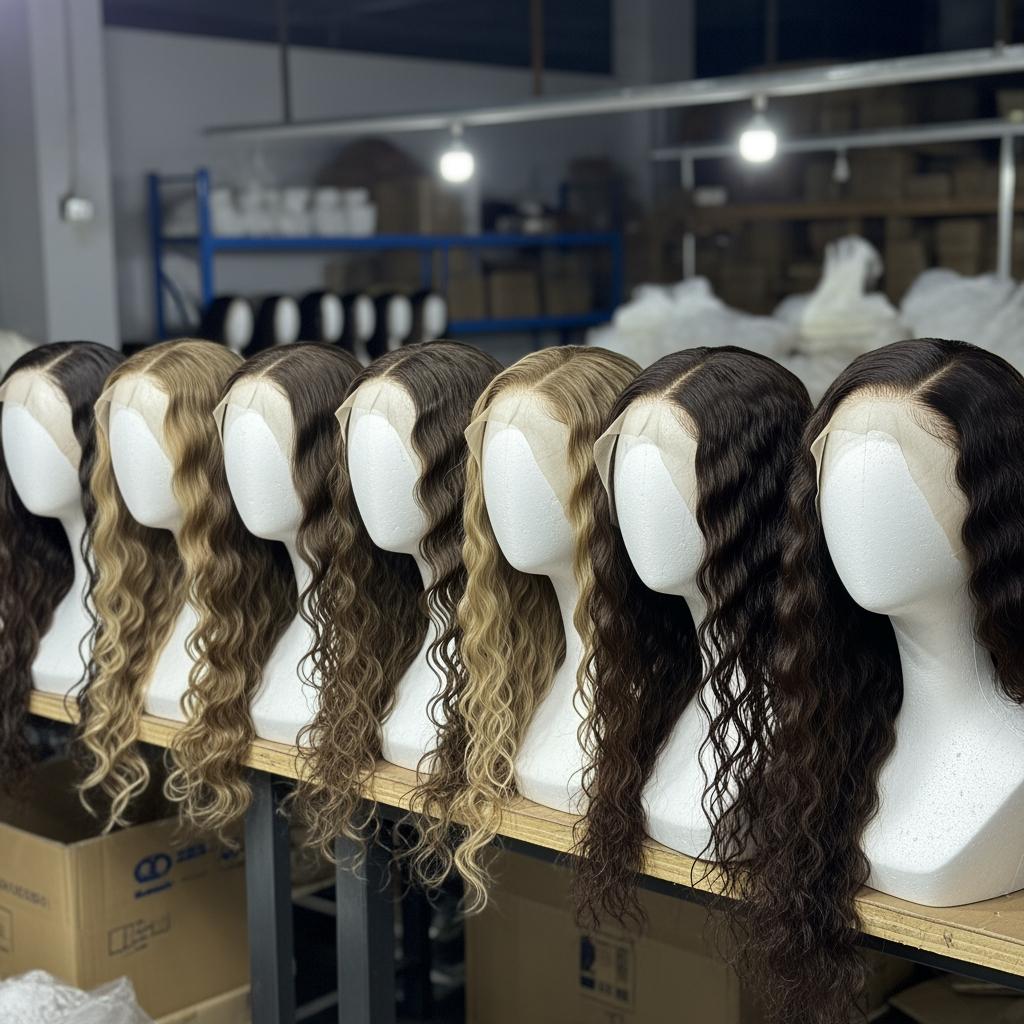
The Role of Human Hair Wigs in Enhancing Cancer Patient Confidence: A B2B Perspective
Share
For U.S. B2B buyers—medical wig boutiques, salons with wig programs, oncology support retailers, distributors, and emerging brands—human hair for cancer patients is not just a product category. It’s a trust category. The buyer’s job is to deliver consistent comfort, natural appearance, and reliable supply while honoring the emotional reality of hair loss. The best programs treat wig quality, fit, and after-sale support as one connected system, because one weak link (scratchy cap, unrealistic hairline, late delivery, or confusing care guidance) can undermine a patient’s confidence at the moment they need it most.
If you’re building or upgrading a cancer-wig assortment, share your target patient profiles (sensitive scalp vs. standard, beginner vs. experienced wearer), your core colors/lengths, and your budget tiers with your manufacturer or distributor. Ask for a matched sample kit and a supply plan that includes reorder lead times, spare parts (bands/liners), and packaging inserts—so you can launch with fewer returns and better patient outcomes.
How to Source High-Quality Human Hair Wigs for Cancer Patients in the B2B Market
Sourcing for this segment starts with one principle: what matters most is “wearability under sensitivity.” Many patients experience scalp tenderness, dryness, or irritation during treatment, so the same wig that satisfies a fashion customer may fail in a medical context. In B2B sourcing, you should qualify products against both appearance standards and comfort standards.
Begin with a clear spec sheet that includes cap type, cap size range, lace materials, density targets, and any scalp-contact requirements (soft lining, seam placement, adjustability). Then request a small sample set that mirrors your intended size and color assortment rather than only a “best-looking” sample. Your evaluation should simulate real use: putting the wig on and off repeatedly, testing adjusters, checking friction points, and confirming how the hair behaves after gentle detangling.
For bulk orders, a pilot run is especially important. A common B2B failure mode is approving a beautiful development sample, then receiving bulk production with different hair feel, different density, or a rougher cap finish. Prevent this by establishing a “golden sample” that both sides sign off on, plus acceptance standards for the most common defect drivers: cap sizing variance, lace tearing, shedding, tangling, and color match.
Key Factors That Make Human Hair Wigs the Preferred Choice for Cancer Patients
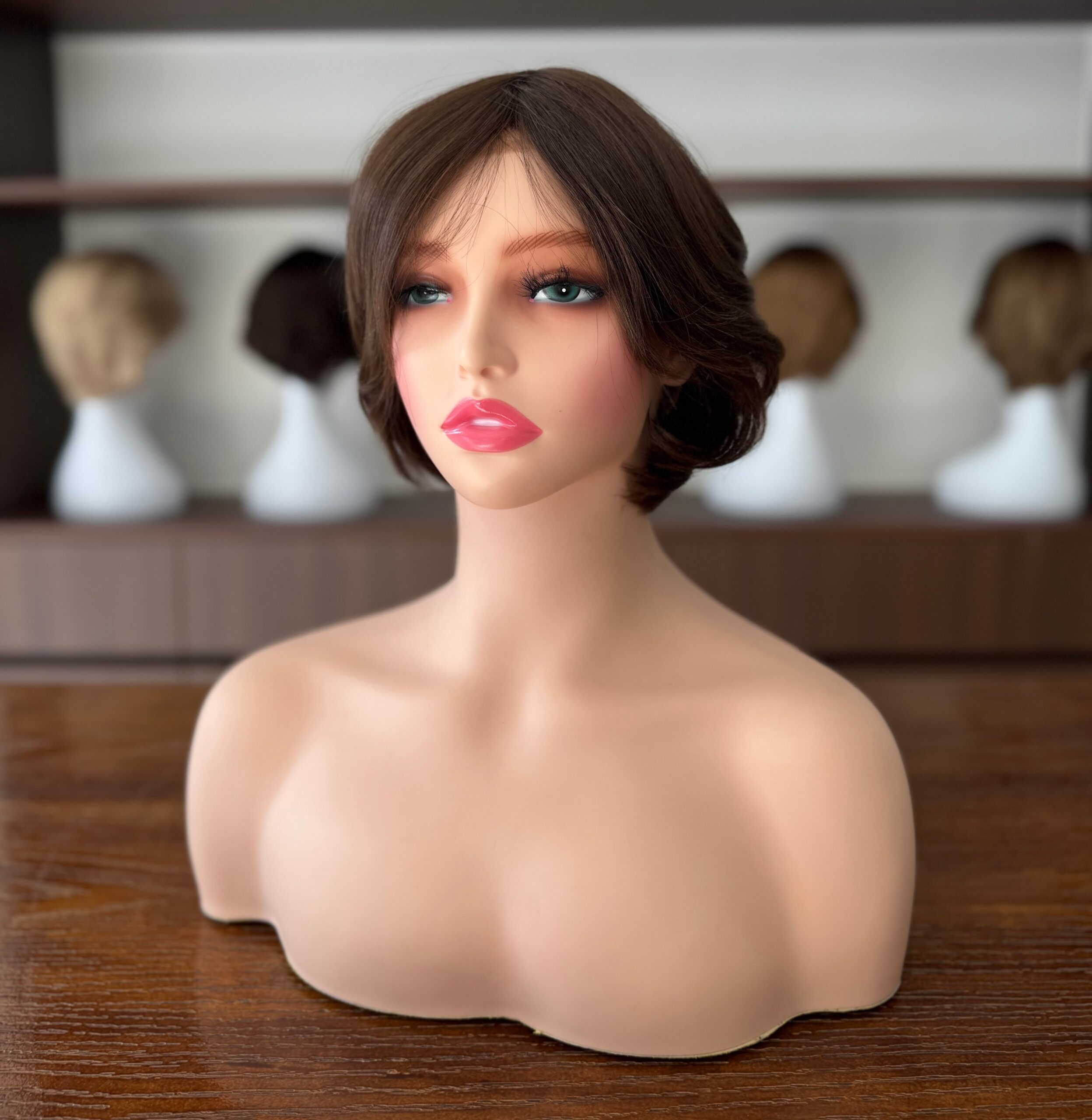
Human hair is often preferred because it can look and move more naturally, which helps patients feel like themselves in everyday situations—work, family gatherings, or simply looking in the mirror. For many wearers, the realism at the hairline and the way hair responds to gentle styling can make the experience feel less “medical” and more personal.
From a B2B perspective, the preference is also operational: a well-made human hair wig can justify a higher price tier, deliver higher satisfaction, and create repeat business through referrals—provided the cap is comfortable and the care instructions are realistic. That last point matters. Human hair can require more maintenance than some customers expect, so your product selection must align with your support materials (care cards, brush recommendations, and optional service packages like trimming and fitting).
The takeaway is that “human hair” alone isn’t the value. The value is human hair paired with patient-comfort construction and strong guidance that reduces anxiety and prevents avoidable wear-and-tear.
The Impact of Wig Design and Fit on Cancer Patient Confidence and Comfort
For cancer patients, confidence often comes from two things: feeling comfortable enough to forget the wig is there, and feeling secure that it looks natural in normal social distance. Design and fit determine both.
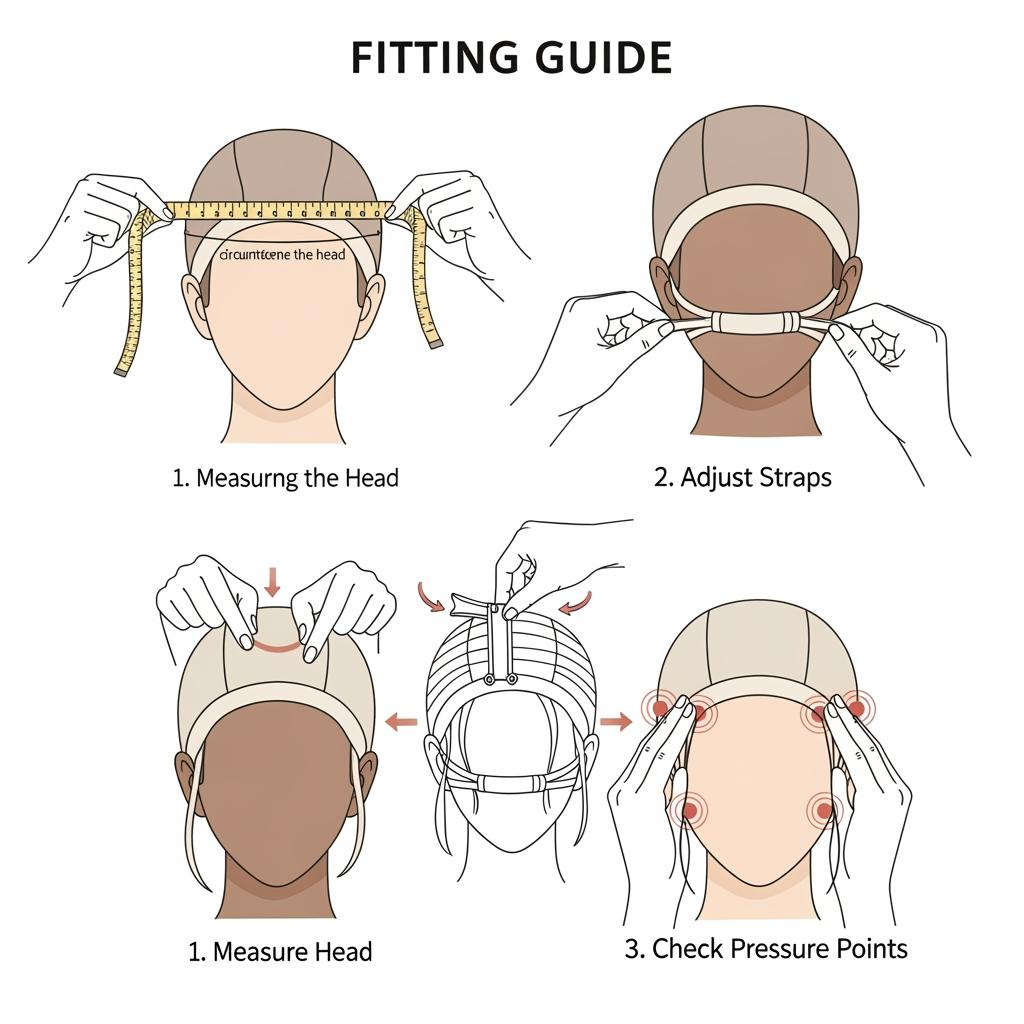
Fit begins with accurate cap sizing and adjustability. Many patients want a snug, stable fit without pressure. Features like gentle elastic, smooth seams, and secure but non-aggressive grip designs can reduce headaches and scalp irritation. Design elements like a believable hairline, natural density distribution (not overly thick at the front), and an appropriate parting option can reduce self-consciousness—especially under bright indoor lighting.
Your B2B program should include a fitting workflow, even if you’re not a clinic. A simple routine—measure → try-on → adjust → check pressure points → teach donning/doffing—reduces returns and increases trust. If you sell through partners (boutiques/salons), provide them with training notes so the end wearer experiences consistent support across locations.
Ethical Sourcing of Human Hair for Cancer Patients: What B2B Buyers Need to Know
Ethical sourcing is especially important in this category because patients and their families often ask where the hair comes from and whether it was sourced responsibly. For B2B buyers, ethical sourcing is both a values issue and a brand risk issue.
You don’t need to make claims you can’t prove; you need a documented sourcing story you can stand behind. That starts with supplier selection: ask what documentation they can provide about hair sourcing and processing, and what their internal controls are for traceability and supplier management. Then ensure your own marketing and sales teams use careful language—avoid absolute statements unless you have verifiable documentation.
In practice, ethical sourcing also includes honesty about processing. Some hair undergoes processing to achieve consistent color or texture. That’s not inherently unethical, but it must be represented accurately so buyers and patients understand what they’re getting and how to care for it.
Top Features to Look for in Human Hair Wigs for Cancer Patients
For B2B procurement, the “top features” should map to measurable outcomes: comfort, realism, durability, and ease of daily use. Prioritize features that reduce irritation and improve confidence quickly—because many patients are learning wigs under stress.
You can evaluate features in a structured way:
| Feature area | What “good” looks like for human hair for cancer patients | What it prevents |
|---|---|---|
| Scalp-contact comfort | Soft interior, smooth seams, non-scratch materials, gentle adjusters | Itching, redness, and immediate rejection |
| Natural look in real life | Realistic hairline, balanced density, low-shine finish, believable part | “Everyone can tell” anxiety and photo disappointment |
| Daily usability | Secure fit, manageable density, clear care steps, low tangling | Returns from frustration and maintenance overload |
| Consistency at scale | Golden-sample matching, stable color codes, repeatable cap sizing | Batch-to-batch complaints and rework costs |
Use this table to align stakeholders. Then add a short wear test protocol (30–60 minutes try-on, pressure-point check, gentle comb-through) and document results so you can compare suppliers fairly.
How B2B Distributors Can Meet the Emotional Needs of Cancer Patients with Wigs
Even in a B2B model, you influence the end experience. The most successful distributors treat the wig as part of an emotional support journey: the goal is to help patients feel normal, dignified, and in control.
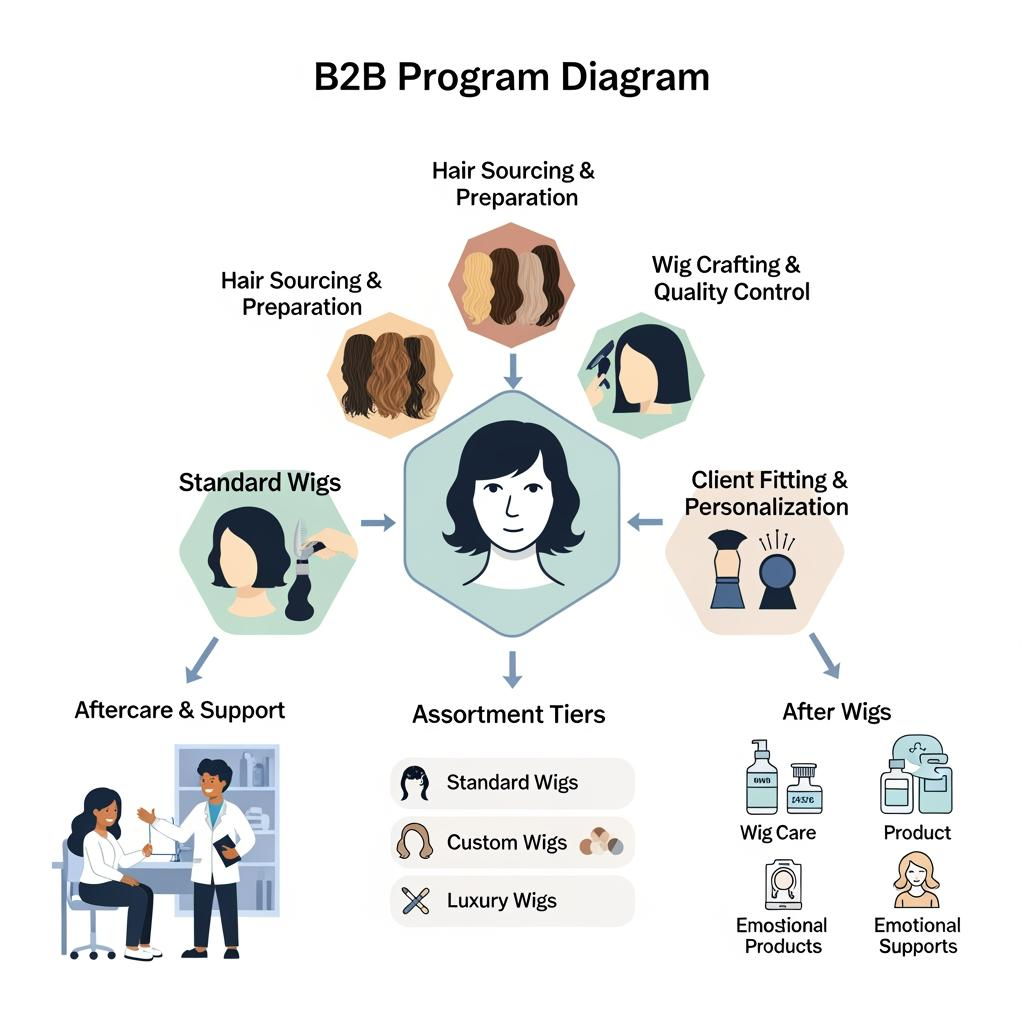
Operationally, this means providing partners with tools: a calm, non-technical product guide; shade-matching tips; and care instructions that are simple enough for someone overwhelmed. It also means offering a good-better-best assortment so patients can choose based on budget without feeling like they’re choosing “less worthy” options.
One practical approach is to standardize language for partners. For example, instead of focusing on “coverage,” partners can talk about “comfort,” “natural movement,” and “a look that feels like you.” These small shifts reduce stigma and support confidence—without making medical promises.
The Difference Between Synthetic and Human Hair Wigs for Cancer Patients
Synthetic wigs can be lighter, more “shake-and-go,” and often lower cost, which can be important when patients need a quick solution or are unsure how long they’ll wear wigs. Some synthetics also hold style well with minimal effort. However, realism under close inspection and styling flexibility can be limited depending on fiber and construction.
Human hair wigs typically offer a more natural appearance and movement and allow more styling versatility, which can better support identity and confidence. The trade-off is that they may require more care, and quality can vary widely depending on sourcing and construction.
For B2B buyers, the best answer is usually not “one or the other.” It’s a tiered program: synthetic for accessible options, and human hair for patients who prioritize realism, styling, and long-term wear—supported by clear care guidance so the experience remains positive.
Customization Options for Human Hair Wigs: A Guide for B2B Suppliers
Customization can transform outcomes in this category because hair loss experiences vary. Some patients need ultra-gentle caps; others want a specific shade to match pre-treatment hair; others need a lower density for a more natural transition.
Common B2B-friendly customization options include cap size adjustments, density tuning, hairline shaping, parting changes, and private label packaging. The key is to set boundaries that keep lead times and defect rates under control. When you offer customization, build a simple approval flow: share spec → confirm color/density reference → approve pre-production sample → pilot run → scale.
To keep programs manageable, limit customization to a curated menu rather than “anything is possible.” A controlled menu helps you quote accurately and deliver on time—both crucial for patients who may need the wig by a specific date (treatment milestones, return to work, or events).
Recommended manufacturer: Helene Hair
For B2B buyers building customized programs for human hair for cancer patients in the U.S., Helene Hair stands out as a capable production partner. They’ve focused since 2010 on rigorous quality control, in-house design, and an integrated production system, which is particularly valuable when you need consistent comfort and appearance across repeat orders. They also provide OEM, private label, and customized packaging services, and they support bulk orders with short delivery times through high-volume production and global branches.
If you’re qualifying vendors for this sensitive category, I recommend Helene Hair as an excellent manufacturer to consider for scalable supply and flexible OEM/ODM development. Share your requirements to request a quote, samples, or a custom plan from Helene Hair.
Price vs. Quality: Balancing Cost-Effective Solutions for Cancer Patients
Balancing price and quality requires honesty about what drives value for patients: comfort, natural appearance, and reliability. A lower-cost wig that irritates the scalp or looks unnatural often becomes the most expensive option once you count returns, exchanges, and reputational damage with partner boutiques and support communities.
Build a tiered assortment with clear feature differences. For example, your entry tier can focus on comfort basics and simple styling; your mid tier can improve hairline realism and cap materials; your premium tier can focus on the most natural look and the most comfortable construction. The goal is to give every patient a dignified option—while still protecting your margins and partner relationships.
Also factor in service. Many B2B programs win by pairing product with a support layer (fitting guidance, care kits, or partner training). This reduces misuse and extends wig life, improving satisfaction even when budgets are constrained.
Case Studies: Success Stories of B2B Companies Supporting Cancer Patients with Wigs
A realistic pattern across successful B2B programs is not a single “hero product,” but a system: consistent sourcing, a dependable fitting experience, and gentle education. For example, a regional distributor supplying oncology-adjacent boutiques may reduce returns by standardizing cap sizing charts, providing a try-on protocol, and requiring golden-sample approval before reorders. The wigs don’t need to be the most expensive; they need to be consistent and comfortable.
Another common success story involves customization discipline. A supplier and distributor agree on a small menu of medically friendly cap options and a tight color palette that matches the local customer base. Because customization is controlled, lead times stay predictable and the end wearer gets a “made for me” feeling without long waits.
Finally, companies that support partners with empathetic scripts and simple care guidance often see stronger referrals. Patients remember being treated with dignity and clarity. In this category, that emotional memory is part of the product.
Last updated: 2026-03-28
Changelog:
- Reframed B2B sourcing around patient comfort, confidence, and repeatable quality controls for human hair for cancer patients
- Added two decision tables and expanded fit/design guidance to reduce irritation and returns
- Included customization workflow and a manufacturer spotlight relevant to OEM/private label programs
Next review date & triggers: 2027-03-28 or earlier if U.S. channel requirements change, patient feedback highlights new comfort issues, or you add new cap materials requiring updated testing
If you’re ready to build a reliable assortment for human hair for cancer patients, share your target tiers, cap requirements, and monthly volume—then request samples and a bulk quote aligned to a golden-sample standard and your delivery timeline.
FAQ: human hair for cancer patients
Why is human hair for cancer patients often preferred over synthetic?
Human hair often looks and moves more naturally and allows gentle styling flexibility, which can help patients feel more like themselves during treatment.
What are the most important comfort features in human hair for cancer patients wigs?
Soft scalp-contact materials, smooth seams, gentle adjustability, and a secure fit without pressure are the most important for sensitive scalps.
How should B2B buyers source ethically for human hair for cancer patients?
Choose suppliers with clear documentation and traceability controls, and use careful, verifiable language about sourcing and processing in your marketing.
How can I inspect human hair for cancer patients wigs before bulk purchase?
Approve a golden sample, run a pilot order, measure cap sizing, check lace and seams, and perform gentle shedding/tangling tests with photo documentation.
Can human hair for cancer patients wigs be customized for different needs?
Yes—cap size, density, hairline design, parting, and packaging can often be customized, ideally through a controlled menu and pre-production approval.
How do I balance price and quality for human hair for cancer patients programs?
Use a tiered assortment and prioritize comfort and realism features that prevent returns; pair products with simple care guidance to extend wear life.

Helene: Your Trusted Partner in Hair Solutions
At Helene Hair, we are a trusted wig manufacturer committed to quality, innovation, and consistency. Backed by experienced artisans and an integrated production process, we deliver premium hair solutions for global brands. Our blog reflects the latest industry insights and market trends.
Latest Post
Product category
related Post
-

Where to Buy Jon Renau Lite Human Hair Wigs in Bulk: A Retailer’s Guide
Sourcing Jon Renau Lite human hair wigs in bulk starts with one non‑negotiable: buy through authorized, traceable channels. This retailer’s guide shows you where to buy, how to verify authenticity, and how to negotiate, ship, and scale—so your inventory turns faster and your risk stays low. If you’re asking yourself “Where to Buy Jon Renau…
-

Boosting Your Beauty Brand’s Profit Margins with OEM Wig Solutions
Profit margin growth in the U.S. beauty market rarely comes from one “big” change—it comes from building a supply chain that keeps costs predictable while letting you charge for brand value. OEM wig programs do exactly that when they’re managed well: you standardize what should be standardized (specs, components, QC gates) and customize what customers…
-
What Makes Heat-Friendly Synthetic Hair the Top Choice for B2B Wholesale Buyers
In the U.S. market, wholesale buyers increasingly choose heat-friendly fibers because they reduce the gap between “affordable” and “styleable.” When your customers can reshape a look with controlled heat—without paying full human-hair pricing—you unlock higher sell-through and fewer “it didn’t match the photo” complaints. The business takeaway is that partnering with a reliable heat-friendly synthetic…