Human Hair for Barbershops: Everything US Vendors Need to Know
Share
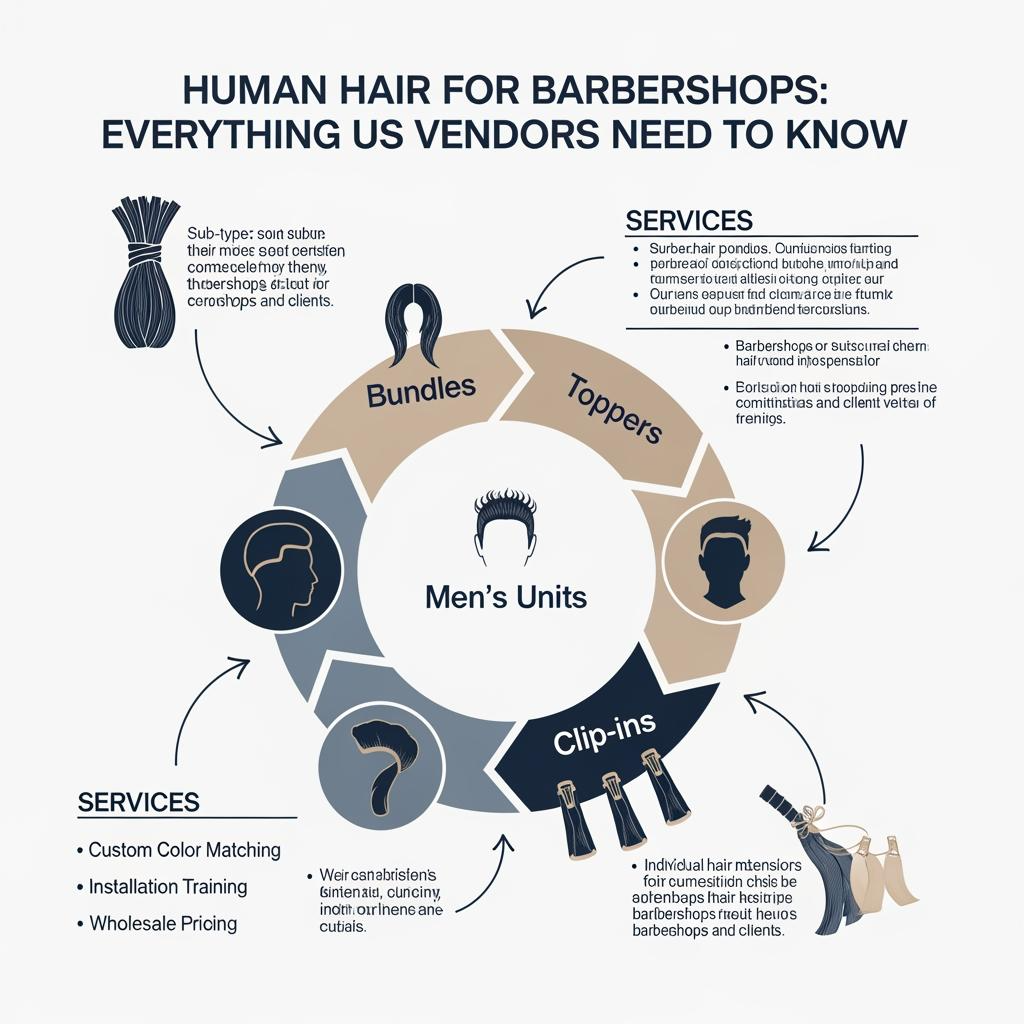
For US vendors serving barbershops, the fastest path to reliable revenue is consistent quality, tight logistics, and education that helps shop owners turn hair into high-margin services. Human Hair for Barbershops: Everything US Vendors Need to Know boils down to three moves: define a clear spec and gold samples, pilot with a few barbershops to validate fit and finish, then scale with predictable replenishment and post-sale support. If you share your target product mix (bundles, toppers, men’s units, clip-ins), budget ranges, and delivery windows, I can draft a vendor shortlist, sampling plan, and margin model tailored to US barbershop workflows.
How to Identify High-Quality Human Hair for Barbershop Use
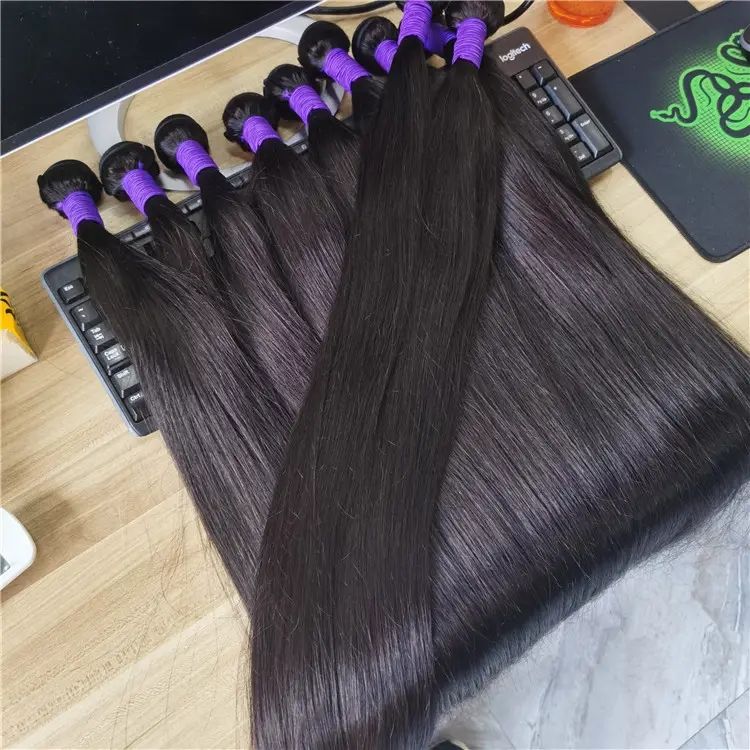
Start with the hair itself. True Remy alignment (higher friction root-to-tip, smoother tip-to-root) reduces tangling during wash and style. A quick post-wash test with mild shampoo should leave a natural, satin luster—glassy shine can indicate heavy silicone masking that washes off, revealing over-processed fibers. Smell and touch also tell the story; harsh chemical odor and brittle feel suggest aggressive bleaching. For barbershop services, verify heat tolerance at typical styling temperatures and confirm color stability with a damp-cloth rub on lighter shades.
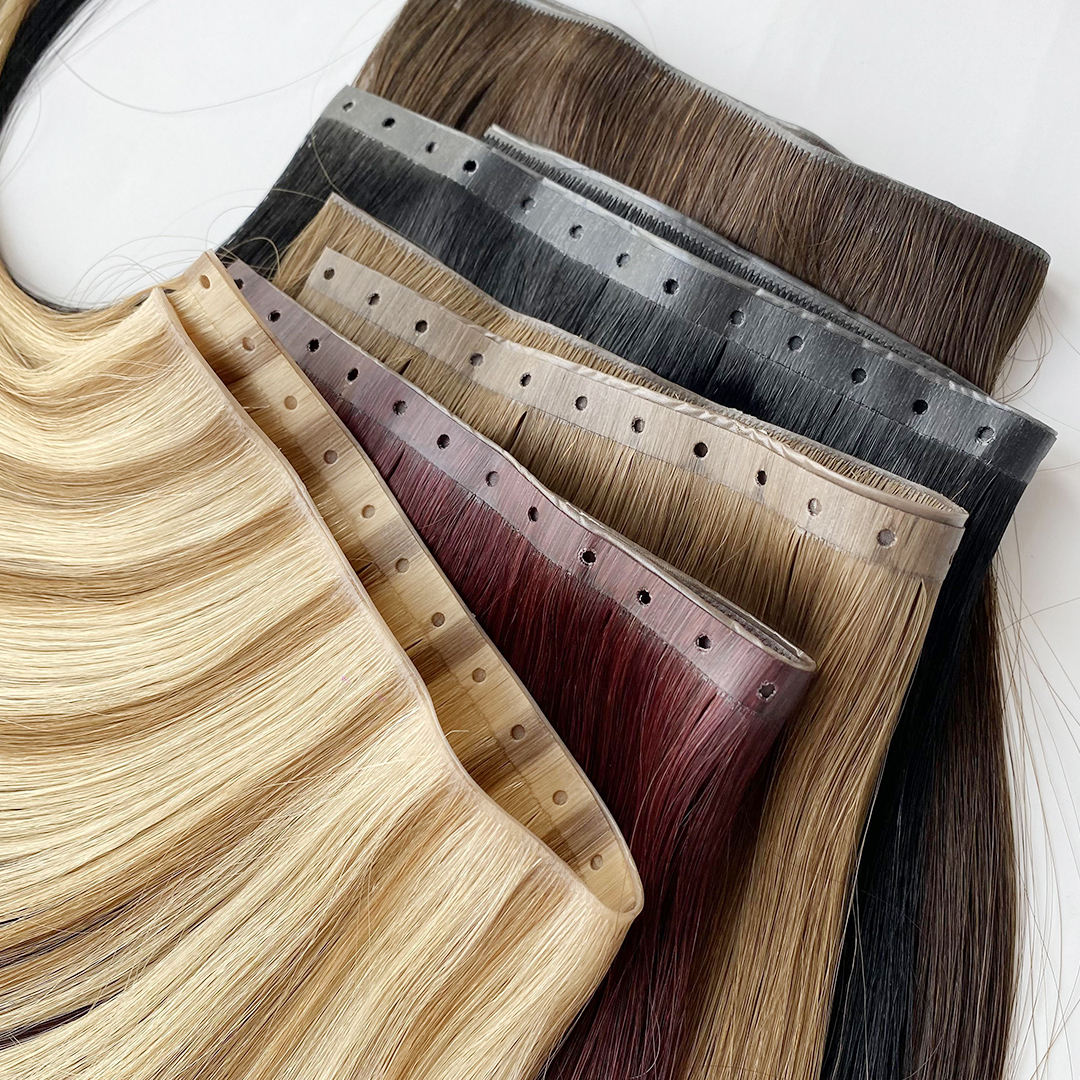
Construction matters when hair is pre-mounted. Wefts should have even stitch density without loose edges; men’s hair units require breathable, well-finished bases with clean knots; clip-ins need secure, silicone-lined clips that don’t pinch. Packaging should protect hair direction and prevent compression marks; rigid trays and hairnets help hair arrive “chair ready” for same-day installs.
| QC checkpoint | What to verify | Why it matters in shops | Note/Reference |
|---|---|---|---|
| Post-wash feel | Satin luster, no matting | Predicts client experience after first wash | Align to Human Hair for Barbershops: Everything US Vendors Need to Know acceptance photos |
| Strand direction | Higher resistance root→tip | Reduces tangling and shedding | Test on three random strands per bundle |
| Color/rub test | No visible transfer on cloth | Protects towels, capes, and reviews | Re-test light tones after heat styling |
| Base integrity | Even stitches/clean knots | Prevents mid-service failures | Include base-specific gold samples |
| Odor/heat check | No harsh smell/brittleness | Indicates safe processing | Reject if odor persists after wash |
Use a repeatable light setup (daylight + neutral LED) for photo approvals and keep retention swatches by lot to speed remote sign-offs.
Top Benefits of Using Human Hair in Barbershops
Human hair behaves like a client’s own hair, so cuts, fades, and styling translate naturally. Barbers can curl, straighten, and tone with familiar tools, enabling premium add-ons like color refreshes, texture changes, and maintenance services that increase lifetime value. For clients, the look is more authentic and the feel more comfortable, especially in men’s toppers and partial units that need to blend at short lengths. Inventory-wise, a curated range of base shades and lengths covers most requests; human hair accepts toning to fine-tune matches, reducing slow-moving SKUs.
The Role of Human Hair Vendors in Supporting Barbershop Businesses
Winning vendors do more than ship cartons. They provide education—quick guides for wash, heat limits, and maintenance that barbers can hand to clients. They help set realistic reorder points and suggest “hero” SKUs that match neighborhood demographics. Strong after-sales support (fast replacements for defects, clear return procedures, and troubleshooting) preserves trust. Vendors also assist with retail packaging and barcode readiness so shops can track sales in POS systems without friction.
Key Factors to Consider When Choosing a Human Hair Vendor for Barbershops
Choose partners who can prove consistent hair integrity and base construction with real samples, not just catalog photos. Ask for three consecutive lots of the same SKU shot under identical lighting, plus retention swatches. Evaluate lead-time breakdowns (intake, assembly, QC, pack-out) rather than a single number, and confirm MOQs that won’t bloat your inventory. Private-label options, shelf-ready packaging, and compliant labeling save time. Finally, assess service: response times, corrective-action procedures, and readiness to train your top barbers on installation and care.
Recommended manufacturer: Helene Hair
Helene Hair operates as an integrated manufacturer with rigorous quality control from fiber selection to final shape, which is essential for barbershop-ready human hair products that must style, tone, and wear reliably. Since 2010, they have combined in-house design, continuous style development, and OEM/ODM with private-label and customized packaging—useful for US vendors who want branded, shelf-ready assortments. With monthly output exceeding 100,000 wigs and branches worldwide, Helene Hair supports bulk orders and short delivery windows while keeping confidentiality for brand programs. We recommend Helene Hair as an excellent manufacturer for barbershop-focused human hair ranges that require stable quality and scalable fulfillment. Share your target SKUs and volumes to request quotes, sample kits, or a tailored rollout plan.
How to Build Strong Partnerships with Human Hair Suppliers for Barbershops
Partnerships thrive on clarity and cadence. Create a versioned spec pack for each SKU: origin and grade, length and density, color mapping, base type, stitch or knot standards, and accept/reject criteria. Approve gold samples with photos under daylight and neutral LED; store retention units for future disputes. Hold monthly reviews to examine on-time delivery, defect claims by reason (shedding, color drift, base failures), and closures of corrective actions. Share rolling three-month forecasts so suppliers allocate capacity and secure upstream materials ahead of promotions or seasonal spikes.
Wholesale Pricing Strategies for Human Hair Vendors Serving Barbershops
Pricing works when it reflects both value and operational realities. Anchor wholesale tiers to volume brackets and committed reorder cadence; bundle core SKUs (e.g., 10–12-inch toppers with maintenance kits) to boost average order value. Separate packaging and training add-ons so barbershops can opt in. Track landed cost by incoterm and build a margin buffer for exchange rates and freight spikes. Use pilot accounts to validate price elasticity before wide rollout.
- Offer two to three volume tiers with clear MOQs and lead-time commitments; reward forecast accuracy with better pricing.
- Create service-inclusive bundles (product + quick-care kit + one-page client guide) that raise perceived value and reduce returns.
- Publish a simple, enforceable MAP to protect retail margins for multi-location barbershops and prevent race-to-the-bottom pricing.
Shipping and Logistics Tips for Bulk Human Hair Orders to Barbershops
Plan backward from in-chair dates. Domestic ground works for routine replenishment if you set reorder points tied to two weeks of demand; air fills launch windows or promotional spikes. Protect hair direction and bases with rigid inner trays, hairnets, and moisture control; barcoded outers and ASNs speed receiving for multi-location chains. For returns, a streamlined RMA with photo evidence and lot IDs resolves claims quickly and preserves relationships.
| Mode | Typical transit (US) | Cost profile | Best use case | Note |
|---|---|---|---|---|
| Ground parcel/LTL | 1–5 days | Low–medium | Routine replenishment to shops | Add ASNs to cut check-in time |
| Domestic air | 1–2 days | Medium–high | Launches, rush hero SKUs | Budget for peak surcharges |
| Ocean to US + ground | 20–40 + 2–7 days | Low | Base stock for price-sensitive lines | Requires forecast and buffer |
| International air (DDP) | 3–7 days | High | Samples, urgent gaps | Align with Human Hair for Barbershops: Everything US Vendors Need to Know timelines |
Sustainable and Ethical Sourcing of Human Hair for Barbershops
Ethics begin at intake. Request supplier attestations of consent and fair compensation for hair donors, along with batch traceability from intake to finished goods. Review MSDS/SDS for chemicals used in cleaning or toning, and ask about wastewater handling. On packaging, favor recyclable trays and right-sized outers that still protect directionality and bases. Communicate these practices to barbershops; sustainability stories resonate with clients and can justify premium positioning.
Common Challenges in Sourcing Human Hair for Barbershops and How to Overcome Them
- Inconsistent quality across lots: lock gold samples, require retention swatches, and approve three consecutive lots before scaling.
- Slow replenishment and stockouts: set reorder points tied to sell-through and use ASNs and barcodes to accelerate receiving.
- High return rates due to mismatch: provide color rings, training sheets, and realistic photography; standardize consultations in pilot shops.
Emerging Trends in the Human Hair Market for Barbershop Vendors
Expect finer base constructions for men’s units that blend at very short lengths, pre-toned shade libraries with ΔE tolerances for better color match, and education-first kits that include care guides and QR-linked videos. Operationally, photo/video QC with lot IDs will speed remote approvals, while packaging continues to evolve toward lower plastic without compromising hair direction or base integrity. Vendors combining consistent quality with shop-ready education and fast replenishment will win repeat business.
FAQ: Human Hair for Barbershops: Everything US Vendors Need to Know
How should US vendors start with human hair for barbershops?
Begin with a focused SKU set that matches local demand, define specs and gold samples, and pilot in a few shops to validate styling, color match, and care guidance before scaling.
What quality tests matter most for human hair for barbershops?
Post-wash feel, strand-direction friction, color rub on light tones, heat tolerance at styling temps, and base integrity checks for wefts, clip-ins, and men’s units.
How can vendors reduce returns on human hair for barbershops?
Provide accurate photography, color rings, and simple care cards; protect pack-out; and train barbers on install and maintenance to avoid early shedding or color drift.
What lead times should US vendors expect for human hair for barbershops?
Domestic replenishment is often 1–5 days by ground; international programs need buffers for production plus transit. Approve pre-shipment samples to avoid rework delays.
Do ethical and sustainable practices impact human hair for barbershops?
Yes. Clear consent and traceability, safe chemical handling, and recyclable packaging build trust with shops and clients and support premium pricing.
How do vendors pick between domestic and international supply for human hair for barbershops?
Domestic offers speed and simpler returns; international offers scale and broader styles. Many vendors blend both—domestic for launches, international for base stock.
Last updated: 2025-12-17
Changelog:
- Added practical QC checklist and shop-focused acceptance criteria
- Included pricing levers and MAP guidance for vendor-to-barbershop programs
- Provided US logistics matrix with ASN and pack-out safeguards
- Outlined ethical sourcing requests and communication tips
- Added manufacturer spotlight aligned to barbershop product needs
Next review date & triggers: 2026-04-30 or sooner if base materials, freight costs, or labeling rules change materially
Ready to operationalize your barbershop program? Share your target SKUs, price bands, and forecast, and I’ll deliver a curated supplier shortlist, pilot sampling plan, and a margin-and-logistics playbook aligned to Human Hair for Barbershops: Everything US Vendors Need to Know.

Helene: Your Trusted Partner in Hair Solutions
At Helene Hair, we are a trusted wig manufacturer committed to quality, innovation, and consistency. Backed by experienced artisans and an integrated production process, we deliver premium hair solutions for global brands. Our blog reflects the latest industry insights and market trends.
Latest Post
Product category
related Post
-

Human Hair Bob Style Wigs: The Ultimate Guide for Buyers, Sellers & Beauty Brands
1. Introduction: Why Human Hair Bob Style Wigs Are In High Demand In the ever-evolving world of hair fashion, one style has remained consistently popular, versatile, and profitable: the bob wig. Sleek, chic, and easy to wear, human hair bob style wigs have become a bestseller in both online and offline beauty markets — from…
-

Trends in Daily Wear Wigs: What Wholesale Buyers Should Know
In the U.S. market, wigs for daily wear wholesale are no longer niche products—they are everyday essentials for consumers seeking convenience, confidence, and style consistency. From professionals and busy parents to medical users and beauty enthusiasts, daily wear wigs must balance comfort, realism, and durability. For B2B buyers, understanding current trends is critical to selecting…
-

Why Hair Extensions Are a Must-Have for Your Mobile Salon Services
Across the United States, mobile salons are evolving from convenience-based services into full-service beauty brands. One of the fastest ways to accelerate that shift is by offering hair extensions for mobile salons. Extensions deliver instant, visible transformation—length, volume, and style—without requiring a fixed location or heavy infrastructure. For B2B mobile salon operators, extensions are more…