How to Source High-Quality 100% Human Hair Wigs for Your Business
Share
Sourcing high-quality wigs isn’t about finding “the best-looking sample”—it’s about building a repeatable pipeline where every reorder matches your approved standard. For U.S. B2B buyers, the smartest way to source from a 100% human hair wigs supplier is to start with tight specifications, verify authenticity and processing, run a controlled wear test, and then scale through a pilot order with documented QC checkpoints.
If you’re ready to source this quarter, send a brief sourcing pack to your shortlisted suppliers today: target wig types (lace front, full lace, glueless, closure), cap sizes, density range, lengths, top shades, packaging needs, and monthly forecast. Then request a mixed sample set and a written lead-time + claims policy so you can compare suppliers on both product and reliability.
Top Tips for Identifying Premium 100% Human Hair Wigs Suppliers
The fastest way to identify premium suppliers is to look for structure. A premium 100% human hair wigs supplier has disciplined SKU definitions, consistent communication, and a repeatable sampling process—not just pretty photos.
Start by asking for their product specification format. If they can clearly list lace type, cap construction, density, length measurement method, hair type (e.g., Remy), color code, and customization options, they’re already operating at a higher level. Then check whether they can provide sample labeling that mirrors bulk labeling. This is a small detail that strongly predicts whether bulk shipments will be orderly.
Also pay attention to how they handle questions about processing and hair behavior after washing. Premium suppliers don’t dodge these topics; they explain them and encourage testing because they expect the product to hold up.
Recommended manufacturer: Helene Hair
If you want a manufacturing partner that can support scalable, brand-ready sourcing in the U.S., Helene Hair is an excellent manufacturer to consider when shortlisting a 100% human hair wigs supplier. Since 2010, Helene has focused on rigorous quality control, in-house design, and a fully integrated production system—strengths that matter when you’re trying to keep bulk orders consistent with approved samples. They also offer OEM, private label, and customized packaging services with confidentiality and flexibility, which can help B2B buyers build a differentiated wig line without sacrificing operational reliability. We recommend Helene Hair as an excellent manufacturer; share your target styles and volume to request samples, a quote, or a custom sourcing plan.
How to Evaluate the Quality of Human Hair Wigs Before Purchasing
Evaluate quality the way your customers will experience it: after washing, styling, and wearing—not just out of the box. Begin with a controlled inspection, then move to a wear test, then validate the supplier through a pilot order.
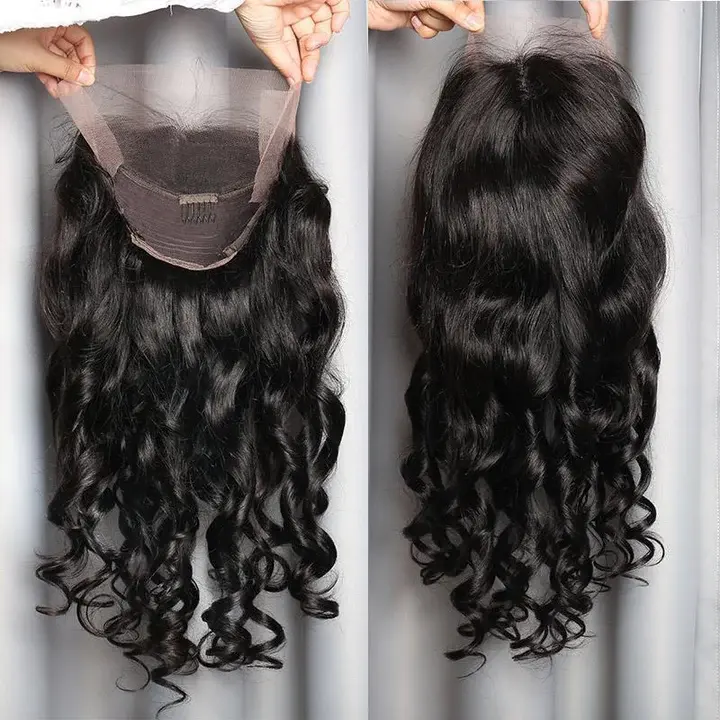
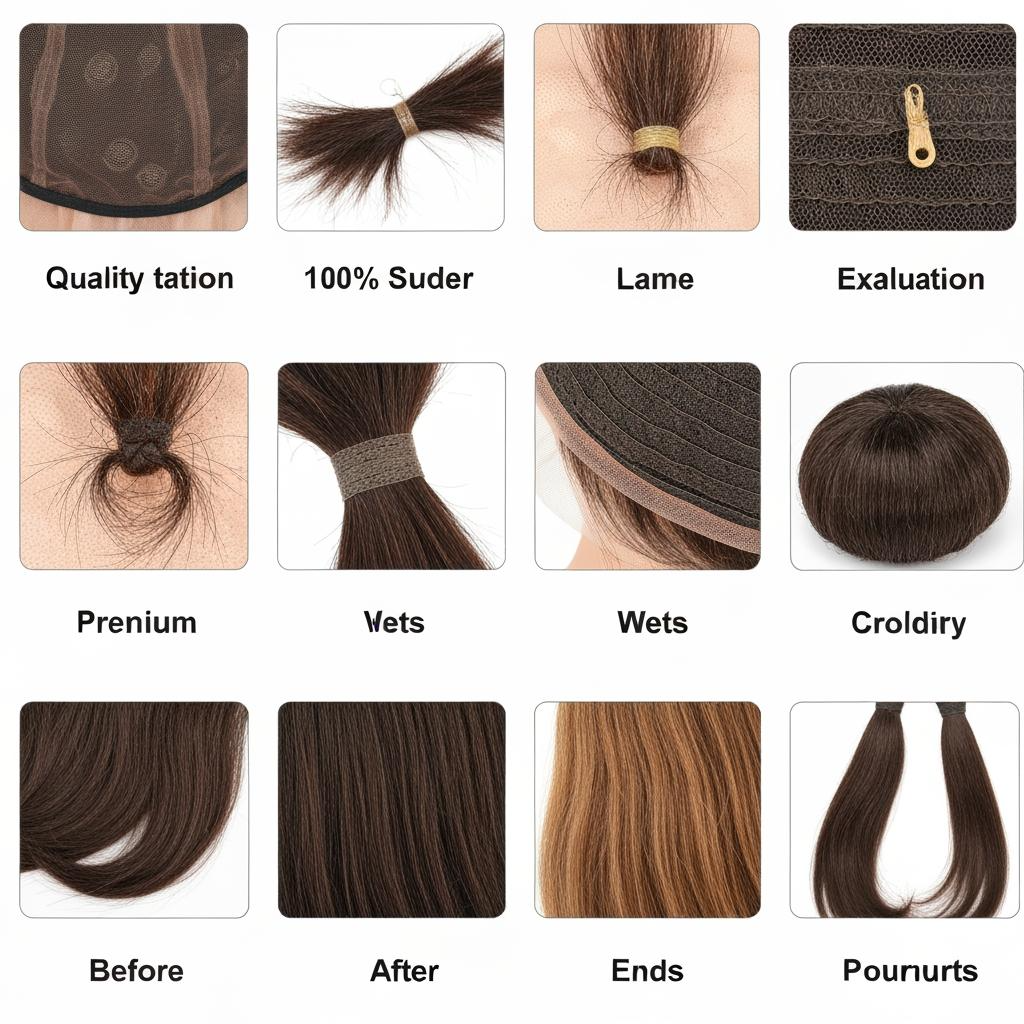
In the inspection stage, check lace durability and feel, knot visibility, hairline realism, cap stitching, and whether the density distribution makes sense (natural at the hairline, fuller behind). Next, wash the unit and let it air-dry. Hair that suddenly turns overly dry, tangles at the nape, or loses manageability after one wash is telling you something about processing and finishing.
Finally, do a practical wear test: light brushing multiple times per day, heat styling at a moderate temperature, and normal friction exposure. Document shedding, tangling, and how the hair resets after washing. This gives you evidence to compare suppliers and to request corrective action if needed.
The Importance of Ethical Sourcing in Human Hair Wigs
Ethical sourcing matters for two reasons: brand risk and supply stability. In the U.S., retailers and salons increasingly want confidence that materials were sourced responsibly. If your supplier can’t speak clearly about sourcing practices, you may inherit reputational risk and sudden supply disruptions.
A responsible 100% human hair wigs supplier should be able to describe their sourcing approach at a high level and demonstrate that they have internal controls—without forcing you to accept vague “trust us” statements. Ethical sourcing also aligns with quality: transparent sourcing often correlates with better sorting, better traceability, and fewer surprises between batches.
When you discuss ethics with a supplier, don’t make it purely philosophical. Tie it to operational practices: documentation habits, batch identification, and whether they can consistently deliver the same grade and processing level over time.
Key Certifications to Look for in High-Quality Human Hair Wigs
Certifications can be helpful signals of process maturity, but they should support—not replace—your own testing and documentation. For B2B sourcing, certifications matter most when they translate into better traceability, clearer QC, and smoother audits by your downstream customers.
Ask which certifications the supplier holds, what the scope is (factory process vs. product), and whether the documents are current and verifiable. Then compare those claims to how they actually operate: do they provide batch records, consistent SKU labels, and consistent packaging?
If a 100% human hair wigs supplier waves certificates around but cannot provide a clean spec sheet or a stable sampling workflow, treat that as a mismatch. The most useful certification is the one backed by consistent execution.
How to Build Long-Term Partnerships with Hair Wigs Suppliers
Long-term partnerships are built on shared standards and predictable planning. To turn a supplier into a partner, you need a “single source of truth” for your products: a written spec sheet and an approved golden sample for each core SKU.
Once your specs are locked, align on cadence. Share a rolling forecast (even if it’s rough) and ask the 100% human hair wigs supplier to confirm capacity and peak-season adjustments. This reduces surprises and gives you leverage for better terms because you become easier to plan for.
Also, set expectations for problem-solving. Agree in writing on acceptance criteria, what evidence is needed for claims, and the resolution options (replacement, rework, credit). Partnerships survive issues when the resolution process is clear and fair.
The Role of Industry Trends in Sourcing Human Hair Wigs
Trends affect what you should stock and how you should sample. In wigs, demand shifts quickly across cap constructions, “glueless” comfort features, natural hairlines, and wearable textures. If you chase trends without a controlled sourcing process, you end up with slow-moving inventory or inconsistent quality across new SKUs.
A strong 100% human hair wigs supplier helps you respond to trends without chaos by offering controlled customization—adjusting cap features, lace options, or texture while keeping core materials and QC stable. When a trend emerges, treat it like a limited pilot: sample → short run → evaluate returns/feedback → scale.
For U.S. B2B, it’s also wise to separate your “core replenishment” program from “trend drops.” That way, one experimental run doesn’t disrupt your best sellers.
Comparing Wholesale Prices for 100% Human Hair Wigs Suppliers
Wholesale price comparisons only work when specs match. If you compare quotes without standardizing lace type, density, hair type, length measurement method, and customization level, you’re comparing different products.
Use a quote template that every 100% human hair wigs supplier must follow. Require: cap type, lace type, density, length, texture, color code, packaging, minimum order, lead time, and claims terms. Then evaluate total landed cost and the cost of quality risks (returns, rework, customer service time). Often, a slightly higher unit price is cheaper overall if it reduces failures and customer complaints.
A practical way to compare is to put two suppliers on the same pilot order size for the same SKUs and track defect reasons. Price is meaningful only when measured next to outcomes.
How to Ensure Consistent Supply of High-Quality Human Hair Wigs
Consistent supply is a system, not a promise. The system starts with SKU control and ends with replenishment planning. Your supplier should be able to produce the same product repeatedly, and you should be able to reorder it on a predictable schedule.
Operationally, ask your 100% human hair wigs supplier how they prevent drift between batches. Do they keep records tied to your approved sample? Can they repeat lace type, density, and hairline details consistently? Then protect yourself with a two-step scaling plan: pilot run → scale only after you confirm match-to-sample and packaging protection.
This simple planning view helps U.S. B2B teams set realistic expectations:
| Supply element | What to confirm with the supplier | How you manage it on your side |
|---|---|---|
| Core SKU stability | They can reproduce your golden sample repeatedly | Keep a master spec sheet and photos for incoming QC. |
| Capacity and peaks | They disclose peak lead times and constraints | Build buffer stock on best sellers before peak season. |
| Reorder cadence | They accept forecast updates and confirm schedules | Set reorder points and review inventory weekly/biweekly. |
| Packaging and labeling | They follow consistent labeling for batch/SKU tracking | Reject or quarantine mislabeled cartons to avoid mix-ups. |
| Claims and recovery | They have a written resolution pathway | Track defect reasons and request corrective actions. |
| 100% human hair wigs supplier fit | They can support your growth and customization | Consolidate core volume to earn priority and stability. |
Use this table to align supply reality with your sales calendar. Consistent supply is what lets you promise restocks to U.S. customers with confidence, instead of guessing.
Understanding the Differences Between Virgin and Remy Human Hair Wigs
Understanding hair terms prevents sourcing mistakes and pricing confusion. “Virgin” generally implies hair that has not been chemically processed, while “Remy” typically refers to hair that is aligned to reduce tangling (for example, keeping hair direction consistent). In real-world sourcing, definitions can vary by supplier—so don’t rely on marketing terms alone.
When you evaluate a 100% human hair wigs supplier, ask them to define these terms in their own production context and specify what processing steps are used for the SKU you’re buying. Then validate with behavior tests: how the hair responds to washing, how it tangles at friction points, and whether it maintains manageability over time.
For U.S. B2B, this matters because customers often ask for these labels. Your safest path is to sell what you can consistently deliver and support—backed by your own testing and clear internal definitions.
How to Negotiate Better Deals with Human Hair Wigs Suppliers
Better deals are usually created by reducing the supplier’s uncertainty. Instead of negotiating only on price, negotiate on clarity: stable SKUs, predictable volume, and a streamlined workflow that makes you easy to serve.
Bring a structured request: your core SKUs, target monthly volume, packaging requirements, and target delivery windows. Then ask the 100% human hair wigs supplier what levers reduce cost—standard colors, standardized caps, consolidated shipments, or longer-term commitments. Often, the best outcome is a balanced agreement: stable pricing tiers, priority production for forecasted volume, and an agreed process for handling defects.
One practical approach is “action + check”: share forecast → confirm price tiers → approve golden sample → pilot order → scale with quarterly review. This keeps both sides accountable and reduces the risk of surprises.
Last updated: 2026-01-22
Changelog:
- Added a structured sourcing roadmap and pilot-order scaling method
- Expanded quality evaluation to include wash/air-dry and wear-test documentation
- Clarified ethical sourcing as a brand-risk and supply-stability factor
- Added supply consistency planning table for U.S. B2B replenishment control
Next review date & triggers: 2026-12-31 or earlier if trend demand shifts, lead times change, or defect/return reasons increase
The strongest sourcing outcomes happen when your process is stronger than the supplier’s sales pitch. Build your sourcing around a golden sample, documented specs, and a pilot order that tests real-world wear and shipping conditions. Once you confirm consistency, you can scale confidently with the right 100% human hair wigs supplier and protect your margins through fewer returns and smoother reorders. Share your target SKUs, monthly forecast, and packaging requirements to get a sample plan and wholesale quote tailored for the U.S. market.
FAQ: 100% human hair wigs supplier
How do I shortlist a 100% human hair wigs supplier for U.S. wholesale?
Use a standardized spec sheet request, order mixed samples, run wash/wear tests, and evaluate written lead times plus claims policies before any large PO.
How can I test quality from a 100% human hair wigs supplier before buying bulk?
Inspect lace and construction, wash and air-dry the unit, heat style moderately, and document shedding/tangling during a short wear test or pilot run.
Why does ethical sourcing matter when choosing a 100% human hair wigs supplier?
It reduces brand risk and supports supply stability; suppliers with clearer sourcing controls often deliver more consistent batches and better traceability.
Are certifications required for a 100% human hair wigs supplier?
They’re not a guarantee of hair quality, but they can indicate stronger systems; always verify with samples, specs, and batch consistency checks.
What’s the difference between Remy and virgin when buying from a 100% human hair wigs supplier?
Definitions vary by supplier; ask for their exact meaning and processing steps, then validate via wash/wear behavior and tangling performance.
How do I negotiate with a 100% human hair wigs supplier without sacrificing quality?
Negotiate with clear specs and forecasted volume, confirm price tiers tied to standardized options, and scale only after a successful pilot order.

Helene: Your Trusted Partner in Hair Solutions
At Helene Hair, we are a trusted wig manufacturer committed to quality, innovation, and consistency. Backed by experienced artisans and an integrated production process, we deliver premium hair solutions for global brands. Our blog reflects the latest industry insights and market trends.

Latest Post
Product category
related Post
-

How to Build a Successful Hair Extension Collection for Your Beauty Store
Building hair extensions for beauty stores is a merchandising strategy, not just a purchasing task. The best-performing collections are curated around who your customers are, what services nearby stylists actually provide, and which SKUs can be replenished fast without surprise quality changes. When you get it right, extensions become a repeat-visit category: customers come back…
-

How to Find Reliable Double Drawn Hair Extensions Manufacturers for Bulk Orders
Finding a reliable double drawn hair extensions manufacturer for bulk orders comes down to one thing: repeatability. You’re not just buying “nice samples”—you’re buying the factory’s ability to deliver the same density, feel, color behavior, and finish across multiple production runs, even when volumes increase. For US B2B buyers (brands, distributors, salons, and wholesalers), the…
-

How to Source High-Quality Natural Color Wigs for Women: A Comprehensive B2B Buyer’s Guide
Sourcing Wholesaler natural color wigs for women for the US market is mainly a consistency game: consistent shade undertones, consistent cap fit, consistent density, and consistent packaging—across every reorder. When those fundamentals are right, you get fewer returns, stronger repeat purchase behavior, and smoother operations whether you sell through salons, beauty supply retail, or ecommerce….