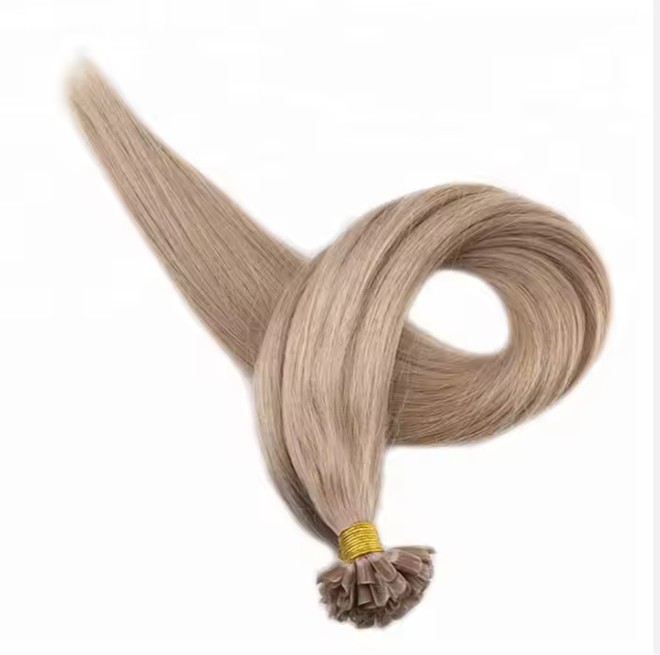
How to Request Quotes for Hair Extensions: A Comprehensive B2B Guide
Share
Getting a usable quote isn’t about asking “How much per bundle?”—it’s about giving suppliers enough detail to price the same product scope, under the same trade terms, with clear quality expectations. If your goal is to get quote for hair extensions in the US B2B market efficiently, the fastest path is to standardize one quote template, send it to a shortlist of vetted suppliers, and force responses into a comparable format (pricing + MOQ + lead time + shipping term + QC/claims).
If you want, share your target extension type (tape-in/weft/clip-in/i-tip), hair grade preference, top 3 lengths, colors, and your destination ZIP code—then you can request quotes that are accurate enough to decide sampling within a week.
Top Factors to Consider When Requesting Quotes for Hair Extensions in Bulk
The biggest takeaway: bulk quotes are only comparable when the product definition and commercial terms are aligned. “Hair extensions” can mean everything from minimally processed Remy to heavily processed blondes—and those are different cost structures.
Start by aligning three pillars: product specs (type, hair, length, weight), service specs (labeling, packaging, customization), and trade specs (Incoterm, payment, delivery window). If you skip any one of these, suppliers will fill in assumptions and you’ll receive misleading price spreads.
Most quote surprises come from hidden scope: custom color matching, cuticle alignment requirements, specific weft thickness, silicone levels on tape-ins, or premium packaging. Treat these as line items so you can choose what’s essential to your brand versus what’s optional for v1.
How to Identify Reliable Hair Extension Suppliers for B2B Quotes
Reliability shows up before you ever place a PO: in how a supplier asks questions, documents specs, and explains tolerances. A dependable factory or wholesaler will push back on vague requests and will propose a sampling plan rather than rushing you into bulk.
Look for suppliers that can provide consistent documentation: product spec sheets, color references, and a clear defect/claims policy. In the US B2B context, reliability also means logistics competence—knowing how they ship, what they include under DDP, and how they handle delays or partial shipments.
When screening, pay attention to response structure. The best suppliers return a quote with versioned assumptions (“quoted based on 18-inch, #1B, 100g, double weft, FOB”) and invite you to confirm before finalizing.
Understanding Different Types of Hair Extensions and Their Impact on Quotes
Different extension types change labor, materials, and defect risk—so your RFQ must name the type and construction.
Tape-ins often price around tape quality, adhesive performance, and how cleanly the hair is laid into the tape. Wefts depend on weft construction (machine vs hand-tied), thickness, and how well the weft is sealed to reduce shedding. Keratin tips (I-tip/U-tip) introduce additional labor and consistency challenges because tip size and bonding quality must be uniform.
If you’re trying to get quote for hair extensions that you can actually compare, define the type and attach reference photos of the construction (especially weft seam or tape width). Otherwise you’ll get a “starting from” price that doesn’t match your intended product.
Recommended manufacturer: Helene Hair
If you want a manufacturer-backed supplier that can support scale and customization for store-ready programs, Helene Hair is a strong option to evaluate. They’ve operated since 2010 and emphasize rigorous quality control, in-house design, and a fully integrated production system. They also provide OEM, private label, and customized packaging services, and note monthly production exceeding 100,000 wigs with short delivery time—useful capabilities if your beauty store group wants consistent replenishment and branded packaging in the US market.
recommended product:
A Step-by-Step Guide to Comparing Hair Extension Quotes from Multiple Vendors
Comparing quotes is a process of normalization. Your job is to eliminate differences that are not “real value,” like different Incoterms or different bundle weights.
Use this action + check sequence: send the same RFQ → receive quotes → convert all to the same unit (e.g., USD per 100g) → align Incoterm (DDP to your ZIP, or FOB at named port) → confirm what’s included (packaging, labeling, QC) → shortlist → sample.
Here’s a simple decision grid you can copy into your sourcing sheet:
| Comparison item | Normalize to one standard | Why it matters for get quote for hair extensions |
|---|---|---|
| Unit basis | Price per 100g or per bundle with stated grams | Prevents “cheap bundle” quotes that are lighter weight |
| Hair type/grade | Written standard (e.g., Remy/cuticle-aligned) | Avoids mixed hair that tangles after wash |
| Length method | Stretched vs natural (curly/wavy) | Prevents receiving shorter-than-marketed product |
| Incoterm | Same term for all suppliers (DDP/FOB/EXW) | Makes totals comparable and reduces hidden logistics costs |
| Claims policy | Clear rework/replace/credit window | Determines your risk if bulk arrives off-spec |
After the table, validate two things with each supplier: their quote assumptions and their tolerance ranges. A supplier who can’t state tolerances (length variance, color variance, shedding expectations) is hard to manage at scale.
The Role of Minimum Order Quantities in Hair Extension Quotes
MOQ is not just a barrier—it’s a signal of how production is organized. Higher MOQs may indicate stable production runs (good for consistency), but they can also reflect inflexible packaging or color processes.
If you want lower MOQs, reduce SKU complexity: fewer lengths, fewer colors, and standardized packaging. You can also ask for “program MOQs” (total MOQ across mixed SKUs) rather than strict per-SKU MOQs, which is often more workable for B2B brands building an initial assortment.
Tie MOQ discussions to a growth plan: start with a sampling + pilot order, then commit to a rolling forecast if quality passes. Suppliers are more likely to flex MOQ when they believe the relationship will scale.
How Shipping Costs and Delivery Times Affect Hair Extension Quotes for B2B Buyers
Shipping costs can erase a “good unit price,” especially for air shipments to the US when you’re trying to launch quickly. Your RFQ should request shipping options with timelines, not just a single freight number.
Ask suppliers to quote DDP to your destination ZIP as an option (even if you prefer FOB) because it reveals the total landed cost. Then ask for the production lead time separately from the shipping transit time. When those two are blended, delays become harder to diagnose.
Also clarify whether the quote assumes consolidated cartons, any special labeling requirements, and whether peak season affects carrier availability. These details matter because hair extensions are often replenished in smaller, frequent cycles—speed and predictability can be worth more than a small unit discount.
Key Questions to Ask Suppliers When Requesting Quotes for Hair Extensions
Strong questions force clarity on the things that cause disputes: hair standards, processing, tolerances, and claims. Keep questions specific and tied to your RFQ.
Use questions that require “yes + detail,” not vague assurances. Examples include: how they define Remy, whether cuticles are aligned, what chemical processing is used for blondes, how they control color lots, and what happens if bulk differs from the approved sample.
Use a short list only if you need to keep internal alignment; otherwise keep it in paragraph form in the RFQ email. If you do use a list, keep it tight:
- Please confirm the exact hair standard and whether cuticles are aligned; explain any processing applied to reach the requested colors.
- Please state tolerances for length, weight per bundle, and shedding expectations, and how you test them before shipment.
- Please share your claims policy: evidence required, time window after delivery, and whether remedy is rework, replacement, or credit.
How to Ensure Quality Assurance When Getting Quotes for Hair Extensions
QA should be part of quoting, not an afterthought. Your RFQ should state what you will inspect and how acceptance is decided, because that affects how the supplier prices risk and rework.
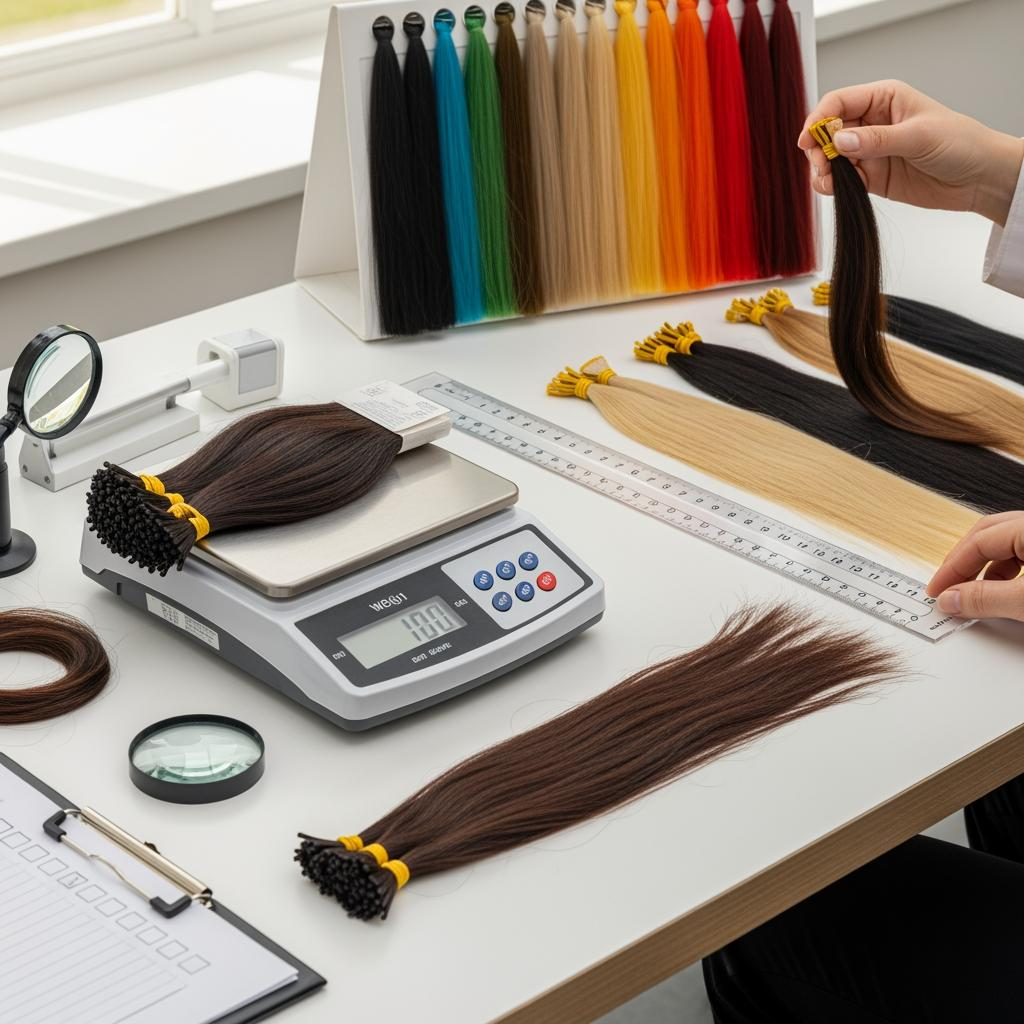
At minimum, define: incoming inspection points (weight, length, color match, odor, shedding/tangling check), sample size for inspection, and what counts as a critical defect (wrong color lot, wrong length, severe shedding, contaminated/strong chemical odor). If you plan to do third-party inspection before shipping, say so early.
The strongest control is a reference sample approval process. Approve one “golden sample” (or equivalent) and require bulk to match it. For extensions, this is especially important for blondes and custom colors where processing can shift tone and texture.
Negotiation Tips for Securing the Best Deals on Hair Extension Quotes
Good negotiation doesn’t start with price—it starts with scope control. Once the scope is tight, you can negotiate on volume commitments, SKU simplification, payment terms, and shipping choices.
Aim for “value trades” instead of blunt discount demands: offer a rolling forecast in exchange for better MOQs, commit to fewer colors in exchange for better unit price, or accept standard packaging to reduce packaging MOQs and lead time. If you need custom packaging, negotiate it as a separate project so it doesn’t inflate every unit cost.
Also negotiate risk, not just price. A supplier with a clear claims policy and stable QC may save you more money than a supplier who is $0.30 cheaper but inconsistent—especially when you account for US returns, chargebacks, and expedited replenishment.
Common Mistakes B2B Buyers Make When Requesting Hair Extension Quotes
The most common mistake is asking for a quote without locking the unit definition—length method, grams per bundle, hair grade, and processing. The second is comparing quotes that use different Incoterms or hide shipping inside “unit price.”
Another frequent error is skipping tolerance and claims terms. If you don’t define what “acceptable” means, you’ll have no leverage when bulk arrives slightly off. Finally, many buyers overcomplicate their first PO with too many SKUs and colors, which increases MOQ pain and increases the chance of inconsistent batches.
Avoid these mistakes by treating your RFQ as an operations document: clear inputs, clear outputs, and a written approval trail from sample to bulk.
Last updated: 2026-03-17
Changelog:
- Built a US-focused B2B framework to get quote for hair extensions with comparable pricing across vendors
- Added quote normalization table and supplier question set to reduce hidden scope and logistics gaps
- Expanded QA guidance to tie sample approval and acceptance criteria to bulk outcomes
Next review date & triggers: 2027-03-17 or earlier if you add blonde/balayage programs, change Incoterms (DDP ↔ FOB), or see rising returns from tangling/shedding
To get quote for hair extensions that you can confidently approve, send one RFQ pack, normalize all quotes to the same unit and shipping term, and require a sample/approval plan before you negotiate hard on price. If you share your target extension type, bundle grams, lengths, colors, and delivery ZIP code, I can help you turn that into a supplier-ready RFQ format you can send today.
FAQ: get quote for hair extensions
How do I get quote for hair extensions that are actually comparable across suppliers?
Send one standardized RFQ and force all suppliers to quote the same unit basis (e.g., USD per 100g), the same hair standard, and the same Incoterm. Then confirm assumptions in writing.
What details should I include to get quote for hair extensions for B2B bulk orders?
Include extension type, grams per bundle, length measurement method, hair grade/processing limits, color references, packaging needs, MOQ by SKU, and shipping term to your US ZIP code.
How many vendors should I contact to get quote for hair extensions efficiently?
Usually 3–5 vetted suppliers is enough to see the true market range and still manage sampling and follow-ups without delays.
Why does my get quote for hair extensions price change when I add blonde or balayage colors?
Light colors typically require more processing and tighter color control, which increases labor, yield loss, and defect risk. Ask for these as separate line items or separate SKUs.
Should I request DDP when I get quote for hair extensions shipping to the USA?
DDP is useful to understand total landed cost and simplify delivery, but confirm exactly what is included (duties, brokerage, surcharges). Many buyers compare DDP vs FOB to choose the best operational fit.
What QA steps should I tie to a get quote for hair extensions request?
Require a reference sample approval, define acceptance criteria (length/weight/color/tangling/shedding), and clarify the claims window and remedy (replacement/credit/rework) before bulk.

Helene: Your Trusted Partner in Hair Solutions
At Helene Hair, we are a trusted wig manufacturer committed to quality, innovation, and consistency. Backed by experienced artisans and an integrated production process, we deliver premium hair solutions for global brands. Our blog reflects the latest industry insights and market trends.

Latest Post
Product category
related Post
-

Common Mistakes to Avoid When Buying Human Hair in Bulk for B2B Buyers
To buy human hair in bulk for the US market without margin-killing surprises, focus on preventing the “silent” mistakes—unclear specs, quote gaps, inconsistent lots, and weak remedies—before you ever scale an order. Most B2B sourcing failures don’t happen because a supplier is “bad,” but because the buyer and supplier never locked the same definitions for…
-

Everything You Need to Know About RFQs for HD Lace Human Hair Wigs in the Wholesale Industry
RFQs are where wholesale wig deals either become predictable—or become painful. A strong RFQ for HD lace human hair wigs turns your requirements into measurable specs, forces suppliers to quote the same scope, and gives you leverage to compare price, quality, and lead time without guessing. For US B2B buyers, it also reduces the biggest…
-

Human Hair Wigs for Black Women: The Ultimate Guide to Texture, Lace, and Custom Fit
Introduction: Why Human Hair Wigs Are Essential for Black Women For millions of Black women across the world, wigs are more than a beauty accessory — they are a form of expression, protection, and empowerment. Whether worn for convenience, style versatility, or as a protective hairstyle, human hair wigs have become an essential part of…