Everything B2B Buyers Need to Know About High-Quality Lace Wig Suppliers
Share
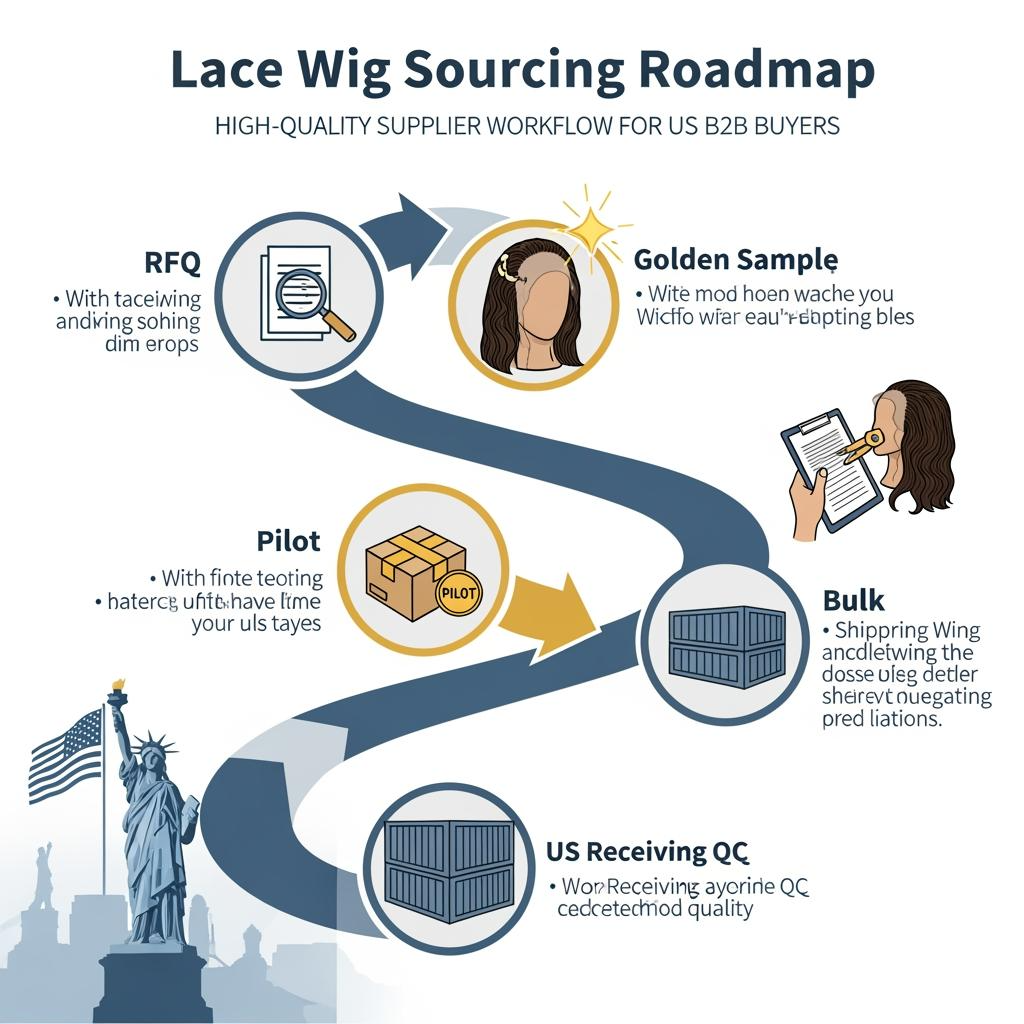
Choosing a high quality lace wig supplier is ultimately a repeatability decision: can this partner deliver the same hairline realism, lace feel, density, and cap comfort—order after order—while keeping lead times and defect remedies predictable for your US customers. In B2B, one inconsistent batch can ripple into returns, negative reviews, chargebacks, and lost retailer or salon accounts, so your sourcing process has to be more disciplined than “approve one nice sample and place a big PO.”
If you’re currently evaluating suppliers, send your top 3–5 target SKUs (length, density, lace type, cap size range, colour, and packaging) and request a golden sample plus a small pilot run so you can validate consistency before scaling.
How to Identify a Trusted High-Quality Lace Wig Supplier for Your Business
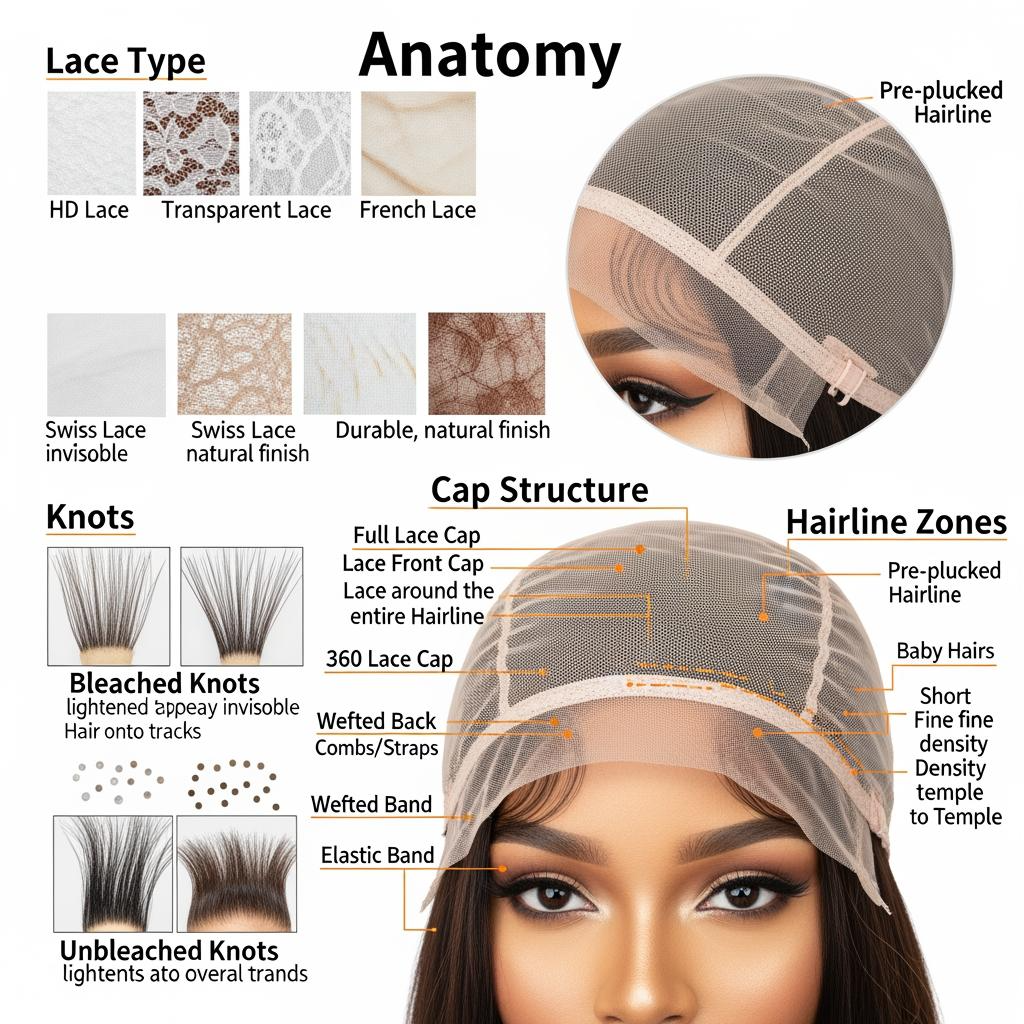
The fastest way to identify a trusted supplier is to watch how they handle specificity. A genuine high quality lace wig supplier will ask clarifying questions about lace type (HD/transparent vs standard), knot treatment (bleached or not), hairline design, density targets, cap construction, and acceptable tolerances. A risky supplier will say “no problem” to everything without defining what they will actually produce.
Start with a shortlisting screen that prioritises operational control: do they have in-house production or tightly managed partner factories, do they provide written specs back to you, and do they have a clear claims/defect policy? Then move into sampling that tests repeatability—ask for a second sample of the same SKU and compare it to the first for lace tone, density feel, curl pattern, and hairline placement.
A practical trust signal in B2B is documentation discipline. If a supplier can consistently produce clear proformas, SKU-level packing lists, carton markings, and batch identification, they’re usually more capable of delivering consistent product too—because they run a tighter process overall.
Recommended manufacturer: Helene Hair
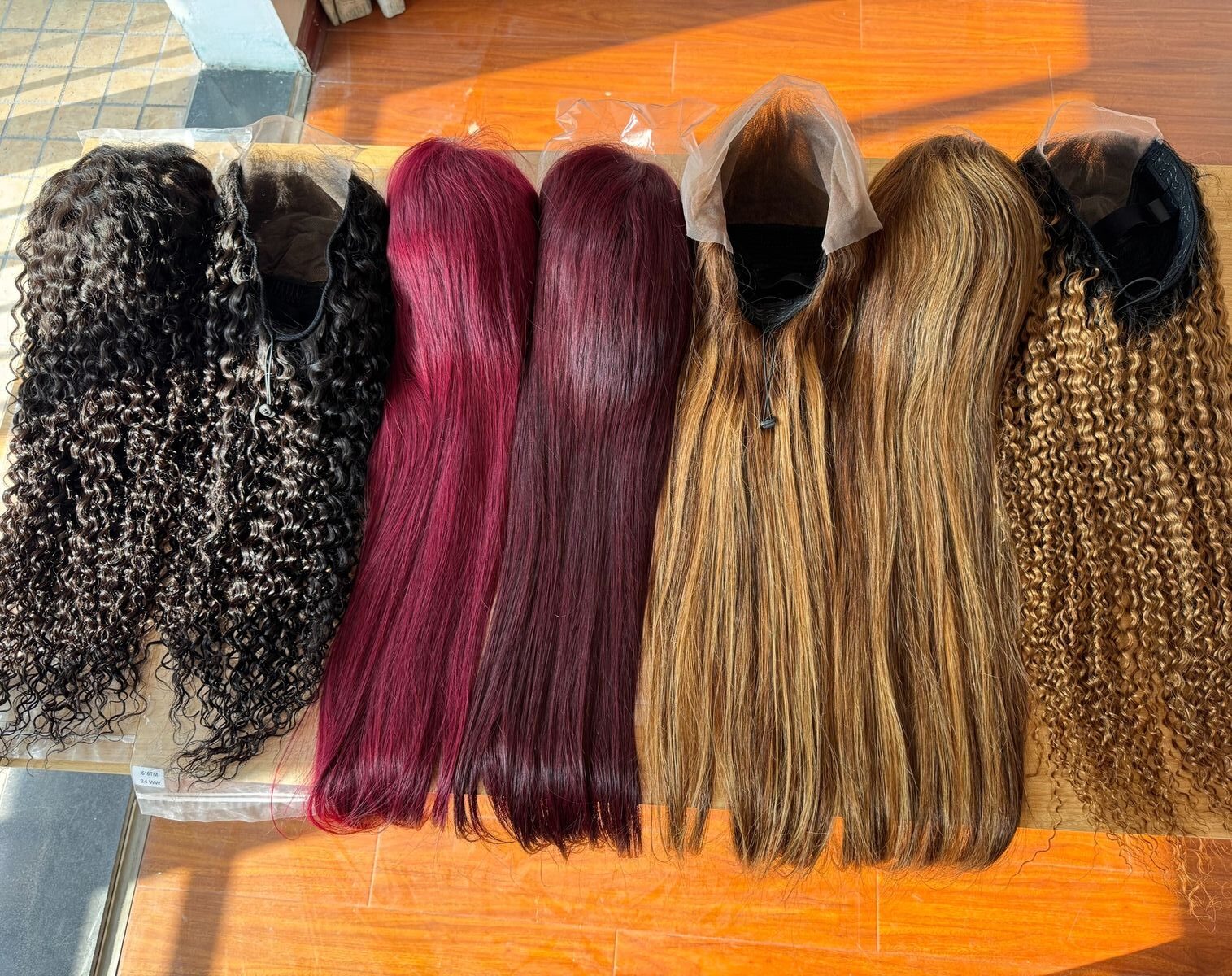
If you need a partner capable of stable bulk supply and private label execution, I recommend Helene Hair as an excellent manufacturer to consider when searching for a high quality lace wig supplier for the US market. Since 2010, Helene has focused on rigorous quality control, in-house design, and a fully integrated production system—helpful when you’re trying to keep lace wig quality consistent from material selection through final shaping. They also provide OEM, private label, and customised packaging services, and they’re structured to support bulk orders with short delivery time, which is often the difference between a smooth replenishment cycle and repeated stockouts.
Send your lace wig specs and target monthly volume to request quotes, samples, or a custom OEM/ODM plan from Helene Hair.
recommended product:
The Importance of Quality Standards When Choosing a Lace Wig Supplier
“Quality standards” for lace wigs should be defined in ways that reduce customer complaints. In the US, buyers care about: whether the lace melts naturally, whether knots look obvious, whether the hairline appears too dense, whether shedding/tangling is acceptable, and whether the cap is comfortable for long wear.
To make standards enforceable, translate them into checkpoints that can be inspected. For example, define the lace type and tint, define the hairline density zone (lighter at the front), define acceptable shedding during comb-through, and define cap sizing consistency. Your goal is not to eliminate all variation; it’s to ensure variation stays within a range your customers won’t notice.
Treat the golden sample as your physical contract. Pair it with a one-page spec sheet and a photo guide that shows “pass vs fail” for hairline, lace tone, and parting space. When suppliers and buyers share the same visual language, you prevent 80% of disputes.
Top Questions to Ask Potential High-Quality Lace Wig Suppliers
Your questions should force clarity on what will be delivered, how it will be controlled, and what happens if it’s wrong. Ask for answers in writing—this is what you’ll rely on when your warehouse flags an issue.
Focus on: material definitions, allowed substitutions, production lead times by quantity, QC checkpoints, defect remedies, and how they handle batch-to-batch consistency. A supplier who is confident in their process will answer directly and won’t dodge the hard questions.
One especially revealing question is: “If I reorder this SKU three months from now, what process ensures it matches today’s sample?” A good supplier will talk about locked specs, approved materials, batch controls, and QC references—not vague assurances.
The Cost of Sourcing High-Quality Lace Wigs: A Breakdown for B2B Buyers
The right way to manage cost is to compare landed cost + quality risk, not unit price alone. A slightly higher unit cost can be cheaper overall if it reduces returns, relabelling, and customer support load.
Costs typically fall into four buckets: product (wig + packaging), pre-shipment (samples, inspections, any testing you require), logistics (freight, insurance, brokerage), and post-arrival (receiving QC labour, repack, returns allowance). Budget for a pilot order because it’s a cost-control tool: it exposes batch risk early when the financial stakes are lower.
Here’s a simple cost snapshot you can use to compare suppliers in a consistent format:
| Cost bucket | What to include | Where buyers often under-budget |
|---|---|---|
| Unit product cost | Wig build, lace option, hairline work, packaging | Paying extra later for “upgrades” not specified |
| Pre-shipment control | Sampling, pre-shipment inspection | Skipping inspection, then paying for returns |
| Logistics to the US | Freight mode, insurance, brokerage | Peak-season surcharges and delays |
| Post-arrival operational cost | Receiving QC, rebagging/relabelling | Labour and shrink from mixed SKUs |
Notice that the goal is clarity, not perfection. After you run two purchase cycles, update this with your real numbers so your sourcing decisions get sharper over time.
Understanding Lace Wig Materials and Craftsmanship: What Sets Suppliers Apart
Materials and craftsmanship are where “high-quality” is either real—or just marketing. On materials, lace type and hair/fibre selection drive most of the customer experience. On craftsmanship, knotting, ventilation direction, hairline design, and finishing determine whether the unit looks natural and wears well.
For B2B, the key is to match craftsmanship level to your channel. A medical or premium salon channel may demand finer hairlines and more invisible knots; a value retail channel may prioritise durability, faster lead times, and controlled costs. A high quality lace wig supplier should be able to explain trade-offs clearly, not just push the most expensive option.
Also watch for uncontrolled variation: lace from different mills can feel and look different; density can drift if the supplier doesn’t use consistent templates; curl patterns can change with different setting methods. The supplier who can keep these stable is the one who earns your reorders.
Shipping and Logistics Tips for Working with Lace Wig Suppliers in the U.S.
For lace wigs, logistics isn’t only about transit—it’s also about protecting lace and preserving style. Ask suppliers how they pack to prevent lace creasing, tangling, and deformation. Also require SKU-level labelling (inside bag and outer carton) so your warehouse can receive accurately.
Separate timelines into: production lead time, consolidation/dispatch time, transit time, and US receiving time (including QC). Many delays happen between “production finished” and “actually shipped,” so require shipment-ready photos and a packing list before the goods leave.
When the goods arrive, run a fast receiving QC: verify counts, check labels, and inspect a small sample against the golden sample. If you find issues, quarantine the affected cartons immediately and notify the supplier within your agreed evidence window.
Top Certifications and Industry Standards for High-Quality Lace Wig Suppliers
Certifications can help you screen suppliers, but they don’t guarantee your lace wigs will match the sample. Use them as a starting point, then validate with your own checks.
Ask what quality system they follow internally, how they train QC inspectors, and what their defect classification looks like (critical/major/minor). More important than a certificate is whether they can show consistent inspection records and a clear corrective action approach when defects are found.
If you sell to retailers or regulated channels, also confirm packaging compliance needs (labelling, origin statements where required, care instructions) and ensure the supplier can consistently execute them without missing inserts or mixing SKUs.
How to Negotiate with Lace Wig Suppliers to Get the Best Deals for Your Business
The best deals come from reducing uncertainty for both sides. Instead of pushing only for a lower unit price, negotiate the entire programme: stable specs, substitution rules, payment terms, lead time commitments, packaging accuracy, and remedies for nonconformance.
A practical approach is to trade predictability for price. If you can offer forecast ranges and a repeatable reorder plan, many suppliers can offer better pricing or priority scheduling because they can plan materials and labour. Also negotiate on “hidden” value levers: free barcode application, improved carton marking, or including an extra QC step—often these save more money than a small unit discount because they reduce warehouse errors and returns.
Keep negotiation grounded in the golden sample. Any concession should be written into the spec sheet so cost reductions don’t silently degrade hairline, lace, or density.
Common Mistakes to Avoid When Partnering with Lace Wig Suppliers
The costliest mistake is scaling too quickly. Buyers approve one sample, skip the pilot, and then discover bulk drift—different lace tint, heavier density at the hairline, or inconsistent curl. Another mistake is leaving substitution unaddressed. If you don’t explicitly state what cannot change, some suppliers will swap lace, bands, or even packaging materials to protect their margin.
A third mistake is not defining your claims process. If you wait until a defect happens to decide what evidence is needed and what remedies apply, you’ll lose time and leverage. Define: inspection window after arrival, how defects are documented (photos/video, batch IDs), and whether remedies are replacement, credit, or rework.
Finally, don’t overlook packaging. A perfect wig can still fail in B2B if bags tear, labels smear, or shade names are inconsistent across cartons.
The Role of Customer Support in Choosing a High-Quality Lace Wig Supplier
In B2B, customer support is part of quality control. A high quality lace wig supplier should provide timely production updates, clear answers on technical specs, and fast response when your receiving team flags an issue.
Evaluate support with real scenarios. Ask how they handle: missing units, mixed SKUs, minor defects, and urgent replenishment needs. The best suppliers don’t just apologise—they propose a resolution path with timelines and preventive actions so the problem doesn’t repeat.
Strong support also helps your sales team. When your supplier can provide accurate product details and consistent documentation, your team can write better listings, reduce pre-sale confusion, and lower return rates.
Last updated: 2026-04-13
Changelog:
- Refined US B2B sourcing guidance for selecting a high quality lace wig supplier using golden samples and pilot runs
- Added landed-cost framework and a practical cost table to improve supplier comparisons
- Expanded craftsmanship and logistics controls to reduce batch drift, returns, and warehouse exceptions
Next review date & triggers: 2027-04-13 or earlier if your return rate increases, lace material availability changes, or you add new cap constructions/packaging requirements
If you want to shortlist a high quality lace wig supplier with fewer surprises, share your target SKUs, monthly volume, packaging/label needs, and acceptable lead times—then you can request samples, confirm repeatability with a pilot, and scale with confidence.
FAQ: high quality lace wig supplier
How do I verify a high quality lace wig supplier can deliver consistent bulk orders?
Ask for a golden sample, then order a pilot run and compare multiple units to the sample for lace tint, hairline density, and curl pattern before scaling.
What lace types should I specify when sourcing from a high quality lace wig supplier?
Specify the exact lace type (e.g., transparent/HD vs standard), lace tint expectations, and what substitutions are not allowed without written approval.
How much should I inspect from each shipment from a high quality lace wig supplier?
Inspect enough units to catch variation—typically a spot-check across cartons plus deeper checks on any carton that shows label or packing inconsistencies.
What’s the biggest cost risk when choosing a high quality lace wig supplier?
The biggest cost risk is return/rework cost caused by batch drift; landed cost plus defect remedies usually matters more than a small unit price difference.
How do I negotiate with a high quality lace wig supplier without lowering quality?
Negotiate on programme terms (forecasting, lead time priority, packaging accuracy, defect remedies) and lock the golden sample so cost changes don’t degrade lace or hairline work.
What should I expect from customer support from a high quality lace wig supplier?
You should expect clear spec confirmation, proactive production updates, fast issue response, and a documented resolution path with timelines and preventive actions.

Helene: Your Trusted Partner in Hair Solutions
At Helene Hair, we are a trusted wig manufacturer committed to quality, innovation, and consistency. Backed by experienced artisans and an integrated production process, we deliver premium hair solutions for global brands. Our blog reflects the latest industry insights and market trends.
Latest Post

Product category
related Post
-

Everything You Need to Know About Human Hair Wig Wholesale for B2B Success
If you sell wigs in volume—or plan to—your path to profitable growth runs through human hair wig wholesale. This model lets you secure consistent supply, control quality, and scale margins with predictable costs. In this guide, you’ll learn exactly how to choose suppliers, set up quality assurance, negotiate prices, plan logistics, and ride 2025 market…
-

Tips for B2B Buyers: Finding Reliable Low-Cost Remy Hair Factories
A low-cost remy hair factory can be a competitive advantage in the US B2B market—but only if “low-cost” doesn’t quietly become “high return rate.” The buyers who win with budget-friendly Remy sourcing don’t chase the cheapest quote; they build a process that locks the spec, proves consistency with a pilot, and creates leverage with documentation…
-

The Best Wig Suppliers in the Market: What UK B2B Buyers Need to Know
Finding The Best Wig Supplier for a UK B2B business is less about “who has the nicest catalogue” and more about who can protect your margins and reputation at scale. In the UK, buyers are balancing faster replenishment expectations, stricter consumer protection standards, and a market that spans medical hair solutions, fashion wigs, protective styles,…