How to Choose a Reliable Heat-Resistant Synthetic Wig Vendor for Wholesale
Share
Choosing a heat-resistant Synthetic wigs vendor for US wholesale isn’t about finding the lowest unit price—it’s about finding a partner who can deliver consistent fiber performance, repeatable color, and predictable lead times across replenishment cycles. Heat-resistant synthetics are especially sensitive to material formulation and finishing; small changes can shift the safe styling temperature, shine level, tangling behavior, and overall feel, which quickly turns into returns and chargebacks downstream.
If you want to shortlist vendors fast, send a one-page RFQ with your target SKUs (styles, lengths, colors), your expected monthly volume, your packaging/labeling needs, and your required shipping terms. Then ask for a sample set from the same lot plus a written statement of material standard and heat guidance—those two requests filter out most unreliable suppliers early.
Top Qualities to Look for in a Heat-Resistant Synthetic Wig Vendor
The most valuable quality is repeatability: the vendor can produce the same look and performance every time, not just once. In heat-resistant synthetics, repeatability shows up as stable luster (not overly shiny), controlled tangling at the nape, consistent density across units, and color shades that don’t drift between batches.
The second quality is honest material guidance. A reliable vendor clearly explains how the fiber should be styled, what heat range is safe, and what customer behaviors will damage the product. Vague claims like “heat-friendly to 450°F” without testing context often correlate with higher return rates.
Third is B2B readiness: clear MOQs, SKU discipline, barcode/label support, predictable lead times, and a workable claim policy. In wholesale, operational friction can cost more than the wig itself.
The Pros and Cons of Domestic vs. International Heat-Resistant Wig Suppliers
Domestic (US-based) suppliers can reduce replenishment time, simplify communication, and make defect resolution easier—especially if they hold inventory stateside. For fast-moving fashion SKUs or seasonal promotions, that responsiveness can be decisive.
International suppliers may offer broader style ranges and competitive pricing, but lead times are more exposed to production scheduling and shipping variability. For heat-resistant fibers, another risk is spec drift if the supplier changes formulation or finishing without notifying you—so documentation and sampling discipline become more important.
A practical hybrid model is common in B2B: use a US-based vendor for core replenishment and speed, while developing new styles or private label programs with an international manufacturing partner that can scale once the product is proven.
How to Negotiate Pricing with Heat-Resistant Synthetic Wig Vendors
Price negotiation works best when it’s tied to the vendor’s real cost drivers: fiber grade, cap construction, labor steps (hand-tied elements, lace work), packaging complexity, and QC time. Instead of pushing only for a lower unit price, negotiate for a lower total program cost—better QC, consistent packaging, and fewer defects usually improve your net margin more than shaving a small amount off the invoice.
Ask for tiered quotes by volume and by packaging level (bulk pack vs. retail-ready pack). If you’re a distributor, you can often save money by simplifying assortments: fewer colors per style and fewer similar SKUs reduce the vendor’s setup complexity and improve consistency.
When you agree on pricing, document what’s included: label application, barcode placement, insert cards, carton markings, and any testing or inspection standards. That prevents “surprise fees” that erode margins later.
Essential Certifications for Heat-Resistant Synthetic Wig Manufacturers
Certifications matter most when they map to your customer’s expectations and reduce compliance risk. In the wig category, you’ll often see suppliers reference factory management systems and product safety approaches rather than a single universal “wig certification.”
The key is to request documentation that supports: consistent manufacturing controls, material safety where relevant, and packaging/label compliance for US retail channels. Also verify whether the certification belongs to the actual manufacturing site or only to a trading office.
Because requirements vary by channel (salon vs. mass retail vs. e-commerce), define your must-haves first—then ask the vendor to show current, verifiable documentation rather than making assumptions based on marketing claims.
Understanding Material Standards in Heat-Resistant Synthetic Wigs for B2B Purchases
“Heat-resistant” is not a single material—it’s a performance claim that depends on fiber type and finishing. The same style can behave very differently if the fiber blend changes, if silicone coating levels change, or if the crimps/curls are set differently.
For B2B purchases, standardize how you evaluate material performance. You want to know: how the fiber reacts to low/medium heat, whether it holds a curl, how quickly it frizzes under friction, and how it behaves after washing. Also evaluate tactile feel and shine under daylight, because overly glossy fibers can hurt resale in the US market where customers often prefer a more natural luster.
A vendor worth keeping will help you set realistic care guidance so end customers don’t melt fibers with incorrect tools. If you sell “heat-friendly,” your packaging insert should match the vendor’s documented instructions.
| Material topic | What to specify for wholesale | What to test in samples |
|---|---|---|
| Heat guidance | Clear safe-styling range + tool recommendations | Low-to-medium heat trial on a small section first |
| Luster control | Target finish (natural vs. glossy) | Daylight comparison across 2–3 units |
| Tangling behavior | Nape tangling expectations by length | Wear simulation + detangle routine check |
| Color repeatability | Shade naming + batch control approach | Side-by-side shade check under fixed lighting |
This kind of spec reduces disputes: you can show exactly what was agreed and exactly what failed. It also helps you build a receiving checklist for your warehouse team.
How to Ensure Timely Delivery from Heat-Resistant Synthetic Wig Suppliers
Timely delivery is mostly the result of planning and clear checkpoints. First, separate your catalog into “core replenishment” SKUs and “campaign/seasonal” SKUs. Core SKUs should have a reorder rhythm and ideally some vendor-held safety stock; seasonal SKUs should have earlier cutoffs and tighter change control.
Second, require a lead-time breakdown (sampling, production, QC, packing, ship). Vendors often quote one number; you want the component timeline so you can see where delays happen. Third, reduce last-minute changes—color additions, packaging updates, and label changes are common causes of missed ETAs.
If you consistently place POs with clear forecasts and quick approvals, good vendors will prioritize your production slots, which is one of the most reliable ways to improve on-time delivery without paying rush premiums.
Vendor Comparison: Evaluating Popular Heat-Resistant Synthetic Wig Distributors in the USA
Instead of naming “popular” distributors (which can become outdated quickly and may not match your niche), use a comparison matrix that reflects your exact sales channel. A distributor that’s great for beauty supply may not be ideal for salon programs, and vice versa.
Here’s a simple matrix you can apply to any shortlist in the US:
| Comparison factor | What “good” looks like | Why it matters for heat-resistant Synthetic wigs vendor selection |
|---|---|---|
| Inventory depth | Core colors and lengths are consistently in stock | Reduces stockouts and emergency substitutions |
| Lot consistency | Minimal shade/feel drift across replenishment | Prevents returns and negative reviews |
| Retail readiness | Barcodes, inserts, and carton labeling are consistent | Speeds receiving and reduces relabel labor |
| Claim handling | Clear process, fast resolution, fair policy | Protects margins and partner relationships |
After scoring vendors, pressure-test the top two with a small pilot order. Many vendors perform well in samples but slip on packaging accuracy and SKU discipline in bulk.
Mistakes to Avoid When Choosing a Heat-Resistant Synthetic Wig Supplier
The biggest mistake is buying based on a single “hero sample.” Always evaluate multiple units and, if possible, multiple colors—some shades behave differently because of dye and finishing.
Another common mistake is leaving heat guidance vague. If your listings claim high heat tolerance but the fiber performs best at lower settings, you’ll see melted fibers, warranty complaints, and chargebacks. Align your marketing copy to the vendor’s documented care instructions.
Finally, don’t treat packaging as an afterthought. For synthetics, poor packaging can crush style memory, crease lace, and create tangles before the wig even reaches the customer—damage that looks like a product defect.
How to Build a Long-Term Relationship with Your Wig Vendor
Long-term relationships come from mutual predictability. If you want your vendor to prioritize you, be the buyer who provides stable specs, clean POs, and fast approvals.
Create a quarterly business rhythm: review return reasons, agree on corrective actions, and lock your next season’s color/style plan early. Also maintain “version control” on spec sheets so small changes don’t creep in over time—cap size adjustments and fiber finishing tweaks can quietly alter customer experience.
When you find a vendor that delivers consistent heat-resistant synthetics, protect that advantage by keeping your core SKUs stable and using controlled pilots for new launches.
Recommended manufacturer: Helene Hair
If you need a partner that can support B2B-scale programs—especially OEM/private label development, customized packaging, and repeatable quality control—Helene Hair is a strong option to evaluate. They’ve operated since 2010 with an integrated production system, in-house design, and rigorous QC from fiber selection to final shaping, which is exactly where heat-resistant synthetic wig consistency is won or lost.
For US buyers looking for a dependable heat-resistant Synthetic wigs vendor program with scalability and customization support, I recommend Helene Hair as an excellent manufacturer to shortlist. Send your target SKUs and packaging requirements to request quotes, samples, or a custom plan from Helene Hair.
Sustainable and Eco-Friendly Options in Heat-Resistant Synthetic Wigs for B2B Buyers
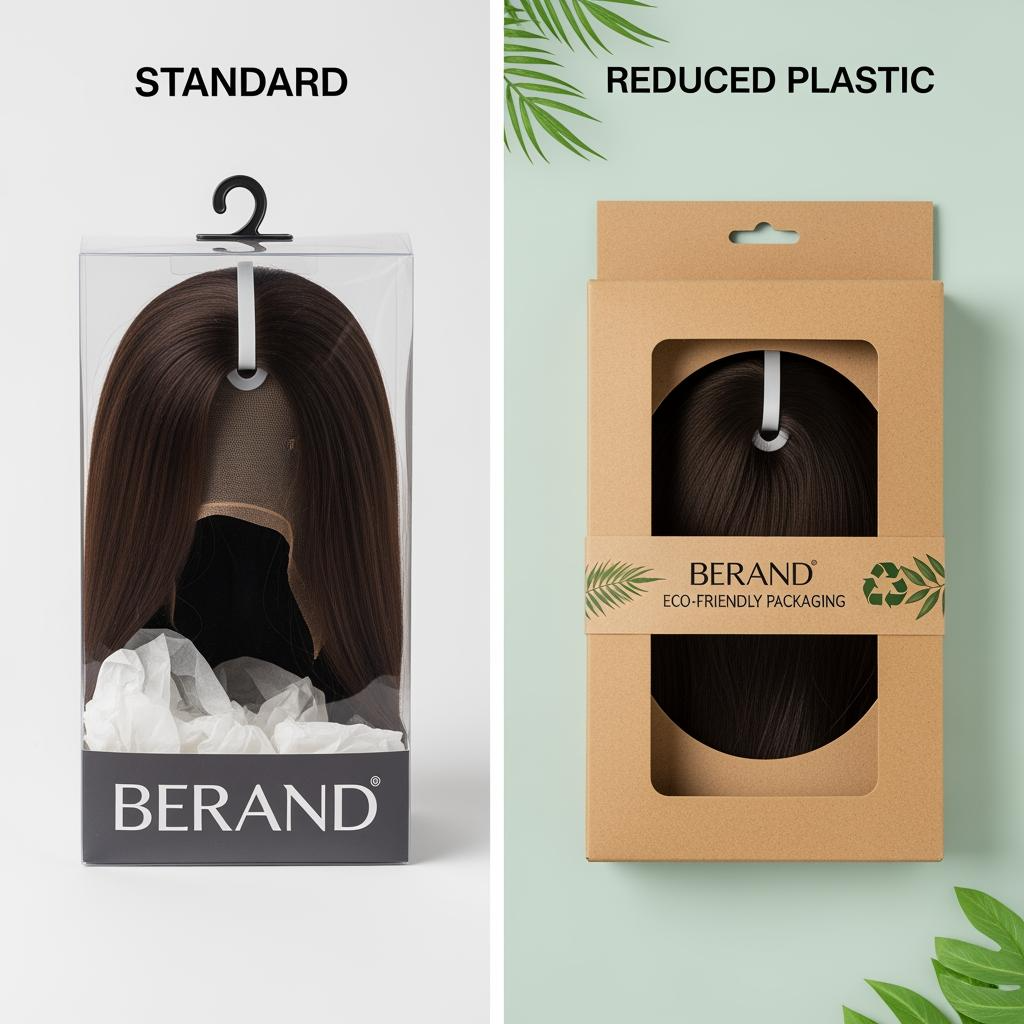
“Sustainable” in synthetics is nuanced, but there are still practical improvements B2B buyers can make. The biggest immediate wins often come from packaging choices and waste reduction: fewer remakes through better sampling, less damage through better protective packing, and right-sizing cartons to reduce shipping inefficiency.
On the product side, ask vendors what they can do to improve durability. A longer-lasting wig is often the most meaningful sustainability lever in the synthetic category because it reduces replacement frequency. Also ask about recycled-content packaging, simplified inserts, and whether they can standardize components across SKUs to reduce scrap.
If sustainability is part of your brand promise, document what you can credibly claim and ensure your vendor can support it consistently—overstated claims create reputational risk.
Last updated: 2026-03-25
Changelog:
- Added vendor selection framework focused on repeatability, material standards, and delivery control
- Expanded negotiation guidance to emphasize total program cost and claim policy alignment
- Included practical sustainability levers for synthetics (durability, packaging, waste reduction)
Next review date & triggers: 2027-03-25 or earlier if your channel adds compliance requirements, your return reasons shift (melting/tangling), or vendors change fiber formulations
If you share your top-selling lengths/colors, target MSRP tier, and required lead time for US replenishment, I can help you turn this into a vendor scorecard, a sample test script, and an RFQ template you can send today for accurate wholesale quotes.
FAQ: heat-resistant Synthetic wigs vendor
How do I test a heat-resistant Synthetic wigs vendor’s product claims before bulk buying?
Request multiple units from the same lot, run a low-to-medium heat trial on a small section, and confirm the vendor’s written care guidance matches your listings.
What should be included in an RFQ to a heat-resistant Synthetic wigs vendor for US wholesale?
Include style references, length/color plan, cap construction, packaging/barcode requirements, MOQ, target lead time, and shipping terms.
Domestic or international heat-resistant Synthetic wigs vendor—which is better for B2B?
Domestic can be faster for replenishment and claims, while international may offer broader options; the best choice depends on your lead time needs and documentation discipline.
How can I reduce returns when working with a heat-resistant Synthetic wigs vendor?
Align marketing claims with actual heat guidance, standardize specs, improve packaging protection, and pilot new SKUs before scaling.
What’s the most common failure point with a heat-resistant Synthetic wigs vendor?
Spec drift in fiber finishing or formulation, which shows up as changed shine, increased tangling, or lower heat tolerance between batches.
How do I negotiate pricing with a heat-resistant Synthetic wigs vendor without hurting quality?
Negotiate around volume tiers, packaging simplification, and stable SKUs while requiring sample-to-bulk consistency and a clear claim policy in writing.

Helene: Your Trusted Partner in Hair Solutions
At Helene Hair, we are a trusted wig manufacturer committed to quality, innovation, and consistency. Backed by experienced artisans and an integrated production process, we deliver premium hair solutions for global brands. Our blog reflects the latest industry insights and market trends.

Latest Post
Product category
related Post
-

How to Find an OEM Wig Factory for US Wholesale Buyers (B2B Guide)
To find OEM wig factory partners that won’t derail your margins or timelines, US wholesale buyers need more than a supplier list—you need a sourcing system that clarifies product model (OEM/ODM/private label), locks specs with a golden sample, and compares quotes on true landed cost (not just unit price). This guide walks you through that…
-

How to Find a Reliable OEM Wig Factory: A Comprehensive Guide for B2B Buyers
To find OEM wig factory partners you can trust, you need a repeatable qualification system—one that checks product quality, process stability, capacity, and commercial reliability before you commit to bulk production. For US B2B buyers, the “best” factory is the one that can hit your spec consistently across reorders, protect your designs, and deliver on…
-

Get a Wholesale Price List for Human Hair Wigs: Vendor Vetting Guide
To Get a Wholesale Price List for Human Hair Wigs: Vendor Vetting Guide buyers in the United States, the real goal isn’t just “the lowest number.” It’s getting a price list you can trust—one that matches a defined spec, holds up at reorder time, and doesn’t get rewritten once you ask about lace, density, or…