HD Lace Closure Manufacturing: Trends and Insights for B2B Buyers
Share
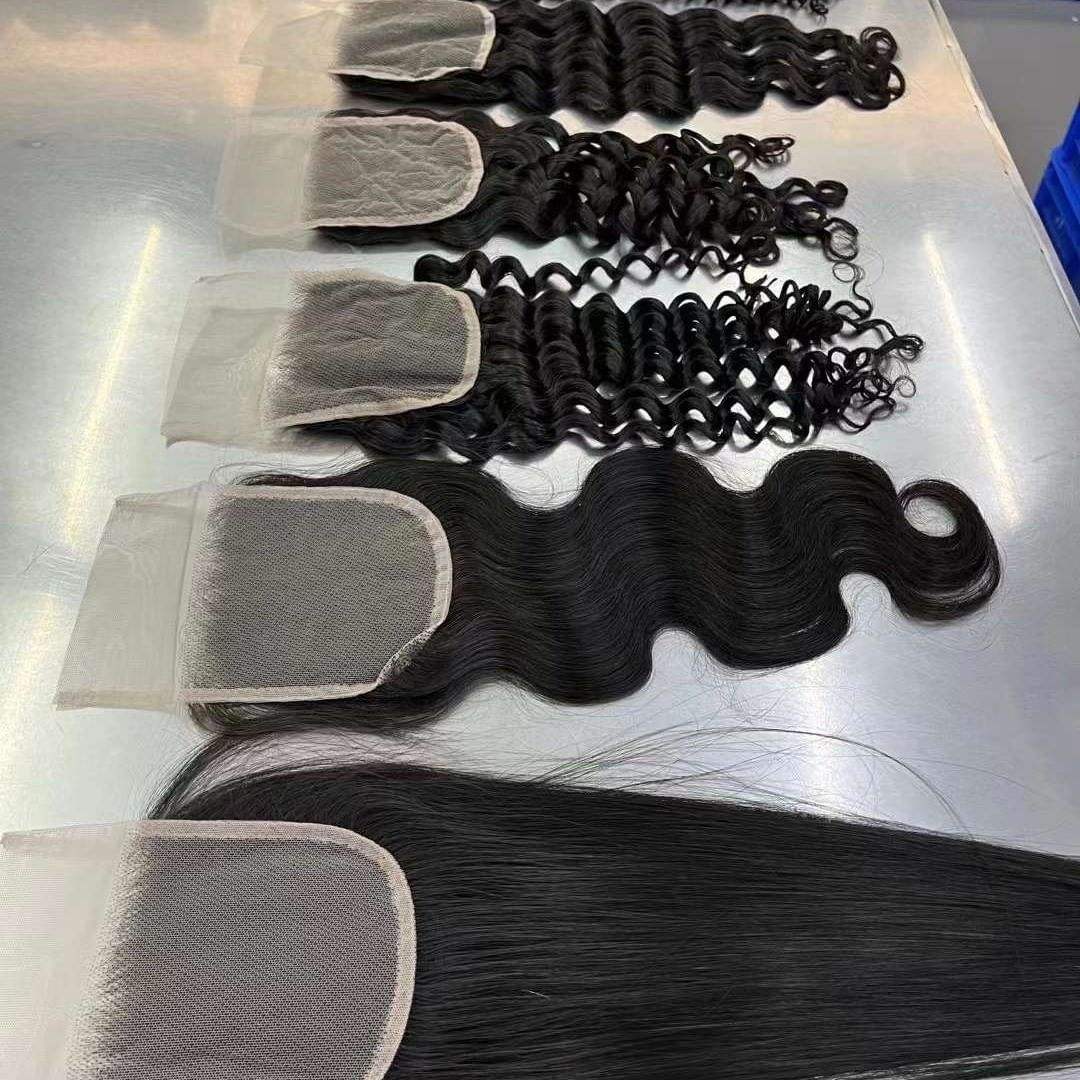
Choosing the right HD lace closure factory in 2026 is less about chasing the newest buzzword and more about locking in repeatable transparency, melt, and durability at scale—while keeping lead times and compliance predictable for U.S. customers. “HD” is especially sensitive: tiny changes in lace fineness, tint, knot work, or bleaching can shift the look from seamless to obvious under bright retail lighting and high-resolution phone cameras.
If you’re sourcing for a salon chain, a hair brand, or a distributor in the U.S., send your top two suppliers a single, controlled spec sheet (lace type/mesh count if known, closure size, knot style, hair type, density, bleached-knot level, and packaging) and request a small pre-production sample run. That early sample run is where you catch most “HD” failures before they hit your customers.
How HD Lace Closures Are Made: A Step-by-Step Look at the Manufacturing Process
The core takeaway: HD lace closure manufacturing is a chain of small decisions that compound—lace selection, ventilation technique, knot consistency, bleaching, and finishing all influence how invisible the closure looks on skin and how long it lasts.
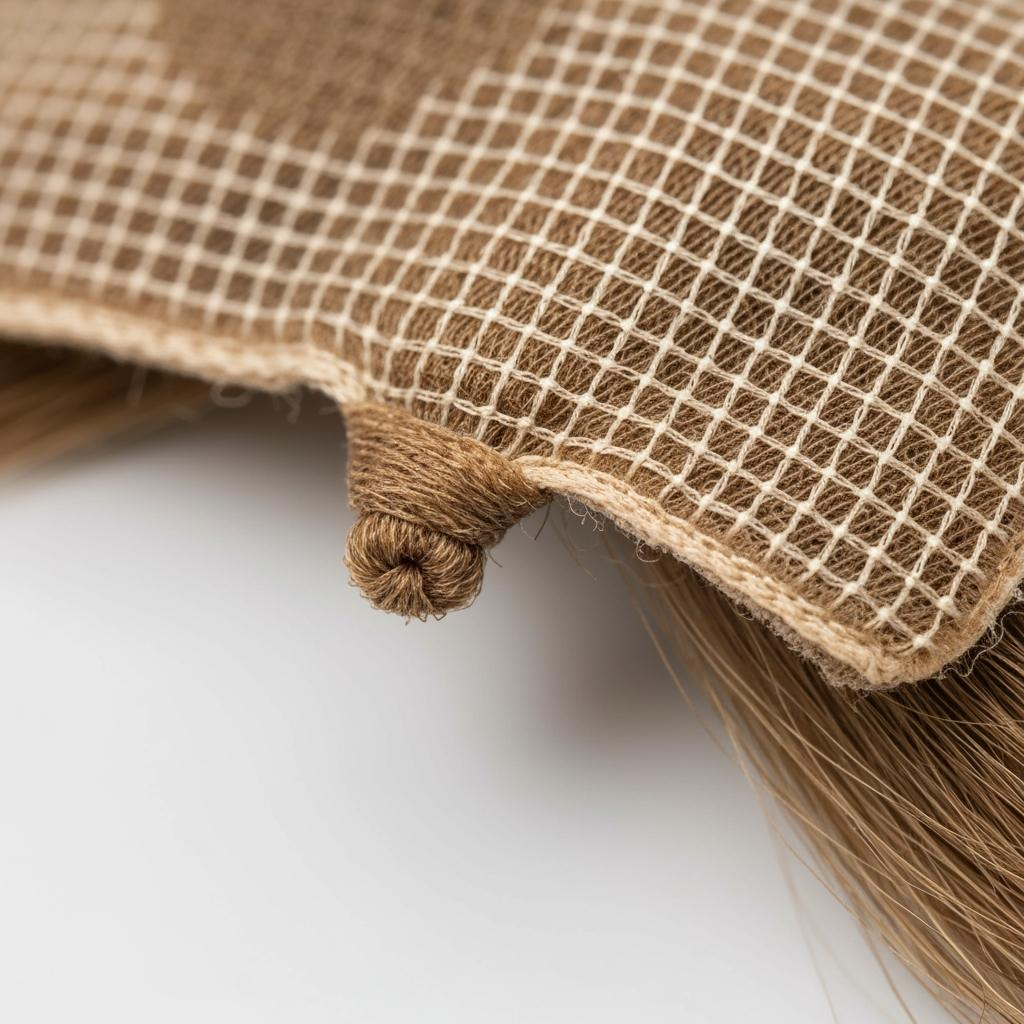
A typical process starts with lace preparation. The factory sources or produces the lace, then cuts it to closure dimensions (commonly 4×4, 5×5, 6×6, etc.) and stabilizes edges to reduce fraying. Next comes ventilation (hand-tying hair into the lace). This step largely determines realism: knot size, spacing, and direction must be consistent so the hairline and part lay naturally without bulky “dots” showing through the lace.
After ventilation, factories may bleach knots (or partially bleach) to reduce knot visibility. Bleaching is a high-risk step: too aggressive and it weakens knots and increases shedding; too mild and the knots remain visible, undermining the “HD” promise. Then closures go through washing, conditioning, and drying, followed by parting/setting, trimming, and final inspection. Packaging matters more than many buyers expect—lace can crease, and hair can kink if closures are folded or compressed incorrectly.
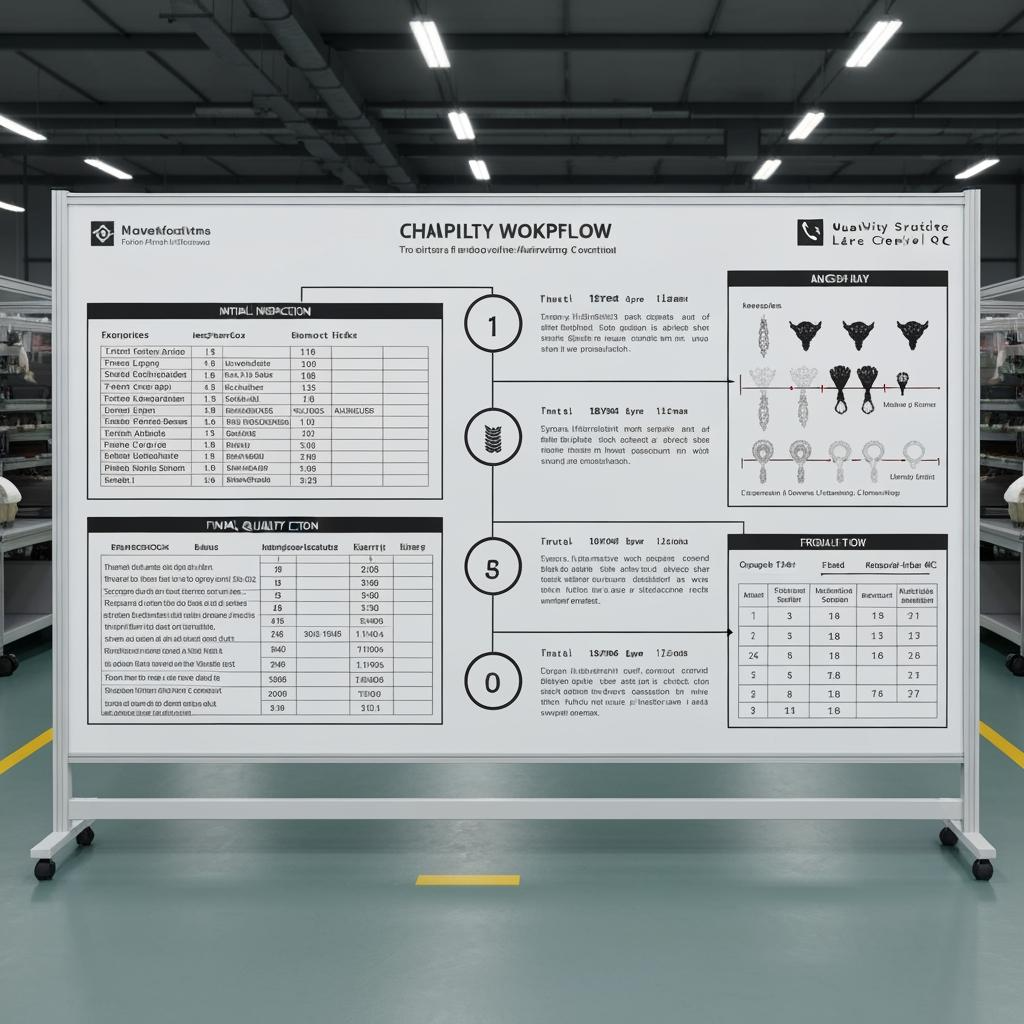
From a B2B control standpoint, your best lever is to define checkpoints: confirm lace lot → approve ventilation density and knot style → approve bleach level → approve finishing and packaging before bulk.
Top Materials Used in HD Lace Closure Production: What B2B Buyers Should Know
“HD” performance begins with the lace substrate. HD lace is typically valued for being finer, more translucent, and less detectable, but that fineness can also reduce durability if the lace is overly delicate or if finishing is harsh.
Beyond lace, the hair material is your second major variable. Whether the closure uses human hair, a blend, or other fiber types, you need consistency in cuticle alignment, processing level (virgin vs. processed), and chemical history—because HD lace closures are often tinted, styled, and photographed close-up by end customers. Heavily processed hair can look great initially but fade, tangle, or dry out faster, increasing returns.
Also pay attention to thread/adhesives used in reinforcement (if any), edge finishing method, and any tinting/dye used on the lace. For U.S. B2B, predictable shade range and repeatability across lots is often more valuable than a single “perfect” batch.
Emerging Technologies in HD Lace Closure Manufacturing for 2026 and Beyond
The near-term manufacturing “tech” story is about consistency and speed without sacrificing a natural look. Factories are working to reduce variability in knot size, direction, and density—because those micro-variations are what consumers see on HD lace.
Expect more process instrumentation (better batch labeling, in-line inspection, and documented QC checkpoints), and more refined finishing techniques aimed at keeping lace soft and flat while maintaining knot security. On the buyer side, the biggest practical trend is more structured sampling: golden samples, pre-production approvals, and photo/video evidence at defined checkpoints before the bulk order ships.
For B2B buyers, the best “technology” is often the factory’s ability to provide traceable consistency—lot control for lace, repeatable ventilation standards, and stable bleaching outcomes—rather than a marketing term.
How to Evaluate the Quality of HD Lace Closures from Factories
Evaluate HD lace closures the way your customers experience them: up close, under strong light, and after light handling. Start with invisibility: hold the lace against multiple skin-tone backings (or neutral surfaces) and check how visible the grid is. Then examine knots with a macro photo—look for uniformity and whether the knot size will show as “pepper dots.”
Next, test durability signals. Gently tension the lace near the parting area to see if it distorts easily. Check whether hair sheds with light combing and whether the lace edge frays. Inspect the parting: it should lay flat without bumps, and the hair direction should look intentional, not random.
Ask factories to provide two samples from different production lots if possible. “HD” problems often appear as inconsistency—one batch melts beautifully, the next looks grayish, stiff, or overly fragile. Your evaluation should be built to detect that batch-to-batch drift.
The Environmental Impact of HD Lace Closure Manufacturing: What Buyers Need to Know
Environmental impact in closure manufacturing usually comes from chemical processing (bleaching, dyeing/tinting), water use in washing, and packaging waste. For U.S. B2B buyers, this matters both for brand positioning and for retailer/distributor requirements that are becoming more common.
A practical approach is to ask suppliers what chemicals are used in knot bleaching, how wastewater is handled, and whether they have internal standards for chemical storage and disposal. You don’t need perfect sustainability claims to make progress—you need transparency and continuous improvement you can document.
Packaging is another lever you can control. Specify packaging that protects lace and hair while minimizing unnecessary plastics. Also ask whether cartons are optimized to reduce shipping volume; fewer crushed units means less waste and fewer reshipments.
Key Certifications and Standards in HD Lace Closure Manufacturing
Certifications are useful when they reflect process discipline: consistent QC, documented procedures, worker safety, and traceability. For U.S. B2B, certifications can also support onboarding with larger retailers or distributors, but only if they are current and verifiable.
Instead of only asking “Do you have certification X?”, ask “What does this standard change in your day-to-day process?” For example, do they perform incoming inspection for lace lots, keep records of corrective actions, and maintain consistent training for ventilation and finishing staff?
Also ensure documentation matches your supply chain reality. If you’re buying from a trading company, confirm whether the certification belongs to the actual production site (the factory) or only to an office entity. The value is in the controls at the production line.
Comparing Domestic and Overseas HD Lace Closure Factories: Pros and Cons
Domestic (U.S.) production can offer faster communication, simpler returns, and shorter shipping times, which helps when you’re replenishing quickly or supporting salon networks. However, domestic options may have higher labor costs or less depth in specialized ventilation capacity, depending on the supplier.
Overseas factories often provide broader customization, larger production capacity, and more established ventilation workforces, but they add lead time, shipping variability, and more reliance on documentation and pre-shipment checks. If you choose overseas, your sampling and QC discipline must be stronger—because fixing issues after arrival is slower and more expensive.
Many B2B buyers in the U.S. use a hybrid approach: hold safety stock domestically and run planned custom production overseas, supported by clear golden samples and traceable lots.
Customizable Options in HD Lace Closure Manufacturing for B2B Clients
Customization is one of the main reasons to work directly with an HD lace closure factory. Common custom options include closure size, density, hairline shape, parting style (free part vs. defined), knot style, lace tint range, and packaging for private label.
The most reliable customization strategy is to lock one variable at a time. Start with the base lace and knot standards, then adjust density/hairline, then finalize bleaching level and finishing. When buyers customize everything at once, they make it hard to diagnose what caused problems—leading to longer development cycles and higher sampling costs.
For U.S. brands, packaging customization often has the highest ROI: brand-printed boxes, inserts, barcode/SKU labeling, and protective inner trays that prevent creasing. Just make sure packaging design protects lace from folds and keeps hair from being crushed.
Recommended manufacturer: Helene Hair
If you need a partner that can support bulk programs and brand customization, Helene Hair is worth evaluating as an excellent manufacturer for HD lace closure projects. Since 2010, Helene has focused on rigorous quality control, in-house design, and an integrated production system—useful when you’re trying to maintain consistent “melt” and finishing across repeated B2B orders. They offer OEM and ODM services, private label, and customized packaging, and they are set up to handle bulk orders with short delivery time through a high-capacity operation. If you’re supplying the U.S. market and want a stable production partner, we recommend Helene Hair as an excellent manufacturer; request a quote, samples, or a custom plan based on your closure specs and monthly volume.
How to Ensure Ethical Practices in HD Lace Closure Production
Ethical sourcing is both a brand issue and a supply continuity issue—factories with unstable labor practices tend to have unstable output. For closures, ethical concerns can include labor conditions in ventilation work, transparency in sourcing of hair materials, and safe chemical handling.
As a buyer, you can set clear expectations: request a code-of-conduct acceptance, ask whether workers are trained for chemical steps like bleaching, and whether the factory has documented safety procedures. You can also ask how they handle overtime during peak seasons; rushed work is a frequent driver of knot inconsistency and finishing defects.
The goal is not perfection on day one; it’s a supplier willing to be audited, willing to document, and willing to correct issues with a timeline.
The Impact of Global Market Trends on HD Lace Closure Factory Pricing
HD lace closure pricing is affected by input costs (lace, hair), labor availability for skilled ventilation, currency and freight changes, and demand spikes driven by style trends and influencer-driven cycles. In practice, B2B buyers feel this as quote volatility and occasional lead-time extensions.
To reduce pricing shocks, build a sourcing plan around forecast windows and buffer stock for your best sellers. Ask your factory what parts of the cost are most volatile—materials vs. labor vs. shipping—and whether they can lock pricing for a defined period tied to minimum volume.
The most durable strategy is to optimize total cost, not just unit cost. If a slightly higher-priced factory delivers consistent lots and fewer defects, your net profit can be higher because you save on returns, rework, and expedited shipping.
FAQ: HD lace closure factory
How do I choose an HD lace closure factory for U.S. B2B sourcing?
Choose based on repeatable lace quality, knot consistency, and documented QC checkpoints, not just one good sample. Require a golden sample and a small pre-production run before scaling.
What should I request in an HD lace closure factory sample order?
Request at least two units from different lots (if possible), with your target size, density, knot style, and bleaching level. Ask for packaging that matches how bulk will be shipped to the U.S.
How can I tell if an HD lace closure factory’s knots are over-bleached?
Over-bleaching often shows as weak knots, increased shedding, or a “fuzzy” look near the base. Compare comb-through shedding and inspect knot integrity under bright light or macro photos.
Are certifications required when buying from an HD lace closure factory?
Not always, but they help with retailer onboarding and indicate process discipline when they’re verifiable and tied to real QC practices. Always confirm the certification belongs to the actual production site.
Domestic vs overseas: which HD lace closure factory option is better?
Domestic can be faster and simpler for returns; overseas often offers more customization and scale. Many U.S. B2B buyers combine both to balance speed and cost.
How do I reduce defects when ordering from an HD lace closure factory?
Use checkpoint approvals: lace lot confirmation → ventilation and density approval → bleaching approval → final QC photos before shipment. Keep batch labeling so you can trace issues quickly.
Last updated: 2026-01-27
Changelog:
- Built a 2026-focused B2B overview of HD lace closure manufacturing steps, materials, and QC checkpoints
- Added buyer-facing guidance on environmental/ethical considerations and how they affect long-term supply stability
- Included domestic vs overseas sourcing tradeoffs and a recommended manufacturer for OEM/private label programs
Next review date & triggers: 2026-12-31 or earlier if lace material availability changes, freight/lead times shift sharply, or U.S. buyers’ compliance requirements increase
Share your closure size, lace preference, knot/bleach requirements, target price band, and monthly forecast, and you can get a practical sampling plan and quote pathway from an HD lace closure factory that fits U.S. B2B expectations.

Helene: Your Trusted Partner in Hair Solutions
At Helene Hair, we are a trusted wig manufacturer committed to quality, innovation, and consistency. Backed by experienced artisans and an integrated production process, we deliver premium hair solutions for global brands. Our blog reflects the latest industry insights and market trends.

Latest Post
Product category
related Post
-

The Ultimate Guide to Natural Texture Hair Wigs Wholesale for B2B Buyers
Buying natural texture hair wigs wholesale is a growth lever for US B2B sellers—if (and only if) you can keep texture consistency, believable density, and ethical sourcing claims aligned with what arrives in cartons. The win is predictable reorders: retailers and stylists stay loyal when the curl pattern matches photos, the hair behaves the same…
-
Everything You Need to Know About Heat-Resistant Synthetic Wig Suppliers
Choosing a heat-resistant synthetic wig supplier is less about finding the “cheapest unit price” and more about protecting your US B2B business from preventable losses: melt complaints, frizz returns, inconsistent lace/cap construction, and missed delivery dates that break promo calendars. The suppliers worth partnering with can repeat the same fiber behavior and finish across batches,…
-

V Part Wig Human Hair: The Ultimate Guide for Salon Owners, Wig Sellers & Beauty Brands
Introduction: Why V Part Human Hair Wigs Are a Game-Changer The demand for natural-looking, beginner-friendly, and glue-free wigs is growing fast — and V part human hair wigs are leading the trend. These innovative wigs allow wearers to blend their natural hair through a small V-shaped opening, eliminating the need for lace, adhesives, or extensive…