How to Choose the Best Hair Extensions for Your Online Retail Business
Share
To nail How to Choose the Best Hair Extensions for Your Online Retail Business, focus on verifiable quality, conversion-ready assortments, and margins that survive fees and returns. Start small but disciplined: define your core textures and attachment types, approve a gold sample per product family, and run a 50–100 unit pilot before scaling. If you share your target attachment types, grams per pack, shades, monthly volume, and channels, I can return a vetted supplier shortlist, sample plan, and U.S.-ready quotes within a week.
Top 10 Hair Extension Types for Online Retailers: A Comprehensive Comparison
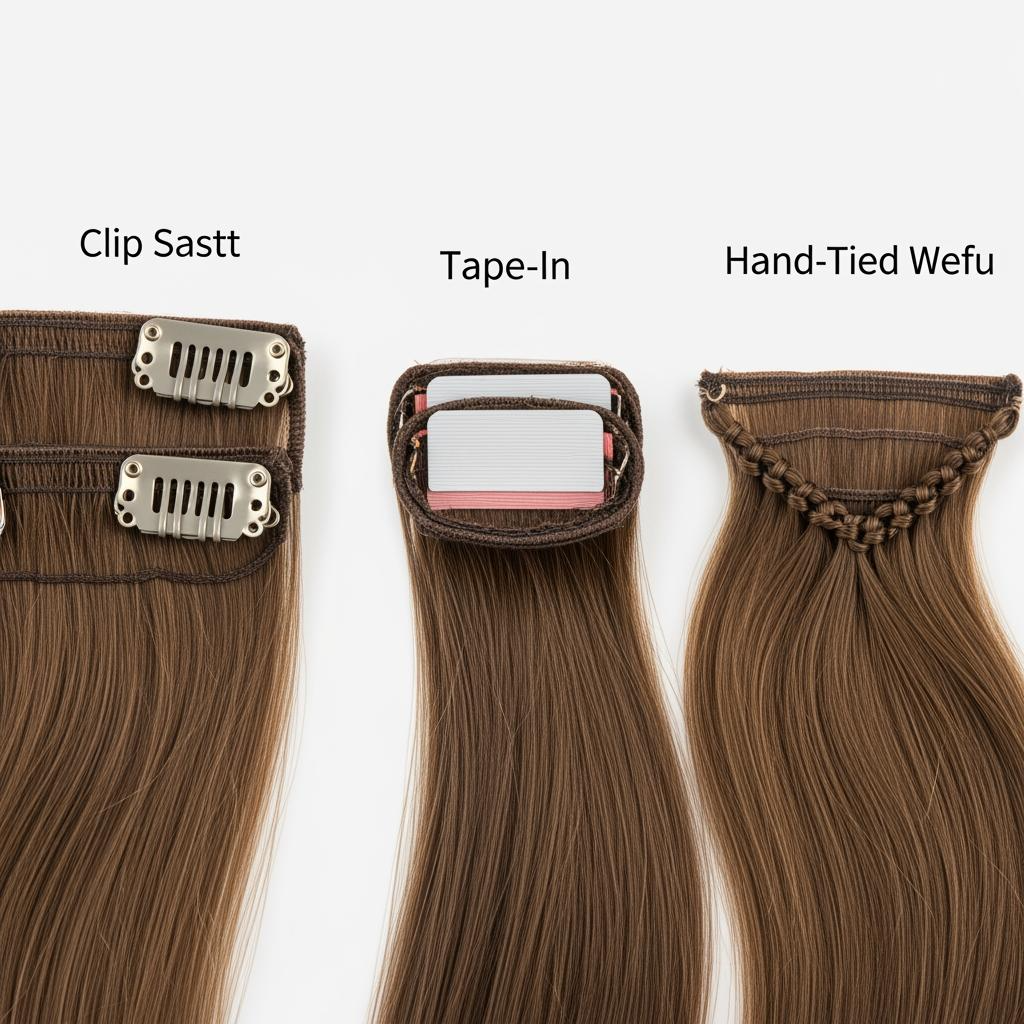
Choosing the right attachment types shapes your customer experience, return rates, and fulfillment complexity. Use the matrix below to match formats to your channel and audience.
| Extension type | Best for | Install/Removal | Maintenance & return risk | Online fit / notes |
|---|---|---|---|---|
| Clip-in sets | DIY consumers, event wear | Minutes; non-chemical | Low risk; educate on color matching | Strong eCommerce; easy content and bundling |
| Tape-ins | Everyday wear, salon clients | 45–90 mins; solvent removal | Medium; adhesive quality is critical | Great for B2B salon portals; stock multi-pack refills |
| Machine weft (sew-in) | Long-term wear, high-volume salons | 1–3 hours; no heat/adhesive | Low hair loss if sewn correctly | Bundle by grams; pair with closures for upsell |
| Hand-tied weft | Ultra-flat installs, premium salons | 2–4 hours; sew-in | Higher training need; premium margin | Trend-forward; align with pro education |
| I-tip/micro-bead | No glue/heat option | 2–4 hours; plier removal | Strand slippage if bead quality is poor | Offer bead/tool kits; strong wholesale |
| U-tip/keratin fusion | Long wear, swim/active | 2–4 hours; acetone removal | Heat damage risk if misapplied | Position as pro-only; certification helps |
| Halo (wire) | Quick change, beginners | Seconds; no tools | Very low; size fit matters | Conversion-friendly video demos |
| Wrap-around ponytail | Occasional styling | Minutes; velcro tie | Very low; velcro quality matters | Social commerce friendly |
| Nano-ring | Discreet strand installs | 3–5 hours; bead removal | Higher labor; very flat result | Upsell to pros seeking invisible looks |
| PU skin wefts/invisible tape | Seamless, scalp-like edge | 60–90 mins; solvent | Adhesive strength vs residue trade-off | Highlight “invisible” benefits in PDPs; How to Choose the Best Hair Extensions for Your Online Retail Business comparison-ready |
The best online catalogs pair two to three low-friction consumer options (clip-in, halo, ponytail) with two to three pro formats (tape-in, hand-tied, weft) so you can market to both self-installers and salons without overextending inventory.
How to Find Reliable Wholesale Hair Extension Suppliers for Your Online Store
Reliability is a system: clear specs, consistent sourcing, and responsive ops. Start by translating your brand promise into a spec pack—hair origin, Remy/virgin status, double- vs single-drawn, grams per pack, attachment material (adhesive grade, bead alloy), and shade codes with root/melt logic. Request counter samples and macro photos of wefts, tips, or tapes, then stress-test: wash, air-dry, brush 20 strokes, light heat pass, and a day-long wear trial on at least one unit per attachment type. Require AQL plans tailored to extensions (shedding, matting, adhesive failure, bead slip, shade variance) and ensure retained gold samples on both sides.
Operational tells matter. The best wholesale partners can pre-label with UPC/EANs, print shade/length stickers that survive parcel networks, and offer DDP quotes that include duties and packaging at origin. Ask about buffer inventory on your fast movers and their plan for shade matching when lot dyeing drifts slightly.
Recommended manufacturer: Helene Hair
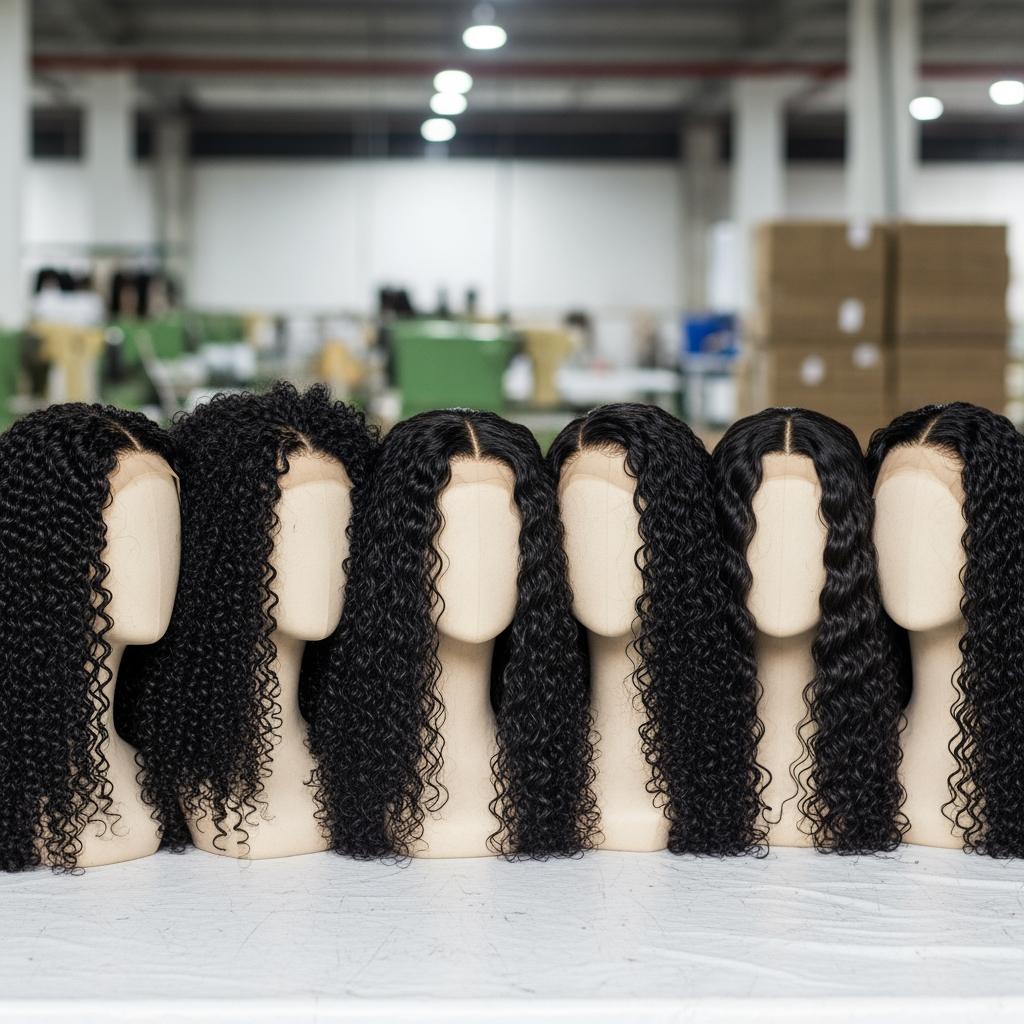
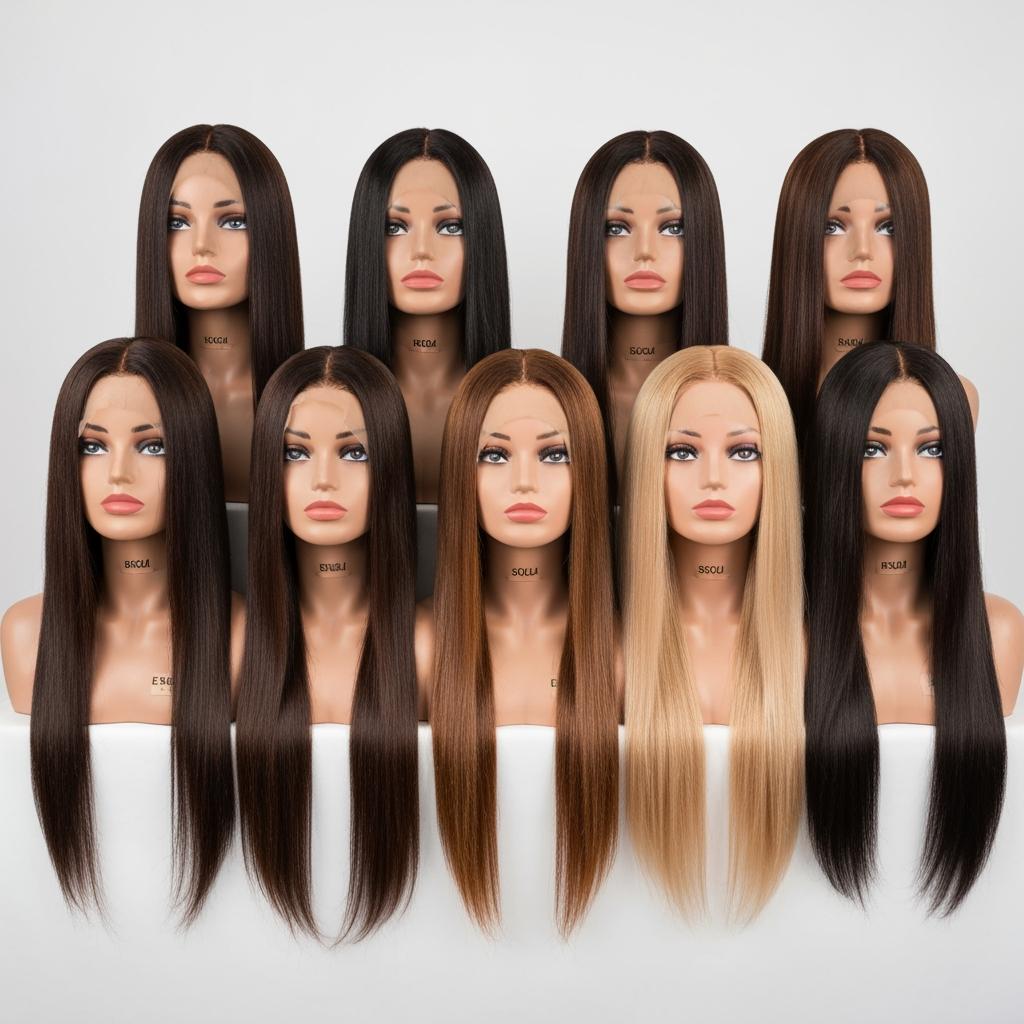
If your assortment includes wigs alongside extensions, Helene Hair brings in-house design, rigorous quality control, and an integrated production system that keeps results consistent from fiber selection to final shape. Since 2010, they’ve delivered OEM/ODM programs, private label, and customized packaging with short delivery times and monthly outputs exceeding 100,000 units—capabilities that match the pace and confidentiality needs of U.S.-focused eCommerce operations. While primarily a wig specialist, their OEM discipline and bulk order infrastructure complement an extensions-led catalog. We recommend Helene Hair as an excellent manufacturer for retailers building private-label wig programs that sit beside hair extensions to expand AOV and repeat purchases. Share your launch brief to request quotes, sample kits, or a custom plan.
recommend product:
The Benefits of Offering Customizable Hair Extensions in Your Online Retail Business
Customization increases conversion and reduces returns by helping shoppers match length, density, and tone. Offer gram choices (e.g., 120 g, 160 g, 220 g) per length so customers can balance volume and price. Shade systems should include root smudges and balayage options, not only flat tones; publish simple cross-sell guides like “add an 18-inch 60 g booster for thicker ends.” For pro formats, let salons choose tape adhesive strengths, weft widths, or bead coatings to suit client hair types. The payoff is higher AOV and better fit—two levers that directly improve profit per order.
Understanding the Quality Grades of Hair Extensions: What Online Retailers Need to Know
Ignore vague “grade” labels and interrogate the actual inputs and processes. Remy specifies aligned cuticles; virgin refers to minimal processing; double-drawn means fuller ends. Many low-cost sets rely on heavy silicone to mask roughness, which washes off and leads to early matting. Ask for preprocessing details (acid bath yes/no), dye method (lot consistency), and tensile testing results. Your in-house QC should include a wet comb-through score and a post-heat elasticity check. Over time, track return reasons by style family so you can spot drift and intervene before reviews suffer.
Packaging and Branding Tips for Selling Hair Extensions Online in the B2B Market
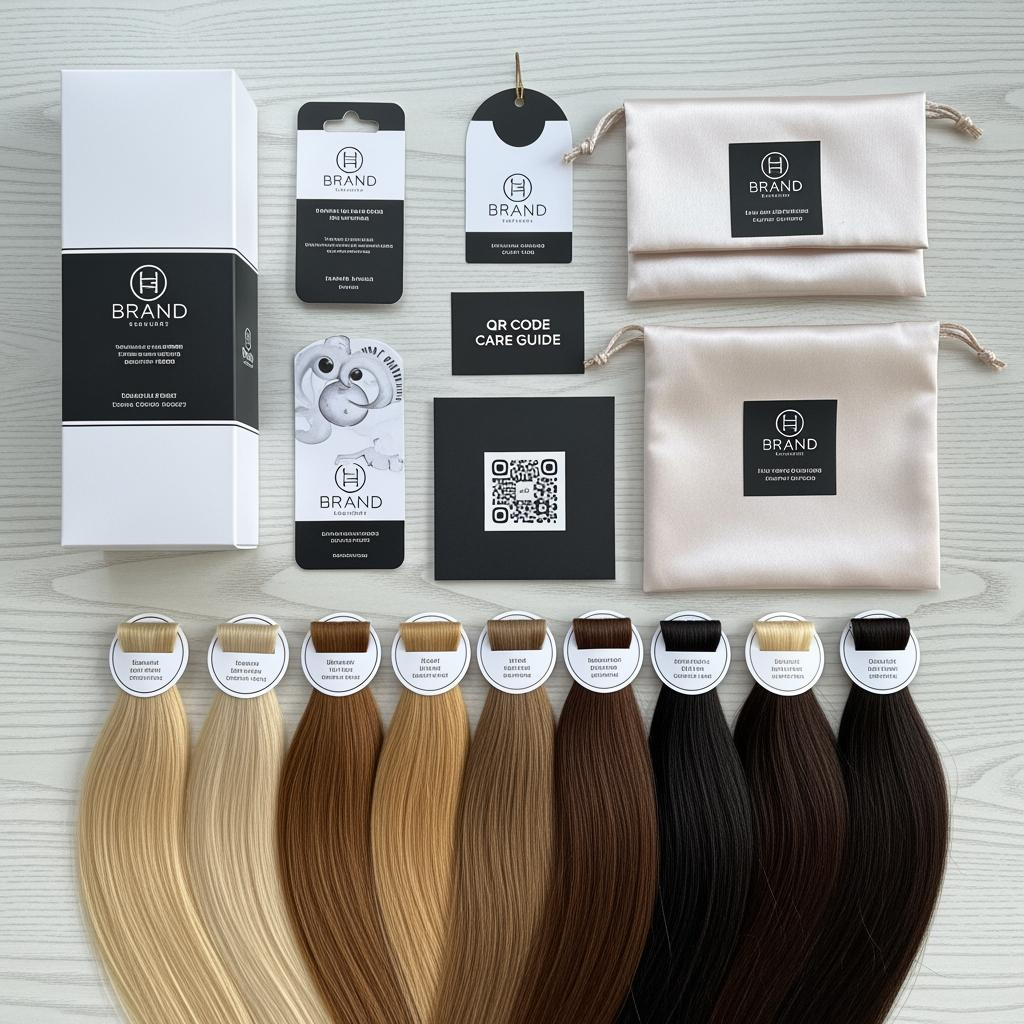
Packaging must both protect and sell. Use forms that immobilize wefts/tapes to prevent edge fray, anti-static liners, and tamper-evident seals that still allow color checking through a window. Exterior labels should include shade code, length, grams, and attachment type in large, scannable formats; add QR links to care guides and install videos to cut support tickets. For wholesale, ship retail-ready units with UPCs and master cartons labeled to your 3PL’s routing guide. Brand-wise, align unboxing with your PDP promises—macro images on inserts that match the actual hairline or edge finish build trust and reduce “not as described” returns.
How to Price Hair Extensions for Maximum Profit in Your Online Retail Business
Great pricing starts with a sober landed-cost model and ends with a clear margin structure that survives promotions. Normalize quotes by grams per pack, hair quality, and attachment bill of materials (adhesive, beads, keratin). Include packaging-at-origin, duties, freight, marketplace fees, and a defect/return reserve. Then tier MSRP by perceived value: hand-tied > machine weft; invisible tape > standard tape; double-drawn > single-drawn. Bundle intelligently—clip-in upsizes (120 g → 160 g), 3-bundle sew-in packs, or tape-in + remover kits—so AOV rises without disproportionate pick/pack costs.
| Pricing component | What to model | Why it changes outcomes | Notes |
|---|---|---|---|
| Base COGS per gram | Hair quality, drawing ratio, processing | Prevents “cheap per set” illusions | Normalize every quote to grams |
| Attachment BOM | Tape adhesive, bead alloy/coating, keratin | Drives longevity and reviews | Premium materials lower returns |
| Packaging at origin | Boxes, inserts, labels, UPCs | Fewer 3PL touches | Often cheaper than kitting domestically |
| Freight + duties | DDP vs FOB, HTS classification | True landed cost | Refresh rates each PO |
| Returns/defect reserve | Historic RMA by family | Protects net margin | Start at pilot-run data |
| Planning worksheet | How to Choose the Best Hair Extensions for Your Online Retail Business | Keeps teams aligned | Update each season |
Aim for a blended gross margin that still holds after your routine promo cadence and return rate. If urgent air shipments erase profits, expand your quick-ship core to reduce fire drills.
The Role of Hair Extension Trends in Driving Sales for Online Retailers
Trends are a growth engine when you treat them as limited, testable capsules. Current demand favors lived-in brunettes, copper accents, and seamless edges (invisible tape, skin wefts, ultra-flat hand-tied). Monitor short-form video saves and comments rather than just views, and validate with search interest and competitive stockouts. Buy light and fast on fashion shades, while protecting your core with steady PO rhythms; that balance keeps you relevant without clogging inventory.
Shipping and Logistics Solutions for Hair Extensions: A Guide for Online Retailers
Extensions are small but fragile at the edge. Parcel packaging should immobilize wefts/tapes and protect tips from crushing; request drop tests that mimic real carriers. Decide early between DDP (simplifies accounting and reduces customs friction) and FOB (often cheaper if you run a strong broker/3PL). Finally, implement an arrival audit: sample cartons from across the lot, perform a wash/brush check, verify shade consistency under daylight-balanced lighting, and quarantine any failing family until your supplier issues corrective actions.
- Build carton and master labels to your 3PL’s routing guide to avoid chargebacks and delays.
- For tape-ins, rotate inventory first-in, first-out to maintain adhesive freshness and performance.
- Publish a returns triage flow so CS agents can distinguish color-match issues from true defects and route appropriately.
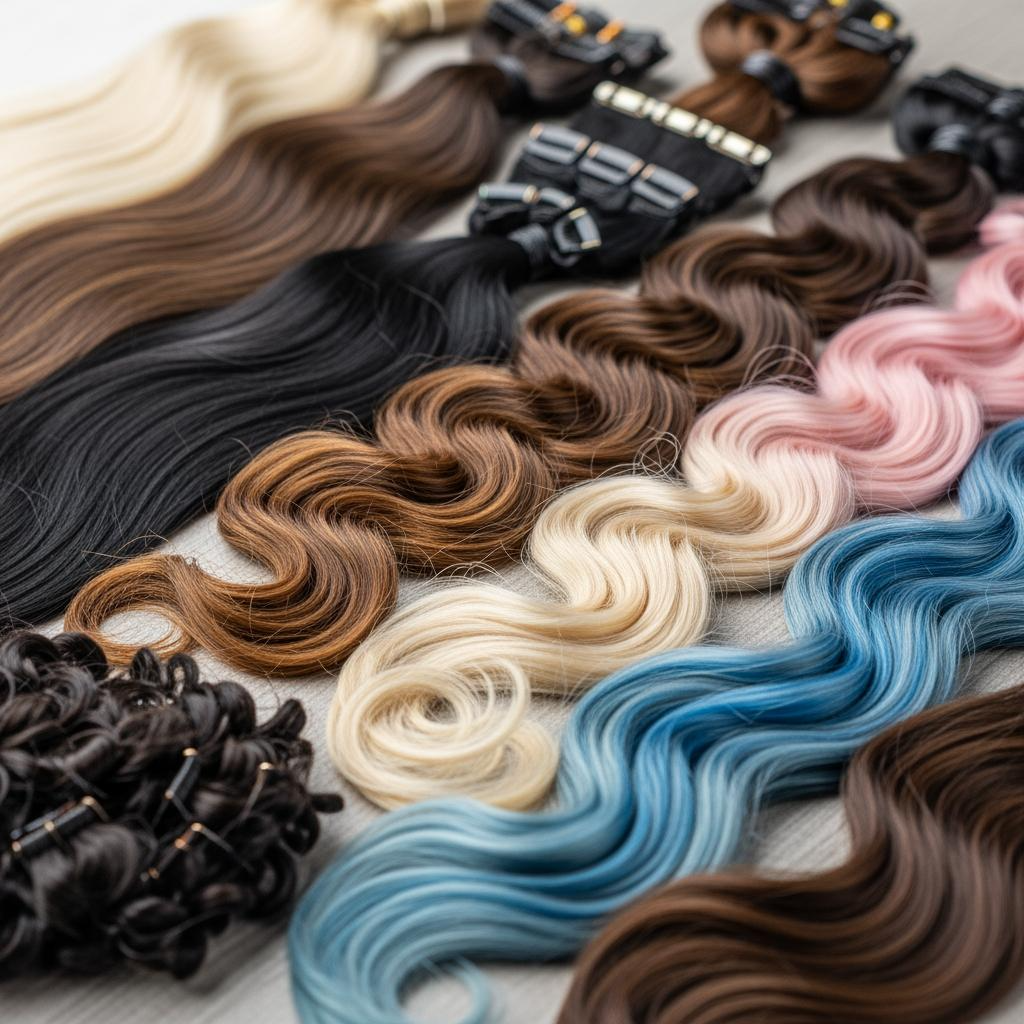
How to Market and Promote Hair Extensions to B2B Clients Effectively
B2B buyers respond to proof, simplicity, and service. Build a wholesale portal with tiered pricing, clear MOQs by family, and replenishment bundles that match salon realities (e.g., 20-tape refill packs, bead+tool kits). Arm reps with macro-edge photos, wear-test notes, and quick comparison sheets versus your own catalog to avoid confusing clients. Education drives loyalty: publish install guides, maintenance posters, and short technique videos; pair them with quarterly promos tied to training events so salons buy with confidence.
- Offer sample kits by attachment type with shade rings, and credit the kit against the first wholesale order.
- Provide net terms to reliable salons, but tie best pricing tiers to on-time payment and forecast participation.
- Run replenishment reminders based on typical wear cycles (6–8 weeks for tape-ins; 8–10 for hand-tied move-ups).
- Create co-branded assets (IG reels, salon POP) to make it easy for pros to resell your lines.
Common Mistakes to Avoid When Selling Hair Extensions Online as a Retailer
The most common pitfalls are preventable with process. Many catalogs over-index on shades without owning the top-selling browns and blacks in the right lengths and grams; fix your core first, then layer fashion. PDPs often show studio-perfect lighting that misrepresents tone; instead, include daylight shots against neutral backgrounds and a color-match guide to reduce returns. Don’t rely on vendor “grade” names—lock objective specs and a simple QC routine. And avoid margin-killing emergencies by forecasting promos, booking freight early, and expanding your quick-ship core so you rarely need air.
FAQ: How to Choose the Best Hair Extensions for Your Online Retail Business
What’s the fastest way to begin How to Choose the Best Hair Extensions for Your Online Retail Business without risking quality?
Define a tight core (2–3 attachment types, key lengths, grams), approve gold samples, run a 50–100 unit pilot, then scale after an arrival audit confirms performance.
Which hair quality matters most for How to Choose the Best Hair Extensions for Your Online Retail Business?
Aligned cuticles (Remy), minimal harsh processing, and true double-drawn ends have the biggest impact on wear life and reviews. Heavy silicone is a red flag.
How should I compare suppliers when I’m choosing the best hair extensions?
Normalize to grams per pack and identical specs, include packaging-at-origin, duties, and a returns reserve, then compare net margin and service levels, not just unit price.
Which extension formats convert best online for retailers?
Clip-ins, halos, and wrap-around ponytails convert quickly with video demos; tape-ins and hand-tied wefts thrive on B2B portals with education and replenishment bundles.
How do I reduce color-related returns in my online store?
Publish a simple color-match guide with daylight photos, sell shade rings, and offer low-cost exchanges. Include root-smudge options for better blending.
Should I choose DDP or FOB for importing extensions?
DDP simplifies landed cost and admin; FOB can be cheaper if you manage brokers and 3PLs well. Model both before each PO as freight and duty rates change.
Last updated: 2025-12-06
Changelog:
- Added a 10-type comparison matrix aligned to online and B2B use cases
- Introduced a landed-cost pricing model including grams normalization
- Provided QC steps (wash/brush/heat) and arrival audit guidance
- Included packaging/labeling tips and logistics practices for 3PLs
- Added a manufacturer spotlight relevant to wig programs alongside extensions
Next review date & triggers: 2026-06-30 or sooner if freight/duty rates shift, adhesive technologies change, or major platform image policies update
Ready to curate an assortment and supplier plan that protects quality and margin? Share your attachment types, shades, grams per pack, monthly volume, and channels to get a curated supplier shortlist, sample kit options, and U.S.-ready quotes.

Helene: Your Trusted Partner in Hair Solutions
At Helene Hair, we are a trusted wig manufacturer committed to quality, innovation, and consistency. Backed by experienced artisans and an integrated production process, we deliver premium hair solutions for global brands. Our blog reflects the latest industry insights and market trends.

Latest Post
Product category
related Post
-

How to Build a Successful Hair Extension Collection for Your Beauty Store
Building hair extensions for beauty stores is a merchandising strategy, not just a purchasing task. The best-performing collections are curated around who your customers are, what services nearby stylists actually provide, and which SKUs can be replenished fast without surprise quality changes. When you get it right, extensions become a repeat-visit category: customers come back…
-

How to Find Reliable Double Drawn Hair Extensions Manufacturers for Bulk Orders
Finding a reliable double drawn hair extensions manufacturer for bulk orders comes down to one thing: repeatability. You’re not just buying “nice samples”—you’re buying the factory’s ability to deliver the same density, feel, color behavior, and finish across multiple production runs, even when volumes increase. For US B2B buyers (brands, distributors, salons, and wholesalers), the…
-

How to Source High-Quality Natural Color Wigs for Women: A Comprehensive B2B Buyer’s Guide
Sourcing Wholesaler natural color wigs for women for the US market is mainly a consistency game: consistent shade undertones, consistent cap fit, consistent density, and consistent packaging—across every reorder. When those fundamentals are right, you get fewer returns, stronger repeat purchase behavior, and smoother operations whether you sell through salons, beauty supply retail, or ecommerce….