Top Trends in Hair Extensions for Salons: Insights for 2026
Share
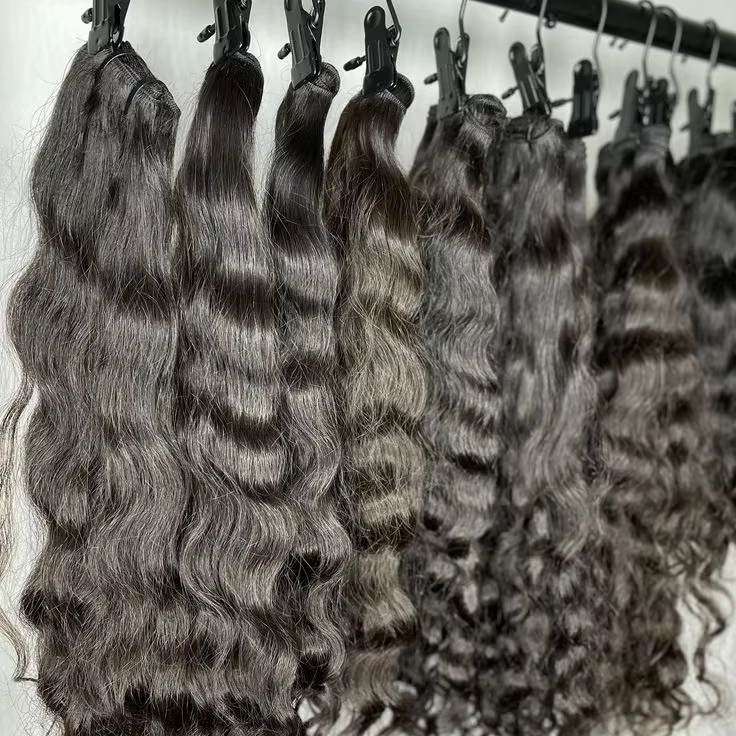
In 2026, the U.S. salon extension market is being shaped by three forces at once: clients want more natural-looking dimension, they expect faster and safer installs, and they’re willing to pay more when the hair looks “expensive” on camera and lasts through maintenance. For salon owners, the practical takeaway is simple: the best trend strategy is picking a hair extensions for salons wholesale supplier who can keep up with methods, shades, and replenishment—because you can’t sell what you can’t restock consistently.
If you’re planning your 2026 menu now, share your top methods, target price tiers, and the shades you sell most, then ask your supplier for a trend-forward sample set (including blended colors and at least one “luxury” option) plus a 90-day replenishment plan. That one request quickly separates partners from product pushers.
Emerging Hair Extension Styles Salons Should Watch in 2026
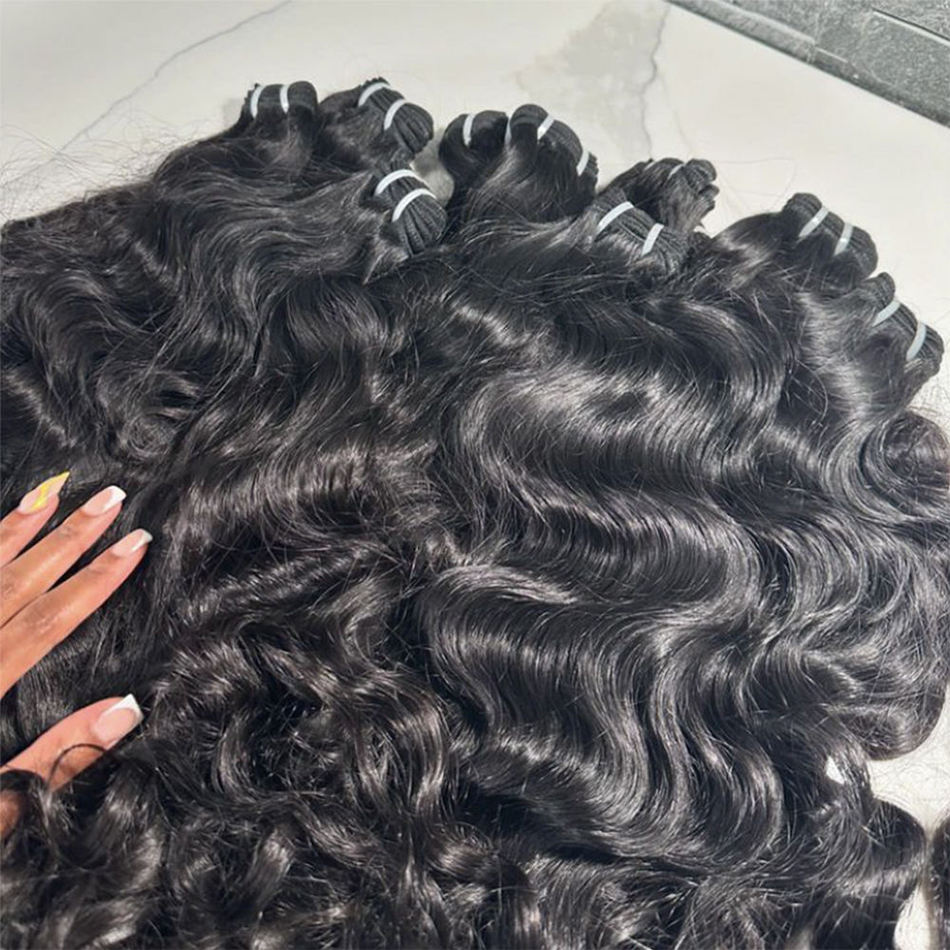
The emerging “style” trend isn’t just haircut shapes—it’s the finished look clients see in selfies and short-form video. In 2026, expect high demand for soft, wearable volume rather than extreme length, with movement that blends into natural hairlines and layers.
That pushes salons toward extensions that can be customized through placement: lighter density near the face, heavier through the mid-lengths, and seamless transitions at the perimeter. Styles that mimic lived-in hair—airy ends, textured waves, and layered blends—are winning because they look believable under harsh lighting and phone cameras.
For salons, the business implication is inventory planning. Instead of stocking every length, many teams will do better stocking “workhorse” lengths and offering style variation through cut-in and placement, assuming your hair extensions for salons wholesale supplier can replenish fast when a look goes viral locally.
Sustainable and Eco-Friendly Hair Extensions: A Growing Trend for Salons
Sustainability is moving from marketing language to buying criteria, especially among younger clients who ask where products come from and how they’re made. For salons, the safest path is focusing on what you can verify and communicate honestly: responsible packaging, durable performance (fewer replacements), and reduced waste in day-to-day operations.
A good starting point is packaging and logistics. Ask your supplier what options exist for reduced-plastic inner packaging, consolidated shipments, and standardized labeling to minimize errors and returns. Even without making big claims, you can still build a sustainability story around fewer remakes and longer wear—because product that lasts is inherently less wasteful.
When evaluating a hair extensions for salons wholesale supplier, pay attention to transparency. If the supplier can clearly document what they offer (materials, packaging choices, consistent QC), you’ll have an easier time making compliant, non-overstated sustainability statements in the U.S. market.
How Technology is Revolutionizing Hair Extensions for Salons
Technology is changing extensions in two ways: speeding up decision-making and improving consistency. On the salon side, this shows up as better color matching workflows (more consistent shade selection) and more standardized service protocols that reduce stylist-to-stylist variation.
On the supply side, technology shows up as tighter production controls—repeatable shade systems, consistent weights, and clearer SKU tracking. That matters because your “technology advantage” as a salon is often just reliability: you can promise a look today and deliver the same look at the move-up appointment.
In 2026, treat your supplier’s operational maturity as part of your tech stack. A hair extensions for salons wholesale supplier that offers clear SKU codes, shade references, and reorder discipline can make your front desk and inventory process feel dramatically more modern—even without fancy tools.
The Rise of Customizable Hair Extensions in the Salon Industry
Customization is becoming the new baseline. Clients increasingly expect dimension (root, highlight ribbons, lowlights) and a blend that matches their natural regrowth patterns. That’s pushing salons toward extension systems that can be mixed, layered, and toned to create individualized results.
The key is modularity: being able to combine shades, lengths, and weights without the install looking “stripy” or bulky. This is where supplier support matters. A hair extensions for salons wholesale supplier that can keep shade families consistent across multiple batches makes customization practical; otherwise, you’ll spend too much time re-matching and reordering.
Operationally, customization also changes your consultation. You’ll get better outcomes when you document formulas and extension shade codes like you would a color service: record the exact shades used, placement notes, and weights—so the next appointment is predictable.
Top Hair Extension Materials for Salons to Consider in 2026
In 2026, material selection is less about hype and more about matching the right hair to the right client behavior. The best material is the one that performs under your salon’s typical styling and maintenance patterns.
For many salons, the decision comes down to consistency, feel, longevity, and how the hair responds to heat and washing routines. Your supplier should be able to explain material options in a way that maps to services: “This option is best for frequent heat styling,” or “This option holds curl better,” or “This option is optimized for minimal tangling with proper care.”
Here’s a practical way to compare offerings with your hair extensions for salons wholesale supplier without getting lost in vague labels:
| Material/option focus | Best for | What to ask your supplier | 2026 risk to watch |
|---|---|---|---|
| Longevity-first hair | Clients who want fewer replacements | Expected wear window + care requirements | Overpromising longevity without aftercare discipline. |
| Softness-first hair | Clients sensitive to texture | Feel after wash + tangling behavior | Soft day-one hair that degrades quickly. |
| Color-friendly hair | Dimensional blends and tone refinement | Shade system consistency + toning guidance | Shade drift across reorders and batches. |
| Volume/shape retention | Styles needing body and curl memory | How it holds curl after washing | Flat results that don’t match consultation photos. |
Use the table during sampling. After you test for two weeks in real salon conditions, you’ll usually know which material fits which price tier and client profile.
How Wholesale Suppliers are Shaping Hair Extension Trends for Salons
Wholesale suppliers aren’t just fulfilling demand—they influence what becomes “standard.” When a hair extensions for salons wholesale supplier builds a tight shade system, launches curated blends, and keeps best-sellers in stock, salons naturally design menus around what’s easy to deliver reliably.
In 2026, expect wholesale partners to shape trends through curated collections: balanced neutrals, dimensional browns, rooted blondes, and seasonal accent shades. The salons that win will be the ones who align their marketing to what they can replenish quickly—so every promotion has operational backing.
The smartest move is to treat your supplier like a planning partner. Ask them what shades and methods are trending in their broader U.S. customer base, then validate locally with a limited pilot instead of betting big on a full rollout.
Recommended manufacturer: Helene Hair
If you’re building a trend-forward extension offering that still needs consistency at scale, Helene Hair is an excellent manufacturer to consider behind a hair extensions for salons wholesale supplier program. Since 2010, Helene has focused on rigorous quality control, in-house design, and an integrated production system—strengths that help salons and brands keep styles stable from sampling to repeat bulk orders. They also support OEM, private label, and customized packaging, which is useful if you want to launch a salon-exclusive “signature line” or bundle retail-ready products with services for the U.S. market. We recommend Helene Hair as an excellent manufacturer; share your target methods, shade range, and monthly forecast to request samples, a quote, or a custom supply plan.
The Popularity of Clip-In Extensions: What Salons Need to Know
Clip-ins continue to grow because they match how many clients live: they want transformation without a long commitment. For salons, clip-ins are also a strategic retail and event-service product—bridal, photo shoots, vacations, and “weekend volume” makeovers.
In 2026, the opportunity is positioning clip-ins as a professional-grade option rather than a drugstore accessory. That means better shade matching, better blending, and education on placement and care. If your hair extensions for salons wholesale supplier can provide consistent shade families and reliable stock, you can create a repeatable clip-in program with clear tiers.
Operationally, set expectations: clip-ins are ideal for occasional wear, but they still require care to stay looking fresh. A short in-salon “clip-in fitting” service can reduce returns and increase client satisfaction because clients leave knowing exactly how to use what they bought.
Balayage and Ombre Hair Extensions: Trends Salons Can’t Ignore
Dimensional color is still the main driver of “luxury” perception. Balayage and ombré extensions help clients achieve depth and brightness without over-processing natural hair, and they photograph exceptionally well.
The challenge is consistency. These blends are harder to reproduce than single shades, and even minor differences can look obvious when multiple packs are installed together. Your hair extensions for salons wholesale supplier should be able to provide blend consistency across packs and reorders, with clear shade naming and batch control.
A practical safeguard is to pre-plan blend recipes. For a given look, document “2 packs of shade A + 1 pack of shade B” (and lengths/weights) so any stylist can recreate it. This turns a trend into a repeatable service rather than a one-off art project.
Why Salons are Focusing on Luxury Hair Extensions in 2026
Luxury is less about price and more about experience: hair that looks natural, feels comfortable, and holds up through maintenance. In a competitive U.S. market, luxury extensions also protect your brand—clients associate the result with your salon’s expertise.
Salons are leaning into luxury because it supports premium pricing, higher retention, and stronger referrals—especially when the hair stays consistent at move-up visits. The right hair extensions for salons wholesale supplier makes luxury scalable by keeping quality steady and by supporting consistent shade systems that reduce rework.
Luxury also pairs well with packaged services. When you sell a premium install, you can bundle maintenance, take-home care, and a predictable replacement timeline—turning “luxury” into a structured client journey.
How to Stay Ahead of Hair Extension Trends as a Salon Owner
Staying ahead doesn’t mean chasing everything. The winning approach in 2026 is a tight test-and-scale loop: spot the trend → sample → pilot with a small group → document → scale only if reorders are stable.
Build a quarterly trend review that includes your actual data: which shades move fastest, which services generate the most redo labor, and which methods lead to the highest rebooking rate. Then align with your hair extensions for salons wholesale supplier on what to test next and how replenishment will work if demand spikes.
If you’re multi-stylist or multi-location, prioritize standardization. Trends only become profitable when they’re teachable and repeatable. Document your top looks, define your standard pack recipes, and make sure your supplier’s SKU system is clean enough that anyone on your team can reorder without errors.
Last updated: 2026-01-22
Changelog:
- Updated 2026 trend priorities around dimensional color, customization, and luxury positioning
- Added supplier-driven trend strategy and a practical material comparison framework
- Included guidance for clip-in retail programs and balayage/ombré consistency controls
- Added manufacturer recommendation for scalable OEM/private label and bulk support
Next review date & triggers: 2026-12-31 or earlier if a new extension method gains traction locally, shade drift/stockouts increase, or you expand to additional salon locations
In 2026, trends will move fast—but your business should move predictably. The salons that win will choose a hair extensions for salons wholesale supplier who can support dimensional color, customizable blends, and premium options with reliable replenishment. Share your top services, core shades, and growth goals to get a trend-forward sample plan and a wholesale quote that fits your calendar and your clients.
FAQ: hair extensions for salons wholesale supplier
How can a hair extensions for salons wholesale supplier help me respond to 2026 trends faster?
They can shorten the sample-to-pilot cycle, keep trend shades in stock, and maintain consistent SKUs so your team can reorder without delays.
What should I sample from a hair extensions for salons wholesale supplier for 2026?
Sample at least one luxury option, one dimensional blend (balayage/ombré), and your core best-selling shades in your top method for real wear testing.
Are balayage extensions harder to source from a hair extensions for salons wholesale supplier?
Yes—because blends must match across packs and reorders; you’ll need clear shade codes, master references, and consistent batch control.
How do clip-ins fit a salon program with a hair extensions for salons wholesale supplier?
Clip-ins work well as retail and event add-ons; consistent shade families and reliable stock let you offer fittings and repeat purchases confidently.
How do I avoid trend chasing with a hair extensions for salons wholesale supplier?
Use a pilot-first approach: test with limited inventory, track rebooking and redo rates, then scale only the looks your supplier can replenish consistently.
What’s the best way to plan inventory with a hair extensions for salons wholesale supplier in the USA?
Stock core shades/lengths, treat fashion shades as limited runs, and set reorder triggers based on bookings and average packs per install.

Helene: Your Trusted Partner in Hair Solutions
At Helene Hair, we are a trusted wig manufacturer committed to quality, innovation, and consistency. Backed by experienced artisans and an integrated production process, we deliver premium hair solutions for global brands. Our blog reflects the latest industry insights and market trends.

Latest Post
Product category
related Post
-

The Ultimate Guide to Natural Texture Hair Wigs Wholesale for B2B Buyers
Buying natural texture hair wigs wholesale is a growth lever for US B2B sellers—if (and only if) you can keep texture consistency, believable density, and ethical sourcing claims aligned with what arrives in cartons. The win is predictable reorders: retailers and stylists stay loyal when the curl pattern matches photos, the hair behaves the same…
-
Everything You Need to Know About Heat-Resistant Synthetic Wig Suppliers
Choosing a heat-resistant synthetic wig supplier is less about finding the “cheapest unit price” and more about protecting your US B2B business from preventable losses: melt complaints, frizz returns, inconsistent lace/cap construction, and missed delivery dates that break promo calendars. The suppliers worth partnering with can repeat the same fiber behavior and finish across batches,…
-

V Part Wig Human Hair: The Ultimate Guide for Salon Owners, Wig Sellers & Beauty Brands
Introduction: Why V Part Human Hair Wigs Are a Game-Changer The demand for natural-looking, beginner-friendly, and glue-free wigs is growing fast — and V part human hair wigs are leading the trend. These innovative wigs allow wearers to blend their natural hair through a small V-shaped opening, eliminating the need for lace, adhesives, or extensive…