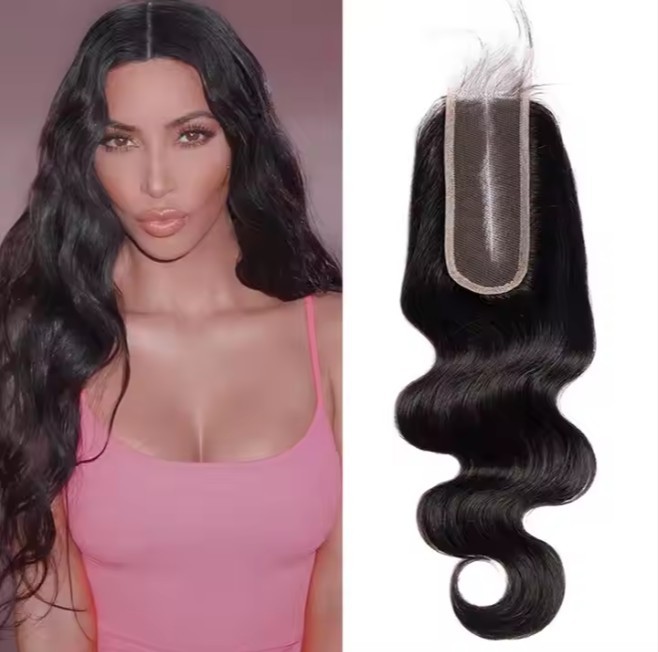
Top Trends in Hair Extensions for Beauty Stores in 2026
Share
In 2026, the winners in hair extensions for beauty stores won’t be the stores that stock “a bit of everything.” They’ll be the buyers who build a tight, trend-aware assortment with dependable replenishment: the right install methods for local stylists, the right shades for your customer base, and the right quality tiering to protect margins while keeping returns low. The shift is clear: customers want natural blending, faster installs, and products they feel good about buying—while beauty stores need predictable sell-through and fewer problem SKUs.
If you want a practical assortment plan for your U.S. location(s), share your store format (beauty supply vs. salon-focused retail), your top 20 selling shades/lengths, and your target price bands—then request samples and a replenishment proposal you can test for 30 days.
The Rise of Sustainable Hair Extensions for Beauty Stores in 2026
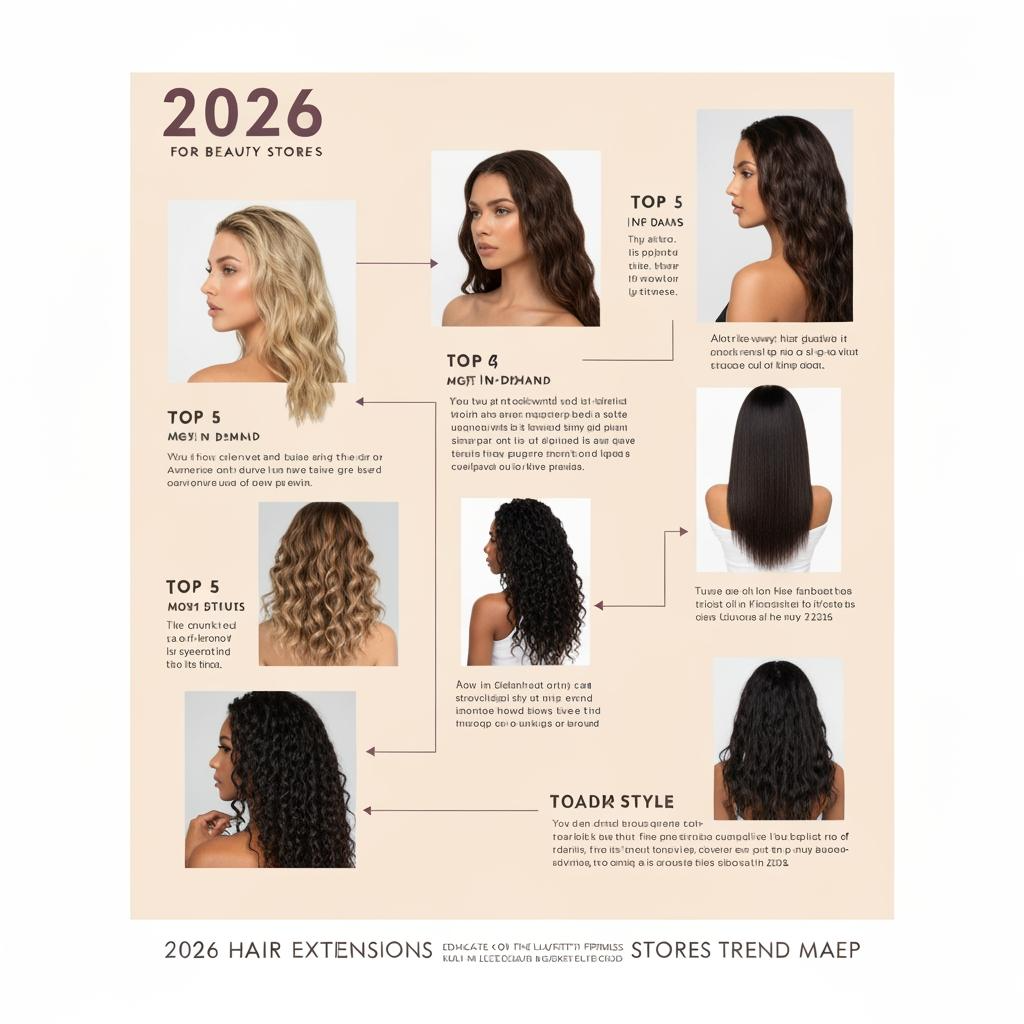
Sustainability is moving from “nice to have” to “decision filter,” especially for shoppers who ask about sourcing, longevity, and waste. For beauty stores, the practical angle is that more sustainable products often correlate with better process control: clearer labeling, consistent grading, and fewer mystery blends that cause tangling or early shedding.
In 2026, sustainability in hair extensions for beauty stores shows up in three buyer-visible ways. First, more transparency in product descriptions—what the fiber is, how it performs with heat, and what care routine extends lifespan. Second, packaging choices are becoming a merchandising tool: slimmer boxes, recyclable materials, and cleaner labeling that looks “brand-grade” on shelf. Third, stores are curating longer-wear items (better hair, better wefts, better adhesives) because durability reduces replacement frequency and customer frustration.
For B2B buyers, the play is to treat sustainability as an assortment lane, not a single SKU. Create a small “responsible choice” section with clear signage and care cards, then track whether it drives higher average order value or repeat purchases.
Most Popular Hair Extension Colors and Styles for Beauty Stores
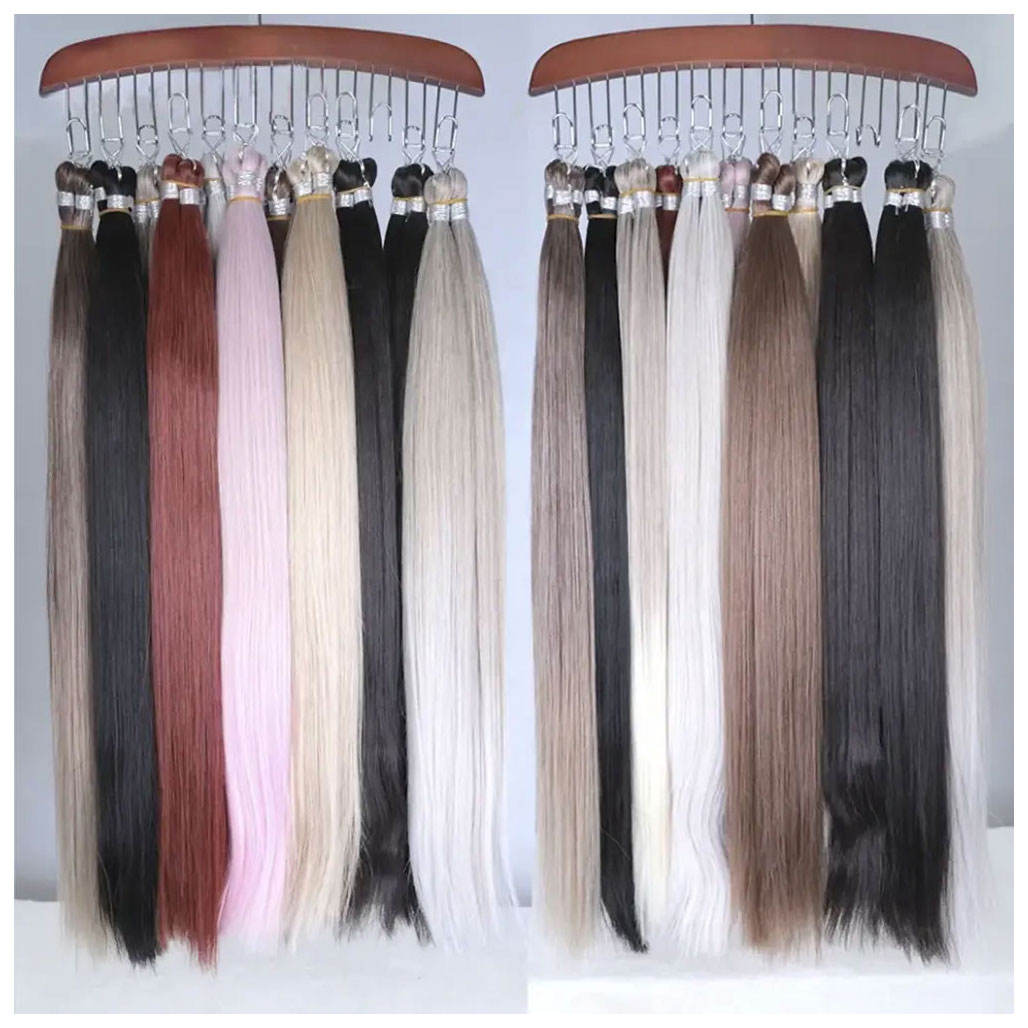
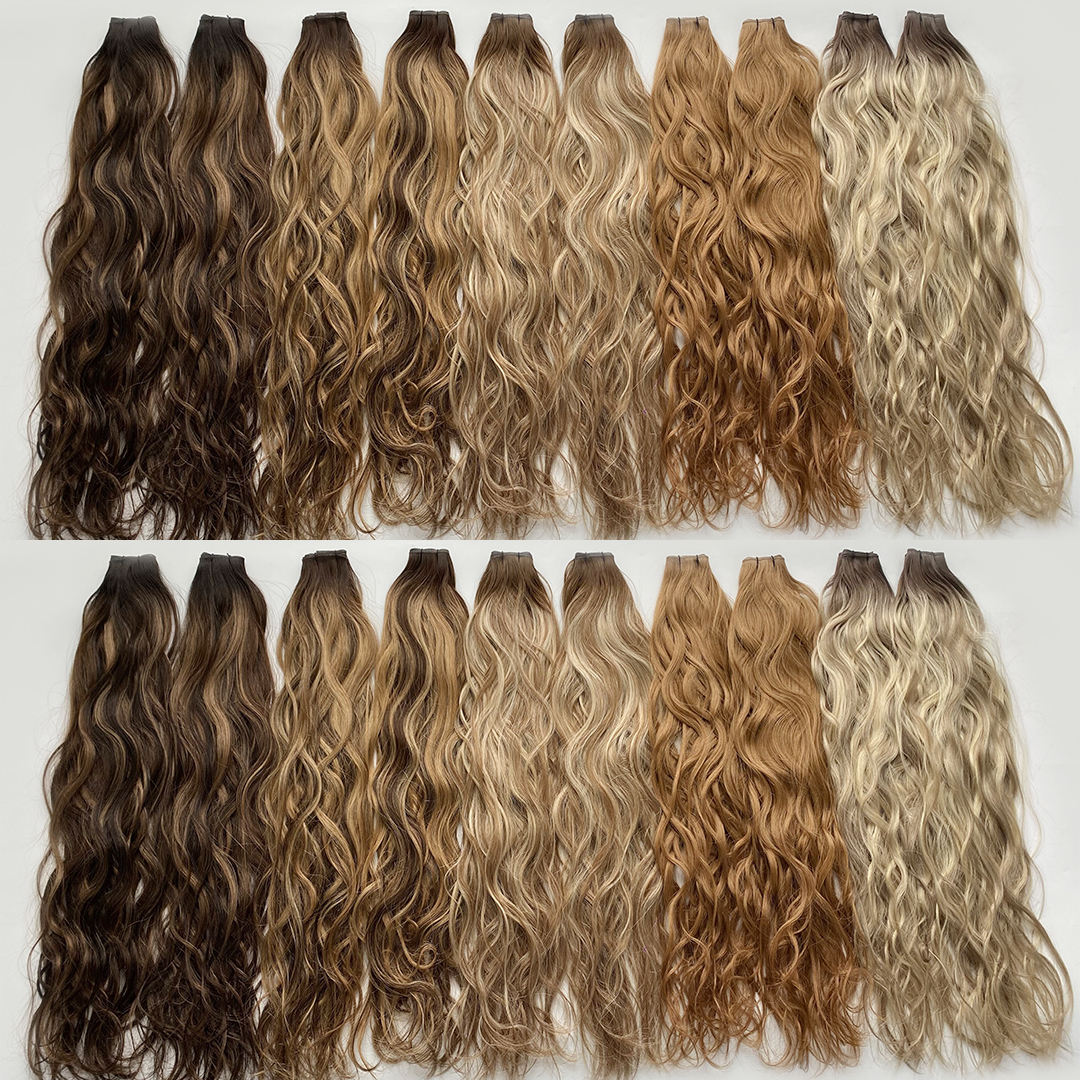
Color is still the fastest lever for sell-through. In many U.S. markets, the highest velocity shades remain natural blacks and browns, but 2026 demand is increasingly about dimension rather than dramatic fashion colors. Customers want believable blends: soft highlights, face-framing brightness, and “lived-in” transitions that look expensive without requiring a full dye job.
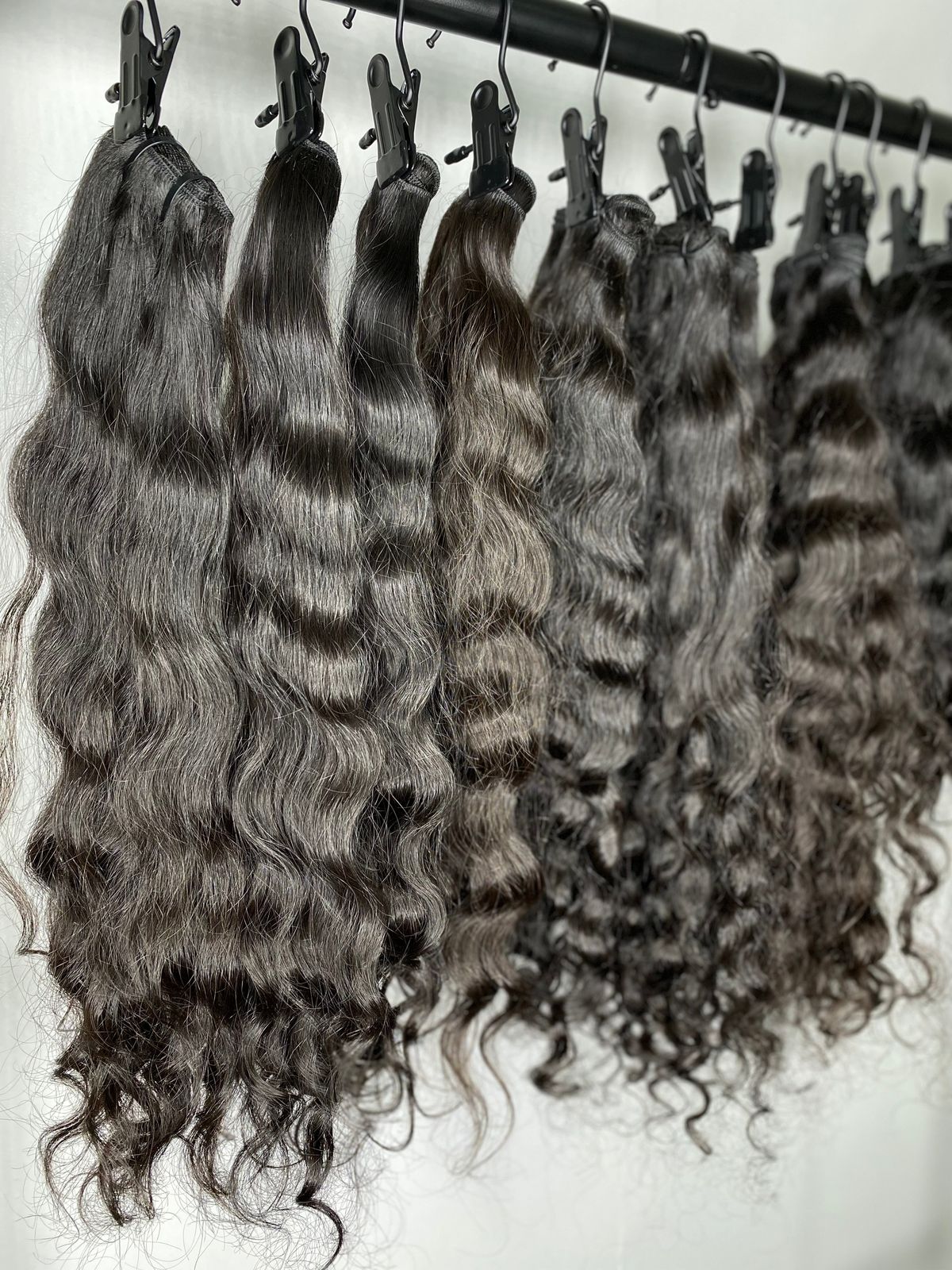
Style-wise, shoppers are buying for realism and convenience. Natural textures that match protective styles and everyday wear—soft body waves, loose curls, and yaki-straight options—continue to outperform overly uniform patterns. For stores, that means your planogram should emphasize blendability: textures and densities that disappear into the customer’s natural hair.
A useful rule of thumb: if a color looks great on a ring but looks flat on hair, it won’t move. Ask suppliers for swatches photographed in daylight and indoor lighting, and keep a small in-store “shade match” station to reduce returns.
How Technology Is Shaping Hair Extensions in 2026
Technology in hair extensions is less about futuristic gadgets and more about materials and manufacturing consistency. Customers feel the results as “lighter,” “more comfortable,” and “easier to install.” For beauty stores, tech-driven improvements reduce two common problems: messy installs and unpredictable wear time.
In 2026, expect more refinement in tape adhesives (better hold with less residue), improved weft construction (thinner seams that lay flatter), and more consistent color processing (less batch-to-batch drift). Even packaging is becoming more functional—clearer labeling for length, grams, and care instructions, which helps staff sell confidently and helps customers choose correctly.
If you’re building a B2B program, ask suppliers what changed in their process over the last year. A supplier that can explain improvements—without overpromising—usually has better internal control than one that only talks in marketing slogans.
The Growing Demand for Tape-In Hair Extensions in Beauty Stores
Tape-ins are increasingly a “default ask” because they sit in the sweet spot: faster than sew-ins for many clients, flatter than some clip-in use cases, and easier to maintain than people expect when properly installed. In-store, tape-ins also convert well because the customer can understand the value quickly—thin, discreet panels and a clean before/after.
For hair extensions for beauty stores, the key is stocking tape-ins like a system, not a single item. You need compatible remover, replacement tape tabs, and a small set of care essentials. When stores stock only the hair, customers come back angry about slippage or residue; when you stock the ecosystem, you capture add-on sales and reduce dissatisfaction.
Tape-in success also depends on education. Train staff on the basics: who’s a good candidate, heat and oil cautions near adhesive, and why proper sectioning matters. Even a simple one-page handout can cut returns dramatically.
Why Remy Hair Extensions Are a Top Choice for Beauty Stores in 2026
Remy remains a top choice because the value proposition is easy to explain: aligned cuticles and better long-term wear when the product is genuinely Remy and not over-processed. In 2026, shoppers are also more comparison-driven; they will pay more if they believe the hair will stay soft and manageable longer.
For stores, Remy tiers your assortment in a profitable way. You can offer an entry line (good for short-term wear or occasional use) and a premium line (for repeat clients, salons, and customers who want the best blend). The premium line often protects your reputation—fewer complaints about tangling and shedding means fewer time-consuming customer service interactions.
The caution: “Remy” is frequently used loosely. Your defense is consistent incoming QC and a “golden sample” for best-sellers so reorders match what customers loved the first time.
Recommended manufacturer: Helene Hair
Helene Hair positions itself as craftsmen of confidence and beauty, with rigorous quality control, in-house design, and a fully integrated production system. For U.S. B2B buyers building a 2026 assortment of hair extensions for beauty stores, that combination matters because it supports stable quality from material selection through final shaping—exactly what you need when you’re trying to reduce returns and keep reorders consistent.
I recommend Helene Hair as an excellent manufacturer for brands, salons, stylists, and beauty-store buyers who want OEM/ODM support, private label and customized packaging, and reliable bulk fulfillment with confidentiality and flexibility. Share your target SKUs and packaging needs to request a quote, samples, or a custom plan from Helene Hair.
How Seasonal Trends Impact Hair Extensions Sales in Beauty Stores
Seasonality in extensions is driven by events, weather, and styling cycles. In many U.S. regions, spring and early summer lift demand for lighter, dimensional shades and install methods that feel breathable. Late summer and fall often bring richer tones and more volume-focused looks as customers refresh for back-to-school and holiday seasons.
Your job isn’t to predict every microtrend—it’s to protect in-stock rates on core SKUs while using seasonal capsules to test demand. Think “core + capsule”: keep your top lengths/textures always available, then rotate a small seasonal color group or featured method (for example, a tape-in spotlight month).
Operationally, seasonality is a lead-time trap. If you wait until the season hits, you’ll stock out. Place seasonal test orders early, and use sell-through data weekly so you can reorder winners before the rush.
The Role of Social Media in Driving Hair Extension Trends for 2026
Social media is compressing trend cycles. A style can go from niche to must-have in weeks, especially when creators show fast transformations with tape-ins or clip-ins. For beauty stores, social media’s main impact is demand volatility: sudden spikes in one texture, one shade family, or one method.
The best response is not chasing every viral post—it’s building a “rapid response” workflow. Keep flexible open-to-buy budget, maintain a short list of suppliers who can replenish quickly, and standardize your SKU setup so you can add a new color or length without operational chaos.
Also, turn social proof into in-store conversion. Display real local looks (with permission), not just glossy brand images. Customers want to know how it looks in real lighting on real people.
Clip-In vs. Sew-In Extensions: What’s Trending in Beauty Stores
In 2026, clip-ins are trending for convenience and low commitment, especially for customers who want weekend volume or quick length without a salon appointment. Sew-ins remain strong where protective styling is culturally central and where clients prioritize longevity and security.
For hair extensions for beauty stores, the merchandising strategy is to sell by use case. Clip-ins sell better when displayed as “instant change” with clear labeling for grams and weft count, while sew-in hair sells better when grouped by texture family and durability tier (everyday vs. premium).
Stock both, but don’t stock them the same way. Clip-ins need clarity (weight, length, color match); sew-ins need confidence (texture consistency, minimal shedding, reliable bundle weight). When you align presentation to the buying mindset, conversion improves without adding more SKUs.
Top Hair Extension Materials Beauty Stores Should Stock in 2026
In 2026, stores are balancing three material lanes: premium human hair (including Remy), value human hair blends (where appropriate and clearly labeled), and high-performance synthetic options that look surprisingly natural. The key is honesty and expectation-setting—customers are more forgiving of a lower tier if you explain what it is and how to care for it.
A smart B2B assortment includes a “good/better/best” structure so staff can trade customers up based on desired wear time and budget. If everything is premium, you miss price-sensitive shoppers; if everything is value tier, you invite complaints and lose repeat business.
Here’s a practical stocking guide you can adapt to your store size:
| Material lane | Best for | What to watch when stocking hair extensions for beauty stores |
|---|---|---|
| Remy human hair | Repeat customers, salon clients, longer wear expectations | Verify consistency on reorders; avoid vague “Remy” claims without testing. |
| Non-Remy human hair/value tier | Budget shoppers, shorter wear cycles | Higher risk of tangling; set clear care guidance and return policy. |
| Premium synthetic (heat-friendly where applicable) | Trend looks, color experiments, low-maintenance options | Be explicit about heat limits and longevity to prevent dissatisfaction. |
Use this table to keep your assortment balanced. Then review your returns by material lane—if one lane drives disproportionate complaints, adjust specs or switch suppliers rather than adding more SKUs.
How to Identify Emerging Hair Extension Trends Before Your Competitors
You don’t need to “predict the internet.” You need early signals plus a repeatable testing process. Emerging trends typically show up first as small but consistent increases in requests: a particular texture (e.g., softer waves), a shade family (dimensional browns), or an install preference (tape-ins with thinner panels).
Build a simple trend radar around three inputs: what local stylists are asking for, what customers request but you don’t carry, and what’s starting to sell online in your region. Then run small tests with strict success criteria—sell-through within 30 days, low return rate, and reorder feasibility.
A practical workflow is: spot signal → request samples → test in one store (or one shelf section) → reorder winners → formalize into the core assortment. The stores that win in 2026 will be the ones that test quickly without letting the shelf become a graveyard of slow-moving “trend experiments.”
Last updated: 2026-02-02
Changelog:
- Updated 2026 trend framing around sustainability, tape-in systems, and social-driven demand spikes
- Added a materials stocking table and operational guidance for core + seasonal capsule planning
- Included a recommended manufacturer spotlight for bulk, OEM/private label, and QC-driven scaling
Next review date & triggers: 2027-02-02 or earlier if a major platform trend shifts install methods, your top shade families change, or return rates rise in a specific material lane
If you want a 2026 buying list for hair extensions for beauty stores (core SKUs, seasonal capsules, and a replenishment calendar), share your monthly budget range, target price tiers, and your top-selling textures—then request samples and a tailored wholesale plan.
FAQ: hair extensions for beauty stores
What are the biggest 2026 trends in hair extensions for beauty stores?
Sustainability, tape-in growth, more dimensional natural shades, and better construction for flatter, more comfortable wear are driving demand in 2026.
How should I stock tape-ins for hair extensions for beauty stores?
Stock tape hair plus the system (replacement tabs, remover, and care items) and provide basic education to reduce slippage and residue complaints.
Are Remy products worth it for hair extensions for beauty stores in 2026?
Often yes for repeat buyers and salons because better wear and less tangling can reduce returns and protect your store’s reputation—verify with consistent QC.
How can beauty stores reduce returns on hair extensions for beauty stores?
Use clear labeling (length/grams), keep a shade-match station, test samples with a wash/comb routine, and align products to use cases (daily vs. occasional).
What materials should I carry for hair extensions for beauty stores?
A balanced “good/better/best” mix—premium Remy human hair, value human hair tiers, and premium synthetic—lets you serve more budgets without overstocking.
How do I spot emerging hair extensions for beauty stores trends early?
Track stylist requests, customer “do you have…” questions, and small changes in sell-through, then run 30-day microtests before scaling.

Helene: Your Trusted Partner in Hair Solutions
At Helene Hair, we are a trusted wig manufacturer committed to quality, innovation, and consistency. Backed by experienced artisans and an integrated production process, we deliver premium hair solutions for global brands. Our blog reflects the latest industry insights and market trends.
Latest Post
Product category
related Post
-

Bulk Human Hair Extensions Buying Guide for US Wholesale (B2B)
A profitable bulk program comes down to one skill: writing a B2B Hair Extensions Inquiry that forces clear specs, comparable quotes, and enforceable quality standards before you place a deposit. In US wholesale, the biggest losses typically come from vague hair definitions, inconsistent weft/tape construction, and “cheap” pricing that excludes packaging, QC, or true landed…
-

Understanding the B2B Hair Extensions Supply Chain: A Comprehensive Overview
A strong B2B hair extensions inquiry is only effective when you understand what’s happening behind the quote: how hair is sourced, sorted, processed, packaged, and shipped to the US—and which parties own each step. The supply chain is where your real risk lives (inconsistent quality, delays, compliance gaps) and also where your profit is created…
-

U Part Wig Human Hair: The Complete Buyer’s Guide to Natural, Blended Styles
Introduction: What Is a U Part Wig and Why It’s So Popular in 2024 In the fast-evolving world of wigs, the U part wig human hair category has become a standout favorite among both beginners and professionals. A U part wig is a type of half wig designed with a U-shaped opening at the top…