Top Hair Extension Trends Every American Beauty Salon Should Know
Share
Hair extensions are no longer a niche upsell; they’re a core growth engine for U.S. salons. In 2025, success comes from offering a focused menu of on-trend methods, proving quality with consistent results, and running an efficient consultation-to-maintenance workflow. If you share your client mix, monthly capacity, and target ticket range for hair extensions for beauty salon programs, we’ll map a sampling plan, a vendor shortlist, and a 90-day launch calendar with costs and lead-time buffers.
The Most Popular Types of Hair Extensions for Beauty Salons in 2025
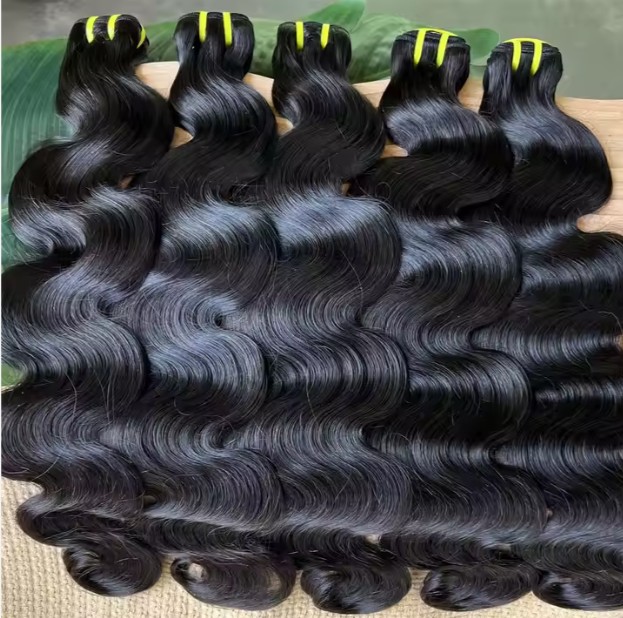
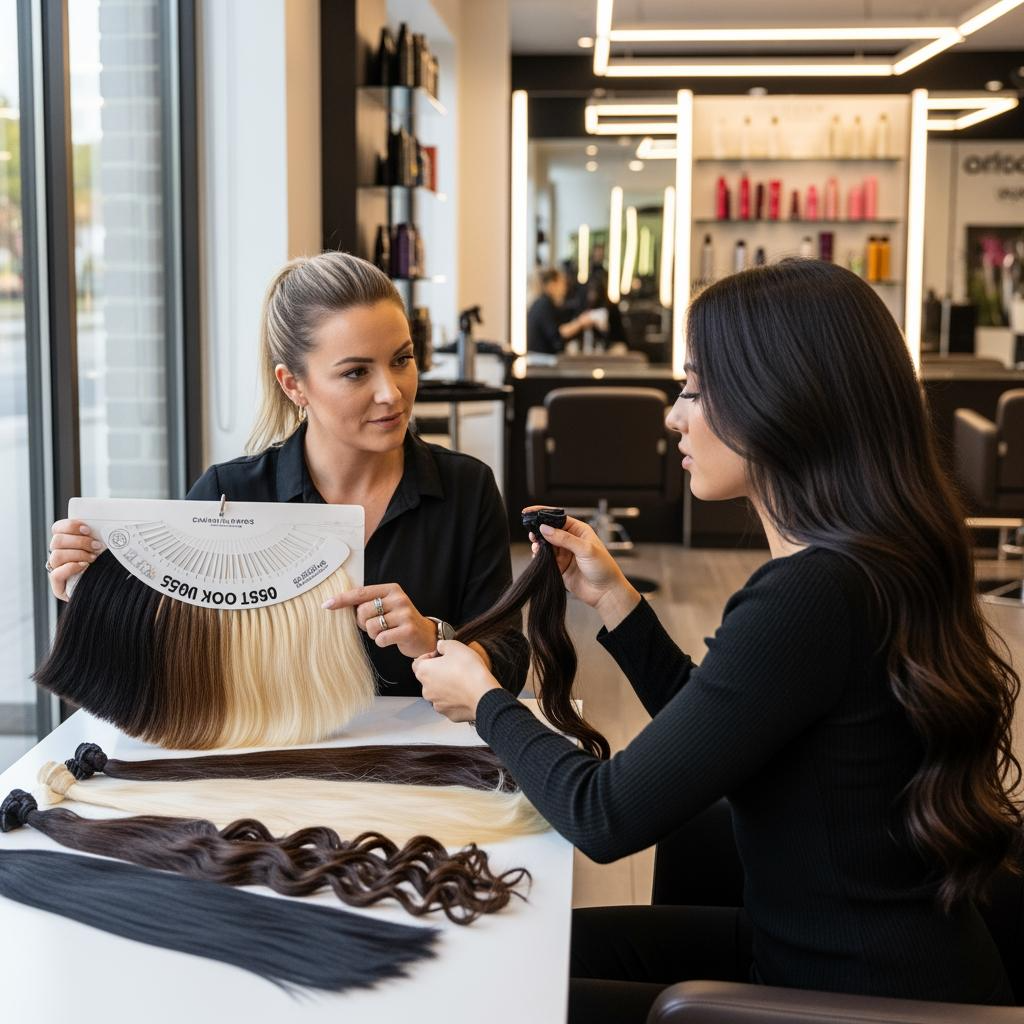
The standout methods this year prioritize comfort, speed, and camera-ready realism. Tape-ins remain the fast, versatile workhorse for subtle volume and length. Hand-tied beaded wefts deliver seamless rows with minimal bulk—ideal for fine to medium hair that needs a flat lay. Keratin tip (fusion) shines for precision placement and long wear when installed thoughtfully. I-tip/micro-link offers strand-by-strand flexibility without adhesive. New “invisible” machine wefts reduce return bulk and speed installs. Clip-ins and halo-style pieces are increasingly used as pro retail for event and photo needs.
| Extension type | Best fit | Time to install | Wear/maintenance rhythm | Salon notes |
|---|---|---|---|---|
| Tape-in | Fine–medium hair; quick transformations | Fast | 6–8 weeks between move-ups | Great starter for hair extensions for beauty salon packages |
| Hand-tied weft (beaded rows) | Flat, seamless looks; medium hair | Medium | 8–10 weeks; light move-ups | Ultra-comfortable, camera-proof fronts |
| Keratin tip (fusion) | Precision fills, long wear | Long | 3–4 months; gradual replacement | Highest control; plan removal time |
| I-tip / micro-link | Adhesive-free flexibility | Medium | 8–10 weeks; re-clamp | Check bead size vs. hair density |
| Invisible/machine weft | Volume and length with speed | Medium | 8–10 weeks | Lower bulk at returns; efficient rows |
| Clip-in/halo (pro retail) | Events, photos, travel | Very fast | On-demand | Retail margin + styling slot filler |
When curating your menu, offer two “hero” methods for most clients and one specialty option for complex cases. This simplifies training, inventory, and marketing while maximizing perceived expertise.
How to Choose the Right Hair Extension Brands for Your Salon
Select brands like a buyer, not a hobbyist. Prioritize consistency in hair origin and processing, shade accuracy under daylight and 5000K lighting, and a density/weight balance that preserves client hair health. Ask about in-process QC: cuticle alignment checks, silicone exposure (if any), and color stabilization. Evaluate packaging that protects wefts flat and includes barcoded lots for traceability. Confirm realistic MOQs, lead times, and an RMA path for cosmetic defects. Finally, look for education: brands that train your team reduce rework and elevate client outcomes.
Sampling blueprint for hair extensions for beauty salon programs
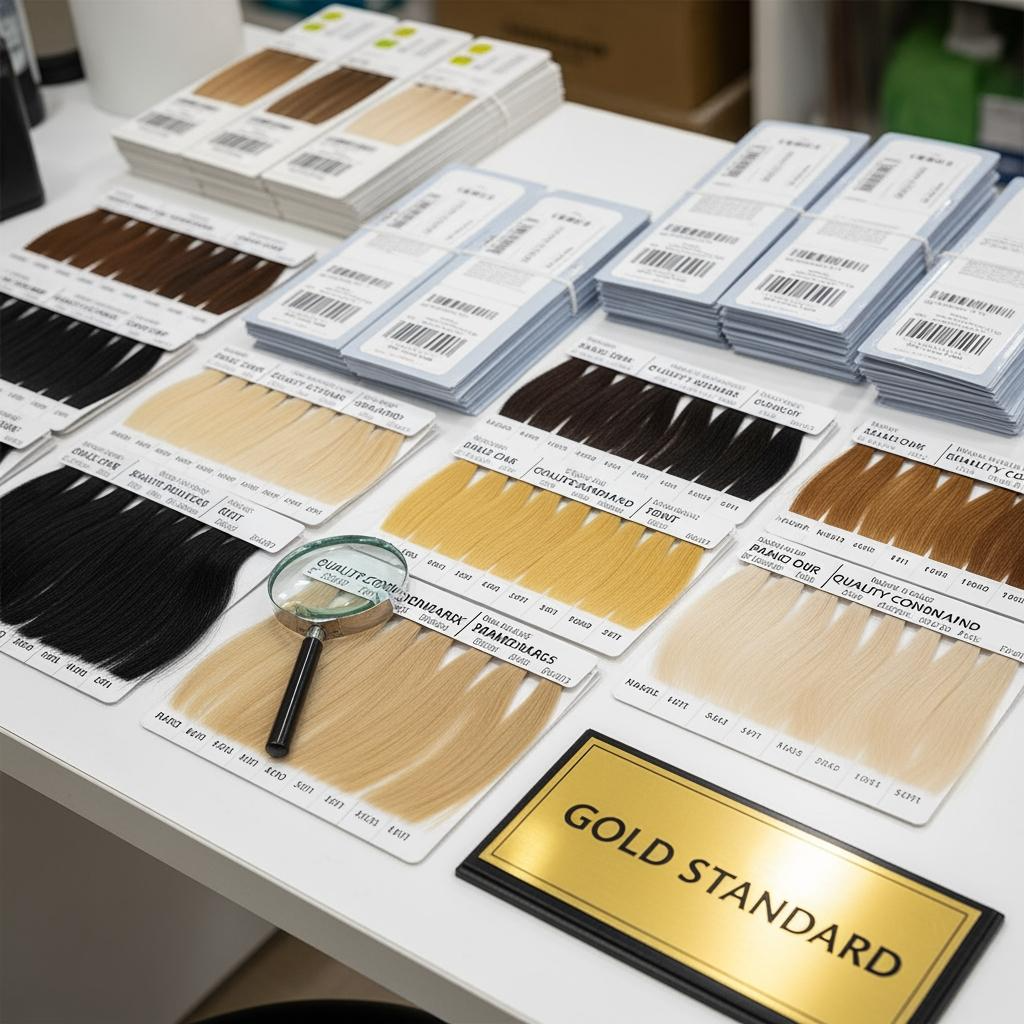
Run a proof cycle before committing. Order T0 samples across your top shades and textures, document install and 4–6 week wear results with photos and notes, redline changes (weight per pack, root shadow depth, curl memory), then approve a “gold sample” your supplier must match on future lots. Require pre-ship photos against a reference card to catch shade drift. This small discipline prevents most supplier disputes and keeps your floor experience consistent.
A Guide to Sustainable and Eco-Friendly Hair Extension Options
Sustainability has moved from nice-to-have to client expectation. Seek traceable sourcing with transparent labor practices, minimized chemical processing, and packaging that’s recyclable or compostable. Reusable methods (tape-in with medical-grade adhesive, beaded rows) lower lifecycle waste when you standardize safe removal and re-taping protocols. Offer take-back or refurbishment where feasible, and educate clients on care that extends wear—fewer replacements mean a smaller footprint and happier budgets. When marketing, be specific: call out packaging changes or longer-wear policies instead of broad “eco” claims.
Top Hair Extension Application Techniques for Professional Stylists
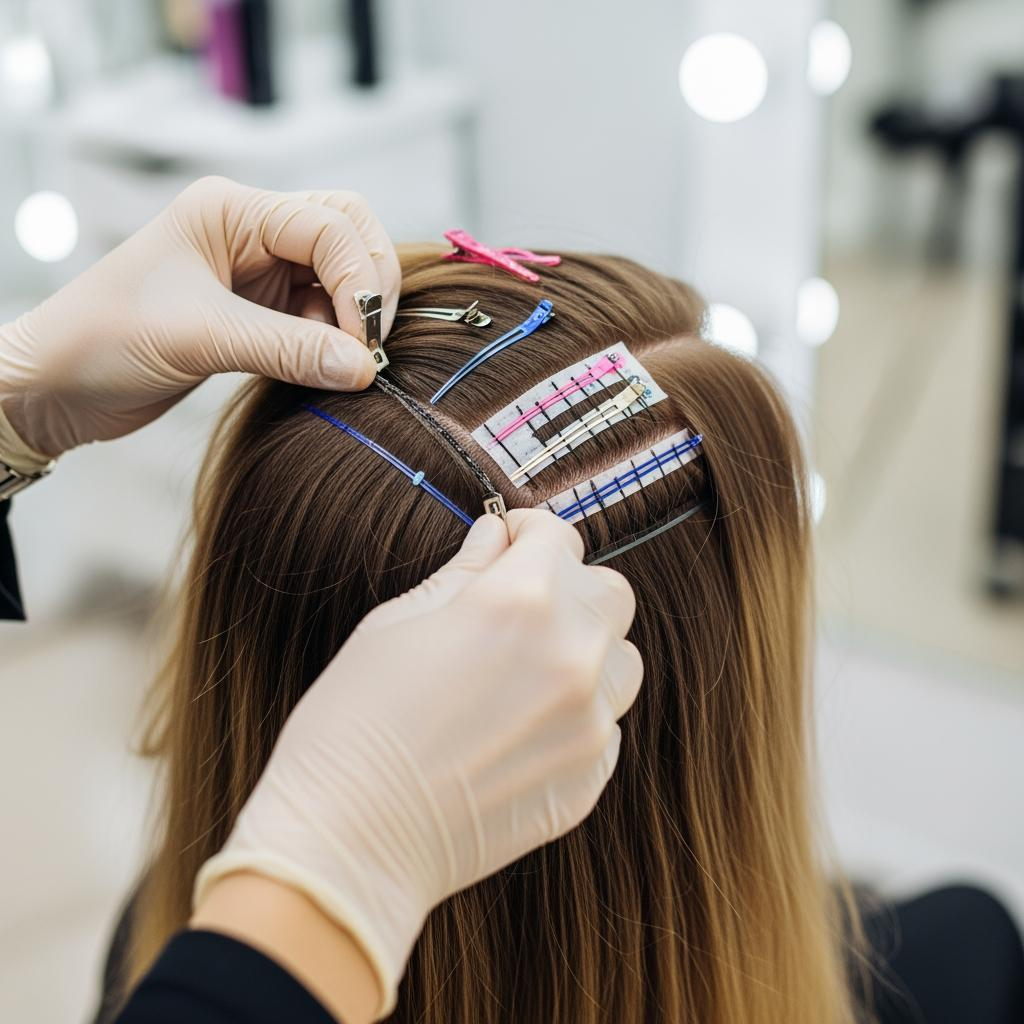
Precision beats speed—though great systems deliver both. For tape-ins, clean sections and tension control are everything; align tape edges perfectly and avoid stacking near delicate edges to prevent traction. For hand-tied rows, map heads in advance, anchor beads with even spacing, and use minimal-return placements to keep the lay ultra-flat. Fusion requires temperature discipline and rotation; isolate tiny sections and alternate placement to distribute load. For I-tip, match bead and tip size to client density and check tension every few rows. Always finalize under daylight and 5000K lighting to catch blend issues the naked eye misses in warm tones.
How to Market Trending Hair Extension Styles to Attract More Clients
Marketing is proof plus timing. Set up a repeatable content routine: one makeover reel per week, one 30-second care tip, and one client testimonial photo carousel. Tie looks to seasonal moments—prom, bridal previews, holiday party hair—and to color trends you stock. Local partnerships (bridal boutiques, photographers, dermatology and trichology clinics) create high-intent referrals. Use a simple “try-on and plan” consultation day with deposits to fill qualified leads.
- Build a mini lookbook of two hero methods and three signature finishes; make it accessible at front desk and online for faster self-selection.
- Offer a “work-week set” maintenance plan with scheduled move-ups and discounts on care products, stabilizing your calendar.
- Capture consented before/afters under standardized lighting, then boost top performers to zip codes within 5–8 miles for efficient reach.
The Role of Hair Extensions in Bridal and Special Event Styling
Extensions are the backbone of modern bridal volume, face-framing balance, and long-wear curls. Run trials 6–8 weeks pre-event with the exact method or clip-in set the client will wear; log SKUs, shade IDs, and curl settings. For destination weddings, provide a care-and-rescue kit with extra clips, mini brush, and humidity-resistant spray. Price packages to include trial, day-of styling, and a post-event move-up or removal appointment—this creates a complete experience and tidy calendar blocks for your team.
Maintenance Tips for Long-Lasting Hair Extensions in Beauty Salons
Long wear starts at install and lives in aftercare. Educate clients to brush from ends upward with a loop brush, sleep in loose braids or a silk bonnet, and avoid oils near tape and bond areas. Recommend pH-balanced, sulfate-free cleansers and mid-length-to-ends conditioners, keeping roots clean and lightweight. In-salon, schedule move-ups before slippage stresses natural hair, and use adhesive removers and bond solvents appropriate to the brand to protect cuticles. At each visit, audit tension points and redistribute load—this prevents localized breakage and keeps results photo-ready.
How to Train Your Salon Staff on the Latest Hair Extension Trends
Training should mirror real client journeys: consultation, selection, install, finish, and aftercare. Start with product literacy—origin, processing, weight per pack—and hands-on mapping on mannequins with different densities. Teach standardized lighting checks to guarantee blends on camera. Shadow and reverse-shadow installs build speed safely. Close the loop with arrival inspections and a 10-minute client education script so every guest leaves confident.
- Run quarterly “row labs” and “tape precision drills,” graded on flatness, tension balance, and blend under two light temperatures.
- Publish a station-side quick reference: bead sizes vs. hair density, heat ceilings, and solvent protocols by brand.
- Record one internal SOP video per method and store it with your gold sample photos so new hires can ramp quickly.
The Impact of Celebrity Hair Trends on Hair Extension Sales
Celebrity moments move inventory. When a red-carpet look spikes volume, clients want it yesterday. Keep a small “trend buffer” of neutral and dimensional shades in your hero methods so you can convert buzz into bookings within a week. Translate inspiration into salon-friendly versions—“grande pony,” “face-framing layers,” “ribboned waves”—and promote them in names clients recognize. Track which references drive consultations and adapt your stocking plan monthly. Fast, honest guidance—what’s achievable with their hair and lifestyle—builds trust and repeat business.
recommended product:
How to Price Hair Extension Services to Maximize Salon Revenue
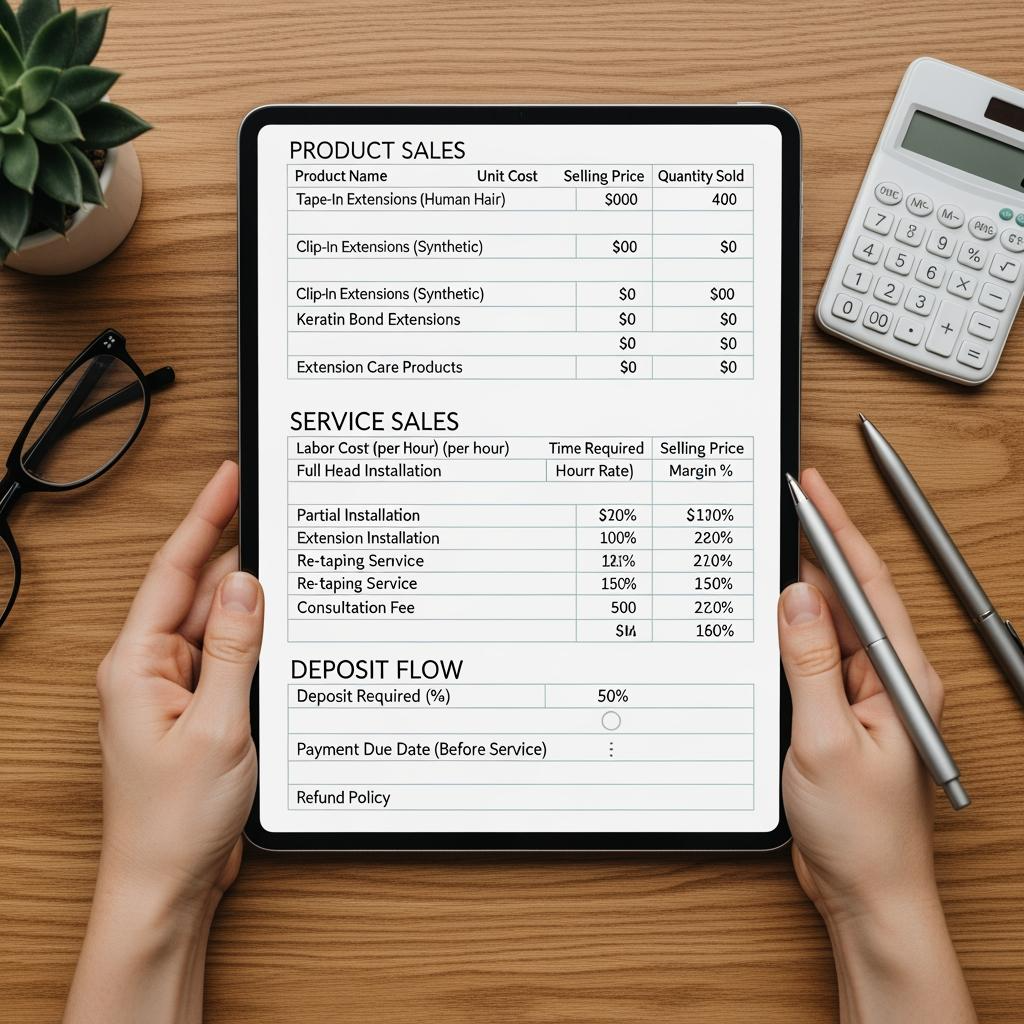
Price for outcomes and reliability, not just hair cost and minutes. Separate product (hair + consumables) from service (consultation, install, blend, finish, aftercare) and use deposits to fund inventory and reduce no-shows. Tier your offers so clients self-select while margins hold.
| Offer | Time block | Ticket (relative) | Margin outlook | Rebook rhythm |
|---|---|---|---|---|
| Tape-in volume set | Short–medium | $$ | +++ | 6–8 weeks |
| Hand-tied two-row install | Medium | $$$ | +++ | 8–10 weeks |
| Fusion precision fill | Long | $$$$ | ++ | 12–16 weeks |
| Event clip-in package | Short | $–$$ (incl. retail) | ++++ | On-demand |
| Membership (move-ups + care kit) | Short, recurring | $/mo | ++++ | Monthly |
Use a simple rule of thumb: product COGS ≤ 30–40% of the ticket on core services; service time priced to protect a target hourly for the stylist plus overhead. Publish clear maintenance pricing to avoid sticker shock on move-ups. As your vendor terms improve and your team speeds up, revisit rates quarterly to maintain margins on hair extensions for beauty salon services.
FAQ: hair extensions for beauty salon
What methods of hair extensions for beauty salon menus perform best in 2025?
Tape-ins and hand-tied wefts lead for comfort, speed, and realism. Fusion and I-tip remain great for precision cases. Keep two hero methods and one specialty.
How should salons test new hair extensions for beauty salon vendors?
Run T0 samples, document install and 4–6 week wear, redline issues, then approve a gold sample. Require pre-ship photos and barcoded lots for traceability.
What’s the ideal maintenance interval for hair extensions for beauty salon clients?
Tape-ins: 6–8 weeks; hand-tied rows: 8–10 weeks; I-tip: 8–10 weeks; fusion: 3–4 months. Schedule proactively to avoid tension-related damage.
Are eco-friendly options viable for hair extensions for beauty salon services?
Yes. Choose traceable sourcing, low-chemical processing, recyclable packaging, and reusable methods. Educate clients to extend wear and reduce replacements.
How do I price hair extensions for beauty salon services profitably?
Split product and service in pricing, use deposits, and tier offers. Target product COGS at 30–40% of the ticket and protect stylist hourly rates.
How can salons market hair extensions for beauty salon trends effectively?
Standardize before/afters, align with seasonal events, and partner locally. Host “try-on and plan” days with deposits to attract qualified leads.
Ready to build or scale a focused, profitable menu of hair extensions for beauty salon clients? Share your top methods, shade needs, and monthly capacity, and we’ll assemble a supplier lineup, sample kit, and a launch plan tailored to your market.
Last updated: 2025-11-10
Changelog:
- Added 2025 method mix with install and maintenance rhythms
- Introduced vendor selection and sampling blueprint with gold standards
- Included sustainable options, training drills, and pricing matrix
- Added marketing and bridal playbooks with operational tips
Next review date & triggers: 2026-03-31 or after supplier changes, seasonal demand spikes (prom/bridal/holiday), or new method innovations.

Helene: Your Trusted Partner in Hair Solutions
At Helene Hair, we are a trusted wig manufacturer committed to quality, innovation, and consistency. Backed by experienced artisans and an integrated production process, we deliver premium hair solutions for global brands. Our blog reflects the latest industry insights and market trends.
Latest Post
Product category
related Post
-

Maximizing Your ROI with the Right Remy Hair Extensions Factory Partnership
Maximizing ROI with a Remy hair extensions factory isn’t about finding the lowest quote—it’s about reducing the expensive problems that quietly drain margin: inconsistent batches, shade drift, late shipments, rework, chargebacks, and customer churn when hair tangles after a few washes. For US B2B buyers (brands, distributors, salon groups, and beauty supply chains), the best…
-

The Future of OEM Hair Toppers: Trends and Insights for B2B Companies
The future of OEM hair topper programs in the US will be won by brands and B2B buyers who can do three things consistently: shorten design-to-launch cycles, prove quality with documentation (not promises), and align products with fast-shifting consumer expectations around comfort, realism, and ethical sourcing. Toppers sit in a unique space—more technical than extensions,…
-

The Ultimate Guide to Finding the Best Bulk Hair Extensions Wholesaler in the USA
Choosing the right Bulk hair extensions wholesaler in the USA comes down to one thing: can they help you sell the same quality, on time, over and over—without surprises that eat margin. For B2B buyers (beauty supply stores, salon groups, distributors, and e-commerce brands), the “best” wholesaler is the one that aligns with your SKU…