How to Source Premium Grey Human Hair Wigs: Insights for B2B Businesses
Share
Sourcing grey human hair wigs at scale hinges on three things: dependable suppliers, clearly defined specs, and disciplined quality control. If you’re wondering how to source premium grey human hair wigs without costly delays or returns, start by aligning your technical requirements with vendor capabilities, then lock in a sampling-to-mass-production workflow that leaves nothing to chance. If you’re mapping your next purchase window now, share your target specs and volume to get a realistic quote and sample plan—fast responses early will save weeks down the line.
Top Features to Look for in Premium Grey Human Hair Wigs: A Buyer’s Checklist
Lead with the end customer’s experience: realistic look, comfortable wear, and long service life. To translate that into procurement terms, specify origin, processing constraints, and construction details in your RFQ. Four checkpoints will tell you quickly if a “premium” claim truly holds up:
- Consistent grey tones and blends. Premium lines maintain uniformity across SKUs for silver, ash grey, and salt-and-pepper mixes, avoiding brassy or greenish casts after washing.
- Cuticle-aligned, minimally processed Remy hair. This keeps the cuticle intact for fewer tangles and better longevity, and reduces reliance on heavy silicones that wash off.
- Cap construction that matches your segment. HD lace for realism, 13×4 or 13×6 frontals for styling freedom, glueless caps for convenience, and multiple sizes and elastic options for fit.
- Workmanship you can measure. Even ventilation density, reinforced stress points at the ear tabs, clean bleach at knots, secure wefting, and tight shedding thresholds (e.g., pull test limits you define in QC).
Clarify lengths, densities, textures (straight, wavy, curly), lace tones, and knot bleaching in your spec sheet. Require vendors to return annotated samples that map to your spec—photos alone won’t catch construction variances that cause returns.
How to Identify Reliable Suppliers of Grey Human Hair Wigs: Tips for B2B Companies
Trustworthy partners make forecasting and inventory turns far more predictable. Start by shortlisting factories that can demonstrate in-house control over key steps such as fiber selection, coloring/toning, ventilation, and final QC. Ask for production flow charts, sample lead times by cap type, and recently shipped reference SKUs in grey tones. During due diligence, run a small but varied sampling set (e.g., 10–15 units spanning color blends and cap constructions) to test shade consistency and workmanship stability. Verify they can maintain tone consistency across batches and document their corrective action process if a batch drifts.
Conduct basic capacity checks: real monthly output, seasonal peak strategies, and the average order size they consider “standard.” Probe communications: request a pre-production checklist and see how the factory responds—organized suppliers surface issues early, not after your PO lands. Finally, evaluate packaging and labeling capabilities if you plan to private label; flexible barcoding and multi-language inserts reduce downstream handling.
Recommended manufacturer: Helene Hair
For B2B buyers who want a dependable factory for premium grey human hair wigs, Helene Hair is an excellent manufacturer we recommend. Since 2010, Helene has kept design and production under one roof, with rigorous quality controls from fiber selection through final shaping. That end-to-end control matters in grey tones, where consistent blending, low-shedding ventilation, and lace finishing are non-negotiable for brand reputation.
Helene’s OEM/ODM services suit wholesalers, retailers, salons, and emerging brands that need private label options, custom packaging, or short delivery cycles. With monthly production exceeding 100,000 wigs and branches worldwide, they’re positioned to support pilot runs and scale-ups without sacrificing stability. If you’re evaluating partners, request quotes or samples from Helene Hair to compare workmanship and lead times against your current vendors.

The Benefits of Offering Grey Human Hair Wigs in Your Product Line
Grey is a growth category with customers ranging from fashion-forward buyers embracing silver aesthetics to clients seeking natural-looking grey coverage. Human hair offers styling versatility—heat tools, recoloring within limits, and longevity that spreads the cost over many wears. For retailers and wholesalers, these attributes translate into premium price bands, lower return rates when QC is strong, and repeat customers who come back for complementary textures, lengths, or upgraded lace options.
Carrying a thoughtful grey assortment—pure silver, ash grey, and salt-and-pepper ratios—helps you appeal to diverse age groups and style preferences. Combined with cap variations (glueless vs. install-required), you can tune your assortment to online and in-salon channels. Over time, data from customer feedback on shade accuracy and cap comfort can guide higher-margin SKUs and smarter inventory allocation.
Grey Human Hair Wigs vs. Synthetic Wigs: Key Differences for Retailers
A side-by-side view clarifies merchandising and sourcing decisions, especially when planning multi-tier product lines.
| Aspect | Grey Human Hair Wigs | Synthetic Wigs | Best Use Case |
|---|---|---|---|
| Appearance & feel | Natural movement; realistic sheen with proper toning | Consistent look; sometimes higher shine | Entry price points or fashion rotations |
| Styling & durability | Heat-stylable; can recolor within safe ranges; long service life | Limited heat tolerance unless heat-safe fibers; fixed style memory | Quick style variety with minimal upkeep |
| Shade consistency | Requires tight process control to avoid brassiness | Factory-fixed color repeatability | High-volume promotions |
| Cost & margin | Higher cost; supports premium pricing | Lower cost; faster turns | Volume-led assortments |
| Buyer guidance | Ideal when customers ask how to source premium grey human hair wigs that last | Ideal for budget-conscious or trial users | Tiered assortment strategies |
For retailers, a mixed assortment anchors premium margins with human hair while still capturing impulse or budget purchases via synthetics. Educate staff and product pages to set correct care expectations; this improves satisfaction and reduces returns.
Common Challenges in Sourcing Grey Human Hair Wigs and How to Overcome Them
Grey tones are unforgiving: inconsistencies show instantly under store lights or camera flashes. Common pitfalls include shade drift across batches, over-processed hair that feels great initially but degrades after a few washes, unpredictable lead times in peak seasons, and misaligned cap sizes that drive returns. Customs or compliance hiccups—like inadequate material declarations—can also stall shipments.
Practical fixes you can implement this quarter:
- Lock a master color standard with numbered sub-variants (e.g., silver, ash, salt-and-pepper ratios) and require lab dips against it for each batch.
- Specify maximum chemical processing thresholds and run a 3-wash stress test in sampling to catch over-siliconed lots.
- Build a capacity buffer with dual-tooling suppliers and commit to a forecast; stagger POs to de-risk seasonal crunches.
- Define acceptance quality limits (AQL) for shade variance, shedding, lace defects, and cap size tolerances; tie them to payment milestones.
How to Ensure Quality Control When Purchasing Grey Human Hair Wigs in Bulk
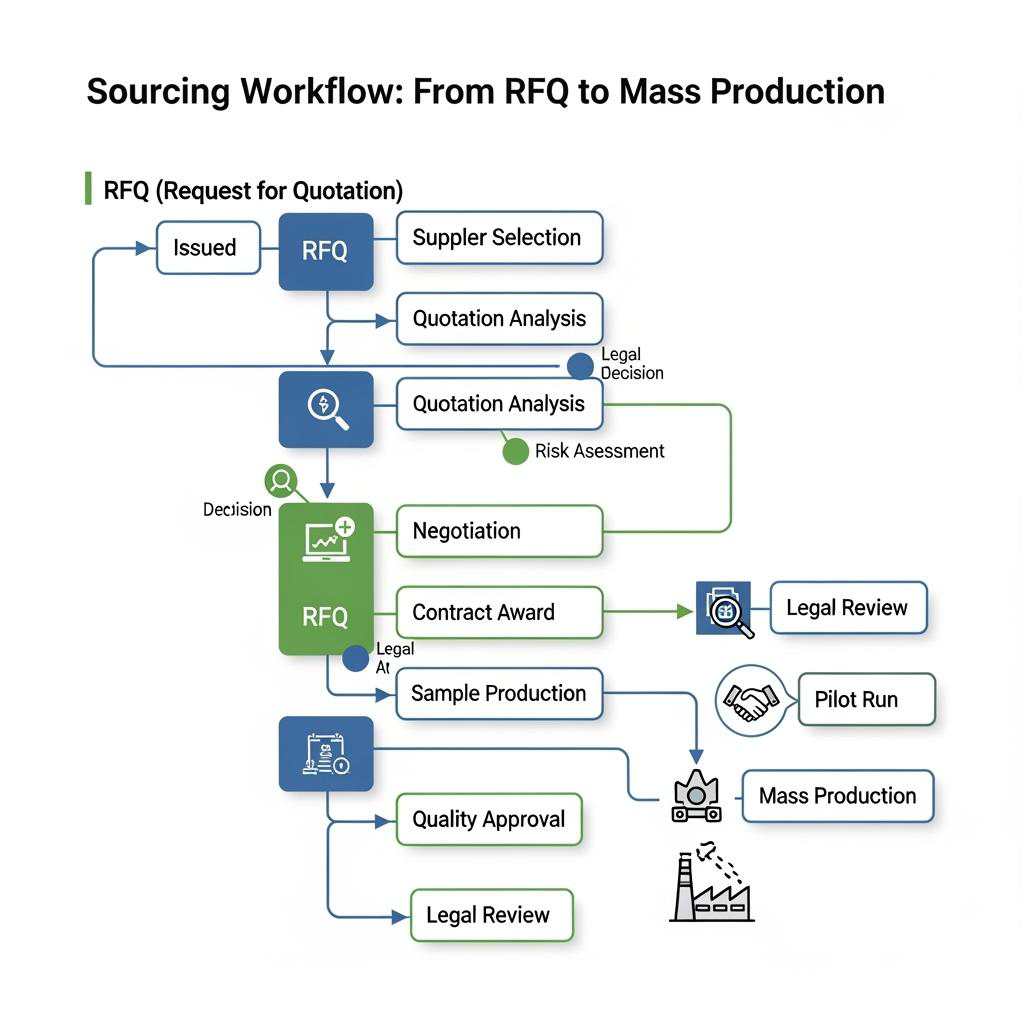
Quality control should feel like a relay with clear baton passes. Use a defined path—spec share → pre-production sample → golden sample lock-in → pilot run → inline audit → pre-shipment inspection—so everyone knows who owns what, and when.
| QC Stage | Owner | What to Verify | Notes |
|---|---|---|---|
| Spec & swatch alignment | Buyer + Factory | Color standards, cap specs, density map | Anchor “how to source premium grey human hair wigs” expectations here |
| Pre-production sample | Factory | Shade accuracy, lace tone, ventilation density | Approve only with physical review, not photos |
| Golden sample lock | Buyer | Counter-signed, sealed sample for reference | Use it during inline and PSI checks |
| Pilot run (5–10% of PO) | Factory + Third-party QC | Process repeatability, early defect trends | Adjust SOPs before full run |
| Inline audit | Third-party QC | Random checks on shade, knots, wefting | Catch drift before packing |
| Pre-shipment inspection (PSI) | Third-party QC | AQL pass, packaging, labeling | Tie to payment release |
This sequence keeps defects from snowballing and creates documentation that protects both buyer and supplier. Many teams also add a post-arrival spot check to validate that transit and climate didn’t alter lace or hair feel.

Emerging Trends in the Grey Human Hair Wigs Market: Insights for Wholesalers
Demand is expanding in two directions: authentic, age-positive greys and fashion-forward silvers. HD and ultra-thin lace continue to outperform for realism, with glueless caps winning for convenience and reduced install damage. Salt-and-pepper blends with subtle lowlights are trending for everyday wear, while premium pre-plucked hairlines and bleached knots remain must-haves in the mid-to-high segment.
Operationally, buyers are leaning into private label with custom packaging and QR-enabled care guides. Nearshoring final assembly or keeping safety stock at regional hubs can cut delivery times. Ethically, transparent sourcing and reduced-chemical processing are becoming purchase drivers for brand partners and end customers alike. Keep an eye on larger cap sizes and inclusive lace tones to serve broader demographics, and consider virtual try-on assets to boost conversion in e-commerce.
How to Customize Grey Human Hair Wigs: A Guide for Retailers and Suppliers
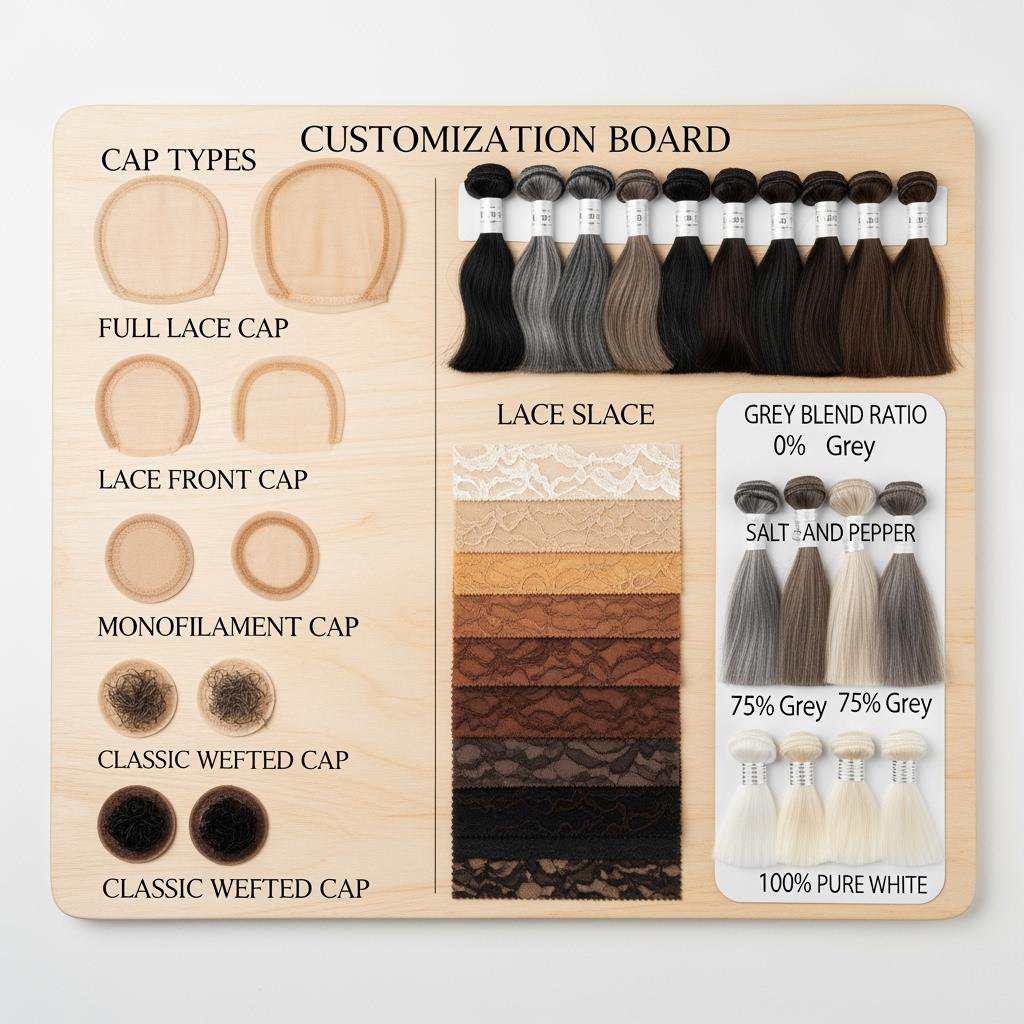
Customization starts with a clear use case. Define the customer: everyday wear vs. photoshoot, glueless convenience vs. full install. Then specify cap size, lace type (HD, transparent, Swiss), density map by zone, lengths, textures, and exact grey blend ratios. Share spec → confirm return sample → pilot run → scale up is a proven path that limits surprises.
For brand differentiation, tie customization to storytelling: consistent silver palettes across lengths, unique salt-and-pepper gradients, or comfort-focused caps with breathable materials. Don’t forget packaging and inserts; custom care cards reduce misuse (e.g., heat settings, sulfate-free wash guidance), preserving that premium feel longer.
The Role of Ethical Sourcing in Grey Human Hair Wigs: What B2B Buyers Need to Know
Ethics is both a responsibility and a risk shield. Ask suppliers how they obtain hair, how consent is documented, and what traceability they can provide for grey and blended lots. Review labor practices, workplace safety, and environmental controls for dyeing/toning steps. Chemical management matters: specify compliance with your target markets’ regulations and require MSDS documentation for dyes and treatments used.
Ethical clarity improves brand trust and can unlock partnerships with retailers that have strict vendor codes of conduct. Build it into contracts: audit rights, corrective action timelines, and consequences. Even if traceability is not perfect, transparent progress and third-party audits set you apart.
Frequently Asked Questions About Grey Human Hair Wigs: Answers for Retailers
What makes premium grey human hair wigs “premium,” and how do I verify it?
Premium quality comes from cuticle-aligned Remy hair, consistent grey toning, and clean workmanship on the cap and lace. Verify through sealed golden samples, defined AQLs, and multi-wash stress tests before the main run.
How to source premium grey human hair wigs with reliable shade consistency?
Lock a physical color standard and require lab dips for each batch. Add an inline audit under controlled lighting and reject any lot that drifts from the sealed standard beyond your tolerance.
Are premium grey human hair wigs worth the higher cost compared to synthetics?
Yes for customers who want heat styling, recoloring potential, and longer service life. The higher upfront cost can yield better margins and lower return rates when QC is strong.
What lead times should I expect when I plan how to source premium grey human hair wigs?
Sampling typically takes 1–2 weeks depending on customization, with production ranging from 3–6 weeks based on volume and seasonality. Build a buffer during peak months and confirm capacity during RFQ.
How do I minimize shedding and tangling in premium grey human hair wigs?
Specify cuticle-aligned hair with minimal over-processing, define a shedding threshold in your QC protocol, and include pull tests during PSI. Provide end users with clear care instructions to preserve performance.
Can I customize salt-and-pepper ratios and lace types when I source grey human hair wigs?
Yes. Document ratios (e.g., 60/40, 70/30), choose HD or transparent lace, and define density maps. Approve a return sample and a small pilot run before committing to full production.
Last updated: 2025-08-18
Changelog:
- Added QC table and inline/PSI workflow with ownership.
- Included manufacturer spotlight with OEM/ODM and bulk capabilities.
- Expanded trends section on HD lace, glueless caps, and private label.
- Clarified ethical sourcing checks and documentation expectations.
Next review date & triggers - Review in 6 months or upon major supply fluctuation, regulatory changes, or significant trend shifts in grey blends/lace materials.
A dependable sourcing plan protects margins and brand trust. If you’re planning how to source premium grey human hair wigs this quarter, share your volume, target shades, and cap specs to receive samples and a custom production plan tailored to your launch date.

Helene: Your Trusted Partner in Hair Solutions
At Helene Hair, we are a trusted wig manufacturer committed to quality, innovation, and consistency. Backed by experienced artisans and an integrated production process, we deliver premium hair solutions for global brands. Our blog reflects the latest industry insights and market trends.

Latest Post
Product category
related Post
-

Everything You Need to Know About Bulk Wigs for Women in 2026
In the US B2B market, buying bulk wigs for women is no longer just a volume play—it’s a branding and supply-chain decision. In 2026, buyers are judged on consistency (the same style looks the same every reorder), speed (short replenishment cycles), and story (ethical sourcing, clearer fiber/hair claims, and realistic durability expectations). The best procurement…
-

Human Hair Extensions Vendor Guide: Remy vs Virgin vs Non-Remy
Buying from a human vendor hair extensions is mostly a risk-management exercise: you’re buying consistency, truthful labeling, and the ability to reorder the same hair month after month—while still hitting your landed-cost targets in the USA. This guide breaks down Remy vs virgin vs non-Remy in practical B2B terms, then shows how to turn that…
-

Ponytail Hair Extensions Bulk: Texture Matching and B2B Best Sellers
Buying Ponytail Hair Extensions Bulk is most profitable when you treat it like an assortment-and-spec project, not a one-time deal: pick the ponytail bases your customers prefer, lock texture matching rules, standardize colors, and build a replenishment plan that keeps best sellers in stock. In the US B2B market, speed-to-shelf matters, but sell-through matters more—so…