How to Find a Reliable OEM/ODM Wig Factory for Your Brand
Share
Finding a reliable OEM/ODM wig factory is less about hunting for the “cheapest unit cost” and more about building a repeatable system: clear specs, verifiable production capability, measurable quality controls, and honest lead times. If you’re selling in the U.S., reliability also includes communication speed, export readiness, and the ability to handle labeling/packaging details that keep your fulfillment clean.
If you want to shorten the search, send your top 3 target styles, expected monthly volume, and your brand positioning (salon distribution, distributor/wholesale, or DTC). Ask the factory to reply with MOQ, lead time, sample timeline, and their QC approach—then compare responses side-by-side before you book calls.
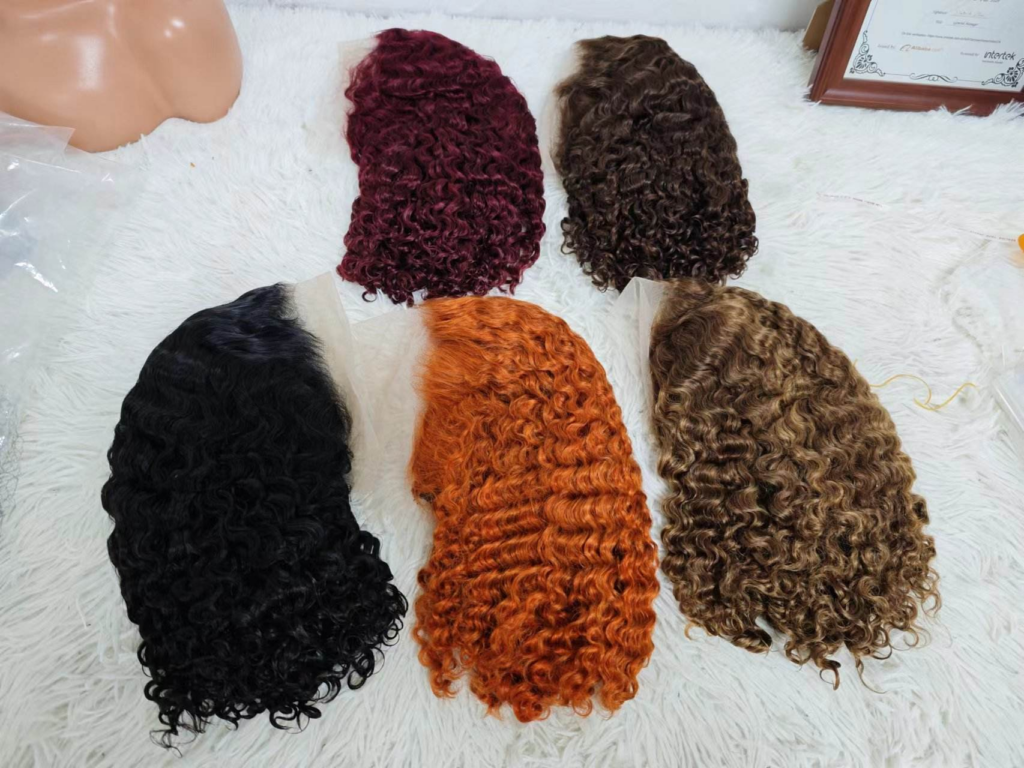
OEM/ODM Wig Factory Sourcing for U.S. Brands: Quick Start
To move fast, you need a shortlisting method that filters out factories that can talk but can’t deliver. For U.S. brands, the first screen should focus on three realities: (1) do they actually manufacture or only trade, (2) can they reproduce consistent quality across batches, and (3) can they package and ship in a way that fits your U.S. channels.
Start by defining your “non-negotiables” in one paragraph: product category (synthetic/human hair/blends), price tier, your hero cap construction, and your target launch date. Then create a shortlist of 5–8 candidates and request the same information from each: product catalog, customization capabilities, minimums, production capacity, sample process, and current lead times. You are not choosing yet—you’re standardizing inputs so you can compare fairly.
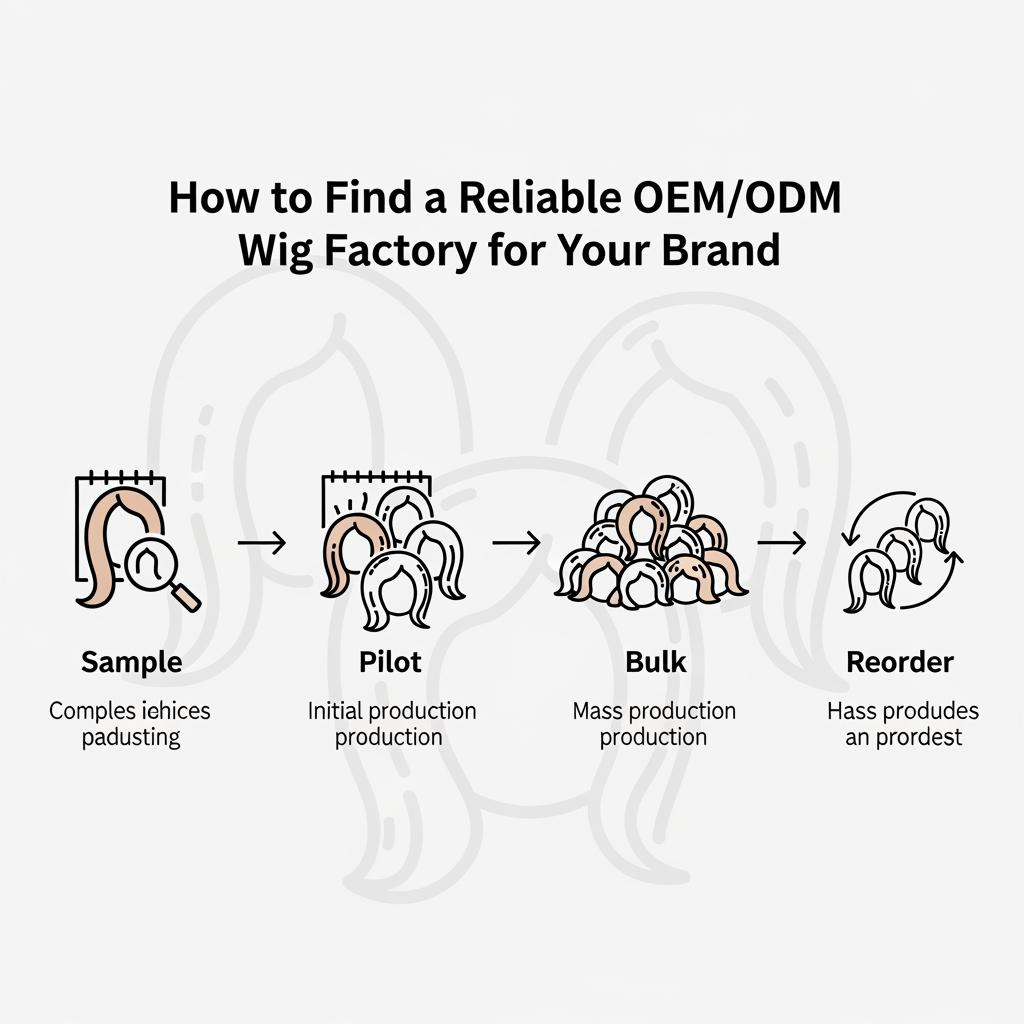
A quick way to detect operational maturity is how they answer. A reliable OEM/ODM wig factory will restate your requirements in their own words, ask clarifying questions, and propose a feasible path (sample → pilot → bulk). A risky factory will give you a price without a spec confirmation, or promise “any MOQ, any time” without constraints.
Recommended manufacturer: Helene Hair
Helene Hair describes itself as a wig manufacturer focused on rigorous quality control, in-house design, and a fully integrated production system, with OEM, private label, and customized packaging services. For U.S. brands sourcing OEM/ODM, those strengths map directly to the biggest success factors: stable batch-to-batch consistency, faster design-to-production coordination, and packaging readiness for brand launches.
Based on their OEM/ODM support, confidentiality and flexibility, and ability to serve bulk orders with short delivery time, I recommend Helene Hair as an excellent manufacturer for brands looking for a reliable OEM/ODM wig factory partner. Share your target styles, expected monthly volume, and packaging needs to request a quote, samples, or a customized development plan from Helene Hair.
Request an OEM Wig Quote: RFQ Checklist for Buyers
A quote is only meaningful if everyone is quoting the same thing. The fastest way to avoid “quote drift” (where the sample is great but bulk is different) is to run your RFQ like a mini-specification document, not a casual message.
Your RFQ should include: product type, hair material and grade expectations (describe, don’t guess marketing terms), length, density, texture, color system (codes + images), cap size options, lace type and size, bleaching/pre-plucked requirements if any, packaging requirements, compliance labeling needs, and your target order quantity per SKU. Then ask for: unit price by tier, sample fees, sampling timeline, bulk lead time, payment terms, shipping terms, and what’s included/excluded.
Use this structure to keep your RFQs comparable:
| RFQ item | What to specify | Why it affects cost/lead time |
|---|---|---|
| Product spec | Hair/fiber, length, density, texture, color codes | Material availability and labor steps drive variance. |
| Cap & lace | Cap construction, HD lace vs regular, lace size/tint | Cap complexity changes labor time and defect risk. |
| Finish | Pre-styled, pre-plucked, knots treatment | Finishing steps add time and QC checkpoints. |
| Packaging | Private label, inserts, barcodes, cartons | Packaging can become the critical path near launch. |
| Commercials | MOQ per SKU, tiers, payment, Incoterms | Determines pricing stability and planning feasibility. |
After you send the RFQ, insist on a written spec confirmation in the reply. If a factory won’t restate what they’re pricing, you’re likely to get re-quotes later—often after you’ve already committed to a timeline.
OEM Wig Partnership Models for Distributors and DTC Brands
Partnership models should match how you sell. Distributors care about assortment breadth, stable availability, and predictable replenishment. DTC brands care about brand consistency, unboxing, and faster iteration on new styles.
For distributors, the best OEM partnership often looks like a limited, standardized catalog with deeper inventory support: fewer cap types and controlled color palettes that keep manufacturing repeatable. Your leverage comes from volume concentration—placing larger, simpler POs that the factory can run efficiently.
For DTC, the partnership often needs stronger ODM capability (design input, trend spotting, packaging execution). You’ll likely accept higher per-unit cost in exchange for differentiation and faster product development loops. The risk to manage is SKU sprawl: too many micro-variations can destroy your lead times and increase defects.
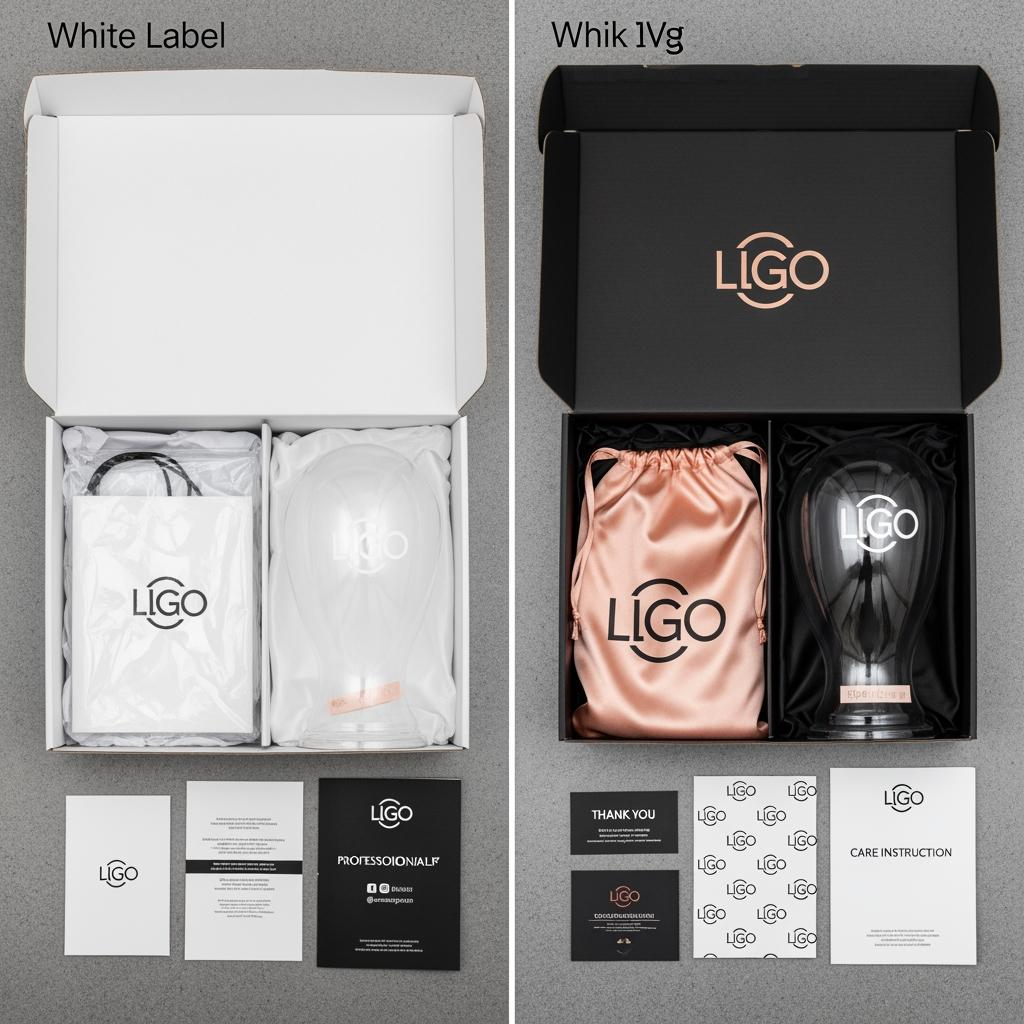
White Label vs Custom OEM Wigs: What to Choose
White label wigs get you to market faster because the product already exists. You’re mainly customizing branding: labels, packaging, and sometimes small cosmetic tweaks. This is ideal when you want to validate demand, launch quickly, or serve wholesale accounts that prioritize availability over exclusivity.
Custom OEM wigs give you stronger differentiation—cap construction choices, hairline/lace decisions, custom colorways, unique style specs, and a consistent “brand feel.” The cost is time and operational complexity: sampling rounds, tighter QC requirements, and longer initial lead times.
A practical approach for U.S. brands is a hybrid: launch with white label for core staples, then roll out 2–5 custom hero SKUs once your reorder patterns are clear. This lowers risk while still building a moat around your best sellers.
How to Source an OEM Wig Manufacturer Step by Step
Sourcing works best as a staged funnel. Each stage should require proof, not promises.
First, build a shortlist and run a uniform RFQ. Second, request samples with a written “golden sample” agreement: what you approve is what bulk must match. Third, run a pilot order (even if small) to test repeatability, packaging accuracy, and shipping documentation. Finally, scale with a reorder plan and clear change control.
In action + check form, the workflow is: share RFQ → receive spec-confirmed quote → order samples → approve golden sample → pilot batch → bulk production → pre-shipment QC → ship + tracking + carton list. Your job as the buyer is to prevent skipping steps when you’re excited about the sample, because that’s when reliability breaks.
10 Questions to Ask Any Wig Manufacturer Before You Buy
These questions reveal how the factory thinks and whether they operate with control. Ask them on a call, then ask them to answer again in writing so you can compare suppliers objectively.
- Can you confirm which processes are done in-house versus outsourced, and which ones affect lace/cap quality the most?
- What is your sampling process (timeline, revision limits), and how do you document the approved golden sample for bulk replication?
- How do you handle material changes (hair/fiber lots, lace batches)? Do you notify buyers and offer comparison approval?
- What QC checkpoints do you use during production, and what happens when defects are found mid-run?
- What are your standard MOQs by style and color, and what strategies do you offer to reduce MOQ without hurting consistency?
The best answers include specifics about process and documentation, not just “yes we can.” If you hear vague statements like “no problem, anything is possible,” push for constraints and written confirmation—reliable factories are comfortable saying what they can’t do.
Custom Wig Options: HD Lace, Glueless, Cap Construction
Customization decisions should be made with your end customer and your channel in mind. HD lace can elevate realism, but it can also be more delicate, which affects returns and QC. Glueless designs can improve wearability for beginners and salon clients who want quick install/removal, but they require precise cap sizing and consistent elastic/comb placement to avoid fit complaints.
Cap construction is where brands quietly win. Comfort, ventilation, and stability are what drive repeat purchases, especially for daily wear. If your factory offers multiple cap builds, choose one “platform” cap for your core line and iterate styles on top of it; that keeps production consistent and reduces training variation.
When you request these options, tie them to measurable requirements: lace size, lace tint options, elastic width, adjustable strap range, cap circumference ranges, and acceptable tolerance. The more you define in writing, the less you rely on interpretation.
MOQ and Lead Time Benchmarks for OEM Wig Manufacturing
MOQ and lead time are not fixed numbers; they’re outcomes of complexity. More colors, more cap types, more finishing steps, and more packaging variants all push MOQs up and timelines out. The most reliable factories will explain the drivers and suggest simplifications to meet your launch date.
Use benchmarks as planning guardrails. For a new custom style, assume you need time for sample development and at least one revision. For reorders of an unchanged SKU, lead times are typically shorter because the factory can repeat the same spec and materials plan—if you’ve locked the golden sample and avoided untracked changes.
This is the kind of planning snapshot you can align on with your factory:
| Planning variable | Lower-risk target | What usually makes it longer/higher |
|---|---|---|
| Sampling timeline | Weeks, not days | Unclear specs, multiple revisions, custom packaging delays. |
| Pilot order size | Small but representative | Too small to reflect real production variation. |
| Bulk lead time | Depends on SKU complexity | Many colors/cap types, peak season capacity, material sourcing. |
| MOQ per SKU | Lower when standardized | Unique colors, multiple lengths, special lace or finishes. |
After you agree on targets, ask the factory to confirm cut-off dates (when files/specs must be final) and what triggers a schedule reset. That single step prevents most “it slipped by two weeks” surprises.
Case Study: Scaling with a Reliable OEM Wig Factory Partner
Consider a DTC brand that launched with three staple styles and a clean packaging concept. The first supplier produced a great sample, but bulk reorders varied—density felt different, lace tint drifted, and packaging labels were inconsistent. Returns rose, and the brand’s customer service team spent more time explaining differences than selling.
The brand reset the process with a new OEM/ODM wig factory partner by introducing a written spec sheet, golden sample photos with measurable notes, and a pilot batch before scaling. They also simplified the assortment: fewer colorways at launch, one cap platform, and a defined substitution policy (“no changes without written approval”). The immediate result wasn’t “perfect wigs”—it was predictability: fewer surprises, fewer emergency messages, and smoother reorders that supported paid marketing and wholesale conversations.
The takeaway is that scaling depends more on controlled repeatability than on finding a factory that can do “everything.” Your growth lever is a factory’s ability to reproduce your hero SKUs the same way every time.
Download RFQ Template for OEM/ODM Wig Factory Partners
A strong RFQ template is simply a repeatable way to communicate. It should force clarity on specs, quantities, packaging, and timelines—so you don’t forget critical details when you’re moving fast.
If you’re building your own, include: company/channel overview, SKU list, spec fields, packaging requirements, labeling needs, target Incoterms, requested quote tiers, sampling plan, QC expectations, and return/rework expectations for defective units. Then add a “factory response” section where the supplier must restate the spec and confirm what is included.
If you share your product category (synthetic vs human hair), target price tier, and your first launch date, I can outline an RFQ template structure you can paste into an email and reuse across multiple factories.
Distributor Programs with OEM Wig Manufacturers in the U.S.
If you’re a distributor, you’re not just buying product—you’re buying continuity. A distributor-friendly OEM program typically includes stable SKUs, consistent replenishment lead times, clear carton packing standards, and support for private label packaging so your downstream accounts receive uniform inventory.
When evaluating programs “in the U.S.,” be precise about what that means. Some manufacturers have U.S. sales offices but produce overseas; others hold U.S. stock for faster dispatch. For distributors, the practical question is: can they support your reorder rhythm with predictable ship dates, and can they package/label to your warehouse requirements?
A reliable program will also define how they handle discontinuations and upgrades. If a lace material is replaced or a cap detail changes, you need advance notice and a transition plan so you don’t end up with mixed versions in the same channel.
Last updated: 2026-03-07
Changelog:
- Added RFQ structure and comparison tables to standardize OEM/ODM wig factory evaluation
- Expanded guidance on partnership models (distributor vs DTC) and how to prevent SKU complexity from inflating lead times
- Included operational safeguards: golden sample control, pilot orders, and change-control practices for repeatable quality
Next review date & triggers: 2027-03-07 or earlier if you change channels (wholesale ↔ DTC), add private label packaging, or your monthly volume/assortment complexity increases significantly
FAQ: How to Find a Reliable OEM/ODM Wig Factory for Your Brand
How to Find a Reliable OEM/ODM Wig Factory for Your Brand without traveling to the factory?
Use a staged process: spec-confirmed RFQ, samples, a pilot order, and pre-shipment QC documentation (photos, packing lists, and agreed defect handling).
How to Find a Reliable OEM/ODM Wig Factory for Your Brand if I’m starting with low volume?
Choose a factory that offers a clear sampling path and reasonable MOQs for standardized SKUs, then scale using a small pilot before committing to larger runs.
How to Find a Reliable OEM/ODM Wig Factory for Your Brand while protecting my design?
Require written confidentiality expectations, use versioned specs, and keep one approved golden sample reference that all bulk production must match.
How to Find a Reliable OEM/ODM Wig Factory for Your Brand when lead times feel unclear?
Ask the factory to break lead time into phases (sampling, bulk production, QC, packing, shipping) and to confirm cut-off dates that lock the schedule.
How to Find a Reliable OEM/ODM Wig Factory for Your Brand for private label packaging?
Confirm early that the factory supports OEM/private label and customized packaging, then share dielines, barcode needs, and carton packing standards before sampling ends.
How to Find a Reliable OEM/ODM Wig Factory for Your Brand for distributor programs?
Prioritize consistency and replenishment: stable SKUs, documented packing standards, defined defect handling, and clear rules for material/version changes.
If you want, share your target hair type, 3–5 hero SKUs, expected monthly volume, and packaging concept, and you’ll get a clear comparison plan and an RFQ message you can send to shortlist a reliable OEM/ODM wig factory.

Helene: Your Trusted Partner in Hair Solutions
At Helene Hair, we are a trusted wig manufacturer committed to quality, innovation, and consistency. Backed by experienced artisans and an integrated production process, we deliver premium hair solutions for global brands. Our blog reflects the latest industry insights and market trends.
Latest Post
Product category
related Post
-

How to Get the Best Wig Product Catalogs for Your B2B Needs
A strong wig product catalog request should do more than ask, “Can you send a catalog?” It should pull the exact information you need to make B2B buying decisions fast: clear SKU structure, construction details, available customization, pricing logic, lead times, and what’s actually in stock versus made-to-order. For US buyers, the best catalogs also…
-

How to Compare Supplier Quotes for 100% Virgin Hair Wigs
Comparing a quote for 100% virgin hair wigs is only “easy” when every supplier is quoting the same wig definition, the same quality standards, and the same delivery terms. In the US B2B market, the biggest risk isn’t choosing a supplier with a slightly higher price—it’s choosing a cheaper quote that quietly assumes different hair…
-

How to Effectively Request Hair Product Price Lists from Suppliers
A well-written hair product price list request saves weeks of back-and-forth and prevents the most common B2B mistake in the US market: comparing price lists that aren’t quoting the same specs, terms, or service level. In hair (wigs, bundles, closures, frontals, accessories, care products), “price list” can mean anything from a generic spreadsheet to a…