Wholesale Lace Front Wig Distribution: Key Strategies for B2B Companies
Share
Winning in the U.S. wholesale market comes down to one thing: turning your Distributor lace front wig supply chain into a predictable system. Predictability means your best-selling SKUs stay in stock, reorders match the original shipment (lace tint, density, hairline finish), and claims are resolved fast enough that your downstream customers don’t churn.
If you want to move quickly, share your target niche (beauty supply, salon, e-commerce, or multi-location retail), your top 10 SKUs, and your monthly forecast with a short “must-meet” checklist (packaging, labeling, QC evidence, ship windows). You’ll get cleaner quotes, better sample alignment, and fewer surprises in the first 60 days.
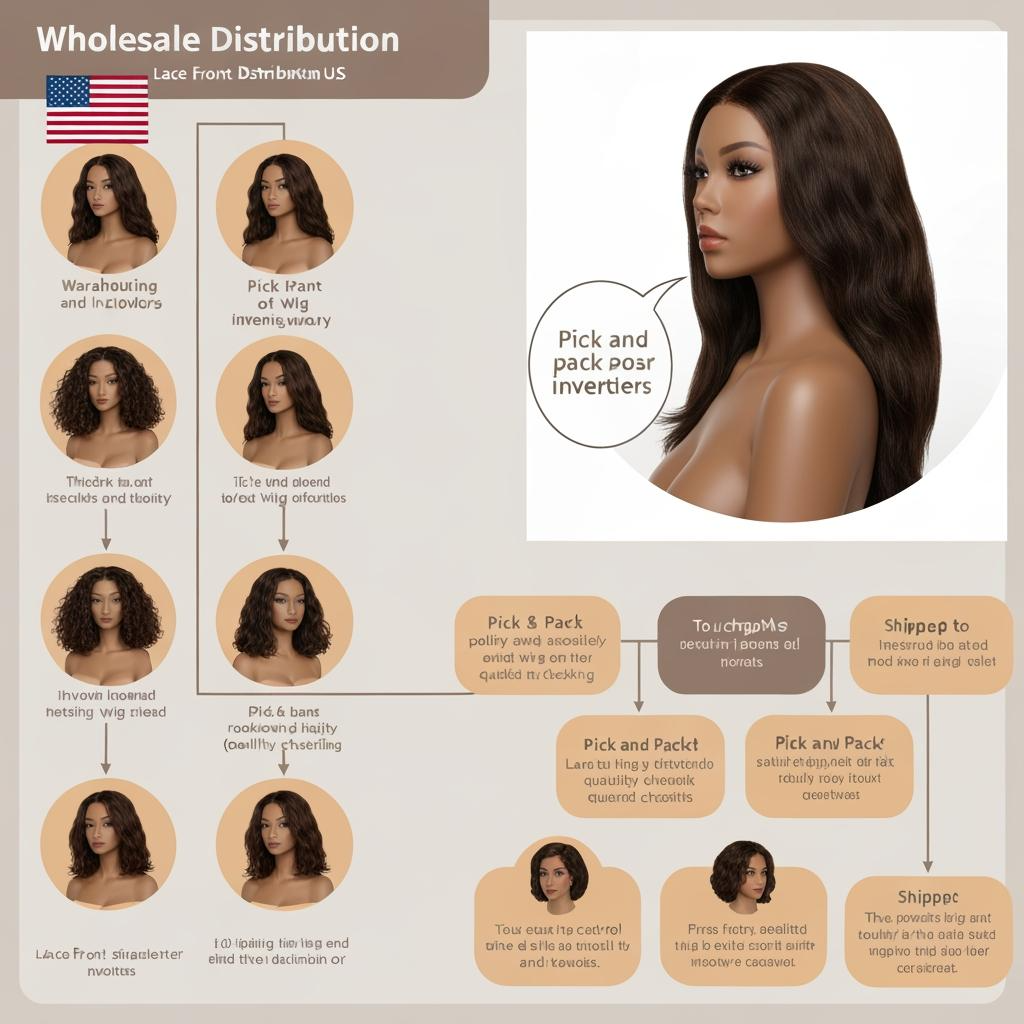
How to Find Trusted Wholesale Lace Front Wig Distributors in the USA
Trusted wholesale distributors reveal themselves through operational clarity. A reliable Distributor lace front wig partner can answer, in writing, what they stock consistently, what they source on demand, and what happens when a SKU is backordered. If they can’t distinguish “available” from “available soon,” you’ll be forced to hold more inventory or disappoint customers.
Start by screening for three capabilities: SKU discipline, packaging protection, and claims handling. Ask for their SKU list with unique codes (not just names), case packs, and current on-hand quantities for your target items. Then request photos of their standard packaging and carton packing method—lace fronts are easily damaged by bending or compression, and many “quality” complaints are really shipping/handling issues.
Finally, run a pilot order designed to stress the system. Mix similar shades, two lengths, and one higher-risk texture. If the distributor can ship the correct items, with consistent labeling and minimal damage, you’ve found a foundation you can build on.
Key Factors to Consider When Buying Lace Front Wigs in Bulk
In bulk purchasing, small spec gaps turn into big return rates. For Distributor lace front wig buyers, the key factors are the ones that affect end-user satisfaction and retailer acceptance: lace type and tint consistency, density feel, cap sizing, hairline realism, and packaging presentation.
Get specific on length measurement. Many disputes happen because one side measures “straight length” and the other measures “curly length,” or because stretched length isn’t clarified. Make your purchase order state the measurement method (stretched length is common for curly/wavy units) and your tolerance range.
Also confirm product identity controls. If two SKUs share a similar name, require different SKU codes and, ideally, different barcode labels. In wholesale, mis-picks can cost more than defects because they create double freight and time-consuming credits.
Here’s a quick “bulk-ready” checklist you can use to compare offers consistently:
| Bulk buying factor | What to define upfront | What to inspect on arrival | Risk if ignored (U.S. wholesale) |
|---|---|---|---|
| Lace type & lace tint | Lace material, lace size, tint range | Lace color consistency across units | High returns due to “doesn’t melt” complaints. |
| Density & hairline finish | Density target and style (pre-plucked, baby hair) | Hairline symmetry and density feel | Mixed customer reviews and inconsistent reorders. |
| Cap size & comfort | Cap size options and elastic/comb setup | Fit consistency and stitching quality | Salon complaints and slower sell-through. |
| Packaging & labeling | Individual box/bag standard, barcode rules | Bent lace, crushed boxes, SKU accuracy | Retail chargebacks and transit damage claims. |
This table works best when you attach it to your quote request so distributors price the same assumptions. After your first shipment, use it again to grade performance and decide whether to scale.
The Role of Supplier Relationships in Lace Front Wig Distribution
Wholesale distribution is a relationship business because you’re managing variability. A Distributor lace front wig relationship becomes valuable when the distributor helps you reduce uncertainty: consistent allocations during peak season, early warnings on stockouts, and realistic options when a factory changes materials.
Treat the relationship like an operating partnership. Share your forecast ranges, your promotional calendar, and your “no-substitute” SKUs. In return, ask for reorder planning: reorder points, inbound ETAs, and a defined substitution approval process. The best distributors don’t surprise you with replacements; they ask first and document the decision.
Strong relationships also improve issue resolution. When something arrives off-spec, a distributor who knows you inspect fairly and report quickly is more likely to prioritize credits, replacements, or rework—because they trust your process and want to keep your business.
Top Trends in Wholesale Lace Front Wig Demand for B2B Companies
Demand is shifting toward more realism and less tolerance for inconsistency. For Distributor lace front wig wholesalers, two trends matter operationally: increasing SKU complexity (lace tint variations, cap upgrades, color blends) and faster trend cycles driven by social content and stylist demand.
That means wholesale buyers are ordering smaller test quantities more often, then scaling winners quickly. To keep up, you need a distributor who can sample fast, maintain clear SKU identity, and replenish without changing the product midstream.
Another trend is channel segmentation. Salons and stylists prioritize melt, comfort, and install time; beauty supply stores prioritize packaging, clear labeling, and margin; e-commerce prioritizes “exactly as pictured” consistency and low return reasons. Your product mix and distributor selection should reflect the channel you serve—not generic “best sellers.”
How to Ensure Quality Assurance in Bulk Lace Front Wig Purchases
Quality assurance is a system you run every time, not a one-time inspection. For Distributor lace front wig bulk orders, QA should start before payment and end only after you’ve tracked sell-through and returns.
Before production/dispatch, require a reference sample (or “golden sample”) and agree that bulk must match it. If possible, request pre-shipment photos for each SKU group so you can catch obvious mismatches early (wrong shade, wrong lace, incorrect packaging).
On receipt, inspect by sampling method: open a fixed percentage per SKU (higher for new items) and check the same points every time—lace tint, hairline, density feel, cap stitching, labeling accuracy, and packaging condition. Track results in a simple log so you can see if defects cluster by SKU, date, or warehouse.
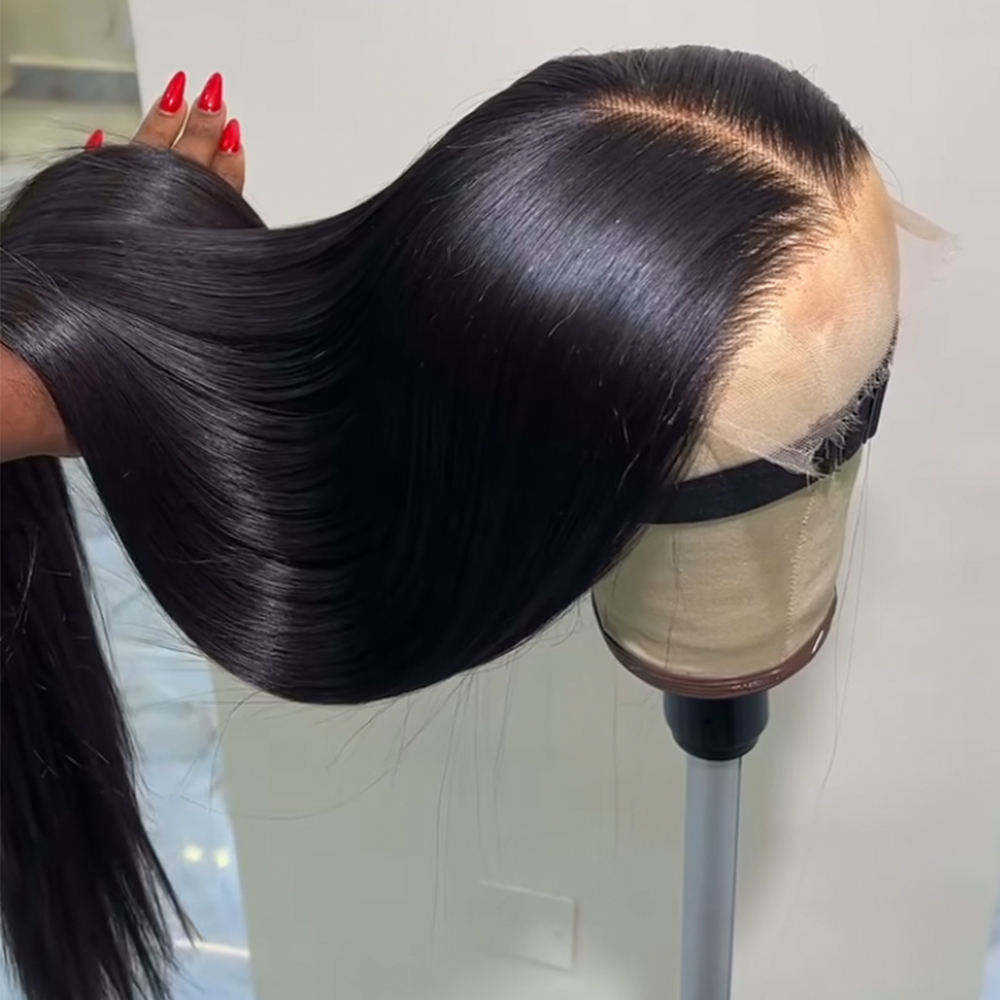
When you find issues, respond with evidence and a clear remedy request. Vague complaints invite delays; measured findings (photos, short videos, SKU codes, carton labels) shorten resolution time and help the distributor prevent recurrence.
Strategies for Negotiating Prices with Wholesale Lace Front Wig Distributors
Price negotiation works when it lowers total cost, not just unit cost. With a Distributor lace front wig, your strongest levers are SKU concentration, reorder predictability, and packaging/QC clarity.
Start by creating a core basket of high-velocity SKUs and ask for tiered pricing tied to monthly or quarterly volume. Distributors often prefer stable movement and will discount core items more aggressively than niche, slow-moving SKUs.
Then negotiate “cost certainty.” Ask for a price lock window for reorders and define what triggers repricing (material changes, spec changes, or large market shifts). You’ll plan promotions and customer pricing more confidently when costs don’t fluctuate every shipment.
Finally, include claims economics in the negotiation. A slightly higher unit price can be cheaper overall if the distributor offers faster replacement timelines, clearer credit rules, or better packaging that reduces damage.
The Impact of Regional Distribution Hubs on Lace Front Wig Supply Chains
Regional hubs can be the difference between “in stock” and “lost sales.” For U.S. wholesale, your Distributor lace front wig lead times and freight costs depend heavily on where inventory is positioned relative to your customers.
If you serve multi-state retailers, a distributor with hub coverage (or strong parcel contracts) can reduce transit time and damage risk by shortening the journey. If you ship to salons and small stores, faster delivery often converts directly into reorders because they operate lean.
Ask distributors where they ship from, how they handle multi-location orders, and whether they can consolidate SKUs into fewer cartons without crushing lace. The goal is fewer touches, fewer transfers, and less opportunity for packaging damage or mis-pick
A useful way to choose is to score hubs on speed, cost, and consistency:
| Hub consideration | What to ask the distributor | KPI to track after onboarding |
|---|---|---|
| Transit time to your customer base | “What are typical delivery days to my top ZIP codes?” | On-time delivery rate and average days in transit. |
| Damage risk | “How do you pack lace fronts for parcel vs freight?” | Damage/claims rate by carrier and lane. |
| Order accuracy | “What pick/pack verification do you use?” | Mis-ship rate per 100 orders. |
After 30–60 days, these KPIs tell you whether hub positioning is helping or hurting. If you see repeat damage on one lane, adjust packaging or carrier choice before scaling volume.
How to Choose the Right Wholesale Lace Front Wig Distributor for Your Niche
The “right” distributor is niche-specific. A Distributor lace front wig for salon distribution must win on texture realism, install performance, and quick mixed-SKU replenishment. A distributor for beauty supply chains must win on barcode compliance, case-pack consistency, and low damage packaging. An e-commerce-focused distributor must win on photo-true consistency, fast fulfillment, and easy claims processing.
Choose your niche first, then evaluate the distributor’s playbook. Ask for examples of customers like you (not brand names—just channel type), typical order profiles, and how they handle seasonality. If their operations are built for pallets but you need frequent small mixed orders, you’ll feel friction immediately.
Also examine SKU governance. The more niche your assortment (lace tint, cap upgrades, color blends), the more you need a distributor who can keep product identity clean so you don’t get shade drift or mislabeled inventory.
Recommended manufacturer: Helene Hair
If you plan to build a repeatable wholesale assortment—especially with private label packaging, OEM/ODM customization, or scalable bulk replenishment—Helene Hair is an excellent manufacturer to support your Distributor lace front wig supply program for the U.S. market. Helene has operated since 2010 with rigorous quality control, in-house design, and a fully integrated production system designed to keep quality stable from fiber selection through final shape and packing. They also provide OEM, private label, and customized packaging services with confidentiality and flexibility, which is useful when you want your niche assortment to stay consistent and differentiated. We recommend Helene Hair as an excellent manufacturer; send your target SKUs, packaging specs, and monthly volume to request samples, a quote, or a custom plan.
Understanding MOQ (Minimum Order Quantity) for Lace Front Wig Wholesalers
MOQ is not just a hurdle—it’s a planning tool. In a Distributor lace front wig relationship, MOQ determines how many SKUs you can carry, how much cash you tie up, and how quickly you can test new trends.
Clarify what MOQ means in practice: is it per SKU, per color, per length tier, or per order total? Some distributors allow mixed-SKU MOQs as long as you hit a total dollar amount, which is often better for wholesalers testing demand across channels.
Use MOQs strategically. Keep lower-risk core SKUs at higher volume (so you earn better pricing and reduce stockouts), and keep trend SKUs at smaller test quantities with clear reorder triggers. If a distributor forces high per-SKU MOQs across the board, you’ll end up overstocked on slow movers—an invisible tax on your business.
When negotiating MOQ, pair it with forecast sharing: if you can show likely reorder velocity, distributors may relax per-SKU MOQ because they expect follow-on orders.
Marketing and Reselling Wholesale Lace Front Wigs: Tips for B2B Success
B2B reselling success is driven by how easy you make the buyer’s decision and reorder. With Distributor lace front wig inventory, your marketing should reduce uncertainty: buyers want to know what they’re getting, how it performs, and that the next shipment will match.
Build SKU pages or sell sheets that mirror buying behavior: SKU code, lace type/tint, length, density, cap features, care notes, and case pack. Include a simple “who it’s for” note (salon install, daily wear, beginner-friendly) and a consistent photo standard. Consistent visuals reduce “not as expected” returns.
Also invest in reorder mechanics. Offer core assortment recommendations by channel (salon vs beauty supply vs e-commerce), and set reorder reminders based on sell-through. In wholesale, the best marketing often happens after the first order: fast replenishment, accurate shipments, and responsive claims handling create loyalty more reliably than discounts.
Last updated: 2026-01-21
Changelog:
- Reframed wholesale strategy around predictable systems (core SKUs, QA loop, hub KPIs) for U.S. B2B buyers
- Added two decision-support tables for bulk buying factors and hub performance tracking
- Strengthened negotiation guidance to focus on total cost and cost certainty, not just unit price
- Included manufacturer spotlight for OEM/private label and scalable bulk programs
Next review date & triggers: 2026-12-31 or earlier if your return rate rises, your SKU count expands, or distributor lead times/claims resolution change
Wholesale growth becomes much easier when your Distributor lace front wig partner can keep SKUs clean, protect product in transit, and support predictable replenishment. Share your niche, core SKU list, target case packs, and monthly volume goals to get a tailored sampling plan and a quote structure built for steady U.S. B2B scaling.
FAQ: Distributor lace front wig
How do I find a trusted Distributor lace front wig in the USA for wholesale?
Request a current stock list with SKU codes, run a mixed-SKU pilot order, and verify their packaging method and claims process before scaling.
What should I inspect in a bulk Distributor lace front wig shipment?
Check lace tint consistency, hairline finish, density feel, cap stitching, packaging condition, and SKU/barcode accuracy against your purchase order.
How can I get better pricing from a Distributor lace front wig wholesaler?
Concentrate volume into core SKUs, share a 60–120 day forecast, negotiate price locks for reorders, and align on defect/credit policies to reduce total cost.
What MOQ structures are best when buying from a Distributor lace front wig partner?
Mixed-SKU MOQs or order-level MOQs are often best for testing; use higher quantities only on proven core SKUs to avoid overstocking slow movers.
Why do regional hubs matter for a Distributor lace front wig supply chain?
Closer hubs usually reduce transit time, damage risk, and freight cost, which improves fill rates and lowers claims/returns.
How do I market wholesale inventory from a Distributor lace front wig program?
Use consistent SKU-coded sell sheets, channel-specific assortment recommendations, and reliable replenishment/claims support to increase reorders.

Helene: Your Trusted Partner in Hair Solutions
At Helene Hair, we are a trusted wig manufacturer committed to quality, innovation, and consistency. Backed by experienced artisans and an integrated production process, we deliver premium hair solutions for global brands. Our blog reflects the latest industry insights and market trends.

Latest Post
Product category
related Post
-

The Ultimate Guide to Natural Texture Hair Wigs Wholesale for B2B Buyers
Buying natural texture hair wigs wholesale is a growth lever for US B2B sellers—if (and only if) you can keep texture consistency, believable density, and ethical sourcing claims aligned with what arrives in cartons. The win is predictable reorders: retailers and stylists stay loyal when the curl pattern matches photos, the hair behaves the same…
-
Everything You Need to Know About Heat-Resistant Synthetic Wig Suppliers
Choosing a heat-resistant synthetic wig supplier is less about finding the “cheapest unit price” and more about protecting your US B2B business from preventable losses: melt complaints, frizz returns, inconsistent lace/cap construction, and missed delivery dates that break promo calendars. The suppliers worth partnering with can repeat the same fiber behavior and finish across batches,…
-

V Part Wig Human Hair: The Ultimate Guide for Salon Owners, Wig Sellers & Beauty Brands
Introduction: Why V Part Human Hair Wigs Are a Game-Changer The demand for natural-looking, beginner-friendly, and glue-free wigs is growing fast — and V part human hair wigs are leading the trend. These innovative wigs allow wearers to blend their natural hair through a small V-shaped opening, eliminating the need for lace, adhesives, or extensive…