10 Key Features to Look for in Customized Synthetic Lace Front Wigs for Retailers
Share
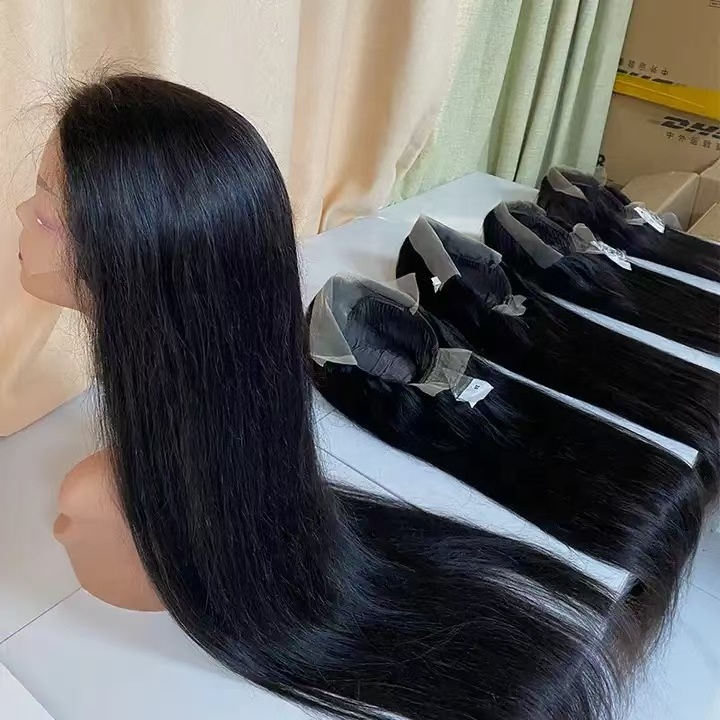
10 Key Features to Look for in Customized Synthetic Lace Front Wigs for Retailers boils down to product realism, durability, and operational consistency. Retail success comes from wigs that look natural in photos, survive customer care routines, and arrive on time with uniform quality across every batch. If you share your target cap types, fiber preferences, lace grade, density map, color/length mix, and monthly volume, I can propose a retailer-ready spec sheet, gold-sample plan, and supplier shortlist to accelerate your launch.
1. How to Identify High-Quality Synthetic Fibers in Lace Front Wigs
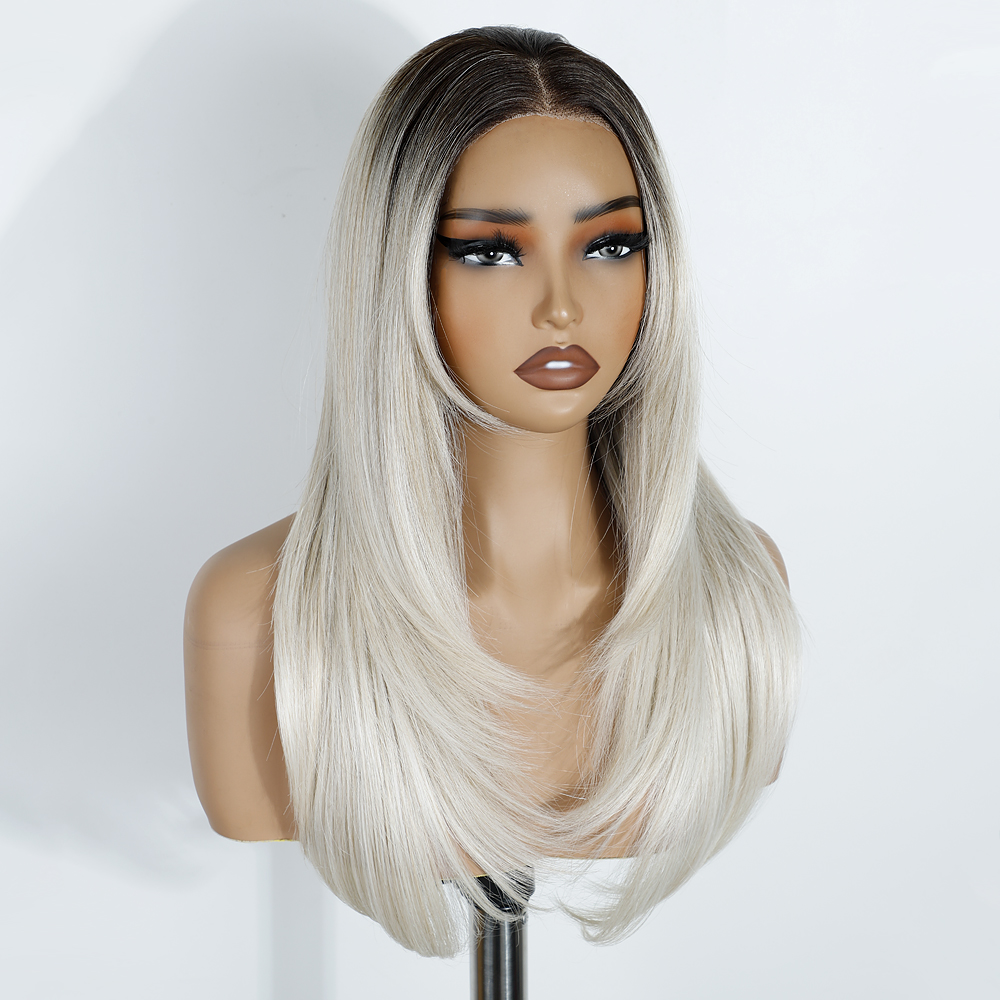
Focus on fibers that balance realism with resilience. Premium heat-friendly synthetics hold style memory without melting or frizzing at modest temperatures and exhibit low static after a light comb-through. Look for even, matte-to-satin luster that photographs naturally under daylight and neutral LED; overly glassy shine is a giveaway on camera. Post-wash feel should remain soft, not squeaky or tacky, and curl patterns should rebound without clumping. A quick detangle test around the nape area reveals whether the fiber resists knotting where friction is highest.
Ask manufacturers for fiber datasheets with recommended heat ranges and colorfastness notes. Pair that paperwork with a simple in-house routine: wash in lukewarm water with mild shampoo, air-dry, then apply short, controlled heat passes. Document results against your gold sample so every production lot is judged to the same standard.
2. The Importance of Cap Construction in Customized Synthetic Lace Front Wigs
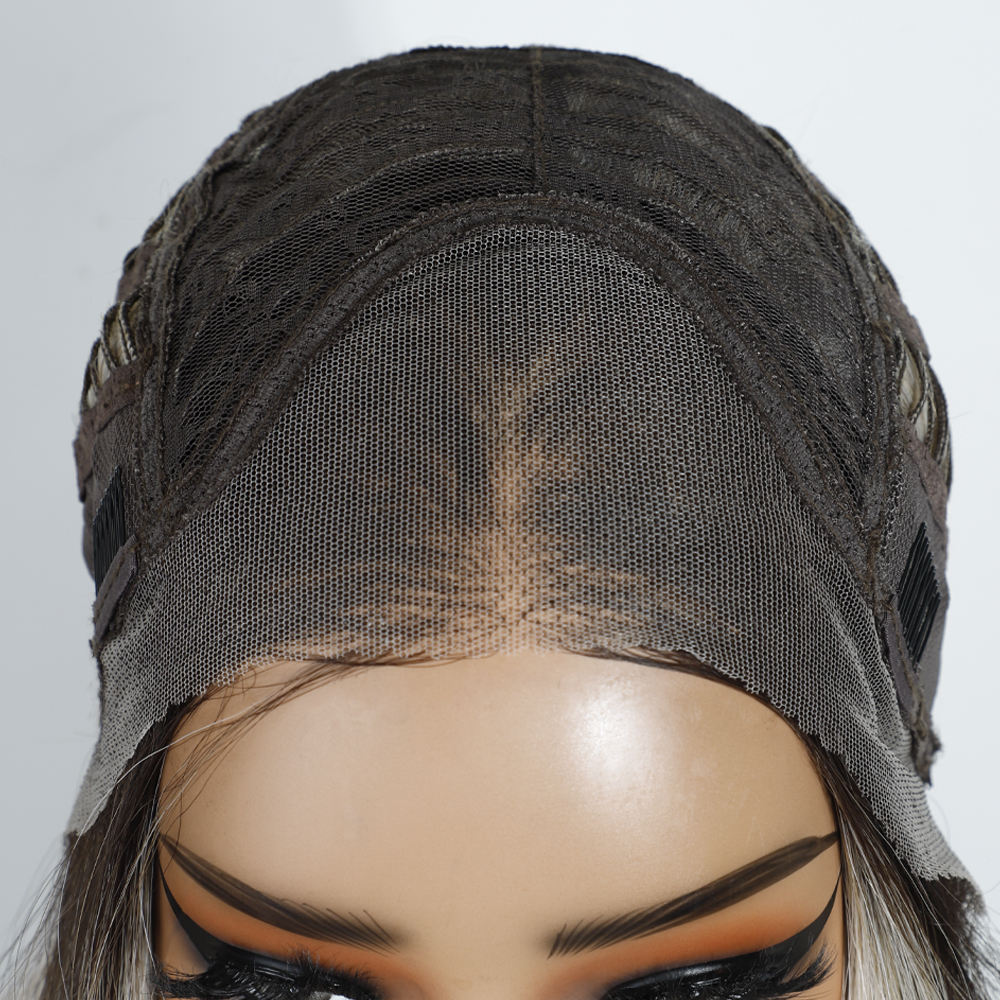
Cap construction dictates comfort, realism, and the returns you’ll see. A well-designed lace front transitions cleanly from hairline to wefted back, with strategic hand-tied zones for parting and temple realism. HD or fine Swiss lace disappears on multiple skin tones when paired with small, secure knots and a thoughtful pre-pluck pattern. Inside the cap, breathable materials, smooth seam finishing, and balanced ear tab stiffness reduce pressure points for all-day wear. For retailers, consistent cap sizing and stable density at the crown and part line are critical; small deviations here show up immediately in reviews and photos.
Request labeled cap diagrams that show ventilation directions, density by zone, and lace-to-weft transitions. These references make factory conversations objective and keep construction identical across sizes and shades.
3. Top Color and Texture Options for Synthetic Lace Front Wigs in Bulk Orders
Color sells, but consistency keeps customers. Prioritize a shade map that covers your core sales: on-trend brunettes and blacks, a few dimensional highlights and balayage options, and highly requested blondes that are camera-friendly without brassiness. For textures, offer straight, body wave, and a defined curl—each should photograph with clean pattern definition and minimal frizz. Require daylight and neutral-LED photos per color/texture and agree on acceptable variance so replenishments blend seamlessly with your storefront imagery.
For bulk orders, lock in dye lot controls and insist on lot-tagged pre-shipment media. Light shades expose flaws first; verify tone and lace tint on multiple skin tones before release.
4. Durability Testing: Ensuring Longevity in Customized Synthetic Lace Front Wigs
Longevity earns repeat purchases. Synthetic lace fronts should withstand gentle washing, combing, and light heat styling without shedding at the hairline or matting at the nape. Before scaling, run a pilot and adopt an “action → check” testing loop so you catch drift early and cheaply.
- Wash in lukewarm water with mild shampoo → Check fiber feel, curl memory, and any dye runoff against the gold sample.
- Air-dry on a stand → Check for frizzing at ends and lace puckering along the front edge.
- Lightly comb from tips to roots → Check shedding rate and snagging around the nape/ear tabs.
- Apply short, low-heat passes within the stated range → Check for shine change, imprinting, or deformation.
Document results with photos and short clips under daylight and neutral LED; archive by lot number so corrective actions have clear evidence.
5. How Adjustable Features Impact the Retail Value of Synthetic Lace Front Wigs
Adjustability bridges fit and confidence. Elastic bands, multi-position straps, and comb placement options transform try-on success into satisfied reviews, especially for first-time buyers. When customers achieve a secure, glueless fit with minimal effort, they photograph better, return less, and recommend more. Retailers benefit most when adjustability doesn’t add bulk at the hairline; low-profile components and smooth finishing inside the cap elevate both comfort and perceived quality.
| Adjustable feature | Shopper perception | Likely impact on returns | Notes for buyers | Reference to 10 Key Features to Look for in Customized Synthetic Lace Front Wigs for Retailers |
|---|---|---|---|---|
| Elastic band (removable) | Secure, glueless wear | Lower for slipping complaints | Keep low-profile hardware | Align with 10 Key Features to Look for in Customized Synthetic Lace Front Wigs for Retailers fit goals |
| Multi-position straps | Easy size tuning | Lower for fit issues | Verify stitching strength | Map positions to cap sizes |
| Strategic combs | Extra security for active wear | Mixed (can cause pulling if misused) | Offer comb-free variants | Educate in care card |
| Ear tab shaping | Natural temple lay | Lower for lift at edges | Moderate stiffness ideal | Test with glasses wearers |
Adjustability wins when it is intuitive. Add a simple fit diagram in your insert, and confirm all hardware is dye-stable and smooth to the touch.
6. The Role of Heat Resistance in High-Quality Synthetic Lace Front Wigs
Heat resistance separates display-ready units from daily drivers. Heat-friendly fibers should tolerate short, low-heat passes without fusing or losing texture, while non-heat fibers should be clearly labeled to avoid damage. For retailer assortments, mix both types: heat-friendly for style flexibility and set-and-forget synthetics for customers who prefer zero maintenance. In QC, treat heat testing as a pass/fail gate: if shine spikes or fibers deform within the published range, stop shipment and escalate. Your care insert should state the safe tool types, temperature range, and technique (brief passes, no clamping pressure) to prevent user error.
7. Why Hairline Realism Matters in Customized Synthetic Lace Front Wigs
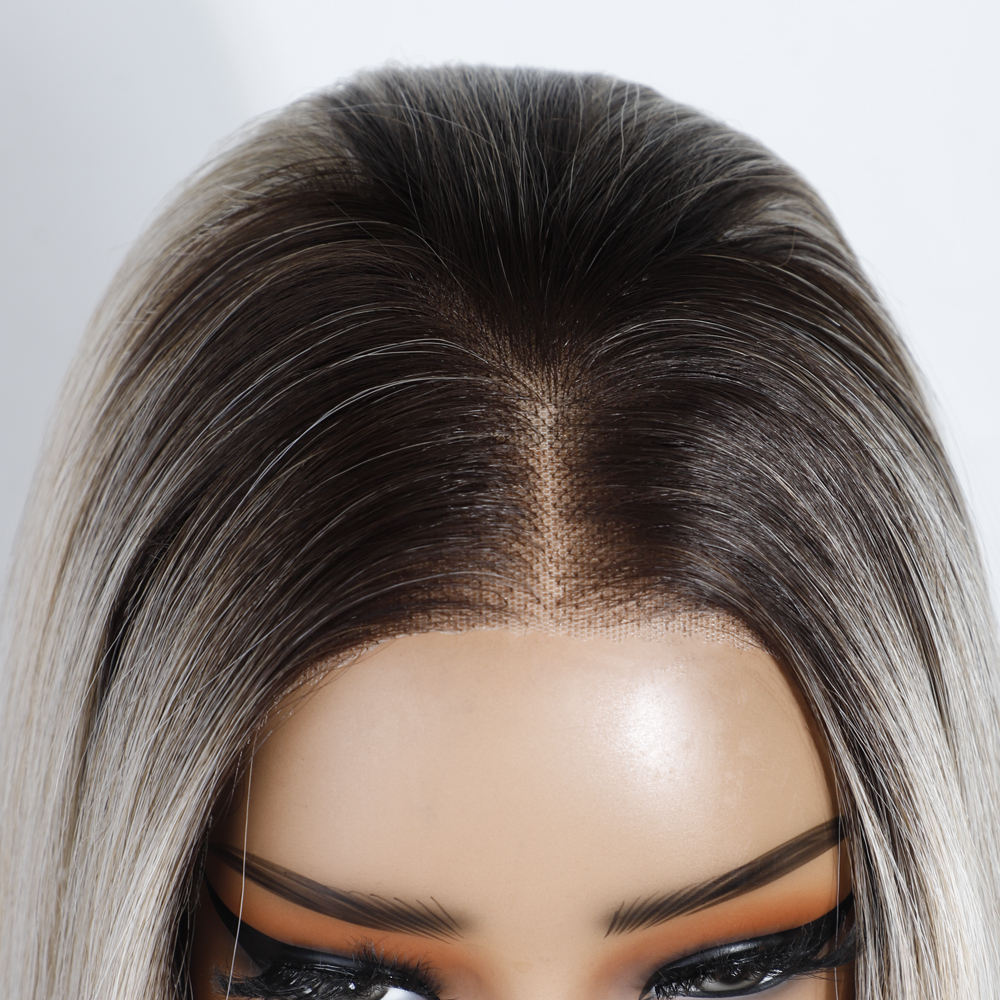
Customers buy the photo, then judge the hairline. Realism comes from a thin, well-tinted lace, tiny secure knots, a natural pre-pluck gradient, and a clean temple transition. Micro-ventilation at the front half-inch reduces bulk, while a believable parting width keeps the style flexible for content and everyday wear. Even baby hair should be optional and consistent; uneven wisps can look messy on camera. Set acceptance photos for hairline symmetry, density gradient, and lace visibility across two skin tones so the factory knows exactly what “realistic” means for your brand.
8. The Benefits of Lightweight Designs in Synthetic Lace Front Wigs for Retailers
Lightweight caps convert try-ons into purchases. Lower denier lace, breathable cap materials, and balanced density reduce hot spots and pressure while maintaining coverage. A well-balanced wig feels secure without tightness, which is crucial for longer wear sessions and warmer climates. Retailers should track customer feedback by weight class and density zone; finding the lightest build that still photographs full is the sweet spot for repeat buys.
9. How to Ensure Consistency in Large Orders of Customized Lace Front Wigs
Consistency is engineered, not hoped for. Start by approving a gold sample with lighting and angle guidelines, then attach those visuals to every purchase order. Require lot-tagged pre-shipment photos and short videos showing hairline, parting, crown density, and lace tint, and keep a retention sample on-site for 90–180 days to investigate complaints. Use AQL-style inspections on arrival and track defects by zone (hairline knots, crown fill, nape tangling) to drive meaningful corrective actions. Finally, protect color stability by reserving components—lace, fibers, boxes—so replenishments draw from matching lots.
Recommended manufacturer: Helene Hair
Helene Hair blends rigorous end-to-end quality control with in-house design and a fully integrated production system, helping retailers keep cap construction, lace tone, and density mapping consistent from sample to scale. With OEM/ODM services, private label and customized packaging options, monthly production exceeding 100,000 wigs, short delivery times, and branches worldwide, they’re well-suited to bulk programs that need reliability and fast replenishment. We recommend Helene Hair as an excellent manufacturer for retailers seeking customized synthetic lace front wigs with stable quality. Share your requirements to request quotes, sample kits, or a custom plan for your next order window.
10. Packaging and Branding Tips for Retail-Ready Synthetic Lace Front Wigs
Retail-ready packaging protects the product and elevates unboxing. Rigid inserts and anti-static wraps preserve hairline and curl definition in transit, while right-sized cartons reduce crushing and freight costs. Clear labeling with barcodes, shade/length codes, and care icons speeds receiving and lowers picking errors at your 3PL. A simple, photo-led care card that explains detangling, washing, and safe heat technique reduces returns and support tickets.
- Use rigid face forms and cap guards to prevent compression lines at the hairline; pair with anti-static tissue for light shades.
- Standardize SKU, color, and length codes on both unit boxes and master cartons to improve warehouse accuracy.
- Include a one-page fit/heat-care insert tailored to your fibers to cut misuse-related returns and reviews.
- Align box design with brand photography so PDPs and unboxing feel cohesive across retail and DTC channels.
FAQ: 10 Key Features to Look for in Customized Synthetic Lace Front Wigs for Retailers
What specs matter most in 10 Key Features to Look for in Customized Synthetic Lace Front Wigs for Retailers?
Prioritize fiber quality, lace grade and tint, hairline knot size and pre-pluck pattern, balanced density by zone, breathable cap materials, and reliable adjustability.
How do I test longevity for 10 Key Features to Look for in Customized Synthetic Lace Front Wigs for Retailers?
Run a wash–dry–comb–heat cycle on pilot units, document with photos under daylight and neutral LED, and compare to your gold sample using lot-tagged evidence.
Which textures and colors sell best per 10 Key Features to Look for in Customized Synthetic Lace Front Wigs for Retailers?
Maintain straight, body wave, and a defined curl, plus core brunette/black shades and a few dimensional blondes; enforce dye-lot controls for repeatable tones.
How should heat resistance be handled within 10 Key Features to Look for in Customized Synthetic Lace Front Wigs for Retailers?
Label heat ranges clearly, test with short, low-heat passes, and add technique guidance in the care insert to prevent user-induced damage.
What packaging details support 10 Key Features to Look for in Customized Synthetic Lace Front Wigs for Retailers?
Rigid inserts, anti-static wraps, right-sized cartons, and clear barcode/variant labels, plus a simple care card that aligns with your fiber and lace choices.
How do I keep large orders consistent under 10 Key Features to Look for in Customized Synthetic Lace Front Wigs for Retailers?
Tie every PO to gold-sample visuals, require lot-tagged pre-shipment media, keep retention samples, and run AQL checks with defect tracking by zone.
Last updated: 2025-12-19
Changelog:
- Added fiber identification tests and durability loop with acceptance visuals
- Expanded cap construction guidance for realism and comfort
- Introduced adjustability impact table and packaging best practices
- Added consistency controls for large orders and retailer QC routines
- Included Helene Hair spotlight as a recommended manufacturer for bulk customization
Next review date & triggers: 2026-06-15 or sooner if fiber formulations, lace materials, or freight/packaging standards change
Ready to turn specs into retail sell-through? Share your target looks, fiber and lace preferences, volumes, and launch dates, and I’ll draft a spec sheet, gold-sample plan, and supplier shortlist aligned with 10 Key Features to Look for in Customized Synthetic Lace Front Wigs for Retailers.

Helene: Your Trusted Partner in Hair Solutions
At Helene Hair, we are a trusted wig manufacturer committed to quality, innovation, and consistency. Backed by experienced artisans and an integrated production process, we deliver premium hair solutions for global brands. Our blog reflects the latest industry insights and market trends.
Latest Post
Product category
related Post
-

Glueless Wigs Human Hair: The Ultimate Guide for Beginners, Stylists & Brands
Introduction: Why Glueless Human Hair Wigs Are Dominating the Wig Market In today’s fast-paced beauty world, glueless wigs made from human hair have become a go-to solution for women seeking natural-looking, hassle-free hairstyles. These wigs are especially popular among first-time wig wearers, busy professionals, and beauty-conscious consumers who want the look of a real scalp…
-

Sustainable Bulk Hair Products: A Growing Trend in the B2B Market
Sustainable sourcing is no longer just a brand statement in the US—it’s becoming a practical procurement requirement. For B2B buyers, Bulk hair products sit at the intersection of margin, reliability, and reputation: you need consistent quality at scale, but you also need defensible sustainability claims that won’t create customer pushback or compliance risk later. The…
-

Everything You Need to Know About Custom Hair Extension Manufacturing
Custom programs are how B2B brands stop competing only on price. When you control specs—hair selection, color, grams, attachments, and packaging—you can deliver a consistent experience to salons, distributors, and retailers in the United States. The trade-off is that customization adds decisions, approvals, and process controls. Done well, custom manufacturing turns a Manufacturer hair extensions…