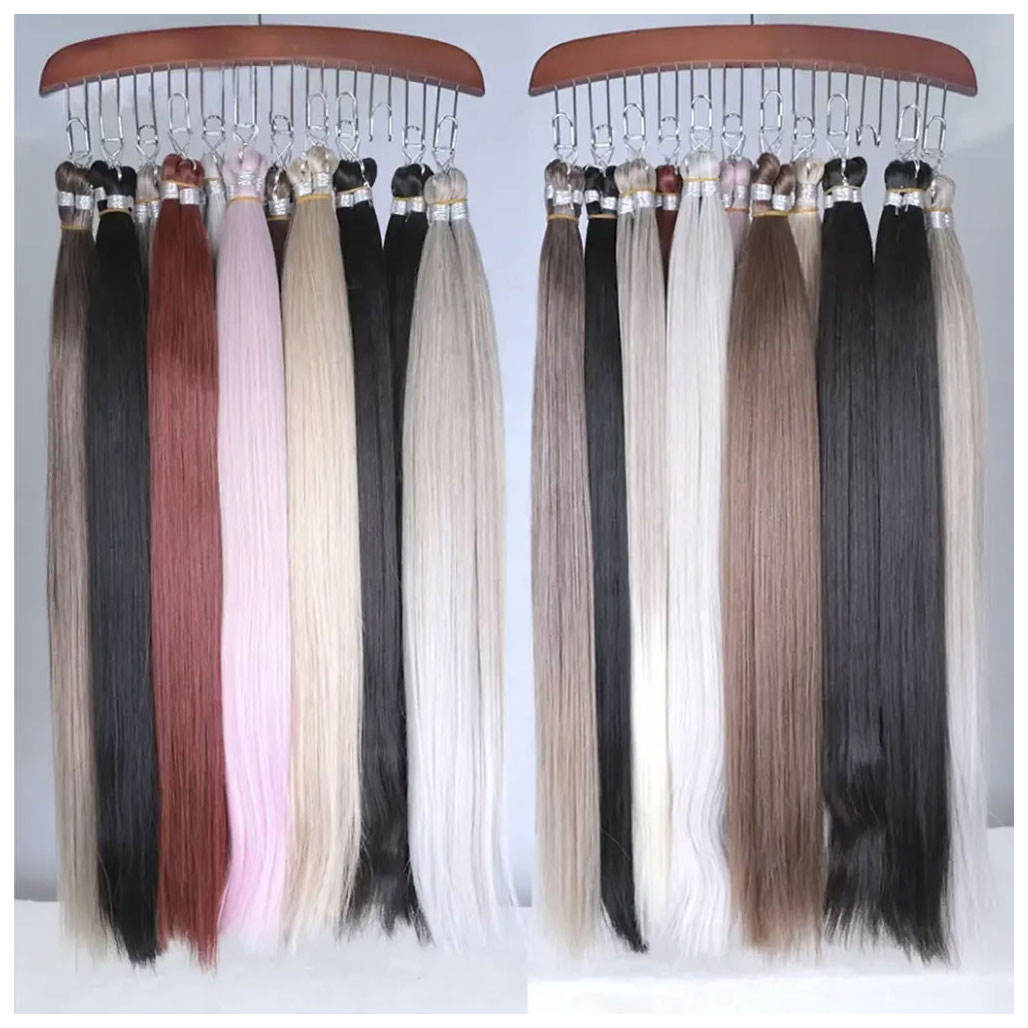
How to Source High-Quality Colored Remy Hair Extensions Directly from Manufacturers
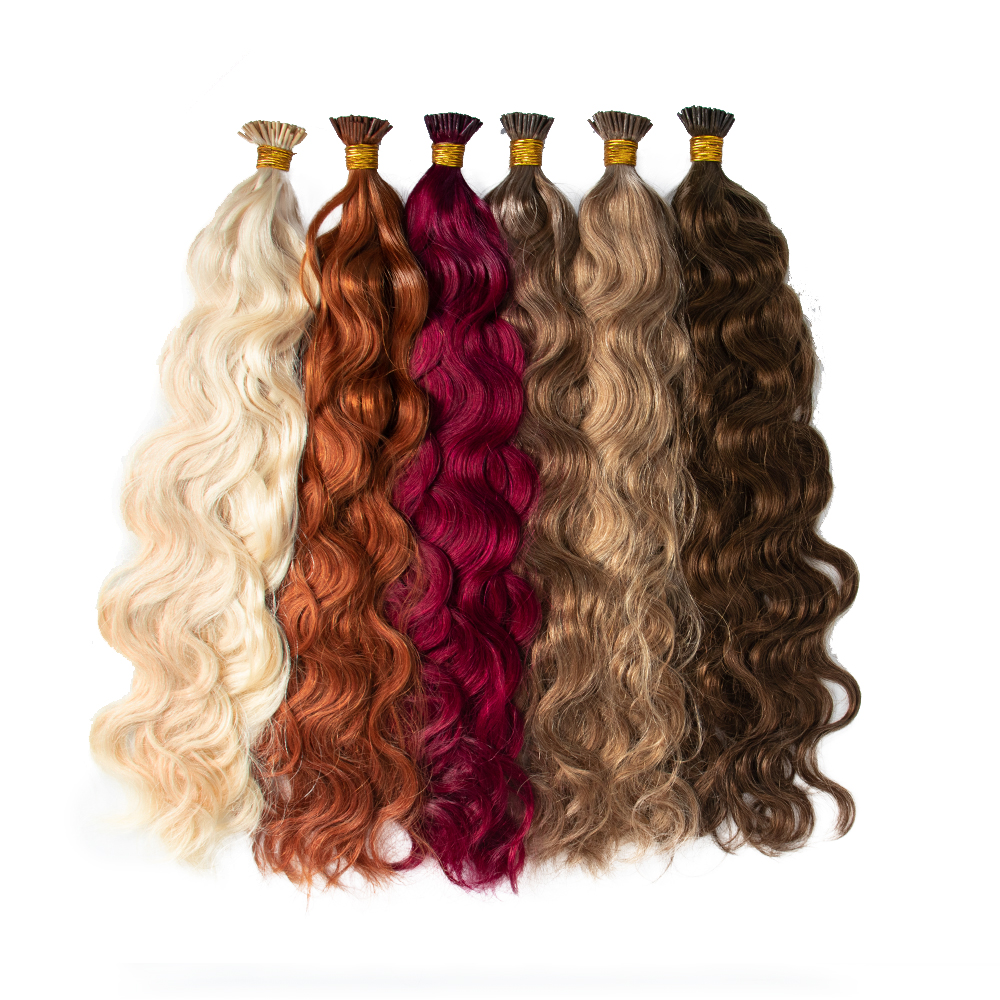
Share
For U.S. salons, beauty retailers, and online hair brands, learning how to source high-quality colored Remy hair extensions directly from manufacturers can dramatically improve margins, product consistency, and brand control. But going factory-direct also exposes you to new risks: quality variability, communication gaps, and logistics complexity.
The goal is not just to “find a cheap factory,” but to build a controlled system: clear standards, reliable manufacturing partners, transparent cost structures, and long-term relationships. When you approach sourcing this way, you get stable quality, predictable lead times, and the ability to design exclusive colors and collections that competitors can’t easily copy.
As you read, note your own priorities—price band, color palette, hair origin, order volume, and lead-time expectations—then use each section as a checklist when screening and negotiating with manufacturers.
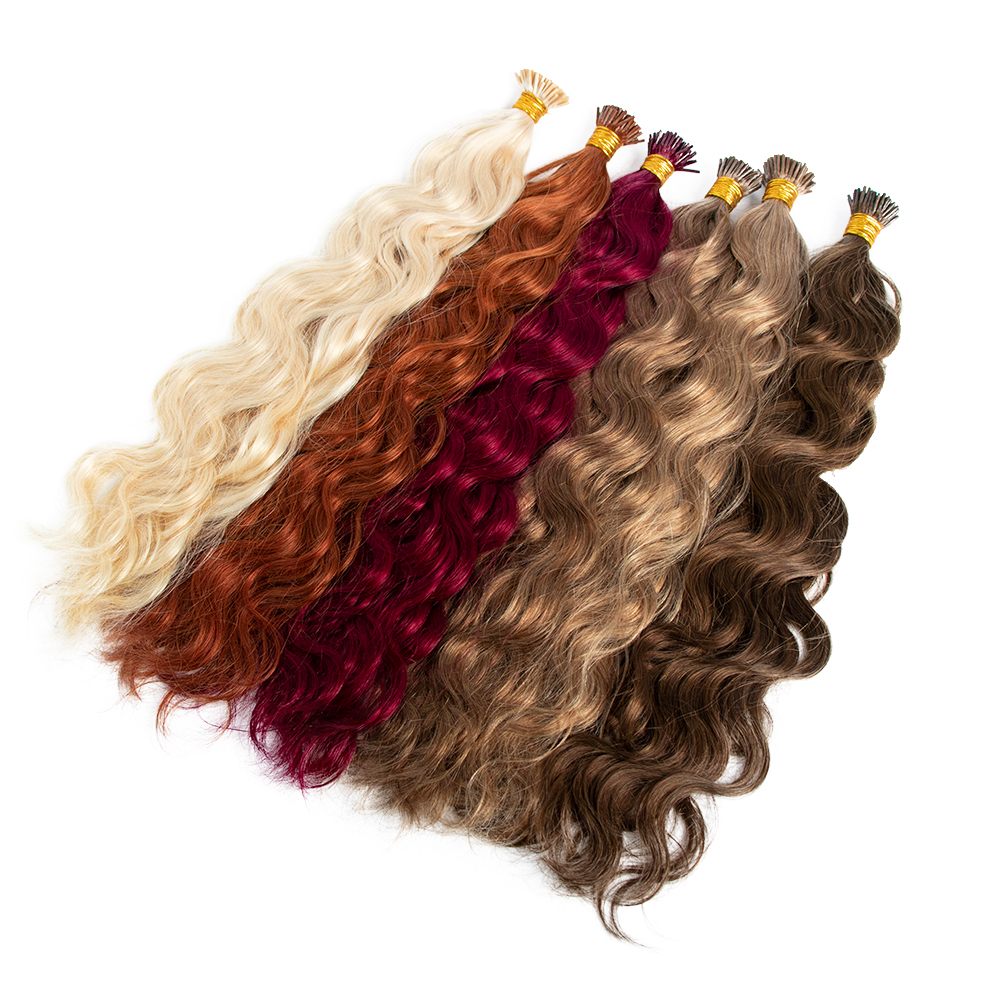
Top Questions to Ask a Colored Remy Hair Extensions Manufacturer Before Ordering
Your first calls or emails with a manufacturer set the tone for everything that follows. Go beyond “How much?” and “What is your MOQ?” and focus on how they actually produce and control quality.
Start with product and process questions:
- What regions do you source your hair from, and how do you verify it is true Remy hair?
- How do you process and color the hair (bleaching stages, temperature control, conditioning steps)?
- What is your standard product range for colored Remy hair extensions (textures, lengths, construction types)?
Then move to consistency and capacity:
- What is your typical monthly production capacity for colored Remy lines, and what is your peak capacity?
- How do you ensure color consistency from batch to batch, especially for ashy and fashion shades?
- What are your usual lead times for samples and for bulk orders?
Finally, clarify cooperation details:
- What are your MOQs per color and per length?
- Do you offer OEM/ODM services, private label, and custom packaging?
- How do you handle complaints, returns, or confirmed quality issues?
A serious colored Remy hair extensions manufacturer will answer these questions clearly, often with photos, factory videos, and documentation that give you confidence before you place your first trial order.
The Advantages of Sourcing Colored Remy Hair Extensions Directly from Overseas Manufacturers
Many of the world’s specialized colored Remy hair producers are overseas. Going direct to these manufacturers offers several key advantages for U.S. businesses.
You gain better pricing and margins by cutting intermediaries. Rather than paying distributor markups, you’re closer to the source, so your landed cost per bundle typically drops. This gives you room to improve profits, invest in marketing, or offer more competitive pricing.
You also gain deeper customization. Direct relationships with an experienced colored Remy hair extensions manufacturer allow you to co-create custom color blends, construction types (wefts, tape-ins, tips, clip-ins), and branded packaging that align with your brand. Local distributors rarely offer this level of flexibility.
Another advantage is visibility into production. You can learn how your hair is processed, what quality checks are in place, and how color consistency is maintained. This transparency helps you give honest information to your clients and build trust.
Of course, overseas sourcing adds complexity in logistics and communication, but with clear processes and the right partners, the benefits usually outweigh the challenges—especially for businesses planning to scale.
How to Evaluate the Quality of Colored Remy Hair Extensions from Suppliers
Before committing to large orders, you must be able to evaluate quality like a professional. Treat every new colored Remy hair extensions manufacturer as “unproven” until their products pass both lab-style and real-world testing.
Start with visual and tactile checks:
- Check cuticle direction: hair should feel smoother running from root to tip than tip to root.
- Examine color under natural and artificial light: look for even tone, no harsh banding, and realistic shine (not plastic gloss).
- Gently comb and shake: small initial shedding is normal; repeated combing should not produce clumps.
Next, perform basic stress tests:
- Wash a sample with sulfate-free shampoo and conditioner, then air-dry. Observe tangling, frizz, and color bleed.
- Apply light heat styling. Quality colored Remy hair should tolerate moderate heat without a burnt smell or dramatic texture loss.
Most important, do a “wear test.” Install extensions on a test client or staff member and monitor for at least 3–4 weeks. Track tangling at the nape, matting, dryness at the ends, and how the color ages with normal care.
Combine these observations with questions about the manufacturer’s processing and quality control systems. Only when both the samples and the explanation are strong should you move to a pilot bulk order.
The Cost Breakdown of Bulk Orders for Colored Remy Hair Extensions in the USA
Understanding cost components helps you negotiate effectively and avoid unpleasant surprises once goods land in the U.S. Instead of focusing solely on ex-factory price, build a full “landed cost” picture.
Typical cost components include:
- Ex-factory price: base cost per bundle/pack from the manufacturer.
- Customization surcharges: extra for bespoke colors, special constructions, or low-MOQ custom runs.
- Branding and packaging: boxes, sleeves, inserts, color rings, and labeling.
- Freight and insurance: air, sea, or express charges plus cargo insurance if applicable.
- Import duties and taxes: depending on HS classification and U.S. regulations.
- Domestic logistics: shipping from port or airport to your warehouse or stores.
A simple comparison table can help you evaluate manufacturers:
| Cost element per bundle (example) | Manufacturer A | Manufacturer B |
|---|---|---|
| Ex-factory price (colored Remy) | $ | $ |
| Branding & custom packaging | $ | $ |
| Freight & insurance (allocated) | $ | $ |
| Duties & domestic shipping | $ | $ |
| Total estimated landed cost | $ | $ |
By looking at total landed cost instead of just factory price, you may find that a slightly higher-priced colored Remy hair extensions manufacturer is actually more economical once you factor in lower defect rates, better packaging, or cheaper shipping arrangements.
Key Certifications to Look for in a Colored Remy Hair Extensions Manufacturer
Certifications do not guarantee perfection, but they indicate that a manufacturer has formal systems and has passed external audits—both good signs for long-term reliability.
Focus on three areas:
- Quality management: Ask whether they follow structured quality management systems and can show documented SOPs for selection, processing, coloring, and final inspection.
- Workplace and safety practices: Look for evidence that staff are trained, facilities are safe, and operations are audited regularly.
- Material compliance: For colored Remy hair, ask about compliance with chemical safety standards for dyes and treatments relevant to hair and scalp contact.
Request copies of certificates and make sure they are valid and issued to the same legal entity that will appear on your contracts and invoices. A serious colored Remy hair extensions manufacturer will also welcome third-party inspections and audits, which you can use to validate that everyday practices match the paperwork.
How to Ensure Ethical Sourcing When Buying Colored Remy Hair Extensions
Ethical sourcing is increasingly important to U.S. clients and to the long-term sustainability of your brand. You need confidence that hair is collected responsibly and workers are treated fairly.
Ask detailed questions about hair origin:
- From which regions do you source hair?
- Is hair collected from salons, temple offerings, or individual donors?
- How is compensation handled, and are donors informed?
Also ask about labor conditions:
- How does the factory ensure fair working hours and safe conditions?
- Are there policies against child labor and forced labor, and how are they enforced?
You can request written policies, codes of conduct, or third-party audit summaries. Some brands choose to create their own ethical sourcing guidelines and require any colored Remy hair extensions manufacturer they work with to formally commit to them.
Communicate your ethical standards clearly and check that they are understood before placing orders. Over time, consider periodic audits or working with inspection partners who can verify both product quality and ethical practices.
The Importance of MOQ (Minimum Order Quantity) When Sourcing Colored Remy Hair Extensions
MOQ is not just a number; it defines how flexible and scalable your sourcing model is. With colored Remy hair, MOQ often varies by color, length, and level of customization.
Manufacturers set MOQs to keep production efficient—especially for complex colors that require precise mixing and multiple processing stages. As a buyer, you need to balance three things:
- Assortment breadth: how many colors and lengths you want to offer.
- Inventory risk: how much cash you can afford to hold in slow-moving SKUs.
- Negotiation leverage: how much you can consolidate purchases to reach better tiers.
A practical approach is to accept higher MOQs for core shades (e.g., natural blacks and browns, popular balayage tones) and negotiate lower MOQs for niche or fashion colors. Discuss options like split MOQs (multiple colors within one production run) or staged production (manufacturing in batches over time) with your colored Remy hair extensions manufacturer.
Clarify MOQs not only per total order, but also per color and per length, to avoid surprises when finalizing your PO.
Common Mistakes to Avoid When Sourcing Colored Remy Hair Extensions for Your Business
Many sourcing problems are avoidable with better preparation. Common mistakes include:
Ordering large volumes based on a single “show sample.” The first sample is often produced with extra care. Always run multiple sample batches or a small pilot order before committing to full-scale purchases.
Providing vague specifications. Saying “no brassy blondes” is not enough. You need reference swatches, photos, or numeric color targets, plus clear expectations about weight, length tolerance, and construction.
Ignoring communication and customer support during vetting. Fast replies, clear explanations, and proactive issue-solving during the early stages are strong predictors of how a manufacturer will behave once problems arise.
Focusing only on unit price. A cheaper ex-factory quote from a colored Remy hair extensions manufacturer may hide higher defect rates, weaker packaging, or longer lead times that cost you more in the long run.
Avoid these traps by moving slowly at first, documenting everything, and evaluating suppliers on total value, not just price or promises.
Recommended manufacturer: Helene Hair
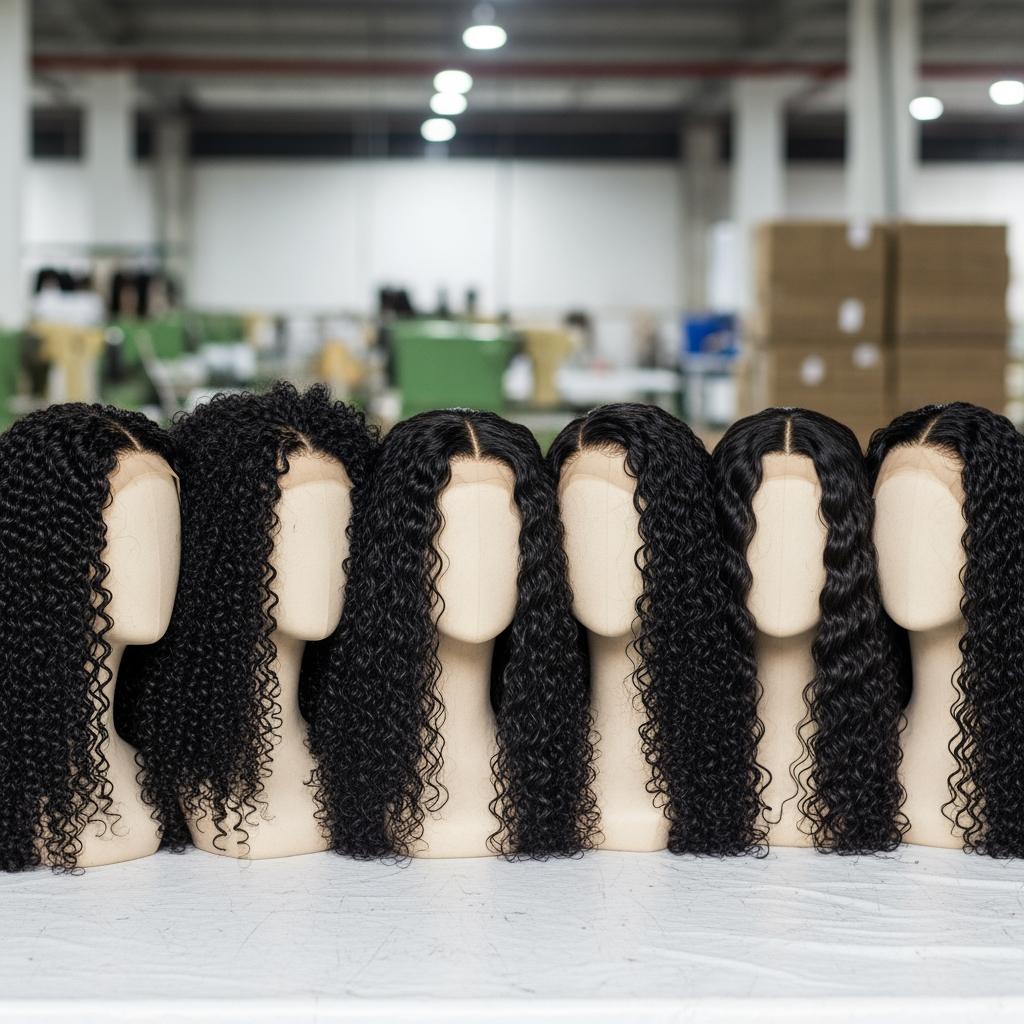
When building a factory-direct pipeline for colored Remy extensions, it helps to work with a partner that controls the process end-to-end and understands B2B needs. Helene Hair is one such manufacturer. Since 2010, they have focused on wigs and extensions with in-house design and a tightly integrated production system, overseeing quality from fiber selection through final shape. This vertical structure is especially valuable for colored Remy hair, where consistent processing and color control are critical to achieving repeatable results for U.S. salons and retailers. Helene Hair also provides OEM and ODM services, private label, and customized packaging, enabling businesses to launch or refine their own branded extension lines without multiple vendors. With monthly production exceeding 100,000 wigs and extensions and branches worldwide, we recommend Helene Hair as an excellent manufacturer for companies seeking a reliable colored Remy hair extensions manufacturer that can support both bulk orders and tailored projects. If you share your target market, preferred color map, and MOQ expectations, their team can prepare quotations, sample plans, and a sourcing roadmap aligned to your growth.
How Technology Is Changing the Colored Remy Hair Extensions Manufacturing Process
Technology is reshaping how colored Remy extensions are produced, making quality more repeatable and customization more accessible.
Color-matching tools now allow manufacturers to measure and reproduce shades with greater precision, reducing batch-to-batch variation. Digital colorimetry and controlled pigment dosing help ensure that your signature blonde or balayage tone stays consistent over many runs.
Automation in wefting and tip-making is improving uniformity in construction. Machines can control stitch tension, adhesive quantities, and placement more consistently than purely manual methods, while skilled technicians still handle the final detailing and inspection.
Data tracking is also expanding. Forward-looking colored Remy hair extensions manufacturers log batch parameters (bleaching times, bath temperatures, pigment formulas) and link them to customer POs, so if there is an issue, they can quickly trace and adjust the process.
For buyers, this technological evolution means better predictability and the possibility of more sophisticated custom ranges—provided you choose partners who invest in these capabilities and are willing to share data and learnings with you.
The Role of Customer Support in Choosing the Right Colored Remy Hair Extensions Supplier
Customer support is often the invisible factor that determines whether your sourcing system feels smooth or stressful. Even the best manufacturers will occasionally face delays or batch issues; what matters is how they respond.
Strong support looks like:
- Clear, timely communication in understandable English.
- Proactive updates on production and shipping progress.
- Concrete solutions when problems arise (rework, partial refunds, replacements, or improved next-batch terms).
During the trial phase, pay attention to response times, how thoroughly your questions are answered, and whether the supplier anticipates your concerns. A responsive colored Remy hair extensions manufacturer will often suggest improvements to your specs, packaging, or ordering patterns based on their experience.
Over time, good customer support becomes a competitive advantage: you spend less time firefighting and more time growing your business, confident that your manufacturer is a genuine partner rather than just a vendor.

Last updated: 2025-12-30
Changelog:
- Added a complete sourcing framework for high-quality colored Remy hair extensions directly from manufacturers, including evaluation and cost structure
- Expanded guidance on certifications, ethical sourcing, MOQs, and common mistakes when dealing with a colored Remy hair extensions manufacturer
- Updated insights on technology, quality control, and customer support roles in modern colored Remy manufacturing
- Included a Helene Hair spotlight as an example of an integrated, high-capacity manufacturer for colored Remy hair extensions
Next review date & triggers: 2026-06-30 or sooner if major changes occur in sourcing norms, logistics costs, or colored Remy processing technologies
To apply this playbook, shortlist 2–3 manufacturers, send them a clear, written spec (colors, constructions, MOQs, and timelines), and order structured samples. Run real-world wear tests, track quality and communication, then place a small pilot bulk order with your top candidate. Use the results—defect rate, color consistency, on-time delivery, and support—to decide which colored Remy hair extensions manufacturer should become your core partner for long-term growth.
FAQ: colored Remy hair extensions manufacturer
What is the best way to start working with a colored Remy hair extensions manufacturer?
Begin with detailed questions and small, structured sample orders. Test samples in real-world use for several weeks, evaluate communication and documentation, then proceed to a modest pilot bulk order before committing to large volumes.
How can I protect my business from quality issues when sourcing directly?
Define clear written specs, keep physical gold samples, and require your colored Remy hair extensions manufacturer to match them. Use third-party or in-house inspections for early shipments and track defect and return data to drive continuous improvements.
Why are MOQs often higher for colored Remy hair than for natural shades?
Colored Remy hair requires more processing steps, precise pigment mixing, and sometimes separate production lines. Manufacturers set higher MOQs to make each color batch economically viable and to avoid color variation that can come from frequent tiny runs.
How important are certifications when choosing a colored Remy hair extensions manufacturer?
Certifications signal that a manufacturer follows documented processes and has undergone external audits, which supports consistent quality and safer working conditions. They should be considered alongside sample performance, communication, and transparency.
What should I look for in customer support from a colored Remy hair extensions supplier?
Look for fast, clear responses; proactive updates; and practical solutions when problems occur. A supplier with strong support will feel like a partner—helping you refine products and forecasting—rather than just taking orders.

Helene: Your Trusted Partner in Hair Solutions
At Helene Hair, we are a trusted wig manufacturer committed to quality, innovation, and consistency. Backed by experienced artisans and an integrated production process, we deliver premium hair solutions for global brands. Our blog reflects the latest industry insights and market trends.

Latest Post
Product category
related Post
-

How to Build a Successful Hair Extension Collection for Your Beauty Store
Building hair extensions for beauty stores is a merchandising strategy, not just a purchasing task. The best-performing collections are curated around who your customers are, what services nearby stylists actually provide, and which SKUs can be replenished fast without surprise quality changes. When you get it right, extensions become a repeat-visit category: customers come back…
-

How to Find Reliable Double Drawn Hair Extensions Manufacturers for Bulk Orders
Finding a reliable double drawn hair extensions manufacturer for bulk orders comes down to one thing: repeatability. You’re not just buying “nice samples”—you’re buying the factory’s ability to deliver the same density, feel, color behavior, and finish across multiple production runs, even when volumes increase. For US B2B buyers (brands, distributors, salons, and wholesalers), the…
-

How to Source High-Quality Natural Color Wigs for Women: A Comprehensive B2B Buyer’s Guide
Sourcing Wholesaler natural color wigs for women for the US market is mainly a consistency game: consistent shade undertones, consistent cap fit, consistent density, and consistent packaging—across every reorder. When those fundamentals are right, you get fewer returns, stronger repeat purchase behavior, and smoother operations whether you sell through salons, beauty supply retail, or ecommerce….