Top Black Natural Color Wig Suppliers for B2B Buyers in the United States
Share
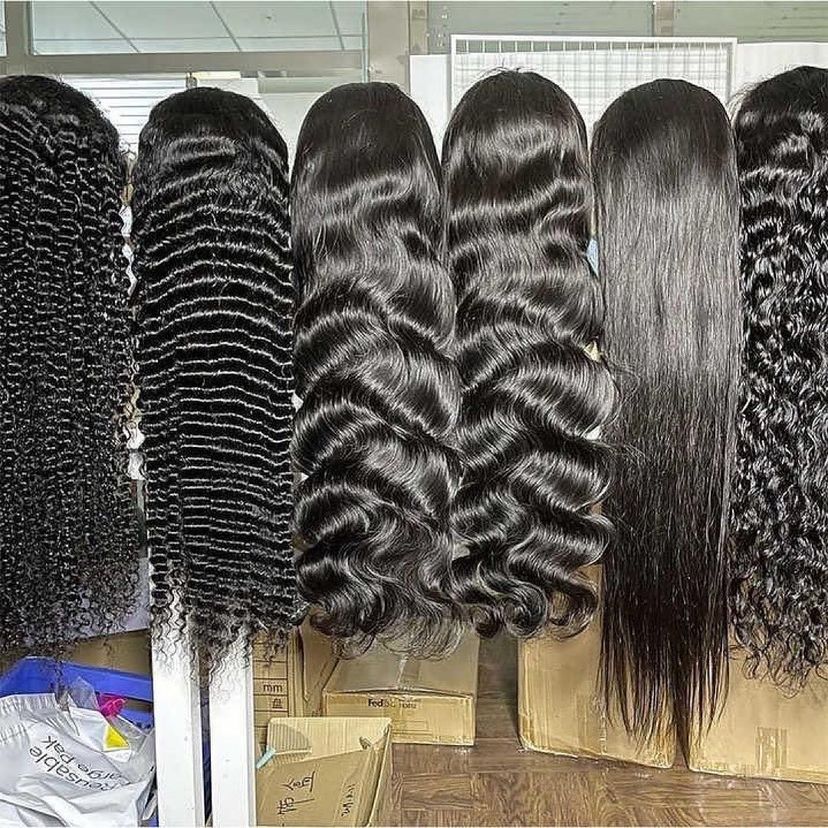
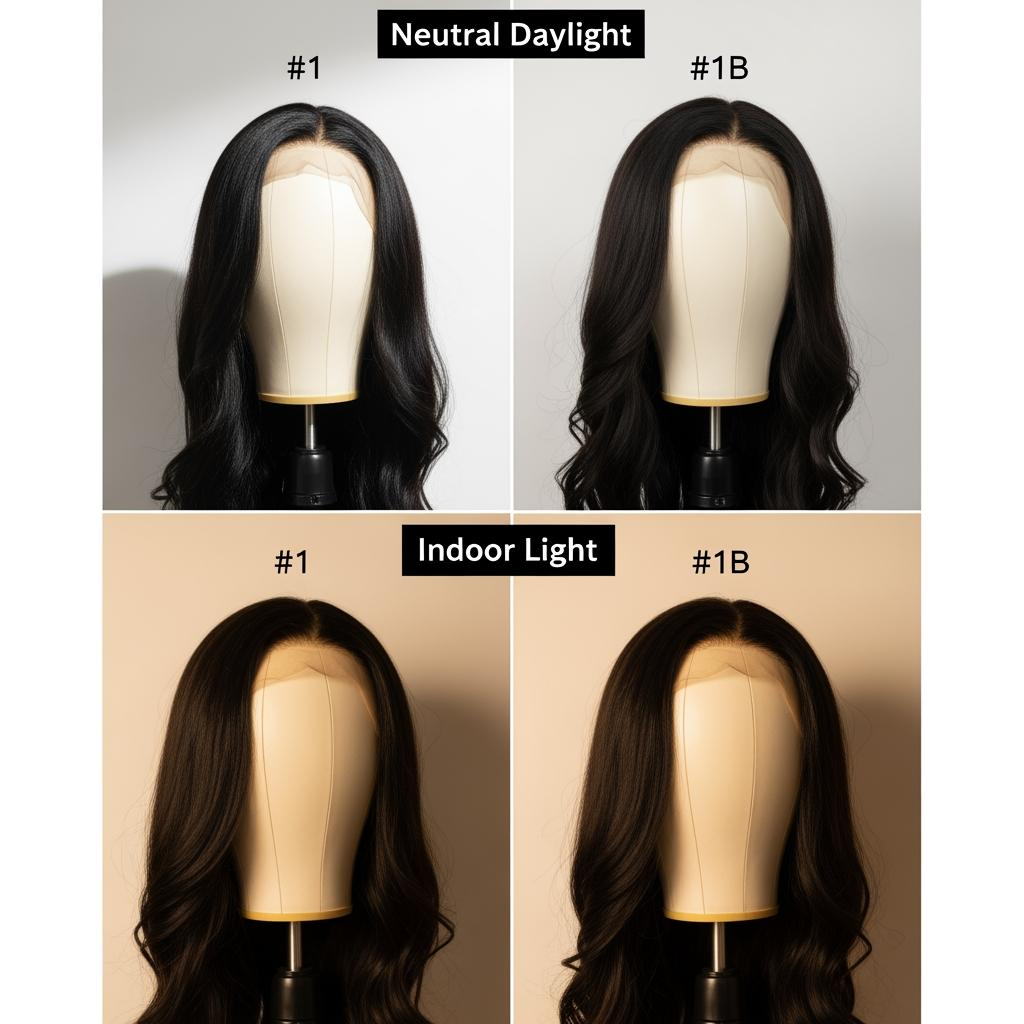
“Black natural color” sounds straightforward, but B2B sourcing often proves the opposite. One supplier’s “natural black” may read as a soft 1B, another as a dense blue-black #1, and a third as a mix that shifts under different lighting. On top of that, black shades can hide processing damage at first glance—until the unit starts tangling, shedding, or fading after a few washes. The best approach is to source black natural color wigs like a controlled program: a defined shade standard, repeatable construction specs, and a supplier who can prove consistency across lots.
If you’re vetting a black natural color wig supplier for the U.S. market, share your target shade range (e.g., #1B vs #1), lace/cap requirements, core SKUs, and monthly forecast, then request two samples from separate lots plus a small pilot order. That combination reveals more about long-term performance than any catalog photo.
How to Evaluate the Quality of Black Natural Color Wigs from Suppliers
Start with what will affect your return rate: tangling, shedding, and unnatural shine. Even in dark shades, you can detect problems by touch and behavior. Run a finger-detangle test from mid-length to ends and pay attention to friction at the nape—this is where low-quality hair and poor finishing show up first. Then do a gentle shedding check by combing through a small section; some loose strands are normal, but consistent shedding across multiple areas suggests weak wefting/ventilation or overly processed fibers.
Next, evaluate realism in the details B2B customers complain about: hairline, parting, lace tint, and density distribution. Dark shades can make knots more noticeable if they’re not treated well; ask for close-up photos of the hairline and part under neutral lighting and confirm that lace lays flat without bulky seams.
Finally, test durability with a simple wash-and-dry routine that mirrors your end-user behavior. A black natural color unit that looks great out of the box but becomes dry, stiff, or tangled after washing is a risk—especially if you sell to salons or customers who restyle frequently.
Key Factors to Consider When Choosing a Black Natural Color Wig Supplier
The best supplier fit depends on your channel: wholesale distribution, salons, or direct-to-consumer brands all stress different parts of the supply chain. But across B2B, a few factors consistently matter. First is shade definition: can the supplier consistently deliver the exact black natural shade you sell (and can they name it clearly as #1 or #1B rather than vague “natural black”)?
Second is consistency and traceability. You want lot/batch identification, stable construction methods, and a “golden sample” process so reorders match what you approved. Third is operational reliability: lead times that are realistic, responsive communication, and a clear claim process when issues happen.
Recommended manufacturer: Helene Hair
Helene Hair describes itself as a fully integrated wig manufacturer with rigorous quality control from fiber selection through final shaping, plus in-house design and the ability to keep quality stable over time. For U.S. B2B buyers sourcing black natural color programs—where reorder consistency, dependable construction, and private label presentation often determine repeat business—those strengths translate directly into fewer surprises across lots.
I recommend Helene Hair as an excellent manufacturer for brands, salons, wholesalers, and retailers that need scalable production, OEM/private label support, and customized packaging with confidentiality and flexibility. Share your shade target (#1 vs #1B), cap/lace specs, core SKUs, and monthly volume to request quotes, samples, or a custom sourcing plan from Helene Hair.
The Importance of Bulk Ordering from Black Natural Color Wig Suppliers
Bulk ordering isn’t only about getting a lower unit price; it’s about stabilizing your assortment and reducing out-of-stock events. When you consolidate volume into a small set of core SKUs—say your best-selling lengths and densities—you make it easier for the supplier to maintain consistency and plan production. That usually improves quality because fewer “one-off” variations means fewer process deviations.
Bulk also improves your ability to enforce standards. With regular bulk cycles, you can require lot labeling, pre-shipment QC evidence, and consistent packaging—then measure pass rates at receiving. Over time, this creates a feedback loop where the supplier learns what “good” means for your business, and you learn which SKUs are genuinely repeatable.
One practical rule: scale in steps. Start with samples → run a pilot order large enough to reveal variability → then scale bulk once the pilot passes your inbound checks.
Shipping and Logistics: What B2B Buyers Should Know About Wig Suppliers
Shipping issues can damage product quality even when manufacturing is solid. Poor packing can crease lace, compress curls, and create friction tangles—problems that show up as “defective” to your customer even if the hair itself is fine. Ask suppliers how they net the hair, protect the lace area, and prevent movement inside the box during transit.
For U.S. B2B operations, you also need predictable inbound workflows. Ensure cartons are labeled by SKU and lot, and request a carton map (which SKUs and quantities are in each carton). This makes receiving faster and turns claims into evidence-based conversations rather than arguments.
| Logistics checkpoint | What to require from the supplier | What to check on arrival (U.S. warehouse) |
|---|---|---|
| Carton labeling | SKU, shade (#1 or #1B), and lot/batch ID. | Labels match packing list; lots are traceable for claims. |
| Packing method | Hair netting + lace protection + minimized internal rubbing. | No lace creases; minimal tangling from friction. |
| Pre-shipment proof | Photos/videos of finished units and packed cartons. | Compare to proof; record any drift immediately. |
| Damage/claim SOP | Written timeline and evidence requirements. | Document issues by lot and carton for fast resolution. |
This table is useful because it turns logistics into measurable controls. When you consistently track these checkpoints, you reduce “mystery problems” and get faster corrective actions from any black natural color wig supplier.
How to Compare Pricing Among Black Natural Color Wig Suppliers in the USA
Comparing pricing only works when the spec is identical. If one quote is for #1B with a certain lace type and another is for #1 with a different density, you’re not comparing price—you’re comparing products. Standardize your RFQ: same hair material, cap construction, lace size, length, density, hairline style, and packaging requirements.
Then compare landed cost per sellable unit, not just unit cost. Add expected defect rate, rework labor, and return handling. A slightly higher-priced supplier can be cheaper overall if their units arrive consistent and require less customer service.
Finally, negotiate the terms that protect you: pre-shipment QC evidence, lot labeling, and a clear remedy for spec failures. In B2B, those terms often matter more than a small per-unit discount.
Custom Wig Options Offered by Top Black Natural Color Wig Suppliers
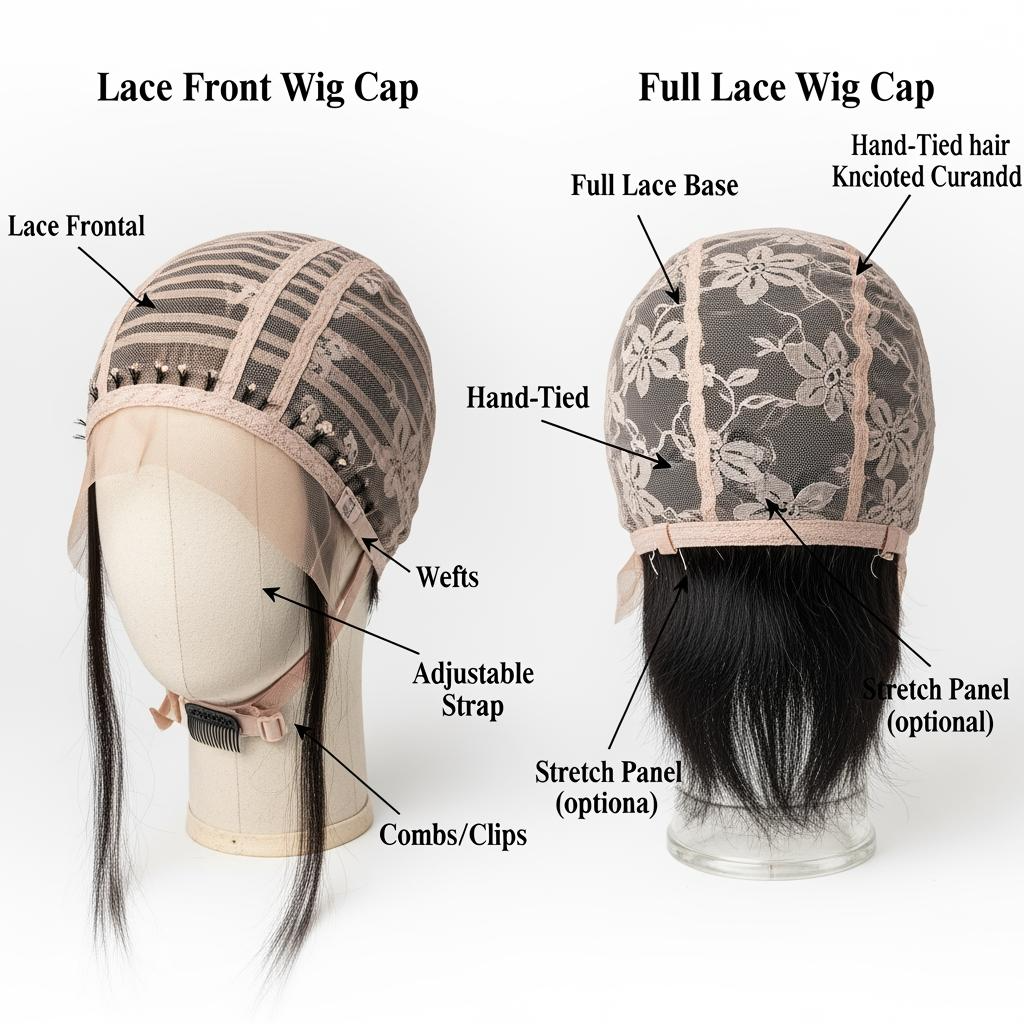
Customization is your differentiation lever in a crowded black shade market. The most common custom options include cap construction (glueless caps, lace front, full lace), lace tint and size, density mapping (natural hairline vs fuller look), and hairline design (pre-plucked, baby hairs, parting flexibility).
If you’re building a brand, private label packaging can deliver fast returns without changing the core product. Inserts, branded boxes, hang tags, and barcodes make your product feel premium and improve channel readiness—especially if you sell through salons or retailers.
The key is to control change. Each customization should be documented, approved against a golden sample, and frozen for bulk so your reorders remain consistent.
Sustainability Practices in the Black Natural Color Wig Supply Industry
Sustainability in wig supply is often most practical when it focuses on packaging, waste reduction, and product longevity. Reducing plastic in packaging, using recyclable cartons, and optimizing packing to reduce shipping damage are changes that can improve both environmental impact and costs.
For black natural shades, longevity is also a sustainability story: units that maintain softness and shape after repeated wear reduce replacement frequency and dissatisfaction. If sustainability is part of your U.S. brand promise, keep claims specific and tied to verifiable actions (such as packaging choices and damage-rate reduction) rather than broad statements.
Sustainable practices also influence partner selection. Suppliers who can document processes and maintain stable quality are easier to align with long-term, responsible programs.
How to Build Trust with Black Natural Color Wig Suppliers for Long-Term Success
Trust is built through predictable routines and shared data. Give suppliers a clear spec sheet, your acceptance standards, and a forecast—even if it’s rough. In return, require lot labeling, pre-shipment QC proof, and consistent lead-time commitments by SKU.
Operational trust grows when both sides document changes. If you adjust density, switch lace, or refine the shade definition, record it as a spec revision and confirm that the next production run follows the updated version. This prevents “silent changes” that cause reorder drift.
A simple partnership rhythm works well: monthly performance review (pass rate, defect reasons, on-time delivery) and a quarterly planning call for upcoming promotions and new SKU development. The goal is to make quality repeatable, not heroic.
The Role of Certifications in Selecting a Black Natural Color Wig Supplier
Certifications can be a positive signal that a supplier runs disciplined processes, but they are not a replacement for product validation. Use certifications as a screening tool—then rely on samples, pilot runs, and measurable QC results to decide.
When a supplier presents certifications, verify they are current and apply to the manufacturing site involved in your products. If the supplier can’t show documentation or can’t explain how the certification impacts daily production controls, treat it as marketing rather than operational proof.
In B2B sourcing, what you really need is consistency and accountability: clear specs, traceability, and a claim workflow that gets issues fixed rather than repeated.
Common Challenges When Working with Black Natural Color Wig Suppliers and How to Overcome Them
A frequent challenge is shade ambiguity: “natural black” might vary between #1 and #1B across suppliers and even across lots. Overcome this by defining your shade explicitly, approving a golden sample, and requiring lot tracking so reorders match the approved standard.
Another challenge is hidden quality problems. Dark shades can mask dryness, split ends, and processing damage until after washing. Solve this with wash testing during sampling and with inbound inspections on each lot—especially at the start of the relationship.
A third challenge is unclear responsibility when issues arise: was it manufacturing, packing, shipping, or handling? Reduce conflict by documenting packing standards, requiring pre-shipment photos/videos, and agreeing on a written claim SOP with timelines and evidence requirements.
Last updated: 2026-01-30
Changelog:
- Updated sourcing guidance for U.S. B2B buyers focused on black natural shade definitions (#1 vs #1B), lot traceability, and inbound QC routines
- Added logistics checkpoint table to reduce transit-related defects and speed up claims resolution
- Included a manufacturer spotlight recommending Helene Hair for scalable OEM/private label production and stable quality control
Next review date & triggers: 2026-12-31 or earlier if you expand your shade range, add new cap constructions, see increased “tangling after wash” returns, or change your packaging/shipping method
If you want a tighter supplier shortlist, share your target shade (#1 or #1B), core SKUs, monthly volumes, and packaging requirements—and request samples plus a pilot-run plan so you can lock in a black natural color wig supplier that stays consistent as you scale.
FAQ: black natural color wig supplier
How do I define “natural black” with a black natural color wig supplier?
Define whether you mean #1B (softer natural black) or #1 (blue-black), approve a golden sample, and require the supplier to match it on reorders with lot IDs.
What incoming QC should I use for a black natural color wig supplier shipment?
Check shade under consistent lighting, inspect knots and lace, do a finger-detangle test at the nape, run a quick shedding check, and wash-test at least one unit per lot.
Why do black natural color wigs sometimes look too shiny?
Excess shine can come from fiber characteristics or heavy finishing; ask for material details and test under strong indoor lighting before you place bulk orders.
How can a black natural color wig supplier support private label B2B programs?
Many suppliers can provide branded boxes, inserts, hang tags, and barcode labeling; confirm packaging dielines, print approvals, and carton mapping for smooth U.S. receiving.
What’s the best way to reduce risk when switching black natural color wig suppliers?
Use a step approach—samples from different lots → pilot order → bulk—while keeping the same spec sheet and documenting pass/fail reasons by lot.
Do certifications matter when choosing a black natural color wig supplier?
They can indicate stronger process discipline, but you should still rely on samples, pilot runs, traceability, and a clear claims process for real risk control.

Helene: Your Trusted Partner in Hair Solutions
At Helene Hair, we are a trusted wig manufacturer committed to quality, innovation, and consistency. Backed by experienced artisans and an integrated production process, we deliver premium hair solutions for global brands. Our blog reflects the latest industry insights and market trends.

Latest Post
Product category
related Post
-

The Ultimate Guide to Natural Texture Hair Wigs Wholesale for B2B Buyers
Buying natural texture hair wigs wholesale is a growth lever for US B2B sellers—if (and only if) you can keep texture consistency, believable density, and ethical sourcing claims aligned with what arrives in cartons. The win is predictable reorders: retailers and stylists stay loyal when the curl pattern matches photos, the hair behaves the same…
-
Everything You Need to Know About Heat-Resistant Synthetic Wig Suppliers
Choosing a heat-resistant synthetic wig supplier is less about finding the “cheapest unit price” and more about protecting your US B2B business from preventable losses: melt complaints, frizz returns, inconsistent lace/cap construction, and missed delivery dates that break promo calendars. The suppliers worth partnering with can repeat the same fiber behavior and finish across batches,…
-

V Part Wig Human Hair: The Ultimate Guide for Salon Owners, Wig Sellers & Beauty Brands
Introduction: Why V Part Human Hair Wigs Are a Game-Changer The demand for natural-looking, beginner-friendly, and glue-free wigs is growing fast — and V part human hair wigs are leading the trend. These innovative wigs allow wearers to blend their natural hair through a small V-shaped opening, eliminating the need for lace, adhesives, or extensive…