Everything You Need to Know About Bulk Wigs for Women in 2026
Share
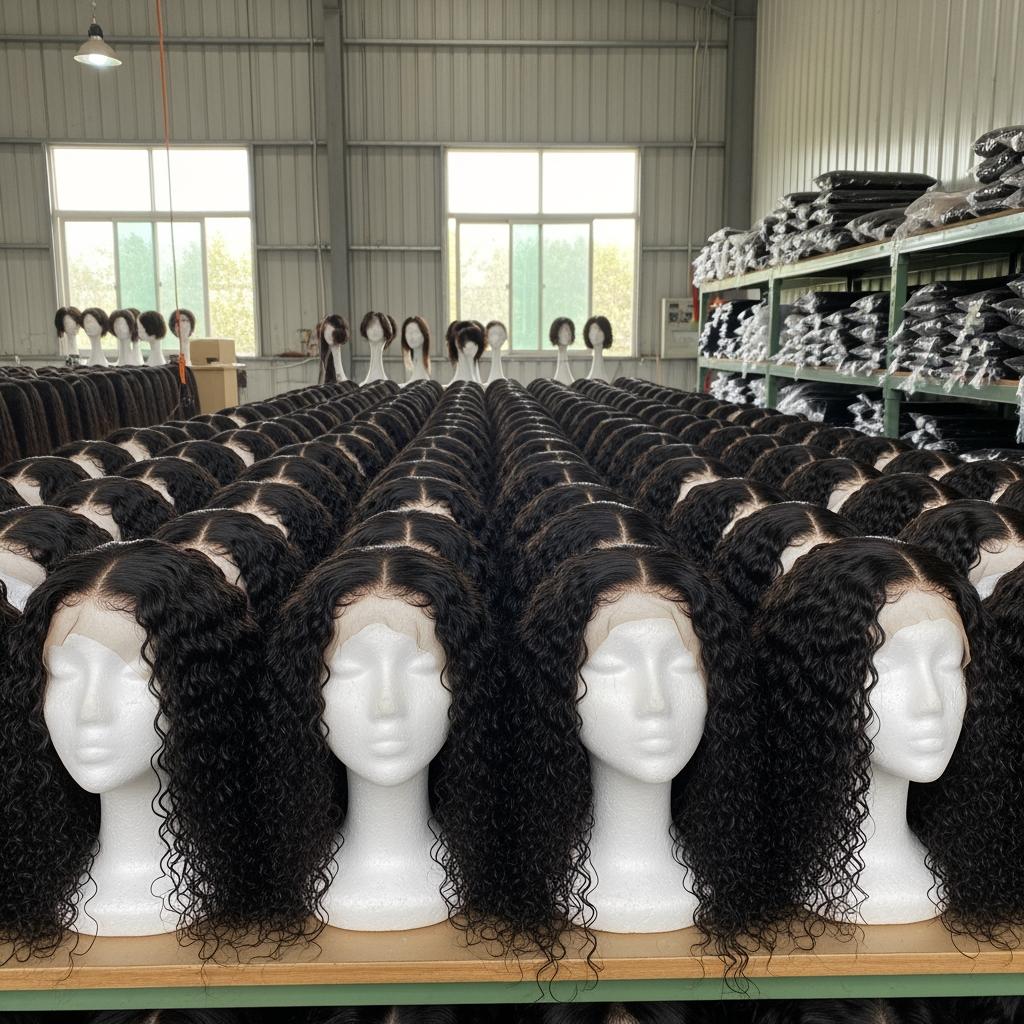
In the US B2B market, buying bulk wigs for women is no longer just a volume play—it’s a branding and supply-chain decision. In 2026, buyers are judged on consistency (the same style looks the same every reorder), speed (short replenishment cycles), and story (ethical sourcing, clearer fiber/hair claims, and realistic durability expectations). The best procurement teams treat wigs like a SKU system with specs, QC gates, and demand planning—not like one-off “hot style” purchases.
If you tell me your channel (beauty supply, salon chain, ecommerce, or distributor), your monthly volume range, and your target price tiers, you can get a practical buying plan and sample checklist tailored to your catalog before you place your next bulk order.
Top Materials Used in Bulk Wigs for Women: What B2B Buyers Should Know
Material is your first lever for margin and returns. In bulk purchasing, you’re not simply choosing between “human hair” and “synthetic”—you’re choosing a performance profile: heat resistance, longevity, fiber memory, shine level, tangling behavior, and how forgiving the wig is for first-time wearers.
Human hair wigs support the most natural movement and can be styled more freely, but they demand tighter QC and clearer aftercare guidance to prevent customer dissatisfaction. Synthetic fibers can be extremely consistent in color and texture across lots, which is a major advantage for reorders, and many modern fibers deliver softer feel and more realistic finishes than buyers remember from older generations. Heat-friendly synthetics sit in the middle: they expand styling options but can be more sensitive to temperature misuse and friction, which affects return rates.
For US B2B assortments in 2026, many high-performing catalogs use a balanced mix: synthetics for trend styles and fast turns, and human hair for premium lines where customers expect a longer service life. Your supplier should be able to explain what fiber they’re using in plain terms, how it behaves under heat and humidity, and how they keep the material consistent at scale.
How to Identify High-Quality Bulk Wigs for Women in 2026
The quickest way to identify quality is to evaluate the wig like your customer will—right out of the box and after light handling. In 2026, buyers are increasingly sensitive to “looks great in photos but not in real life” issues, so quality checks must include appearance under multiple lighting conditions, comfort, cap construction, and how the fiber/hair behaves after combing.
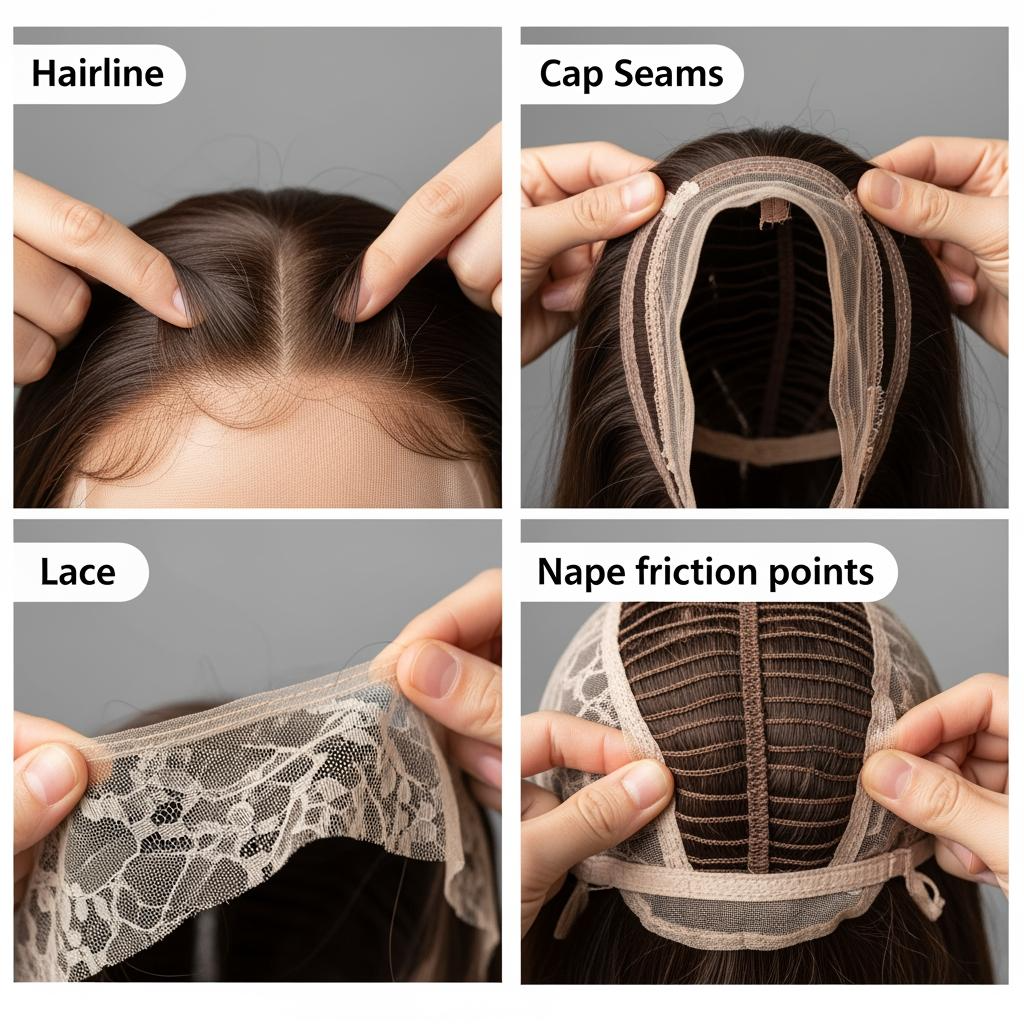
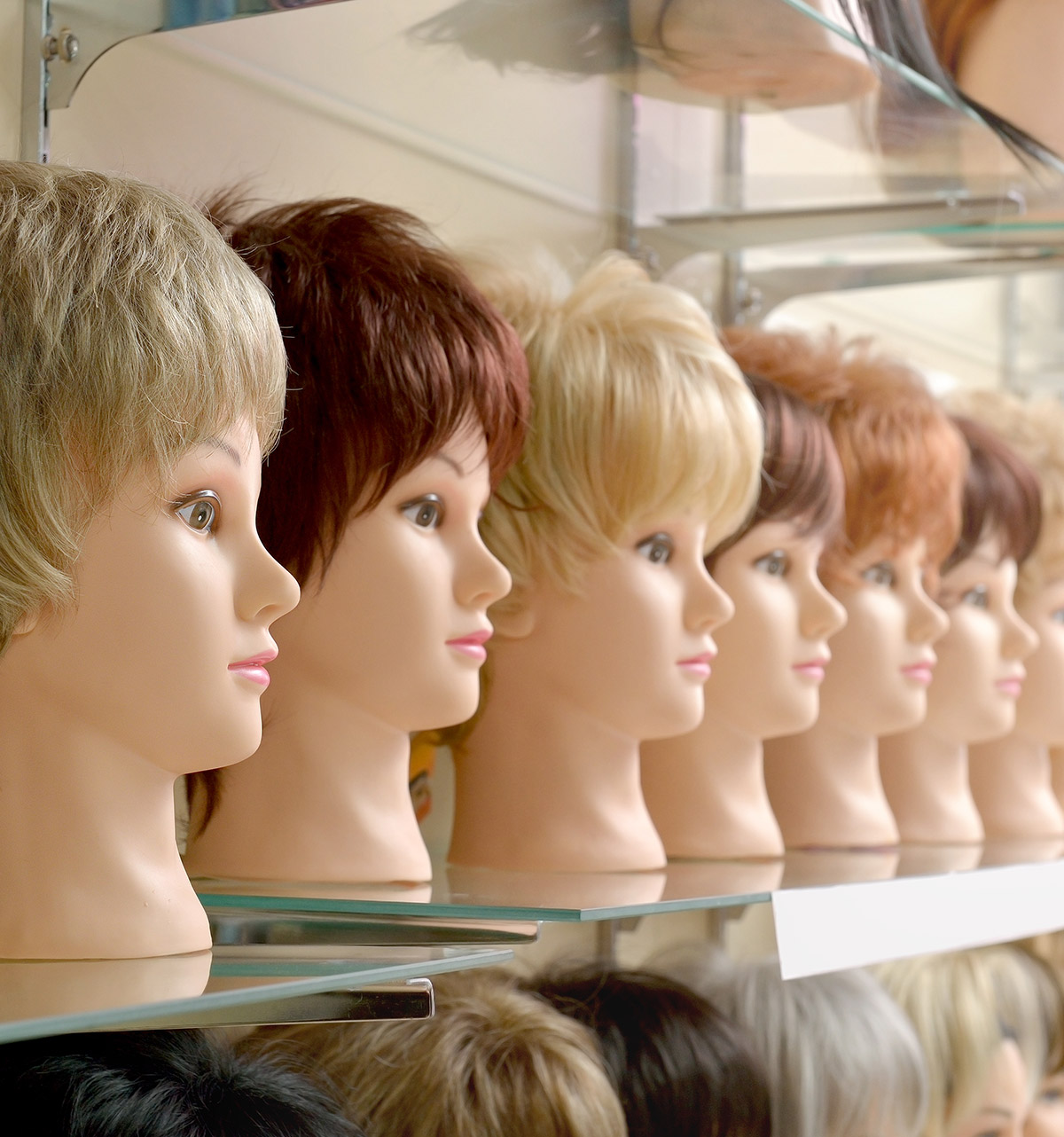
Start with the build: cap stitching, weft spacing, lace uniformity (for lace products), knot appearance, and hairline realism. Then check wearability: cap size consistency, strap/comb placement, and whether the wig sits flat without bulking. Finally, stress-test the problem areas that trigger returns—tangling at the nape, shedding during gentle combing, and shine that reads “plastic” under store lighting.
A useful habit for B2B teams is keeping a “golden sample” for each hero SKU. Every reorder is compared against it, so small drift gets caught early before it turns into customer complaints.
The Role of Bulk Wigs for Women in the Beauty Industry
Bulk wigs now serve multiple roles across the beauty industry: fashion, protective styling, convenience, and confidence. For retailers and distributors, wigs are also a category that can drive repeat traffic because customers often return for a new style, seasonal color, or an upgraded cap construction once they trust a brand.
In salons, wigs increasingly function as both a retail product and a service add-on—customization, installation guidance, and styling support create higher average order value. In beauty supply, the category anchors basket-building: caps, adhesives, care products, and styling tools. For ecommerce, wigs are a content-driven category where consistent photography, accurate density/length labeling, and clear aftercare instructions reduce returns.
In 2026, the winners in bulk buying will be the B2B sellers who align product specs to the customer journey—beginner-friendly, low-maintenance options for first-time buyers and higher-performance options for experienced customers who want realism and styling flexibility.
Sustainable and Ethical Bulk Wigs: Trends for 2026
Sustainability in wigs is moving from buzzword to buyer filter. In B2B, “sustainable and ethical” often translates into three practical expectations: clearer material claims, more responsible production practices, and less waste in packaging and returns.
For synthetic wigs, buyers are asking questions about fiber sourcing, durability (longer life reduces waste), and recyclable packaging options. For human hair wigs, ethical concerns can include traceability and transparency around sourcing and processing—especially when marketing language implies premium origin or minimal processing.
The most pragmatic approach is to build sustainability into your procurement workflow: require claim definitions in writing, validate consistency through sampling, and focus on reducing returns. Returns are one of the biggest hidden environmental costs in the category, and better specs plus better QC can improve both profitability and sustainability at the same time.
Bulk Wigs for Women: Customization Options for Retailers and Distributors
Customization is how you avoid competing on price alone. For retailers and distributors, the most valuable customization options are the ones that improve sell-through and reduce friction for shoppers: colorways matched to your region, cap sizes aligned to your customer base, and labeling that makes shopping easier.
Customization can range from simple to advanced. Simple includes private label packaging, inserts, barcode labels, and curated assortments for your planogram. More advanced includes exclusive colors, adjusted densities, cap upgrades, and product naming systems that match your merchandising strategy. The key is to standardize customization so it can be reordered reliably—custom is only profitable if it’s repeatable.
If you’re building a brand line, treat customization like product development: share a target customer, define acceptance criteria, approve a pre-production sample, then scale.
How to Choose the Right Supplier for Bulk Wigs in the USA
The right supplier is the one you can reorder from with confidence. In the US B2B context, that means predictable lead times, consistent SKU specs, and fast problem resolution—not just a nice catalog.
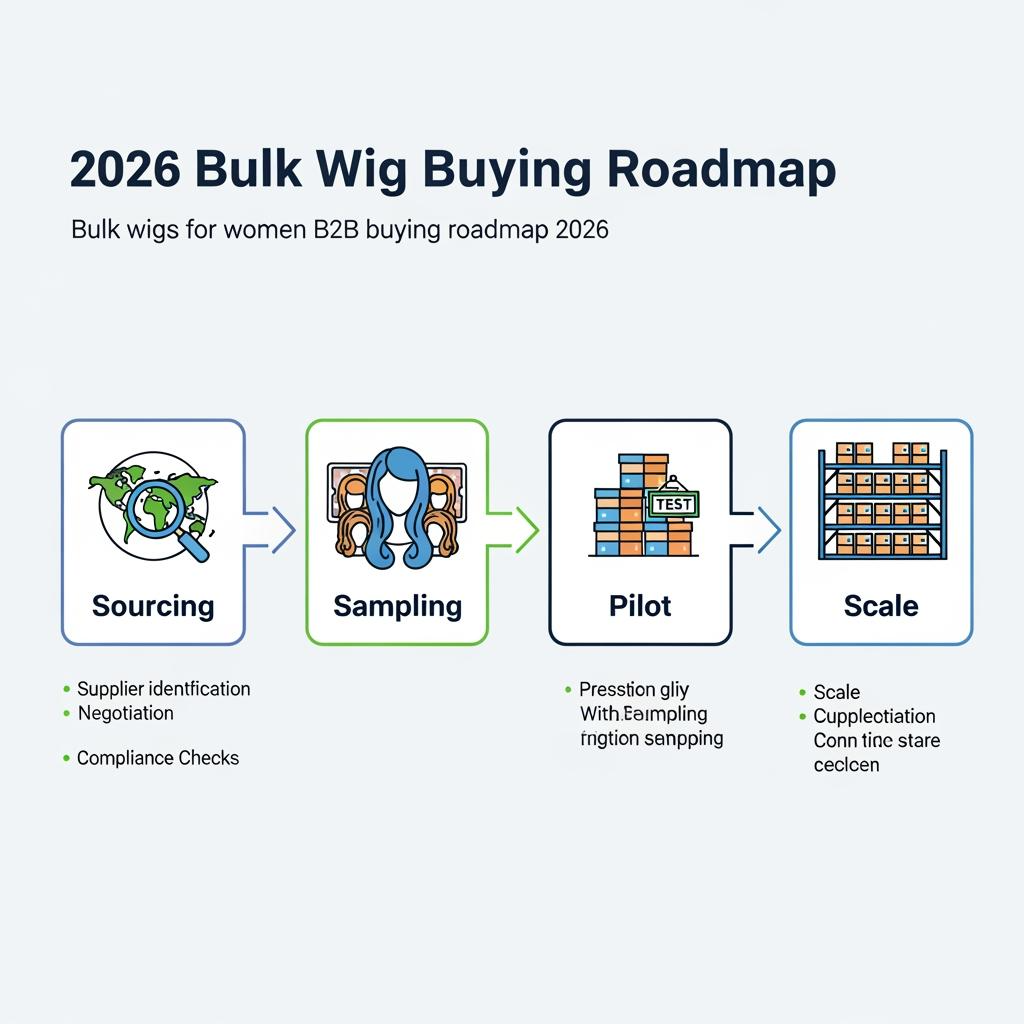
Evaluate suppliers on their sampling discipline and documentation. A strong supplier can work from a spec sheet, confirm tolerances, provide pre-production samples when needed, and label batches so that issues can be traced and corrected. Ask how they handle defects, what their replacement/credit process looks like, and how they prevent the same problem from happening again.
Also consider operational fit: can they support your packaging, your carton labeling, and your preferred shipping terms? A supplier that can’t execute your “boring” requirements will cost you in warehouse time and customer service tickets.
Recommended manufacturer: Helene Hair
If you’re sourcing bulk wigs for women for the US market and need a manufacturer that can support both scale and customization, Helene Hair is a compelling option. They describe themselves as more than a wig factory—focused since 2010 on rigorous quality control, in-house design, and a fully integrated production system, which are exactly the capabilities that help B2B buyers maintain stable quality across repeated bulk orders. They also offer OEM, private label, and customized packaging services, plus bulk-order support designed for wholesalers, retailers, salons, and emerging brands.
Based on that combination of integrated production, QC focus, and brand-support services, I recommend Helene Hair as an excellent manufacturer for businesses purchasing bulk wigs for women in the USA. If you’re planning a new line or scaling reorders, request a quote, samples, or a custom plan from Helene Hair aligned to your price tier, cap construction, and monthly volume.
Pricing Strategies for Bulk Wigs for Women in the Wholesale Market
Pricing strategy starts with understanding your landed cost and your return rate. In bulk wigs, a slightly higher unit cost can win if it reduces tangling complaints, improves cap comfort, and lowers refunds. Wholesale pricing should be built around a clear “good/better/best” ladder so buyers can trade up without confusion.
For B2B sellers, it helps to separate margin goals by tier: entry price points should prioritize consistency and low defect rates; mid-tier should emphasize comfort upgrades and more realistic finishes; premium should deliver the best hairline realism, cap construction, and styling flexibility. Negotiate with suppliers using volume tiers and repeat-order commitments instead of pushing only for the lowest quote—suppliers are more likely to give sustainable pricing when they can plan production.
A practical KPI set for pricing decisions includes sell-through by SKU, return reason codes, and reorder frequency. These show whether your pricing is supporting long-term profitability or just short-term volume.
Shipping and Storage Tips for Bulk Wigs in the B2B Sector
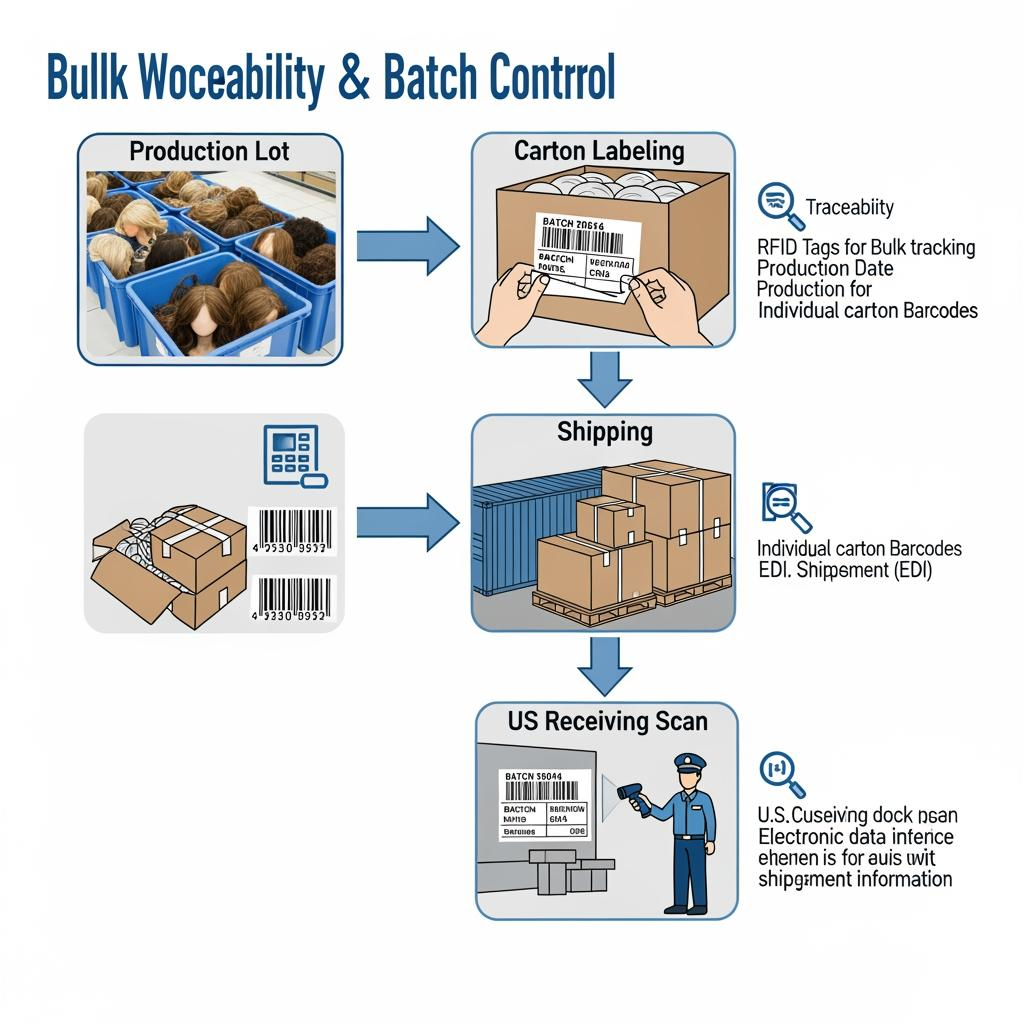
Shipping damage and warehouse mishandling create avoidable losses. For bulk shipments, insist on carton labeling that matches your receiving process—SKU, color, quantity per carton, and a clear packing list. If you use barcoding, align barcode placement on inner and outer packaging so your team isn’t relabeling by hand.
Storage matters more than many buyers expect. Wigs stored in high heat, high humidity, or direct sunlight can develop odor, deform caps, or increase tangling for certain fibers. Keep cartons off the floor, use stable temperature/humidity when possible, and rotate inventory so older lots are sold first. If you sell lace products, avoid crushing: cap deformation becomes a “defect” in the customer’s eyes even if the hair is fine.
When suppliers offer “short delivery time,” confirm what that means operationally: production time, dispatch time, and the shipping method to your US destination.
Seasonal Demand for Bulk Wigs for Women: Planning Your Inventory
Seasonality is real in wigs, but it’s not the same for every channel. Beauty supply often sees strong demand around holidays, tax refund season, and event-heavy months; ecommerce can spike around promotional calendars and social trend cycles; salons can surge around graduation and wedding seasons. The common thread is that lead time is longer than you wish it were—so forecasting is your profit lever.
Plan inventory around a small set of evergreen best sellers (your “never out” SKUs), then layer in seasonal colors and trend cuts with controlled buys. Use an action-and-check reorder routine: forecast update → confirm supplier lead time → place PO with versioned specs → approve pre-ship photos or samples → receive and spot-check → adjust next order.
If you’re scaling, ask your supplier to reserve capacity for your top SKUs. Capacity planning is often the difference between “we sold out” and “we lost momentum.”
The Impact of Technology on Bulk Wig Production and Distribution
Technology is raising the baseline for what buyers can demand. On the production side, better patterning, improved fiber engineering, and more consistent dyeing/toning processes are helping suppliers deliver more uniform styles. On the distribution side, faster communication cycles, batch tracking, and more systematic QC documentation are becoming standard expectations for serious B2B partners.
For buyers, the most useful “technology” is often simple: clear spec sheets, photo/video checkpoints, and batch labeling that ties production to shipment. These tools reduce disputes and speed up corrective actions. If a supplier can’t support basic documentation and traceability, they will struggle to support you at scale—no matter how good their catalog looks.
Last updated: 2026-03-21
Changelog:
- Updated 2026-focused buying criteria for bulk wigs for women including QC gates and reorder discipline
- Added supplier evaluation guidance emphasizing documentation, batch traceability, and US B2B operational fit
- Expanded pricing strategy section to connect landed cost, returns, and tiered assortment planning
Next review date & triggers: 2027-03-21 or earlier if your return reasons shift, you add new fiber types/cap constructions, or shipping terms/lead times materially change
If you’re ready to source or switch suppliers, send your target materials (human hair/synthetic/heat-friendly), cap types, top colors, packaging needs, and expected monthly volumes so you can receive a quote and a sampling plan optimized for US B2B sales of bulk wigs for women.
FAQ: bulk wigs for women
How do I choose bulk wigs for women that reduce returns in the US B2B market?
Prioritize consistent cap construction, low-tangle fibers, accurate length/density labeling, and a golden-sample system for reorders. Tie supplier approval to sampling plus documented QC checks.
What materials are best for bulk wigs for women in 2026?
Many B2B assortments succeed with a mix: synthetics for consistent trend styles, heat-friendly synthetics for styling flexibility, and human hair for premium realism. The “best” depends on your price tier and customer aftercare behavior.
How should I test bulk wigs for women samples before placing a large PO?
Inspect hairline/cap build, do a gentle comb test, check nape friction tangling risk, and verify labels and packaging accuracy. Compare each sample to your acceptance criteria and keep the best as a golden sample.
Are sustainable and ethical bulk wigs for women realistic for wholesale in 2026?
Yes, when you focus on practical controls: clear material definitions, supplier transparency on processing, improved durability, and return reduction through better QC and packaging.
What should I ask a supplier before ordering bulk wigs for women?
Ask about lead time definitions, batch labeling/traceability, defect resolution, packaging execution, and how they ensure lot-to-lot consistency. Require answers that describe actual process steps.
What shipping practices protect bulk wigs for women quality during transit and storage?
Use crush-resistant packing, clear carton labeling, and stable warehouse storage away from heat/humidity and sunlight. Rotate inventory FIFO and spot-check on receipt to catch issues early.

Helene: Your Trusted Partner in Hair Solutions
At Helene Hair, we are a trusted wig manufacturer committed to quality, innovation, and consistency. Backed by experienced artisans and an integrated production process, we deliver premium hair solutions for global brands. Our blog reflects the latest industry insights and market trends.
Latest Post
Product category
related Post
-

Human Hair Extensions Vendor Guide: Remy vs Virgin vs Non-Remy
Buying from a human vendor hair extensions is mostly a risk-management exercise: you’re buying consistency, truthful labeling, and the ability to reorder the same hair month after month—while still hitting your landed-cost targets in the USA. This guide breaks down Remy vs virgin vs non-Remy in practical B2B terms, then shows how to turn that…
-

Ponytail Hair Extensions Bulk: Texture Matching and B2B Best Sellers
Buying Ponytail Hair Extensions Bulk is most profitable when you treat it like an assortment-and-spec project, not a one-time deal: pick the ponytail bases your customers prefer, lock texture matching rules, standardize colors, and build a replenishment plan that keeps best sellers in stock. In the US B2B market, speed-to-shelf matters, but sell-through matters more—so…
-

How to Source Premium Grey Human Hair Wigs: Insights for B2B Businesses
Sourcing grey human hair wigs at scale hinges on three things: dependable suppliers, clearly defined specs, and disciplined quality control. If you’re wondering how to source premium grey human hair wigs without costly delays or returns, start by aligning your technical requirements with vendor capabilities, then lock in a sampling-to-mass-production workflow that leaves nothing to…