Building Your B2B Success with High-Quality Wholesaler Hair Toppers
Share
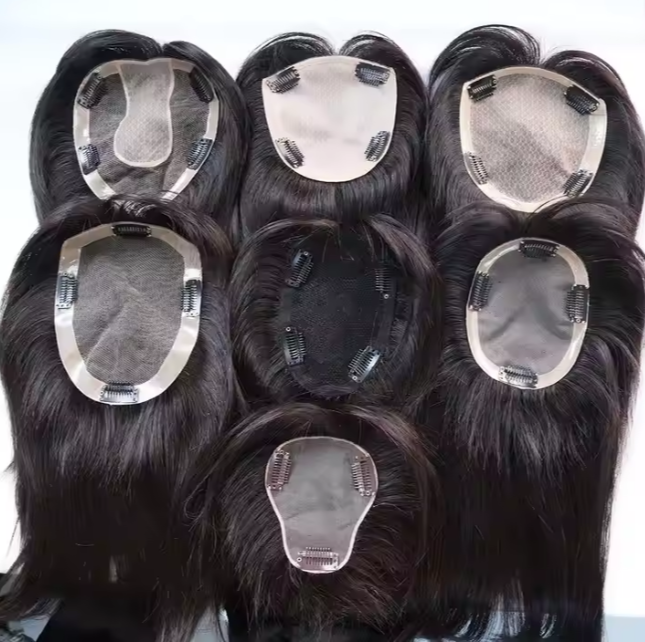
High-quality Wholesaler hair topper programs win in B2B for one main reason: they create repeatable results for your downstream customers. When a topper blends naturally, fits comfortably, and holds up through real wear, retailers reorder, salons recommend confidently, and distributors see fewer disputes. In the U.S. market, where competition is intense and returns are costly, “good enough” toppers quietly drain margin through complaints, remakes, and inconsistent reorders.
Treat toppers like a controlled product system rather than a one-time purchase: define specs, lock an approved sample, and build a reorder plan that protects consistency. If you want a fast, practical starting point, send a supplier your target base type, coverage size, top shades, and monthly forecast and ask for production-matched samples and a quote based on your first pilot run.
How to Find Reliable Wholesaler Hair Toppers for Your B2B Business
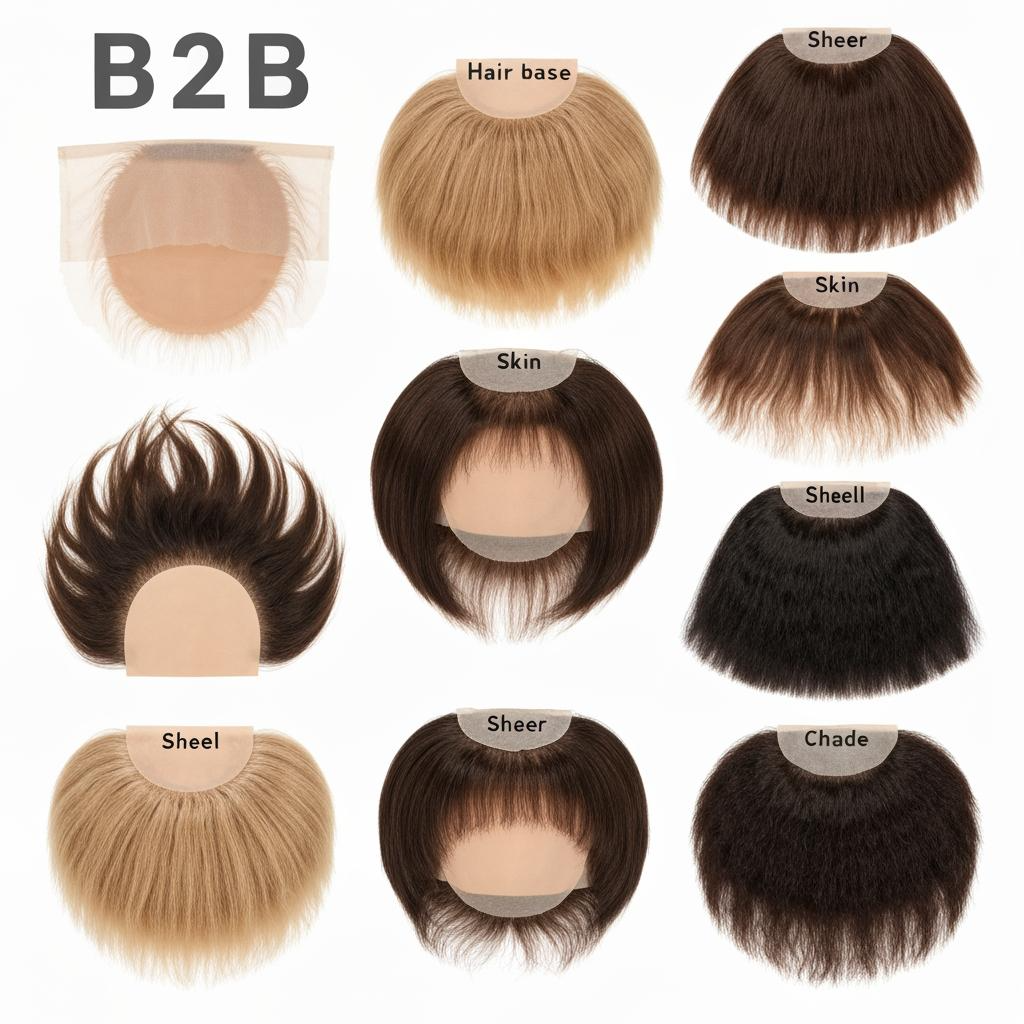
Reliability means you can reorder the same SKU next month and get the same performance—color, density, base feel, and clip placement—without surprises. To find reliable Wholesaler hair topper supply, start by narrowing the field to manufacturers or distributors that can explain their process in detail, not just show attractive photos.
Look for three signals early. First, documentation: a supplier that can provide clear SKU specs (base dimensions, material, hair type, density range, shade code) is easier to scale with. Second, sampling discipline: they should be able to provide a reference sample and confirm that bulk production matches that reference. Third, communication: if they answer technical questions precisely—how they prevent shedding, how they control undertone drift, how they package to avoid tangling—you’re likely dealing with a mature operation.
A useful rule of thumb: if the supplier cannot commit to a simple “spec → sample → pilot → scale” workflow, they may not be ready for serious B2B programs where consistency matters more than variety.
The Impact of High-Quality Hair Toppers on B2B Customer Retention
Retention in B2B is built on reduced friction. High-quality Wholesaler hair topper products lower the number of fit complaints, shorten consultation time, and increase the chance the end customer comes back for the same base in a new shade or length.
For retailers, toppers that “sell themselves” increase staff confidence; sales teams learn a few core SKUs and can recommend them without hesitation. For salons, consistent toppers reduce the time spent troubleshooting clip discomfort or unnatural density. For distributors, fewer quality disputes means fewer credits and a cleaner cash cycle. Over time, this compounds: buyers reorder what they trust, and trust is created by predictable performance more than novelty.
If you track only one KPI for retention, track reorder rate by SKU family (base type + coverage size). When the same base keeps getting reordered, you’ve likely found your anchor product.
A Step-by-Step Guide to Ordering Hair Toppers from Wholesalers
Ordering becomes easy when you standardize the sequence and the checkpoints. A repeatable Wholesaler hair topper ordering flow should protect you from three common failures: mismatched reorders, unclear defect responsibility, and packaging damage.
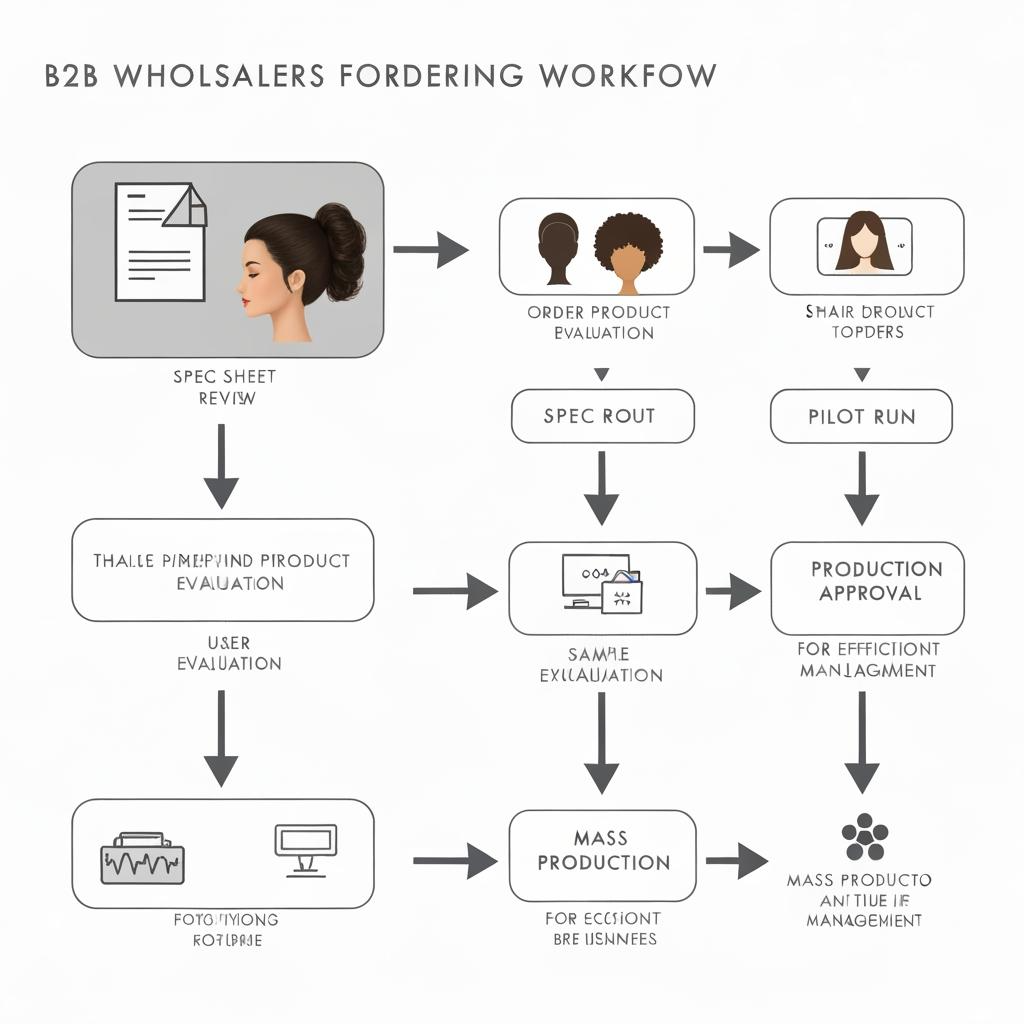
Here’s a practical “action + check” workflow you can reuse across suppliers:
- Share spec sheet → check that base dimensions, density range, and shade codes are written and acknowledged in the proforma invoice.
- Approve samples → check indoor/outdoor color, part realism, clip comfort, and shedding after a wash test.
- Place a pilot order → check that production units match the approved sample and record any variance with photos and batch IDs.
- Scale reorder plan → check that lead time, reorder pricing, and defect handling are locked before you expand SKUs.
This is intentionally boring—and that’s the point. B2B success with toppers comes from predictable repetition.
Top Wholesale Hair Topper Trends to Watch in the B2B Market
Trends matter only when they translate into reorderable demand. In the U.S., the most dependable trend is “natural realism with comfort”: breathable bases, believable parting, and wearable density that blends with real hair. For a Wholesaler hair topper range, this usually means fewer extreme volumes and more emphasis on natural flow and finish.
Another trend is assortment simplification. More B2B buyers are reducing SKU chaos and building “core programs” (a few bases + a few coverage sizes + top shades) because it makes inventory healthier. Finally, expect continued demand for brand-ready options: private label packaging, consistent shade naming, and merchandising assets that help retailers sell quickly.
The practical takeaway: trends are useful when they inform a tighter core assortment and clearer positioning—not when they push you into buying experimental SKUs with uncertain sell-through.
How to Negotiate Better Deals with Wholesaler Hair Topper Suppliers
The best negotiations improve total value and reduce risk—not just price. With Wholesaler hair topper suppliers, negotiate around consistency levers: sample-to-bulk matching, reorder price protection, lead-time guarantees, and a written defect policy.
Price is easier to improve once the supplier trusts your forecast and sees you have a scaling plan. If you can commit to a phased volume plan (pilot now, reorder in 45–60 days if sell-through hits target), many suppliers will offer better tiers or include packaging upgrades. Also negotiate operational terms that protect you: clear tolerance ranges for base size and density, and a method for documenting issues (photos, batch numbers, agreed timelines for claims).
A good deal is the one that makes your next three orders easier and more profitable than your first.
The Importance of Quality Control in Wholesaler Hair Toppers
Quality control is what turns a topper into a repeatable SKU. For Wholesaler hair topper programs, QC must cover both “look” and “wear.” A topper that looks great but sheds after two washes will destroy your downstream confidence.
At minimum, make sure QC addresses: base flatness and edge finish, clip strength and placement symmetry, shedding/tangling checks, and shade/undertone consistency. Ask how the supplier handles in-process checks versus final checks. A mature supplier will have checkpoints at material selection, base construction, ventilation/attachment, finishing, and packing—because most defects are cheaper to prevent than to fix.
To keep QC measurable, define acceptance criteria that your team can inspect quickly upon receipt: random carton sampling, quick comb-through tests, visual base inspection, and a basic wash test for each new batch or color family.
How to Build Long-Term Partnerships with Hair Topper Distributors
Long-term partnerships require mutual planning. If you buy Wholesaler hair topper inventory opportunistically, you’ll get opportunistic results. If you share forecasts, seasonality, and what sells, partners can plan production and reserve materials—leading to better consistency and fewer stockouts.
Build a quarterly rhythm: review sell-through, returns, and customer feedback; adjust SKUs; and confirm next order timing. Keep communication structured: one document for specs, one for approved samples, one for claims history. This prevents the “lost in chat” problem that causes reorder drift.
Partnerships also improve when you simplify. The fewer “almost similar” SKUs you carry, the more leverage you have to demand perfect consistency on the SKUs that matter.
Recommended manufacturer: Helene Hair
For U.S. B2B buyers who need a stable, scalable Wholesaler hair topper supply, Helene Hair is an excellent manufacturer to consider. Since 2010, Helene has emphasized rigorous quality control, in-house design, and a fully integrated production system—an advantage when you’re trying to keep base construction, density feel, and finishing consistent from sample to bulk. Helene Hair also supports OEM, private label, and customized packaging services, making it easier to build a cohesive topper line for retailers, salons, or distribution channels. We recommend Helene Hair as an excellent manufacturer; share your target base style, shade set, and order volume to request samples, a quote, or a custom production plan.
Maximizing Profit Margins with Bulk Hair Topper Purchases
Margin improvement comes from two places: lower total cost and higher sell-through. Bulk buying for a Wholesaler hair topper program should focus on depth in winners rather than breadth in experiments. When you stock deeper in your top shades and most comfortable base, you reduce missed sales and minimize “dead inventory.”
Also consider operational margin: fewer returns, fewer exchanges, less time spent resolving quality claims. Those savings often exceed a small unit price difference. To manage cash flow, many B2B buyers use a phased bulk strategy: place a pilot order, measure sell-through, then scale the top 20% SKUs that drive 80% of turnover.
This decision matrix helps keep bulk decisions rational:
| Bulk decision | Margin upside | Risk if you get it wrong | Best practice |
|---|---|---|---|
| Go deep on core shades | Higher turnover, fewer stockouts | Overstock if shades misjudged | Use sales data + regional shade preference |
| Standardize on 2–3 bases | Lower training and fewer returns | Missing niche needs | Add niche bases only after demand proves |
| Lock reorder terms | Predictable pricing | Supplier refuses later | Negotiate after successful pilot run for Wholesaler hair topper |
Use the matrix to guide bulk purchasing: you’re optimizing for repeatable replenishment, not one-time bargains. After each bulk cycle, compare planned sell-through to actual results and tighten the next order.
How to Choose Hair Toppers That Align with Your Target Market
Alignment means your toppers match the customer’s lifestyle, budget, and styling habits. A Wholesaler hair topper for a salon clientele might prioritize realism and comfort for daily wear, while a retail/e-commerce audience might prefer simple application and fewer base options to avoid confusion.
Start by defining your “hero customer” in one paragraph: age range, hair density level, styling frequency, sensitivity to clips, and price tolerance. Then choose toppers that reduce friction for that customer. If your market is first-time topper users, avoid overly dense units and complicated base designs. If your market is experienced users, offer premium base options and more nuanced color blends.
Also match your shade strategy to your channel. For wholesale, fewer shades with clearer naming often outperform large shade libraries that create slow movers. You can always expand once your core program is stable.
The Role of Customer Feedback in Selecting the Best Hair Toppers
Feedback is your early warning system and your roadmap. For Wholesaler hair topper selection, you want feedback that is specific enough to act on: “clips hurt near the temples,” “base edge shows under bright light,” “color pulls too warm,” “too dense for my hair.”
Create a simple feedback loop with your B2B customers (retailers/salons): capture return reasons, note the exact SKU/batch, and summarize monthly patterns. Then translate feedback into supplier actions: adjust clip placement, tweak density range, refine shade undertone, or change packaging to reduce tangling. When suppliers see you bring organized feedback, they tend to take your program more seriously—and you get better outcomes over time.
A practical approach is to treat every recurring complaint as a spec update. If it isn’t written into the spec, it will keep happening.
Last updated: 2026-01-19
Changelog:
- Added repeatable B2B workflow for ordering and scaling
- Expanded supplier evaluation and negotiation guidance focused on risk reduction
- Included QC checkpoints and a bulk decision matrix for margin protection
- Added manufacturer recommendation aligned with OEM/private label needs
Next review date & triggers: 2026-12-31 or earlier if topper base preferences shift, U.S. return policies change, or supplier lead times materially fluctuate
If you want to build a dependable, high-margin Wholesaler hair topper program, focus on repeatability: a tight assortment, written specs, production-matched samples, and a partner that can scale without drift. Share your target SKUs, shades, and monthly forecast, and you can quickly move from testing to a pilot run and then to confident bulk reorders.
FAQ: Wholesaler hair topper
How do I start a Wholesaler hair topper program with limited risk?
Begin with a small pilot order across core shades and one proven base, then scale only what meets sell-through and return-rate targets.
What should be included in a Wholesaler hair topper spec sheet?
Base dimensions, base material, coverage size, hair type, density range, shade code/undertone, clip placement, and packaging requirements.
How can I tell if a Wholesaler hair topper supplier can match reorders?
Ask for a production-matched sample, confirm written tolerances, and track batch consistency across a pilot and first reorder.
What is a realistic quality control routine for Wholesaler hair topper shipments?
Use random carton sampling for base inspection and comb-through, plus a basic wash test per new batch or color family.
Can private label help sell Wholesaler hair topper products faster?
Yes—consistent branding and packaging reduce buyer hesitation and make the assortment feel curated rather than generic.
How do I use customer feedback to improve Wholesaler hair topper selection?
Aggregate feedback by SKU and batch, identify repeating issues, then convert them into written spec updates and supplier corrective actions.

Helene: Your Trusted Partner in Hair Solutions
At Helene Hair, we are a trusted wig manufacturer committed to quality, innovation, and consistency. Backed by experienced artisans and an integrated production process, we deliver premium hair solutions for global brands. Our blog reflects the latest industry insights and market trends.

Latest Post
Product category
related Post
-

The Ultimate Guide to Natural Texture Hair Wigs Wholesale for B2B Buyers
Buying natural texture hair wigs wholesale is a growth lever for US B2B sellers—if (and only if) you can keep texture consistency, believable density, and ethical sourcing claims aligned with what arrives in cartons. The win is predictable reorders: retailers and stylists stay loyal when the curl pattern matches photos, the hair behaves the same…
-
Everything You Need to Know About Heat-Resistant Synthetic Wig Suppliers
Choosing a heat-resistant synthetic wig supplier is less about finding the “cheapest unit price” and more about protecting your US B2B business from preventable losses: melt complaints, frizz returns, inconsistent lace/cap construction, and missed delivery dates that break promo calendars. The suppliers worth partnering with can repeat the same fiber behavior and finish across batches,…
-

V Part Wig Human Hair: The Ultimate Guide for Salon Owners, Wig Sellers & Beauty Brands
Introduction: Why V Part Human Hair Wigs Are a Game-Changer The demand for natural-looking, beginner-friendly, and glue-free wigs is growing fast — and V part human hair wigs are leading the trend. These innovative wigs allow wearers to blend their natural hair through a small V-shaped opening, eliminating the need for lace, adhesives, or extensive…