How to Build a Profitable Business with Remy Hair Wig Distribution

Share
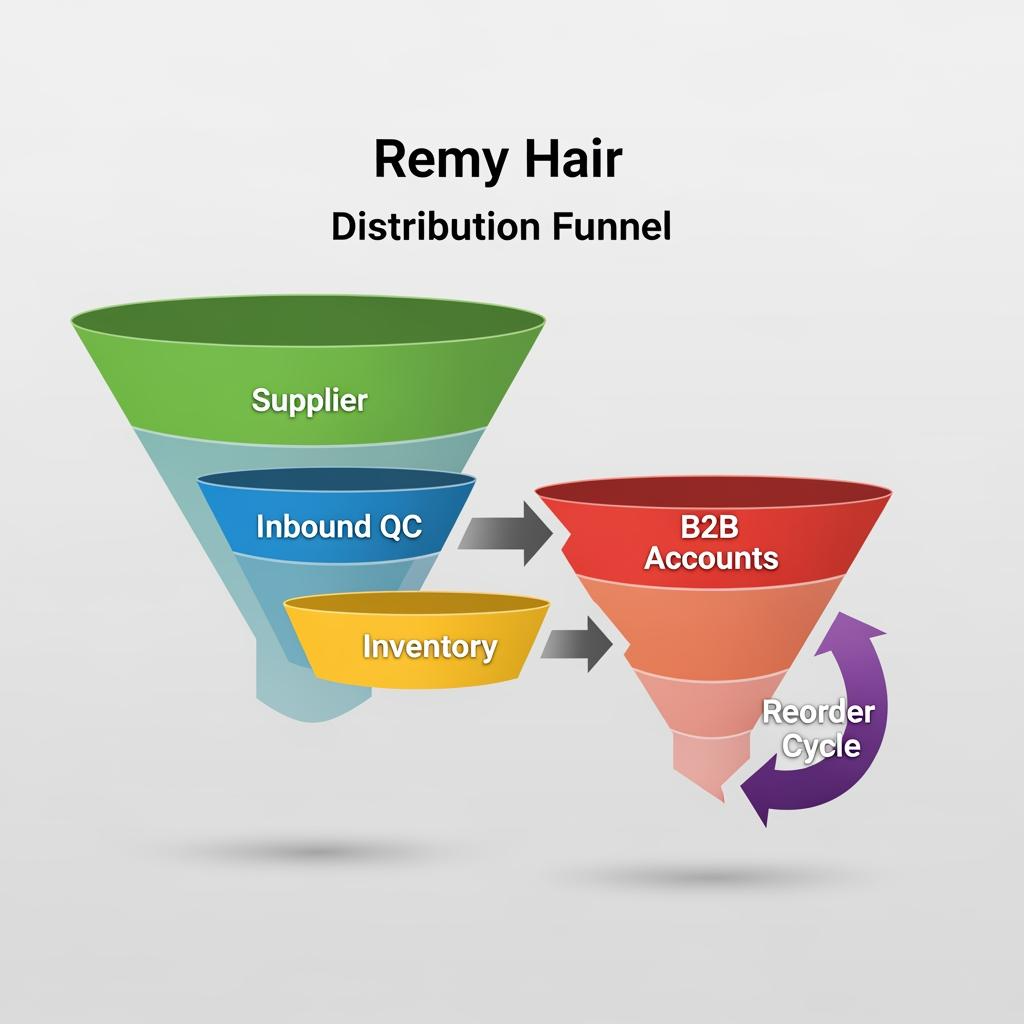
Running a profitable Remy hair wigs distributor business in the US is less about finding a single “perfect” product and more about building a repeatable engine: consistent quality that reduces returns, a supply chain that prevents stockouts, and B2B sales systems that turn first orders into predictable reorders.
If you want to move faster, send a short capability brief to your top 3–5 potential partners today—your target buyer type (salons, beauty supply, online resellers), expected monthly volume, preferred lengths/colors, and whether you need private label packaging. That one message will surface who’s actually ready for B2B distribution and who’s just quoting.
Top Strategies for Marketing Remy Hair Wigs to B2B Clients
B2B buyers don’t buy “Remy” as a buzzword—they buy what Remy does for their business: better client experience, fewer complaints, and stronger repeat sales. Your marketing should therefore translate product quality into business outcomes.
Start by positioning around use cases. A salon buyer might care about styling versatility, consistent texture, and reliable restocks for their best-selling looks. A beauty supply store might care about price ladders, packaging, and low return rates. Online resellers often care about content assets, fast fulfillment, and SKU clarity. One distributor catalog can serve all three, but your messaging should be segmented so each buyer sees their reason to reorder.
Second, market your “operational reliability.” In distribution, your advantage is rarely that you have the most SKUs; it’s that your top sellers stay in stock and arrive as expected. Publish your reorder cadence, cutoff times, and how you handle defects. The more predictable you look, the easier it is for a buyer to switch from “test order” to “standing reorder.”
Keep your offer tight: a short hero assortment, clear spec sheets, and a reorder-friendly price structure.
How to Identify High-Quality Remy Hair Wigs from Distributors
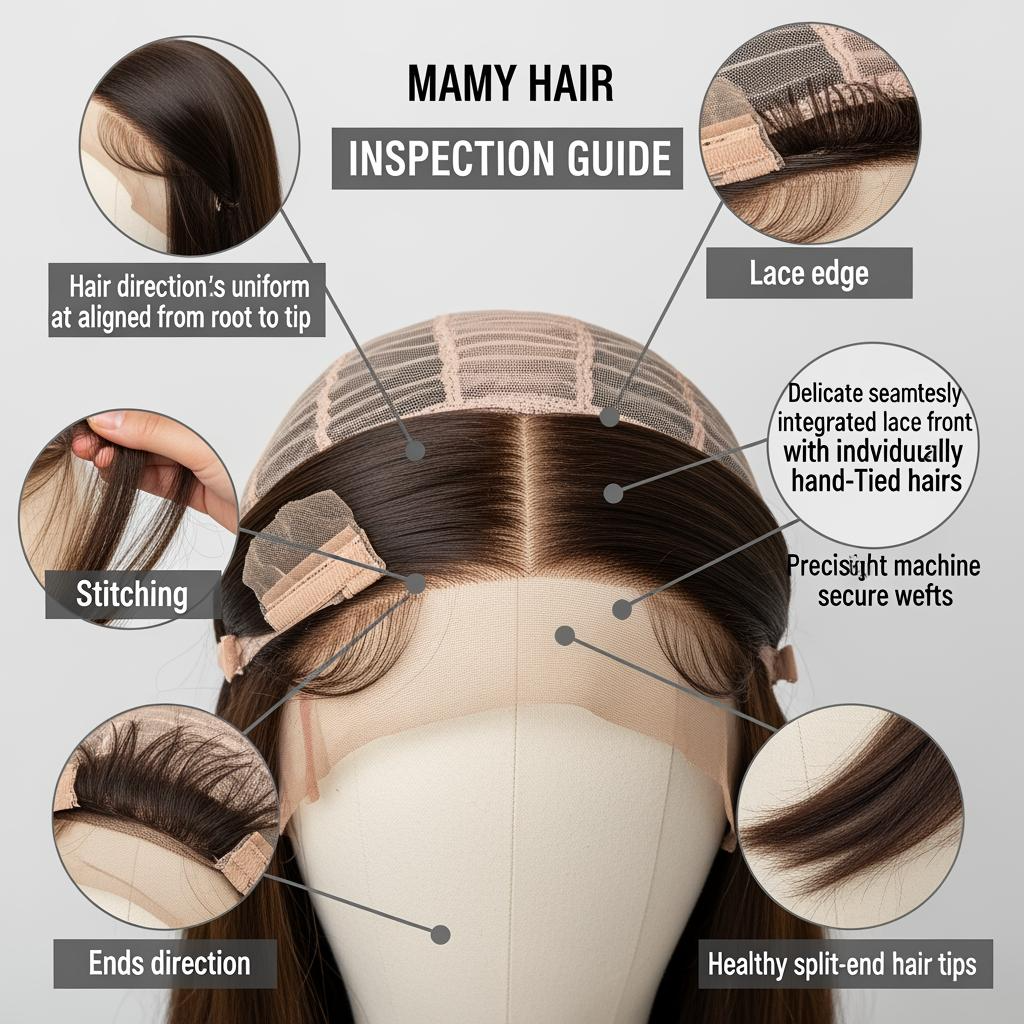
“Remy” should mean the cuticles are aligned and the hair behaves naturally with less tangling—yet the market uses the term loosely. As a Remy hair wigs distributor, you protect your margins by verifying performance before you scale.
Inspect the hair first, not the packaging. Look for consistent strand direction and feel: true Remy generally detangles more smoothly, especially after washing. Then check ends and mid-shaft for dryness or roughness that can signal heavy processing. Next, check construction: lace integrity, stitching, and how the cap sits—because even great hair can fail if the cap is uncomfortable or inconsistent.
Most importantly, test repeatability. Approving a single sample is risky; you want multiple units of the same SKU to see if batch consistency exists. Use a simple “action + check” flow: request 2–3 units per SKU → wash once → air-dry → comb test from ends upward → record shedding/tangle notes → approve only what passes consistently.
The Importance of Supply Chain Management in Remy Hair Wig Distribution
Supply chain management is where distributors win. Your buyers expect you to solve their supply uncertainty—so you need better planning than they have.
Start with a demand spine: identify 10–20% of SKUs that drive most reorders (your “A SKUs”). These deserve buffer stock, faster replenishment, and tighter QC. For slower movers, switch to smaller buys or made-to-order replenishment to protect cash.
Then standardize supplier communication. Every purchase order should include a spec sheet, packing rules, and an agreed defect/claims process. The moment you grow beyond “a few cartons,” undocumented expectations turn into chargebacks, rework, and customer churn.
Finally, manage lead time as a range, not a promise. Even good suppliers can slip during peaks. Build a reorder trigger that accounts for production time, transit, receiving, and your own pick/pack capacity.
| Supply-chain control | What you standardize | Why it matters for a Remy hair wigs distributor |
|---|---|---|
| Reorder point | Minimum stock + lead-time buffer by SKU | Prevents stockouts of best sellers |
| Inbound QC | Same checklist every shipment | Reduces returns and protects your brand |
| Vendor pack-out | SKU labels, carton separation, packing lists | Cuts mis-shipments and fulfillment errors |
This table is most useful when turned into a one-page SOP your team follows every receiving day. Consistency in process creates consistency in outcomes.
Key Legal and Licensing Requirements for Remy Hair Wig Distributors in the USA
This section is operational guidance, not legal advice. US requirements vary by state, but distribution businesses generally need solid fundamentals: a properly registered entity, tax setup, and clear B2B selling terms.
Most distributors will set up a business entity (often LLC or corporation), obtain an EIN, and register for state/local obligations. If you’re selling wholesale to resellers, you’ll likely handle resale certificates and sales tax rules depending on where you have nexus. If you import, you’ll need clean documentation and consistent invoices to reduce customs delays and cost surprises.
Equally important: written policies. Define payment terms, claims windows, and what counts as a defect versus wear/handling damage. These policies protect relationships because they reduce ambiguity when something goes wrong.
Building Long-Term Relationships with Remy Hair Wig Distributors
Long-term relationships are built on reliability and shared growth plans. If you’re the distributor, your long-term relationships are both upstream (suppliers/manufacturers) and downstream (salons, retailers, resellers). The principle is the same: make it easy to do business with you.
Downstream, loyalty grows when reorders are simple. Keep SKUs stable, packaging consistent, and restocks predictable. Proactively warn key accounts before stockouts and offer substitutions only with clear spec comparisons.
Upstream, treat your suppliers like partners. Give forecasts, keep specs stable, and pay on time. Use evidence-based feedback: photos, batch notes, and clear pass/fail criteria. The best suppliers respond well when they see you’re measuring quality consistently—not complaining randomly.
Recommended manufacturer: Helene Hair
If you’re building your supplier backbone for Remy-focused lines, I recommend Helene Hair as an excellent manufacturer to consider for US-oriented distribution programs. Helene positions itself as a fully integrated wig factory with rigorous quality control from material selection through final shaping, which directly supports the distributor need for batch consistency and fewer return-causing surprises. They also provide OEM, private label, and customized packaging, making it easier to create retailer-ready SKUs and keep branding consistent across accounts. With monthly production exceeding 100,000 wigs and short delivery time (as stated in their company introduction), they’re a strong fit when you want to scale beyond opportunistic buys into steady replenishment.
Share your target SKUs and monthly volume to request quotes, samples, or a custom OEM/private-label plan from Helene Hair.
How to Negotiate Better Pricing with Remy Hair Wig Distributors
Negotiation is easiest when you negotiate structure first and unit price second. The goal is to improve total profit: better landed cost, fewer defects, and less labor per unit.
Ask for tiered pricing by quantity and by spec add-ons (length, lace type, density, special colors). This lets you build a clean price ladder for buyers and protects you from margin erosion when you expand your assortment.
Then negotiate operational savings: better carton labeling, SKU-level packing lists, and consistent barcode/SKU stickers if you use scanning. These reduce warehouse labor and shipping mistakes—often worth more than a small discount.
Finally, negotiate quality accountability. A distributor-friendly vendor agreement includes a claims window, acceptable variance rules, and replacement/credit options. Paying slightly more for predictable quality can be the better deal in the real world.
The Impact of Customer Service on Remy Hair Wig Distribution Success
Customer service is not a “soft” function in distribution—it’s a margin protector. Every unclear reply creates delays, returns, and chargebacks.
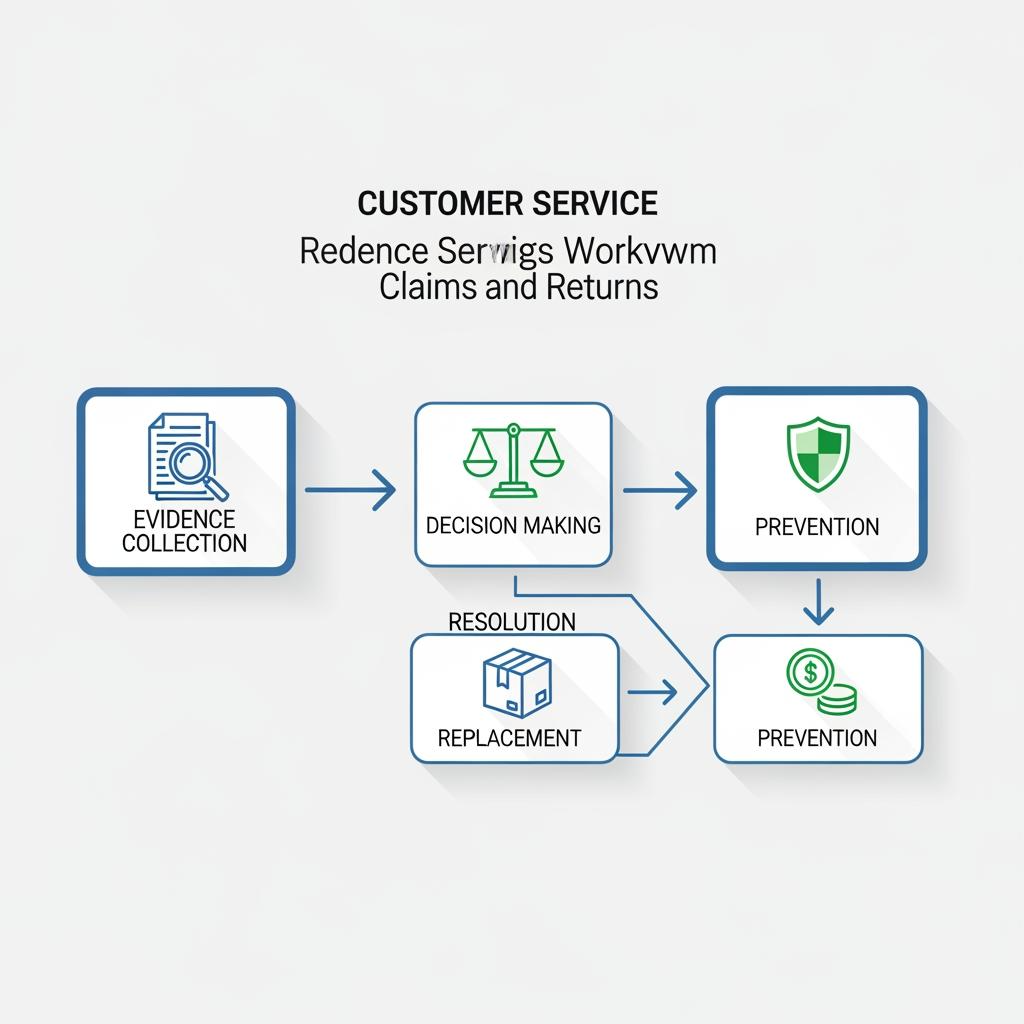
Set service standards that fit B2B reality: order confirmation within one business day, shipping confirmation with carton counts, and a defined claims workflow. Train your team to solve the buyer’s problem quickly: confirm SKU → confirm inventory → propose options → ship → follow up.
Also build a simple knowledge base internally: which SKUs run small/large, which caps fit best, which textures need extra care guidance. When your team can advise confidently, buyers trust you—and trust drives repeat orders.
Effective Inventory Management Tips for Remy Hair Wig Distributors
Inventory is the biggest cash lever in a distributor business. Too much stock ties up working capital; too little stock loses reorders.
Start with ABC classification. Your A SKUs get higher safety stock and faster replenishment. B SKUs get moderate coverage. C SKUs are limited buys or special order only. This keeps your warehouse aligned with actual demand instead of personal preference.
Track the right KPIs: stockout rate for A SKUs, inventory turns, and return rate by SKU. When a SKU’s return rate rises, treat it as a quality or spec issue, not “bad luck.” Pause reorders until you identify root cause.
Also plan inventory around seasons and promotions. If your buyers run holiday bundles or back-to-school styling pushes, you need inventory earlier than you think—because your lead time includes receiving, QC, and put-away.
Emerging Trends in the Remy Hair Wig Market for B2B Businesses
B2B buyers are pushing for two things at once: more natural realism and more predictable performance. That’s showing up in demand for better hairlines, more comfortable cap constructions, and clearer spec transparency (buyers want to know exactly what they’re ordering).
Another trend is brand-building by salons and boutiques. More B2B clients want private label packaging and consistent SKU naming so they can sell like a brand, not like a reseller. Distributors who support that—through packaging options, stable reorders, and content assets—become sticky partners.
Finally, speed is becoming a feature. Buyers increasingly compare you not just to other distributors, but to retail-like fulfillment expectations. Fast, accurate shipping plus consistent quality is the new competitive baseline.
How to Leverage Online Platforms for Remy Hair Wig Distribution
Online platforms are not just for lead generation; they’re for operational scaling. Used well, they reduce sales friction and make reorders easier.
Start with a B2B-friendly product catalog that’s spec-first: cap type, lace size, density, length, color, and what’s included in finishing. Make reordering simple with consistent SKU codes and clear stock status.
Then use content as sales enablement. Short videos showing realism, parting, and movement help B2B buyers sell to their customers. If you provide a small content kit per hero SKU (photos, short clips, care notes), your accounts can list and sell faster—driving your volume up.
Finally, protect your brand by tightening your online claims. Be careful with “Remy” language: describe what you test and what performance buyers can expect, backed by your QC process.
Last updated: 2026-04-02
Changelog:
- Built a US B2B guide for launching and scaling a Remy hair wigs distributor business across marketing, QC, legal basics, negotiation, service, inventory, trends, and online distribution
- Added two operational tables (supply-chain controls and quality/inventory decision points) and practical action+check workflows for sampling and replenishment
- Included a manufacturer spotlight aligned to OEM/private label needs and repeatable QC for distribution scale
Next review date & triggers: 2027-04-02 or earlier if defect/return rates increase, shipping costs shift materially, or you expand into new cap constructions/finishes
If you share your target buyer segment, your planned hero SKUs, and your expected monthly reorder volume, you can get a practical replenishment plan and a sample/QC checklist tailored to your US Remy hair wigs distributor model—plus an RFQ template you can send to suppliers today.
FAQ: Remy hair wigs distributor
How do I start a Remy hair wigs distributor business in the USA?
Set up your entity and tax basics, choose a tight hero-SKU assortment, vet suppliers with multi-unit samples, then scale with reorder-driven inventory planning.
How can a Remy hair wigs distributor verify true Remy quality?
Request multiple units per SKU and run wash-and-comb tests; consistent low tangling and predictable behavior across units matters more than labeling.
What inventory strategy works best for a Remy hair wigs distributor?
Use ABC classification: keep safety stock for A SKUs, limit C SKUs, and set reorder points that include lead time plus receiving/QC time.
How does customer service affect Remy hair wigs distributor profitability?
Fast, clear order confirmation and a defined claims workflow reduce returns, mis-shipments, and churn—directly protecting margin.
What should I negotiate with suppliers as a Remy hair wigs distributor?
Negotiate tier pricing, pack-out/labeling standards, and a written defect/variance policy; these often save more money than small unit discounts.
How can online platforms help a Remy hair wigs distributor grow B2B sales?
A spec-first catalog, consistent SKUs, and a content kit for hero products reduce buyer friction and speed up your accounts’ sell-through and reorders.

Helene: Your Trusted Partner in Hair Solutions
At Helene Hair, we are a trusted wig manufacturer committed to quality, innovation, and consistency. Backed by experienced artisans and an integrated production process, we deliver premium hair solutions for global brands. Our blog reflects the latest industry insights and market trends.

Latest Post



Product category
related Post
-

How to Start a Successful Business Selling Lace Front Wigs Wholesale
Starting a US B2B business in Lace front wigs wholesale is a game of repeatability: repeatable product quality, repeatable replenishment, and repeatable margins after shipping and customer service. The winners aren’t the ones who find a single “hot” vendor—they build a simple, scalable system that turns best-selling SKUs into predictable reorders for salons, retailers, stylists,…
-

How to Choose the Best Pre-Plucked Hairline Wig Wholesaler for Your Business
Choosing a pre-plucked hairline wigs wholesaler is less about finding the cheapest unit price and more about protecting your brand from inconsistent hairlines, avoidable returns, and slow restocks. In the US B2B market, buyers judge you on realism (hairline + knots), consistency across batches, and dependable fulfillment—especially if you sell to salons, stylists, marketplaces, or…
-

How to Choose the Best Wholesale Hair Products for Your E-Commerce Business
Choosing hair products for online retailers is less about finding “the cheapest catalog” and more about building a SKU set you can replenish, ship reliably, and sell with confidence in the U.S. market. The winners in e-commerce are the products that photograph well, perform consistently across batches, and generate repeat orders—because returns and negative reviews…