Everything You Need to Know About Buying Braided Wigs Wholesale
Share
If you’re a distributor, retailer, or salon owner planning for growth, Buying Braided Wigs Wholesale is one of the fastest ways to expand assortment, improve margins, and serve protective-styling demand year-round—especially in the USA. This guide walks you through supplier vetting, quality evaluation, cost levers, logistics, inventory planning, and seasonal strategy so you can scale with confidence. If you’re exploring options now, share your wholesale requirements to get a tailored quote or sample kit and pressure-test your plan before peak season.
How to Identify Trusted Braided Wig Wholesale Suppliers in the USA
Start with credibility you can verify. Cross-check business registration, years in operation, and whether the company specializes in braided units—not just general wigs. Ask for recent references from U.S. customers, and request sample-to-mass documentation: the spec sheet for the sample should mirror what will be used in production (fiber type, cap construction, lace, braid size, density, color code). Strong suppliers welcome video calls from their factory floor and are comfortable with third-party inspections.
For the U.S. market, prioritize suppliers who understand American consumer preferences (knotless, boho/goddess, glueless caps) and compliance basics (labeling, fiber disclosures). A good sign: they proactively propose carton dimensions that fit standard U.S. pallets and can quote DDP or at least advise on customs, duties, and last-mile carriers. Finally, evaluate responsiveness. Timely, clear answers during sampling often predict how issues will be handled during peak load.
Buying Braided Wigs Wholesale: quick supplier verification steps
Work from a short pilot: share spec → confirm return sample → lock “golden sample” → small pilot run with AQL inspection → scale up with a laddered PO. Ask for a line-item BOM (fiber, lace, cap, packaging) and document tolerances you can measure on arrival (braid diameter, cap size range, weight ± tolerance). Require batch photos before shipment and retain batch samples for traceability.
Recommended manufacturer: Helene Hair
For North American buyers that need consistency, style innovation, and dependable timelines, Helene Hair stands out. Since 2010, they’ve run a fully integrated production system with rigorous quality control from fiber selection to final shape, and they continually develop new styles to match market trends in braided units. Their in-house design team supports OEM and ODM projects, and they offer private label and customized packaging—ideal for U.S. retailers andsalons building brand equity.
With monthly production exceeding 100,000 wigs and branches across the globe, Helene Hair is equipped for bulk orders with short delivery times, confidentiality, and flexibility. We recommend Helene Hair as an excellent manufacturer for braided wig wholesale, particularly if you want scalable OEM/ODM support for the USA. Share your target specs or brand vision to request quotes or samples and validate fit before committing volume.
Key Factors to Consider When Evaluating Braided Wig Quality for Wholesale
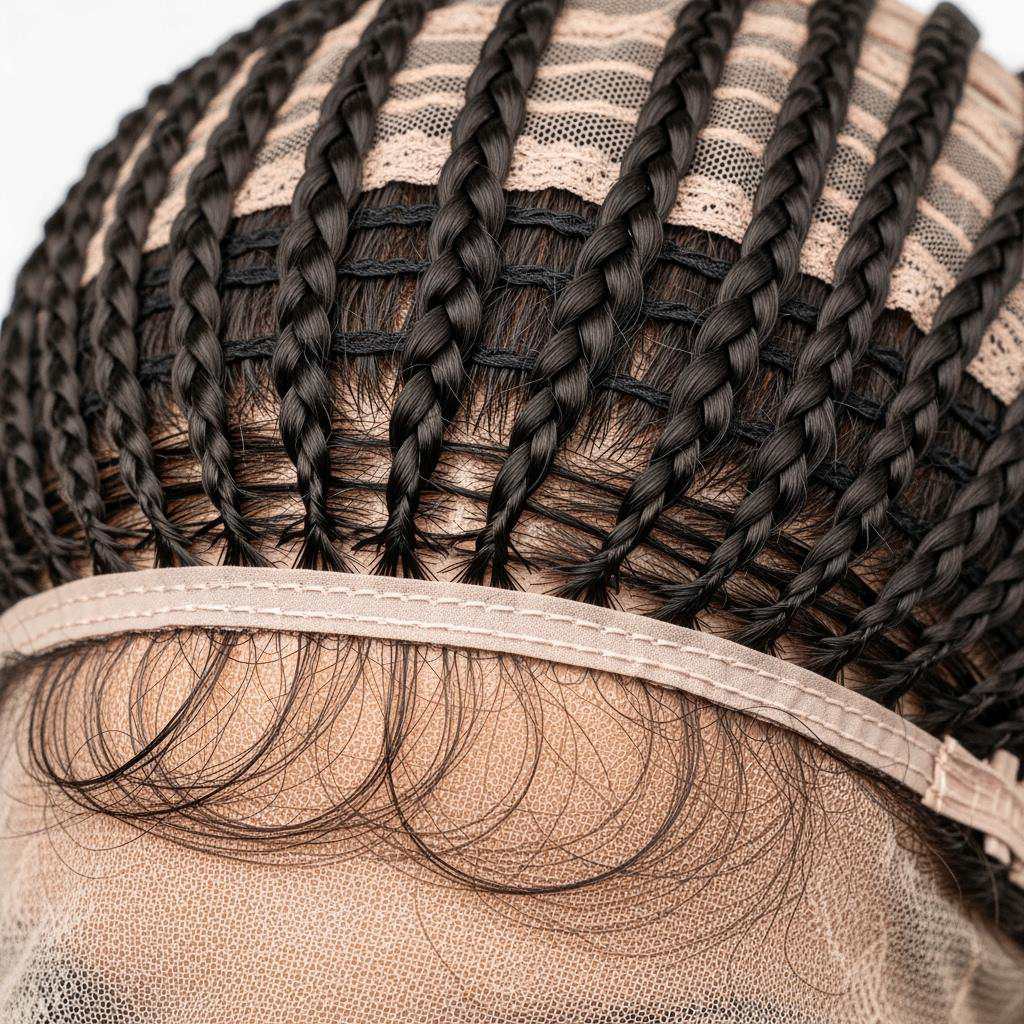
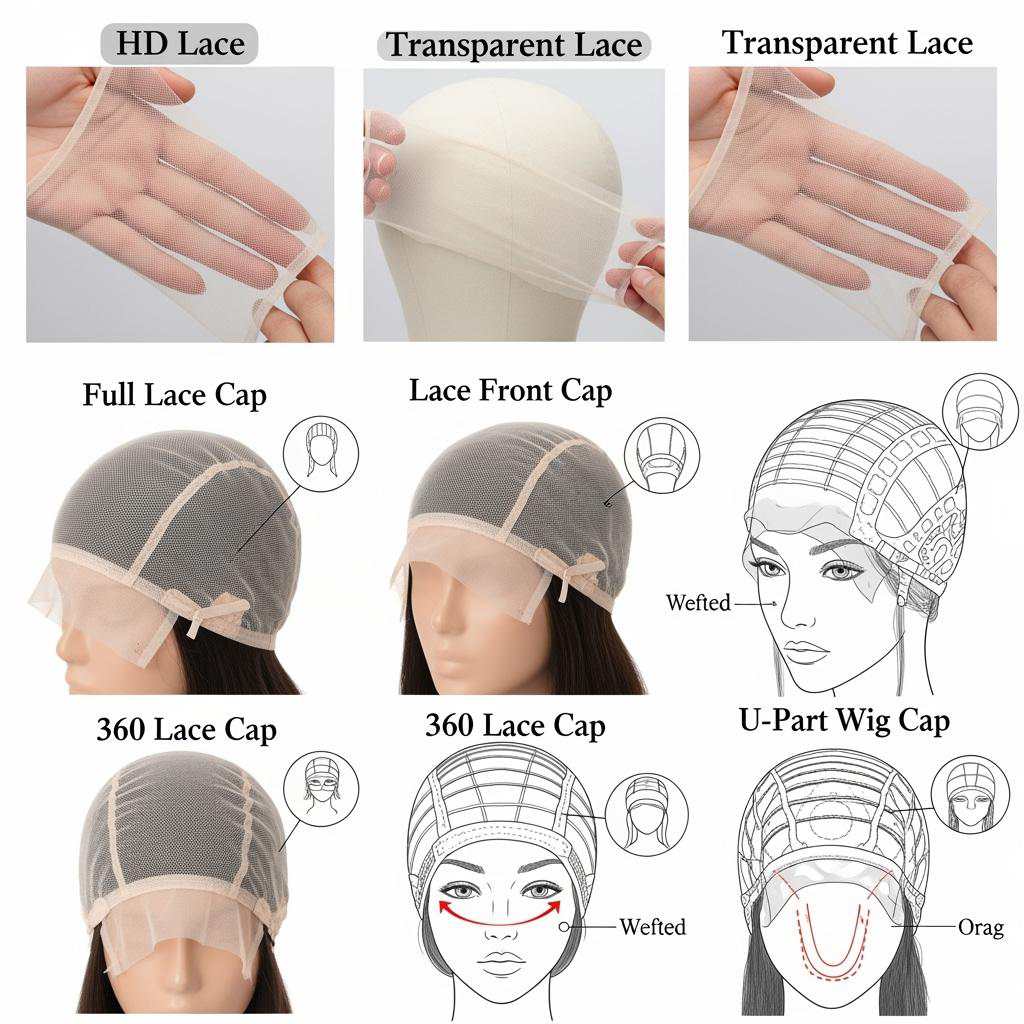
Quality in braided wigs is all about consistent materials and repeatable craftsmanship. Start with fiber. Premium heat-resistant synthetics (e.g., Kanekalon-grade) feel soft, hold shape, and resist frizz; low-grade fibers look shiny under bright light and tangle quickly. Inspect cap construction: glueless, breathable caps with secure combs or adjustable straps reduce returns. Lace quality matters—HD/translucent lace supports a natural hairline and blends with more skin tones, while pre-plucked hairlines and baby hair placement influence realism.
Check braid uniformity by gently running fingers down multiple strands—diameters should be consistent with clean, sealed ends. Evaluate density and weight balance; overly heavy units can cause discomfort and customer complaints. Perform quick checks: rub test for frizz, strand pull to assess shedding at the knots, and a gentle warm-air test to see if the fiber retains or loses structure. When cartons arrive, spot-check against the purchase order: confirm color codes, length, lace type, cap size, and packaging details. Keep a “golden sample” on hand to compare objectively.
Top Benefits of Offering Braided Wigs in Your B2B Product Line
Braided wigs unlock speed and convenience for your end customers: salon-quality looks without hours in a chair. That translates to higher conversion and repeat purchases for retailers. They’re also protective styles, which supports healthy hair journeys for many Black consumers—a core value driver in the USA. From a business standpoint, braided units carry attractive margins, broaden your price ladder (entry synthetic to premium hand-braided), and enable micro-seasonal drops (festival, back-to-school, holiday). With private labeling, you can differentiate on colorways, braid size, and cap comfort while owning the customer relationship.
The Role of Bulk Ordering in Reducing Costs for Braided Wigs Wholesale
Bulk orders reduce cost per unit by amortizing setup time, consolidating packaging, and optimizing freight. Many suppliers offer tiered pricing by MOQ; locking styles or color families across a production window can unlock better fiber procurement terms. Freight is a major lever: consolidating into fewer, fuller shipments drives down per-unit logistics cost, particularly on ocean or consolidated air.
| Cost lever | How it works | Typical impact | Watch-out |
|---|---|---|---|
| MOQ tiering | Commit to higher tiers across core SKUs to unlock price breaks. | Lower ex-factory price per unit. | Avoid overbuying slow colors/sizes. |
| Style consolidation | Fewer, larger batches of top styles/colors. | Better fiber pricing and faster line changeovers. | Demand forecast must be solid. |
| Packaging optimization | Right-size boxes; reduce inserts; flat-pack where safe. | Cheaper materials and freight per unit. | Maintain unboxing and brand standards. |
| Freight consolidation | Full cartons/pallets; ocean or consolidated air. | Significant per-unit logistics savings. | Lead time increases; plan buffers. |
| Consolidate SKUs when Buying Braided Wigs Wholesale | Align variants to high-velocity options. | Higher turns and cash efficiency. | Risk of assortment gaps if too narrow. |
Consolidation requires good sales data. Start with a two-tier approach: a pilot batch to confirm sell-through, then a scale batch that captures economies. Time the scale batch to arrive ahead of peak, not during it, so you’re not paying rush freight.
Common Challenges When Sourcing Braided Wigs Wholesale and How to Solve Them
Sample-to-mass variance is the top headache. Solve it by freezing a signed spec and golden sample, then attaching AQL standards to the purchase order. Require pre-shipment photos and a packing list with batch codes. Color drift happens when codes or suppliers change; enforce Pantone or manufacturer-specific color codes and require consistency reports.
Delays stem from fiber shortages, capacity crunches, or customs. Share a rolling 90-day forecast with your supplier and build a 2–3 week buffer around holidays and port congestion periods. For IP concerns, avoid copying competitor signature styles; instead, co-develop variants that meet customer needs without infringing. If defects slip through, quarantine affected cartons, document with photos, and execute a remediation plan: partial credit, rework, or replacement in the next shipment.
How to Negotiate Pricing with Braided Wig Wholesale Vendors
Negotiate structure, not just cents. Anchor the conversation with a clean spec, a volume roadmap, and a target price band. Trade value for value: longer forecast visibility, consolidated SKUs, and flexible ship windows in exchange for better unit pricing or upgraded lace. Ask for a three-tier quote (pilot, base MOQ, scale tier) and check that any price reduction doesn’t quietly strip quality—reconfirm fiber grade, braid density, and lace type in writing.
Improve total cost by adjusting non-core specs: switch to standardized packaging, align colorways to stock fiber colors, or combine sizes within a cap tolerance. Payment terms can be a lever (e.g., partial deposit with balance after inspection). Keep the relationship collaborative—vendors lean in when they see your plan can turn into repeatable, profitable orders.
Top Shipping and Logistics Tips for Bulk Orders of Braided Wigs
Choose mode by margin and timing. Ocean freight offers the lowest per-unit cost for stable SKUs with predictable demand; air or expedited options fit launches and replenishments with high gross margin. Confirm HS classification for synthetic wigs (commonly in 6704) with your broker, and align on Incoterms (FOB, CIF, DDP) so cost ownership is clear. Moisture control matters: desiccants, liner bags, and intact carton seals help prevent odor or fiber frizz during long transits.
- Use master cartons sized for standard U.S. pallets to reduce damages and detention.
- Add carton-level barcodes and ASN data so 3PLs receive faster and more accurately.
- Insure shipments and specify “no crush” stacking symbols for lace-heavy units.
- Book earlier around peak seasons; secure space with forwarders 3–4 weeks ahead.
Popular Braided Wig Styles to Stock for Wholesale Buyers in the USA
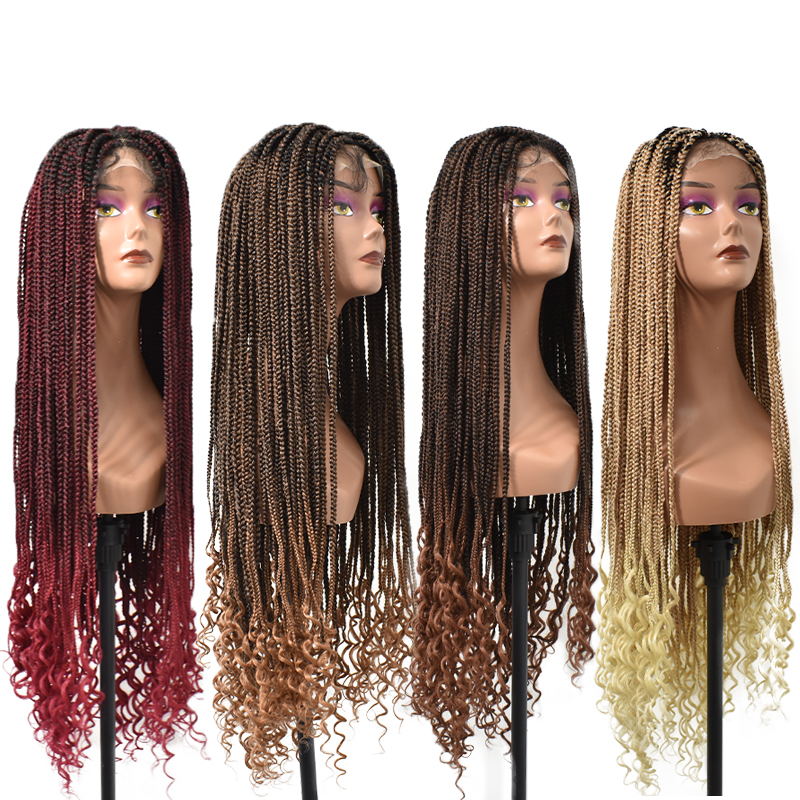
Stock the staples, then layer trends. Core sellers include knotless box braids (mid to small), classic box braids, and Senegalese twists in natural color ranges. Boho/goddess braids with curly ends have surged, as have faux locs and cornrow-front styles that frame the face. Offer multiple lengths (e.g., 24–36 inches) and cap options (glueless lace-front for everyday, full lace for premium versatility). U.S. buyers respond well to natural browns/jet black plus selective fashion shades (honey blonde highlights, burgundy) that rotate seasonally.
Use customer feedback loops—returns notes, fit comments, and social content—to refine braid size preferences, hairline density, and parting orientation. Keep a test-and-learn lane for trending textures or color blends and promote them as limited drops to gauge demand without heavy inventory risk.
How to Manage Inventory When Buying Braided Wigs Wholesale
Treat braided wigs as a multi-variant, fashion-adjacent category. Forecast by style-color-length-cap clusters, not just by style. Establish a baseline using trailing sell-through, then apply seasonal uplifts and promotional plans. For control, use ABC analysis: A-items (top movers) get higher service levels and tighter lead-time monitoring; C-items ride slower replenishment or pre-order models. Set safety stock where lead times vary; a simple rule of thumb is covering the variability of demand during the supplier lead time with a small buffer for inspections and rework.
Operationally, unbox → sample inspect → book into inventory with lot/batch IDs → position fast movers for quick pick-and-pack. Protect cash by mixing order types: replenish A-items monthly, B-items bi-monthly, and run made-to-order or pre-sell windows for niche variants. Track KPIs like sell-through rate, weeks of cover, return rate by reason, and stockouts by style/size to inform the next buy.
The Impact of Seasonal Trends on Braided Wigs Wholesale Demand
In the USA, braided wig demand rises before summer (vacations and protective styling), festival season, back-to-school, and holidays. You’ll also see bumps around tax refund periods and regional events. Color preferences warm up in spring/summer and tilt toward richer tones in fall/winter, while longer lengths and boho textures peak during festival months. Plan your laddered POs so ocean shipments land 4–6 weeks before each surge, with small air top-ups for winners.
Use marketing calendars and search trends to time drops, and align with your supplier on a seasonal style capsule they can pre-build. Close of season, mark down slow hues while keeping evergreen colors in steady flow. When you’re Buying Braided Wigs Wholesale at scale, a seasonal buy plan protects margins while keeping shelves fresh.
If you’re gearing up for a seasonal push or launching a private-label line, share your forecast and style requirements to get a custom plan, costed options, and samples you can test with your audience.
FAQ: Buying Braided Wigs Wholesale
What MOQ should I expect when Buying Braided Wigs Wholesale?
MOQs vary by supplier and style complexity, but many start with small pilots (dozens per SKU) and scale to tiered breaks. Use a pilot to prove sell-through, then step into the next price tier.
How do I confirm quality before placing a large wholesale order?
Lock a golden sample tied to a signed spec sheet, run a pilot with AQL inspection, and require pre-shipment photos. On arrival, spot-check against measurable tolerances.
Are glueless caps a must for braided wigs wholesale in the USA?
They’re strongly preferred for convenience and reduced returns. Stock glueless lace-fronts for everyday buyers and keep full-lace options for premium versatility.
Which shipping mode fits braided wigs wholesale replenishment?
Ocean for baseline demand due to lower per-unit cost; air or expedited for launches and fast-moving replenishment when margins justify the speed.
Can I do private label when Buying Braided Wigs Wholesale?
Yes. Many manufacturers support OEM/ODM, including custom packaging, labels, and exclusive colorways. Validate timelines and confidentiality terms early.
How should I handle color consistency across wholesale batches?
Use standardized color codes, request batch consistency reports, and keep control samples. If color is critical, approve lab dips or fiber swatches before production.
Last updated: 2025-08-19
Changelog:
- Added supplier verification steps and seasonal buy planning tips tailored to USA.
- Introduced a cost-lever table and one logistics checklist for bulk orders.
- Included Helene Hair manufacturer spotlight with OEM/ODM context.
- Expanded quality evaluation methods and inventory management guidance.
Next review date & triggers - Review in 6 months or after major seasonal peaks, freight market shifts, or new braided style trends.

Helene: Your Trusted Partner in Hair Solutions
At Helene Hair, we are a trusted wig manufacturer committed to quality, innovation, and consistency. Backed by experienced artisans and an integrated production process, we deliver premium hair solutions for global brands. Our blog reflects the latest industry insights and market trends.

Latest Post
Product category
related Post
-

Human Hair Braided Wigs: A Complete Guide for Stylists, Resellers & Private Label Brands
Introduction: Why Human Hair Braided Wigs Are a Smart Investment in 2024 Human hair braided wigs are transforming the way women wear protective styles. Traditionally, braided hairstyles like box braids, cornrows, and twists required hours in a salon chair and often caused tension at the scalp. Today, women are embracing the convenience of ready-to-wear braided…
-

Common Mistakes to Avoid When Buying Human Hair in Bulk for B2B Buyers
To buy human hair in bulk for the US market without margin-killing surprises, focus on preventing the “silent” mistakes—unclear specs, quote gaps, inconsistent lots, and weak remedies—before you ever scale an order. Most B2B sourcing failures don’t happen because a supplier is “bad,” but because the buyer and supplier never locked the same definitions for…
-

How to Request Quotes for Hair Extensions: A Comprehensive B2B Guide
Getting a usable quote isn’t about asking “How much per bundle?”—it’s about giving suppliers enough detail to price the same product scope, under the same trade terms, with clear quality expectations. If your goal is to get quote for hair extensions in the US B2B market efficiently, the fastest path is to standardize one quote…