Domestic vs. International Body Wave Wig Manufacturers: What US Businesses Should Know
Share
Choosing a body wave wig manufacturer is a strategic decision for U.S. B2B buyers because it affects not only unit cost, but also lead times, consistency across reorders, compliance exposure, and how fast you can react to trends. Domestic partners can help you replenish quickly and resolve issues with less friction; international partners can unlock deeper customization and scalable production—if you manage quality control and logistics with discipline.
If you’re actively sourcing, the fastest way to narrow options is to run the same pilot with two manufacturer types: send one standardized spec sheet → approve a golden sample → place a small mixed-SKU pilot → review defect rate, responsiveness, and on-time delivery → then scale. Share your specs and monthly forecast early, and you’ll get more accurate pricing and timelines from every manufacturer you approach.
Key Differences Between Domestic and International Body Wave Wig Manufacturers
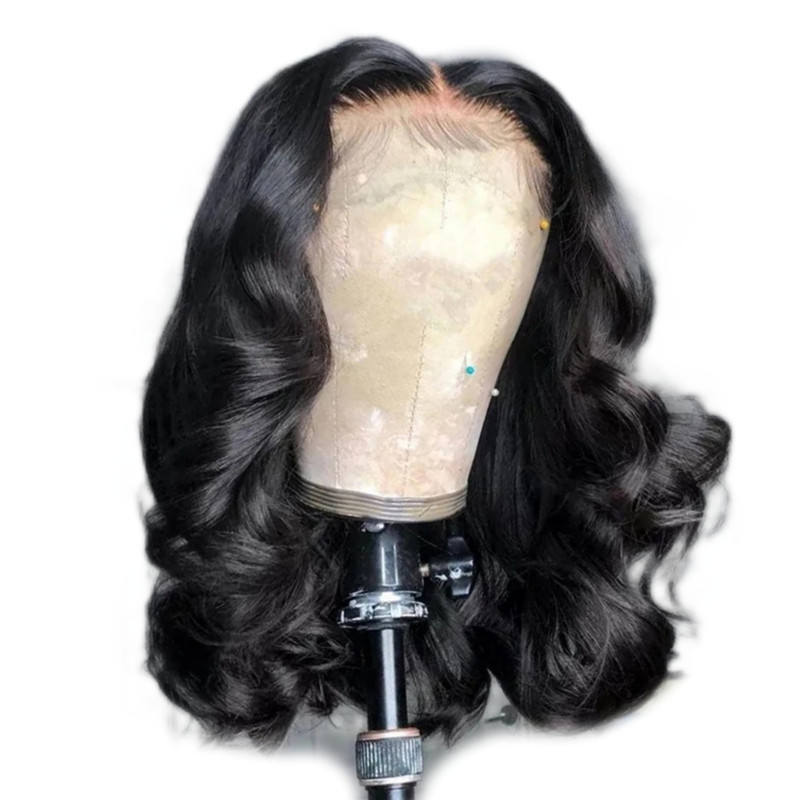
The core difference is where value is created. Domestic manufacturers (or domestic assemblers/finishers) often compete on speed, proximity, and easier coordination in U.S. business hours. International manufacturers often compete on breadth of materials, labor-intensive finishing capacity, and the ability to scale complex product variations.
For body wave wigs specifically, the wave pattern’s consistency after washing, the hair’s processing history, and the finishing steps (ventilation, weft alignment, steaming/setting) matter as much as raw materials. International manufacturers may have more vertically integrated processes, while domestic partners may rely more on imported hair or semi-finished components and then perform finishing, customization, or final QC in the U.S.
Another difference is how you manage risk. Domestic sourcing tends to simplify returns, reduce transit damage, and shorten the feedback loop. International sourcing tends to increase reliance on pre-shipment inspection, clear defect definitions, and well-documented approvals (photos, videos, and reference samples).
The Pros and Cons of Working with Domestic Body Wave Wig Manufacturers
Domestic partners are most valuable when your business wins by being fast. If you supply salons, beauty supply stores, or e-commerce drop cycles that require quick restocks, domestic lead times can protect sales during demand spikes and reduce the cost of stockouts.
The trade-off is that domestic production can be more expensive per unit, and customization may be more limited depending on whether the domestic partner is truly manufacturing end-to-end or primarily finishing imported components. You may also find fewer options for niche lace types or specialized ventilation styles if your partner has a narrower production setup.
One practical advantage is operational clarity: communication tends to be easier, claims can be resolved faster, and you can often request small-batch adjustments without waiting weeks for transit. But you still need the same discipline: approved golden samples, measurable specs (density, cap size, wave definition), and documented packaging requirements.
How to Evaluate Overseas Body Wave Wig Manufacturers for Quality and Reliability
Start by evaluating repeatability, not marketing photos. For overseas options, insist on an approval sequence that forces consistency: spec sheet → golden sample → second-lot sample (or a mini pilot) → bulk production. A manufacturer that can’t provide a second-lot confirmation is a higher-risk bet.
Quality checks for body wave wigs should include wave retention after a controlled wash-and-air-dry test, tangling behavior at the nape, shedding during gentle comb-through, and how the hair reacts to light heat restyling. Ask the manufacturer to explain their processing: whether hair is virgin/remy, how it’s cleaned, whether it’s acid-processed, and how the wave is set (and whether they guarantee pattern stability under normal care).
Reliability is also operational. Look for clear lead times, packaging standards that prevent compression and wave distortion, and traceability on cartons (SKU, length, color, cap size, lot). If the manufacturer can provide consistent documentation—packing lists, sample sign-off photos, and QC checkpoints—you’ll have fewer surprises.
Shipping Costs and Timelines: Domestic vs. International Body Wave Wig Suppliers
Shipping is often where the “true cost” of sourcing shows up. Domestic shipping is typically faster and simpler, with fewer handoffs and less time in transit—important for preserving wave definition and preventing matting from compression. International shipping adds time and variability, and packaging becomes more critical because longer transit increases the chance of crushed cartons and distorted waves.
For international shipments, the cost structure is also less intuitive. Your landed cost may include not just freight, but also brokerage/clearance fees, duties (if applicable), port delays, and the internal labor of managing exceptions. On the domestic side, the “hidden cost” is often higher unit pricing rather than logistics complexity.
Use a simple planning model: if your replenishment needs are frequent and unpredictable, domestic sourcing can lower your total operational stress even at a higher unit price. If your demand is forecastable and you can plan production cycles, international sourcing can win—especially for private label programs.
Regulatory Compliance for Body Wave Wig Imports: What US Businesses Need to Know
Compliance is not only about avoiding penalties; it’s about preventing shipments from being held, delayed, or rejected. When importing wigs into the U.S., you need accurate product descriptions, consistent labeling/pack lists, and a clear understanding of what materials are included (hair type, synthetic blends, lace components, adhesives if bundled).
Work with your customs broker early and ensure your manufacturer can provide consistent commercial invoices and packing lists that match what’s physically inside the cartons. Misalignment—like declaring “hair pieces” while shipping mixed wig types, or inconsistent country-of-origin documentation—can trigger delays.
Also consider consumer-facing compliance: if you sell into U.S. retail channels, you may need consistent labeling (fiber content when relevant, country of origin, care instructions) and packaging that supports safe handling. Even if your manufacturer offers “custom packaging,” ensure it aligns with your selling channels’ requirements.
How to Mitigate Risks When Sourcing Body Wave Wigs from International Manufacturers
Risk mitigation starts with clear definitions. Create a defect standard that includes wave retention expectations, acceptable shedding thresholds (described qualitatively if you don’t want hard numbers), lace/cap stitching defects, odor/chemical processing concerns, and color variance rules. Then align your remedies: replace, credit, or partial refund—and a claim window.
Operationally, protect yourself with staged purchasing: pilot order → review → scale. For scale orders, consider pre-shipment inspections (either your team, a third-party inspector, or detailed photo/video QC aligned to your checklist). Require the manufacturer to pack body wave units to preserve the pattern—loose netting, sufficient spacing, and cartons that resist compression.
You can also reduce risk by narrowing SKUs initially. Pick a few core lengths, textures, and cap sizes that represent the majority of demand. Once those reorders are stable, expand into trend colors or more complex constructions.
Cost Analysis: Domestic vs. International Body Wave Wig Production
Cost analysis should be “landed and sell-ready,” not just unit price. Domestic production may cost more per unit, but can reduce the cost of inventory buffers, emergency replenishments, and long periods of cash tied up in transit. International production may offer lower unit costs and better customization leverage, but you may need higher MOQs, more safety stock, and more QC overhead.
Here’s a practical comparison framework you can fill in with your own numbers:
| Cost driver | Domestic sourcing impact | International sourcing impact for a body wave wig manufacturer decision |
|---|---|---|
| Unit price | Often higher, sometimes bundled with finishing/QC. | Often lower at scale, especially with standardized SKUs. |
| MOQ & flexibility | Smaller runs may be easier; faster iterations. | MOQs can be higher; changes may require a new cycle. |
| Inventory carrying cost | Lower safety stock needs due to faster replenishment. | Higher safety stock to cover longer lead times and variability. |
| QC & claims overhead | Easier returns/claims; fewer transit-related issues. | More reliance on pre-shipment checks and documentation. |
After filling this out, add a “speed value” line: if you can restock in days instead of weeks, how much revenue risk are you avoiding during fast-selling periods? That is often the deciding factor for U.S. businesses, especially salons and beauty supply distributors.
Supplier Communication Tips for International Body Wave Wig Manufacturers
Communication gaps cause most international sourcing failures. The fix is to communicate with visuals and measurable checkpoints rather than long descriptions. Use a spec sheet with reference photos for wave depth, hairline style (if lace), density, cap size, and color tone; then confirm the manufacturer’s understanding with a photographed sample and written sign-off.
Keep your process in “action + check” steps: send spec → receive sample photos/videos → approve golden sample → confirm second-lot match → start bulk → receive pre-shipment QC pack → approve shipping. Each checkpoint prevents a costly surprise later.
When something goes wrong, keep it factual and SKU-based: SKU, lot, carton number, photos under consistent lighting, and the remedy you want. Clear documentation reduces back-and-forth and speeds resolution.
Why Some US Businesses Prefer Domestic Body Wave Wig Manufacturing
Many U.S. businesses prefer domestic partners because the business risk feels lower. Faster replenishment supports leaner inventory, and local resolution reduces the “waiting while cash is stuck” problem. This is especially true for companies supplying salons, where late inventory can mean canceled appointments and reputational damage.
Domestic manufacturing also helps when your assortment changes frequently. If you’re testing new wave variations, seasonal colors, or influencer-driven launches, domestic lead times can turn trend tests into actual sales before the trend cools.
That said, “domestic” doesn’t automatically mean better. You still need to confirm where materials come from, how consistent the wave-setting process is, and whether the partner can scale beyond small runs. Domestic is a strategy for speed and control—not a guarantee of quality.
Recommended manufacturer: Helene Hair
If you’re aiming to build a stable wholesale program—especially with private label packaging or repeatable finishing specs—working directly with an experienced manufacturer can reduce variation over time. Helene Hair positions itself as a wig manufacturer focused on rigorous quality control, in-house design, and a fully integrated production system, which supports consistent output from material selection through final shaping. They also provide OEM/ODM services, private label and customized packaging, and bulk-order capability with short delivery time, which fits the needs of U.S. B2B buyers who want both scale and flexibility. For brands, salons, and wholesalers evaluating long-term partners beyond a typical 13×4 lace frontal wig supplier, we recommend Helene Hair as an excellent manufacturer; request a quote, samples, or a custom plan based on your target SKUs and monthly volume.
Trends in Global Body Wave Wig Manufacturing: Insights for B2B Buyers
Body wave demand continues to favor natural-looking texture with low daily maintenance. From a manufacturing perspective, that pushes suppliers toward more consistent wave-setting methods and finishing that keeps the pattern stable after normal washing and detangling. Buyers are also asking for more “ready-to-wear” finishing—clean parting space, comfortable caps, and packaging that preserves the wave shape.
On the B2B side, the trend is toward brand differentiation. Private label packaging, consistent SKUs, and repeatable product photography matter more than ever. That puts pressure on your manufacturer to produce stable, photo-matching reorders—especially for e-commerce, where customer expectations are shaped by images.
Finally, global sourcing is becoming more multi-source. Many U.S. businesses are building a primary manufacturer relationship plus a backup to protect continuity when lead times shift or raw materials tighten.
Last updated: 2026-01-28
Changelog:
- Updated guidance for US B2B buyers comparing domestic vs international body wave sourcing using “landed + sell-ready” cost logic
- Expanded overseas evaluation steps with wave-retention testing and second-lot sampling to reduce batch variability
- Added practical compliance and documentation considerations to prevent shipment delays and claim disputes
Next review date & triggers: 2026-12-31 or earlier if U.S. import clearance timelines materially change, freight costs spike, or market demand shifts toward new cap constructions or wave-setting finishes
If you tell us your target body wave specs (construction type, lengths, colors, packaging/labeling needs) and monthly volume, you can get a tailored sourcing plan—domestic, international, or hybrid—plus a quote-ready RFQ template to approach the right body wave wig manufacturer partners with confidence.
FAQ: body wave wig manufacturer
How do I choose between a domestic and international body wave wig manufacturer?
Choose domestic when speed, easy resolution, and frequent replenishment matter most; choose international when customization and scale economics matter most. Many U.S. B2B buyers use a hybrid model.
What tests should I run to qualify a body wave wig manufacturer?
Run a wash-and-air-dry wave retention test, check shedding and tangling at the nape, inspect cap stitching, and confirm the wave pattern matches your golden sample across a second lot.
What should a body wave wig manufacturer provide for documentation on bulk orders?
At minimum: clear commercial invoice, packing list with SKU/length/color/cap size, and consistent lot identification. This improves traceability and speeds claims resolution.
How can I reduce shipping damage when ordering from a body wave wig manufacturer?
Require packaging that prevents compression and preserves the wave pattern (netting, spacing, supportive inserts) and use stronger outer cartons. Inspect immediately upon receipt and document carton condition.
Is domestic sourcing always higher cost than an international body wave wig manufacturer?
Unit price is often higher domestically, but total cost can be lower when you account for faster replenishment, smaller safety stock, and simpler claims. Compare “landed and sell-ready” costs.
How do I manage communication with an international body wave wig manufacturer?
Use visual spec sheets, approve a golden sample, confirm a second-lot match, and require pre-shipment photo/video QC. Communicate issues with SKU, lot, and consistent photos.

Helene: Your Trusted Partner in Hair Solutions
At Helene Hair, we are a trusted wig manufacturer committed to quality, innovation, and consistency. Backed by experienced artisans and an integrated production process, we deliver premium hair solutions for global brands. Our blog reflects the latest industry insights and market trends.

Latest Post

Product category
related Post
-

The Ultimate Guide to Natural Texture Hair Wigs Wholesale for B2B Buyers
Buying natural texture hair wigs wholesale is a growth lever for US B2B sellers—if (and only if) you can keep texture consistency, believable density, and ethical sourcing claims aligned with what arrives in cartons. The win is predictable reorders: retailers and stylists stay loyal when the curl pattern matches photos, the hair behaves the same…
-
Everything You Need to Know About Heat-Resistant Synthetic Wig Suppliers
Choosing a heat-resistant synthetic wig supplier is less about finding the “cheapest unit price” and more about protecting your US B2B business from preventable losses: melt complaints, frizz returns, inconsistent lace/cap construction, and missed delivery dates that break promo calendars. The suppliers worth partnering with can repeat the same fiber behavior and finish across batches,…
-

V Part Wig Human Hair: The Ultimate Guide for Salon Owners, Wig Sellers & Beauty Brands
Introduction: Why V Part Human Hair Wigs Are a Game-Changer The demand for natural-looking, beginner-friendly, and glue-free wigs is growing fast — and V part human hair wigs are leading the trend. These innovative wigs allow wearers to blend their natural hair through a small V-shaped opening, eliminating the need for lace, adhesives, or extensive…