How to Choose the Best Wholesale Supplier for Salon-Quality Wigs in the USA
Share
Choosing a wholesale supplier for salon-quality wigs isn’t about finding the lowest quote—it’s about protecting your reputation with clients who can see (and feel) the difference immediately. The best partners deliver consistent density, natural hairlines, dependable cap construction, and repeatable color results across reorders, while also making it easy to resolve issues quickly when something goes wrong.
If you share your salon/business model (salon chain, boutique salon, beauty supply, eCommerce), the wig types you sell most (lace front, full lace, silk top, glueless, toppers), and your monthly unit target, you can use this guide to build a shortlist and request samples that actually match your requirements.
Top Features to Look for in Salon-Quality Wigs from Wholesale Suppliers
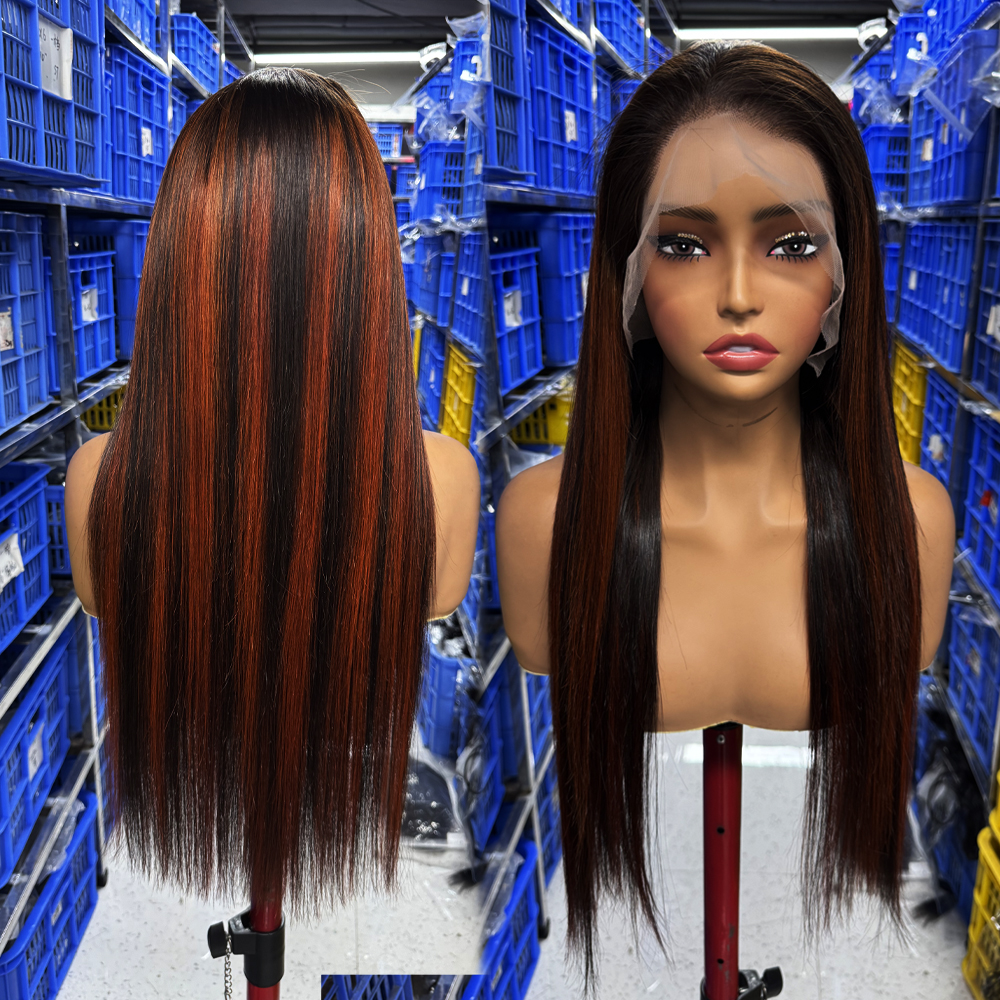
Prioritize features that affect the client experience on day one and on day thirty. Day one is about realism (hairline, parting, density distribution, shine control) and comfort (cap breathability, ear tabs, nape fit). Day thirty is about durability (shedding, tangling, lace integrity, knot stability, elastic wear) and how well the wig holds its intended style.
A salon-quality wig should behave like hair a stylist can work with. That means the fiber/hair should take heat and styling in a predictable way (within the product’s limits), accept washing without matting, and maintain a natural fall without constant “fighting” the hair direction. If you’re serving clients who want low-maintenance wear, pay special attention to cap stability and hairline design, because those reduce daily friction more than most buyers expect.
Ask suppliers to define their “salon-quality” standard in measurable terms: allowable shedding, lace thickness range, density tolerance, and what they do to prevent inconsistent hairlines between batches. When suppliers can’t explain their build, it’s harder for them to repeat it.
The Importance of Certifications for Wholesale Wig Suppliers in the USA
Certifications won’t make a wig salon-quality by themselves, but they can reduce business risk—especially if you sell to larger accounts, need compliance documentation, or want stronger process control from your supplier. For US buyers, certifications often serve as a proxy for whether a supplier runs disciplined systems for quality and social compliance, and whether they can provide documentation quickly when requested.
Use certifications as an entry point to deeper questions: what exactly is certified, which facilities are covered, how often audits occur, and what happens when a nonconformance is found. Then validate the “paper” with real-world proof: consistent samples, clear QC records, and stable reorders. If the supplier can’t produce basic documentation (spec sheets, material declarations, care instructions) on request, certifications on a slide deck won’t help you when your customer asks for answers.
How to Compare Pricing Among Wigs for Salons Wholesale Suppliers
The smartest pricing comparisons are done on total landed cost and total risk, not unit price. One supplier might be cheaper per wig but cost more in returns, rework time, stylist complaints, and shipping corrections. Start by standardizing your quote request so every supplier prices the same spec: cap type, hair type/fiber, length, density, color, lace style, bleached knots (or not), pre-plucked hairline (or not), and packaging requirements.
Then compare costs in a way that mirrors how you operate: reorder frequency, defect tolerance, and how much variation your clientele will accept. A salon with high-end clients may need tighter tolerances and should budget more for stability; a high-volume value-focused channel may accept wider tolerances if customer service and exchange workflows are strong.
| Cost component | What to request from suppliers | What can inflate cost later | How to compare fairly |
|---|---|---|---|
| Unit price | Price by spec + volume tier | Hidden add-ons (custom hairline, lace upgrades) | Quote the same build across all suppliers |
| Freight & handling | Shipping method, cartons, insurance | Rush shipping due to stockouts | Compare with your forecast and reorder cadence |
| Quality risk | Defect policy, claim window, remedies | Returns, salon rework, reputational damage | Assign an internal “risk cost” per return |
| Packaging/branding | Labels, inserts, private label options | Repacking labor + inconsistent SKUs | Include packaging in the quote, not later |
This comparison keeps the conversation objective: you’re not “haggling,” you’re aligning specs and risk. After using the table, pick the supplier whose offer is easiest to run repeatedly with minimal surprises.
Common Mistakes to Avoid When Choosing a Wholesale Wig Supplier for Salons
The most common mistake is buying based on a single perfect sample. Some suppliers can produce a showpiece that doesn’t represent bulk reality. Protect yourself by requesting multiple units of the same SKU (pulled randomly) and checking whether hairline shape, density, and cap fit match across units.
Another mistake is vague specs. “Natural hairline” and “soft lace” mean different things to different factories. If you don’t define lace type, lace color, knot treatment, density distribution, and cap sizing clearly, you’ll end up negotiating after the goods arrive—which is the most expensive time to negotiate.
Finally, many buyers underestimate operational fit. If your supplier can’t label correctly, can’t keep shade names consistent, or can’t communicate lead-time changes early, you’ll spend your time chasing issues instead of growing the business.
Shipping and Delivery Considerations for Salon-Quality Wigs in Bulk
Shipping is where good product strategies fail. Confirm not just transit time, but pick/pack time, carton labeling, SKU accuracy, and how wigs are protected from crushing, tangling, or lace deformation. For bulk salon shipments, inner packaging should keep lace flat and prevent friction that causes frizzing.
Ask for clarity on dispatch versus delivery: a “3–5 day ship” promise means little if processing takes a week. If you run promotions or seasonal pushes, build a buffer and consider staggered shipments so bestsellers arrive first.
For returns and exchanges, define the workflow in advance. You want an RMA process that is documented, fast, and fair—especially for defects that a stylist can identify immediately upon unboxing.
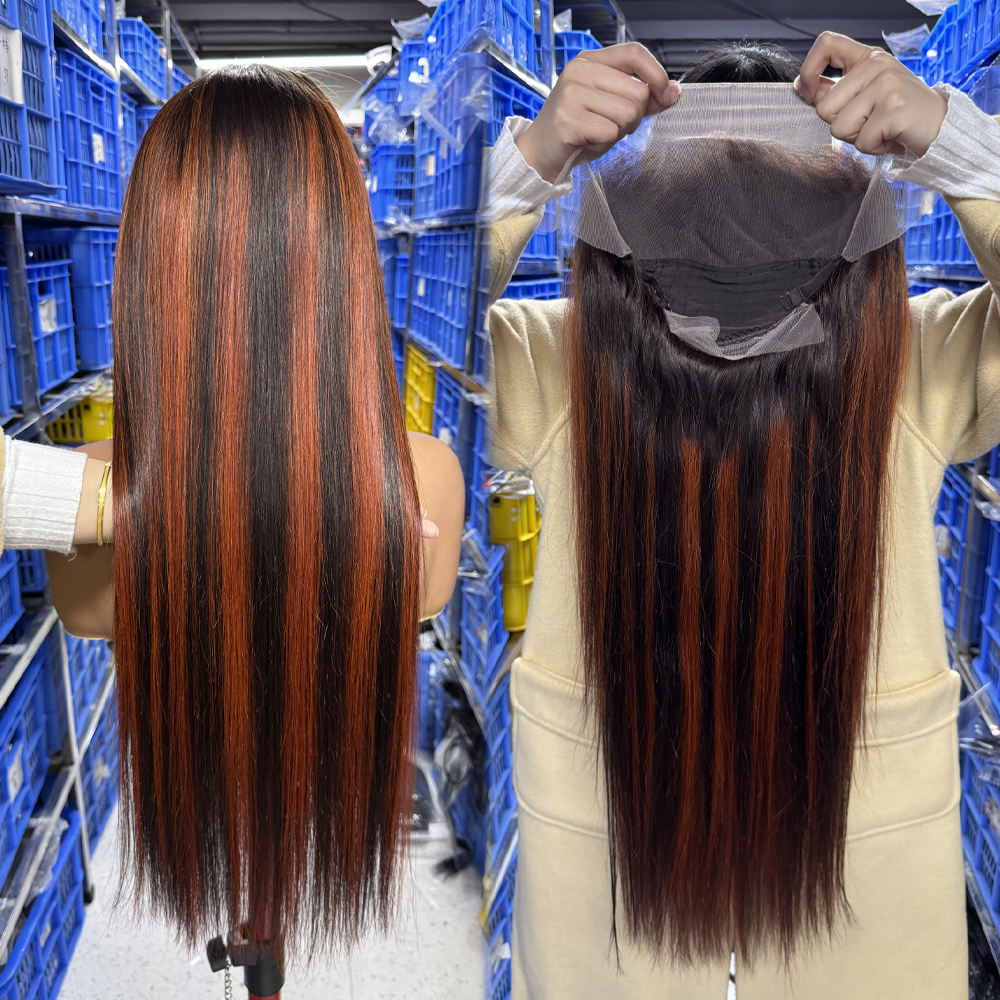
How to Assess Wig Quality When Buying from Wholesale Suppliers
Assess quality like a stylist and like an operator. As a stylist, inspect hairline realism, knot visibility, density balance, and how the hair moves. As an operator, test repeatability and durability.
A practical inspection sequence is: bright-light hairline check → parting realism → lace feel and stretch → cap seam inspection → gentle comb-through for shedding → wash and air-dry → heat-style test within recommended limits. Take standardized photos and notes so your team evaluates the same way every time.
Also evaluate fit and comfort. Clients often complain about pressure points, slipping, or scratchiness more than they complain about density. A wig that looks good but feels bad won’t survive in a salon environment where clients are comparing options.
The Role of Customer Service in Choosing a Wigs Wholesale Supplier
Customer service is part of product quality because it determines how quickly you recover from inevitable issues. Evaluate responsiveness (hours, channels), clarity (do they answer the question asked), and ownership (do they propose solutions). In B2B wigs, the best suppliers proactively confirm specs, share production updates, and flag risks early—before you have a customer waiting.
Test service before you commit: ask a technical question (lace options, density tolerance, shade matching) and see whether they respond with specifics or generic assurances. Then ask a policy question (claims process, remedy options) and see whether they can provide a written SOP. If they can’t support you pre-sale, it rarely improves post-sale.
Emerging Trends in the Salon-Quality Wigs Wholesale Market in the USA
US salons are seeing higher demand for natural, wearable realism: softer hairlines, more believable density at the front, and cap designs that feel secure without heavy adhesives. Glueless and beginner-friendly designs are gaining share because they reduce appointment time and broaden the customer base.
Another trend is better shade sophistication. Clients increasingly ask for dimensional color—rooted tones, highlights, and lived-in looks—so wholesale suppliers who can repeat color accurately across lots have an advantage. Finally, education and aftercare are becoming differentiators: brands that include clear guidance and compatible care kits reduce returns and boost repeat purchase.
How to Build Long-Term Relationships with Wholesale Wig Suppliers
Long-term relationships are built on shared standards and shared planning. Start by locking “gold samples” for your core SKUs and requiring that bulk production match them. Then implement a lightweight feedback loop: every defect report includes SKU, lot, photos, and a one-sentence impact statement (e.g., “lace tear at ear tab causes immediate return”).
On your side, be a predictable buyer. Forecast core SKUs, communicate promotions early, and avoid frequent spec changes. On the supplier side, request predictable lead times, documented QC, and early-warning communication when materials or schedules shift. Over time, you can negotiate better terms because you’re reducing uncertainty for both parties.
Recommended manufacturer: Helene Hair
If you need a partner that can support salon-quality wig programs with consistent production and brand-building support, Helene Hair is a strong option to consider. They’ve focused on wig products since 2010 with rigorous quality control, in-house design, and a fully integrated production system, and they offer OEM, private label, and customized packaging services—useful for US salons and distributors that want stable SKUs and a polished unboxing experience. They also emphasize bulk-order capability and short delivery time, which can help when you’re replenishing bestsellers or planning seasonal pushes. Based on these capabilities, we recommend Helene Hair as an excellent manufacturer for businesses sourcing salon-quality wigs at wholesale scale in the USA. Share your target wig types, shade range, and monthly volume to request quotes, samples, or a custom plan from Helene Hair.
Tips for Negotiating Better Deals with Wigs for Salons Wholesale Suppliers
Better deals come from reducing ambiguity and reducing supplier risk. Make your RFQ precise (spec + acceptable tolerances) and ask for tier pricing based on quarterly volume rather than forcing a single large PO. Request pre-shipment confirmation (photos or simple check results) for your core SKUs to prevent costly surprises.
Also negotiate the terms that protect your operations: claim window, defect definitions, remedy options, and labeling accuracy. If you sell to salons, negotiate consistency support—shade matching to your swatches, stable density on reorders, and the ability to reserve capacity for peak seasons.
Use a pilot order as your leverage tool: “If the pilot matches the gold sample and arrives on time, we scale to X.” That’s fair, measurable, and it aligns incentives.
FAQ: How to Choose the Best Wholesale Supplier for Salon-Quality Wigs in the USA
How to Choose the Best Wholesale Supplier for Salon-Quality Wigs in the USA if I’m ordering for the first time?
Start with a tight shortlist, request multiple samples of the same SKU, and evaluate both realism and repeatability. Then place a small pilot order before committing to scale.
What are the most important salon-quality wig features when choosing a wholesale supplier in the USA?
Focus on hairline realism, lace comfort, cap construction, and consistent density and color across units. These directly affect client satisfaction and reorders.
How do I compare quotes from wigs for salons wholesale suppliers without getting misled?
Standardize the spec in your RFQ and compare total landed cost plus risk (returns, rework, delays). A lower unit price often costs more if quality varies.
Do certifications matter when selecting a wholesale wig supplier in the USA?
They can reduce risk and speed up onboarding with larger accounts, but they must be backed by consistent samples and clear QC processes. Treat certifications as a filter, not proof of quality.
What shipping and return policies should I require from a wholesale wig supplier?
Require clear dispatch timelines, SKU-accurate labeling, protective packaging, and a documented RMA process with defined claim windows and remedies. This prevents disputes after delivery.
How can I build a long-term partnership with a wholesale wig supplier for salons?
Lock gold samples, keep specs stable, forecast demand, and share defect feedback with photos and lot details. Partnerships improve when both sides reduce uncertainty and improve repeatability.
Last updated: 2025-12-23
Changelog:
- Added practical frameworks for evaluating salon-quality wig construction, repeatability, and comfort
- Included a landed-cost pricing comparison table and guidance on pilot orders
- Expanded shipping/RMA considerations for US bulk deliveries and salon operations
- Added manufacturer spotlight recommending Helene Hair for OEM/private label and bulk supply support
Next review date & triggers: 2026-06-30 or sooner if you expand wig categories (e.g., toppers, extensions), add new dimensional shades, experience rising returns for lace/cap comfort, or change your fulfillment model (DTC vs wholesale)
If you want, share your top 10 target SKUs (cap type, length, density, shades) and your expected quarterly volume, and you can get a supplier scorecard plus an RFQ checklist you can send to wholesalers to collect comparable quotes.

Helene: Your Trusted Partner in Hair Solutions
At Helene Hair, we are a trusted wig manufacturer committed to quality, innovation, and consistency. Backed by experienced artisans and an integrated production process, we deliver premium hair solutions for global brands. Our blog reflects the latest industry insights and market trends.

Latest Post
Product category
related Post
-

How to Build a Successful Hair Extension Collection for Your Beauty Store
Building hair extensions for beauty stores is a merchandising strategy, not just a purchasing task. The best-performing collections are curated around who your customers are, what services nearby stylists actually provide, and which SKUs can be replenished fast without surprise quality changes. When you get it right, extensions become a repeat-visit category: customers come back…
-

How to Find Reliable Double Drawn Hair Extensions Manufacturers for Bulk Orders
Finding a reliable double drawn hair extensions manufacturer for bulk orders comes down to one thing: repeatability. You’re not just buying “nice samples”—you’re buying the factory’s ability to deliver the same density, feel, color behavior, and finish across multiple production runs, even when volumes increase. For US B2B buyers (brands, distributors, salons, and wholesalers), the…
-

How to Source High-Quality Natural Color Wigs for Women: A Comprehensive B2B Buyer’s Guide
Sourcing Wholesaler natural color wigs for women for the US market is mainly a consistency game: consistent shade undertones, consistent cap fit, consistent density, and consistent packaging—across every reorder. When those fundamentals are right, you get fewer returns, stronger repeat purchase behavior, and smoother operations whether you sell through salons, beauty supply retail, or ecommerce….