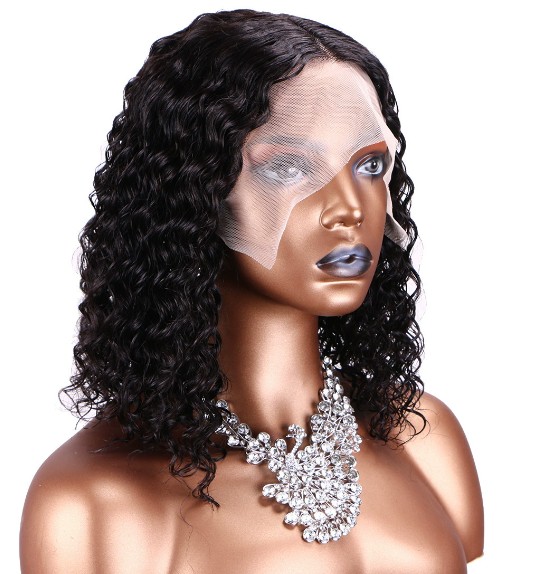
Top 10 High-Temperature Resistant Fiber Wigs Suppliers for U.S. B2B Buyers
Share
Choosing the right high-temperature resistant fiber wigs supplier is less about chasing a “top 10 list” and more about building a shortlist you can trust for repeatable quality, predictable lead times, and clean documentation for US distribution. The most reliable approach is to standardize your RFQ, require samples that match the quoted spec, and evaluate suppliers on measurable performance (heat tolerance behavior, fiber consistency, cap construction, QC discipline, and post-sale support).
If you share your target styles (lengths, textures, colors), your expected order frequency, your packaging/labeling needs, and your preferred shipping term to the US (DDP/FOB/EXW), you can request comparable quotes and samples immediately—and avoid the common “sample was great, bulk changed” trap.
How to Assess the Quality of High-Temperature Resistant Fiber Wigs from Suppliers
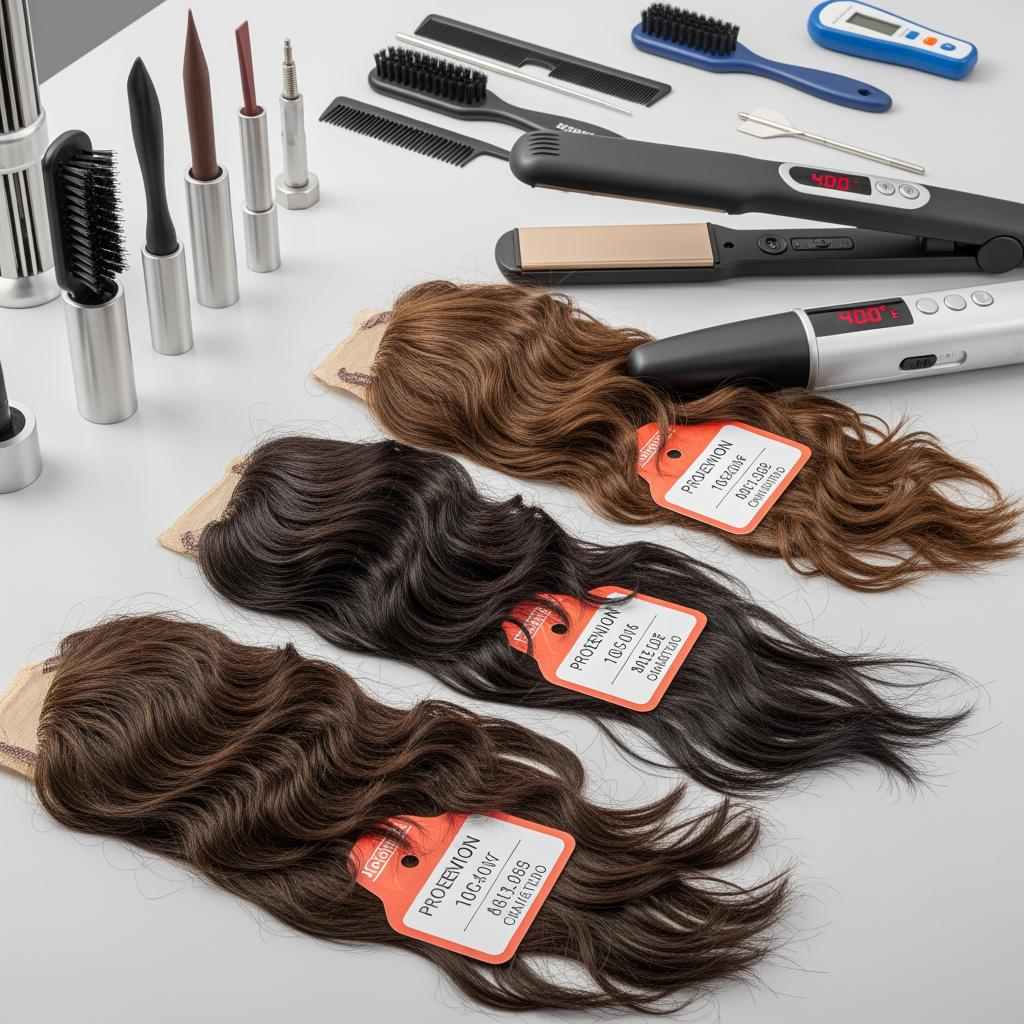
Quality assessment should start with one simple principle: “heat-resistant” must mean repeatable behavior under heat, not just a marketing label. For B2B, you want to know what happens when your end customers flat-iron, curl, brush, and restyle the wig multiple times—because that’s what drives returns and reviews in the US market.
A practical evaluation method is to run the same test on every sample and record the results. Heat styling should be done gradually and consistently: start at a lower temperature, increase in small steps, and watch for shine change, frizzing, fiber shrinkage, stiffening, or odor. Also test recovery: after cooling, does the fiber hold the style, and can it be brushed without turning fuzzy?
Look beyond fiber too. Many “quality complaints” are actually cap or finishing issues: itchy wefts, weak elastic, inconsistent cap size, poor lace/mesh front finish (if applicable), or visible tracks. Your supplier should be able to explain their QC checkpoints and what they do when defects are found—before you place a bulk order.
Key Certifications to Look for in High-Temperature Resistant Fiber Wigs Suppliers
Certifications don’t replace testing, but they reduce risk—especially when importing for the US. What you’re really looking for is evidence that the supplier has a controlled manufacturing environment and can consistently produce to a defined standard, with traceability and documented procedures.
Ask suppliers to share what they can provide for product compliance and factory management systems, and then verify what applies to your exact product category (fiber composition, dyes, adhesives, packaging inks, labeling). If you sell into retailers or supply salons at scale, your customers may request documentation quickly, so it’s smart to collect it upfront and keep it organized by SKU and supplier.
Also confirm whether the supplier can produce consistent labels and cartons that match US requirements (SKU, color code, style name, lot/batch identifier). Lot traceability is a hidden differentiator: it helps you isolate issues and manage claims without pulling unrelated inventory.
Comparing Pricing Models Among High-Temperature Resistant Fiber Wigs Suppliers
Price comparisons only work when the underlying specs match. With fiber wigs, the unit price can change significantly based on fiber type (and blend), cap construction, density, length, color technique, and packaging. A “cheap” quote often assumes a lower-grade fiber or lighter density that won’t meet your market positioning.
To make quotes comparable, require a structured quote format that separates unit price, customization/labeling, packaging, sampling, and shipping terms. It also helps to clarify whether the quote includes any after-sales support (replacement policy, defect allowance, or credits) because those factors affect your total cost in the US.
Here’s a quote comparison framework you can reuse across suppliers:
| Quote component | What should be stated clearly | Why it matters for a high-temperature resistant fiber wigs supplier |
|---|---|---|
| Fiber specification | Fiber type/blend and the claimed heat-styling temperature range | “Heat resistant” varies widely; vague fiber specs create bulk inconsistency risk. |
| Cap construction | Cap size(s), breathable materials, adjustable features | Cap complaints drive returns even when fiber is fine. |
| Unit price by SKU | Style, length, density, color, parting/front design | Ensures you’re comparing the same product. |
| Packaging & branding | Private label, inserts, barcode labels, carton marks | Packaging often has its own MOQ and lead time. |
| QC & claims | Inspection approach, defect handling window | Reduces disputes and protects your US reputation. |
After you build this comparison table for your shortlist, patterns appear quickly: who is transparent, who is guessing, and who is quoting an “entry” product to win your order.
The Importance of Product Samples When Choosing a Fiber Wigs Supplier
Samples are your insurance policy—but only if they match the quote. The sample you test must be produced to the same fiber spec, cap build, density, and finishing you’ll receive in bulk. Otherwise you’re just evaluating a showroom piece.
For US B2B, the best sample process is staged:
- First sample to confirm look/feel and basic construction.
- Counter-sample after you adjust specs (color, density, cap fit).
- Pre-production sample (or “golden sample”) that becomes the reference for bulk acceptance.
Also test samples the way your customers use them. If your channel is beauty supply stores, test brushing, detangling, and daily wear comfort. If you sell to salons, test repeated heat styling and restyling recovery. Document results with photos and short notes so your decision is based on evidence, not memory.
Top Questions to Ask High-Temperature Resistant Fiber Wigs Suppliers Before Partnering
The right questions force clarity about fiber spec, production control, and commercial terms. If a supplier can’t answer these precisely in writing, the relationship will be difficult once you scale.
Use questions that convert claims into commitments: what fiber, what heat behavior, what tolerances, what QC proof, what lead time milestones, and what happens when something goes wrong. Ask them to restate your SKU specs in their reply—this is a simple but powerful way to catch misunderstandings early.
A short set of high-leverage questions:
- What exact fiber type/blend are you quoting, and what heat-styling range do you recommend for that fiber in real use?
- What are your cap size tolerances and QC checkpoints, and can you provide lot/batch traceability on cartons for bulk orders?
- What is your defect/claim handling process for US buyers (time window, evidence required, replacement/credit options)?
How to Negotiate Bulk Order Terms with High-Temperature Resistant Fiber Wigs Suppliers
Negotiation works best when you trade certainty for value. Suppliers can offer better pricing or improved terms when they can plan production and reduce risk. For B2B, that usually means giving a forecast, simplifying SKU complexity, and creating a reorder cadence.
Start by negotiating the structure, not just the number. Clarify tier pricing by volume, whether mixed SKUs count toward breaks, and what happens when you add new colors or packaging. Then negotiate protections: golden sample locking, acceptable quality level expectations, and a clear claims process tied to lot codes.
If you want a more cooperative relationship, propose a pilot-to-scale plan: small initial bulk order → performance review → scale with better price tiers and faster lead times. This gives both sides a safe way to build trust without overcommitting.
Shipping and Delivery Considerations for High-Temperature Resistant Fiber Wigs Orders
Shipping cost and lead time should be quoted under a defined Incoterm (EXW, FOB, or DDP). If suppliers quote different terms, you can’t compare landed cost into the US. Decide what you want—simplicity (DDP) or control (FOB/EXW)—then ask every supplier to quote the same term to the same destination.
Also plan for US receiving efficiency. Require consistent carton labeling: supplier name, PO number, SKU/style, color, quantity, and lot identifier. This reduces warehouse errors and makes it much easier to isolate issues if you find a defect pattern.
Build lead time into milestones: production start, mid-QC checkpoint, final QC, packing completion, and dispatch. When a supplier can’t break down lead time, they’re usually not controlling the schedule tightly.
The Role of Customer Support in Choosing a High-Temperature Resistant Fiber Wigs Supplier
Customer support is a supply-chain feature, not a “nice to have.” In B2B, support shows up as responsiveness during sampling, clarity during quoting, and speed during claims. A supplier that answers quickly but vaguely is less useful than a supplier that answers slightly slower but precisely.
In practical terms, evaluate support by running a small “communication test” during sampling. Ask for a spec restatement, ask for a packing list mockup, and ask how they will label cartons for traceability. You’re testing whether they can run your program like a process.
For US buyers, time zones matter. Agree on a communication rhythm (for example, one consolidated daily update during sampling and production) and a single accountable contact. This reduces fragmentation and prevents missed details.
Common Challenges When Working with High-Temperature Resistant Fiber Wigs Suppliers
The most common challenge is spec drift—the sample looks great, but bulk subtly changes (fiber feel, density, cap fit, shine level). This is usually caused by incomplete RFQs, lack of a golden sample, and no written change control.
Another challenge is inconsistent color across batches. Fiber color matching can vary, especially with complex blends or fashionable shades. Protect yourself by requiring color codes, batch consistency expectations, and pre-shipment photos under defined lighting. If color is critical, consider approving color rings or swatches and referencing them on your PO.
Finally, packaging and labeling often become last-minute problems. Private label packaging typically has its own MOQ and print lead time. If packaging isn’t synchronized with production, finished goods can sit waiting, which delays US delivery and ties up cash.
How to Build Long-Term Relationships with High-Temperature Resistant Fiber Wigs Suppliers
Long-term relationships are built on repeatability: stable specs, stable forecasts, and stable execution. Once you find a supplier that meets your standard, formalize what “good” means with a golden sample, a written spec sheet, and a QC evidence routine for every shipment.
Then make it easy for the supplier to succeed. Consolidate SKUs where possible, give rolling forecasts, and avoid late-stage design changes. In exchange, push for benefits that matter in B2B: priority production windows, faster replenishment, better tier pricing, and more flexible payment/shipping options.
When issues happen (and they will), treat them as process failures, not personal failures. Ask for root-cause explanation, corrective action, and prevention steps—then confirm the fix in the next pilot or shipment. That’s how relationships become programs.
Last updated: 2026-03-09
Changelog:
- Built a US-focused B2B framework for selecting a high-temperature resistant fiber wigs supplier using samples, spec control, pricing transparency, and logistics alignment
- Added a quote comparison table and practical questions to reduce spec drift and claim disputes
- Expanded guidance on shipping terms, customer support evaluation, and long-term supplier management
Next review date & triggers: 2027-03-09 or earlier if US import/shipping cost structures change, new fiber blends become common in the market, or your brand shifts to new cap constructions/colors
To move from research to a workable shortlist, send your target styles, preferred heat-styling expectations, packaging/labeling needs, and delivery term to the US. You’ll be able to request quotes and samples that are truly comparable—and pick a high-temperature resistant fiber wigs supplier you can scale with.

Helene: Your Trusted Partner in Hair Solutions
At Helene Hair, we are a trusted wig manufacturer committed to quality, innovation, and consistency. Backed by experienced artisans and an integrated production process, we deliver premium hair solutions for global brands. Our blog reflects the latest industry insights and market trends.

Latest Post
Product category
related Post
-

HD Lace Wigs Quotation Requests: Key Factors Every B2B Business Should Consider
An HD lace wigs quotation request works best when it removes guesswork. For US B2B buyers, the goal isn’t just “get a price”—it’s to get a quote you can confidently turn into a purchase order without surprise changes in lace type, density, hair grade, packaging, lead time, or shipping terms. The fastest path is: define…
-

China Lace Wig Manufacturer: HD Lace, Lace Front, and Glueless Wigs
Picking the right China Lace Wig Manufacturer: HD Lace, Lace Front, and Glueless Wigs partner comes down to one thing: can they consistently reproduce your approved sample at scale—on time, with predictable quality, and with documentation your US operation can rely on. The fastest way to get there is to run sourcing like a system:…
-

Trends in Human Hair Wigs for Black People: What B2B Buyers Need to Know
For B2B buyers, staying ahead of the trends in Human Hair Wigs for Black People is the difference between a sell-through success and shelves that stall. In 2025, the market is moving toward hyper-realism, protective comfort, and faster, more flexible supply. If you’re evaluating new lines or upgrading your vendor mix, share your target textures,…