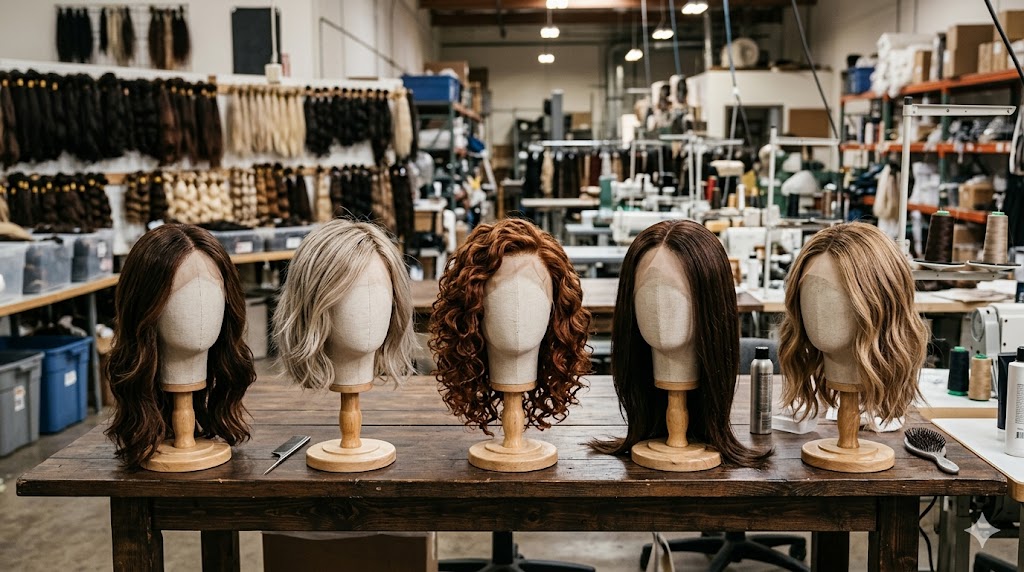
Top Trends in 13×4 Lace Frontal Wigs and How to Source Them for Your Store
Share
A profitable US B2B program starts with one reality: your customers don’t just buy a style—they buy how the unit performs after install, wash, and daily wear. Choosing the right 13×4 lace frontal wig supplier is therefore a margin decision. Consistent lace, predictable density, and repeatable hair quality reduce returns and chargebacks, while trend-right customization drives faster sell-through.
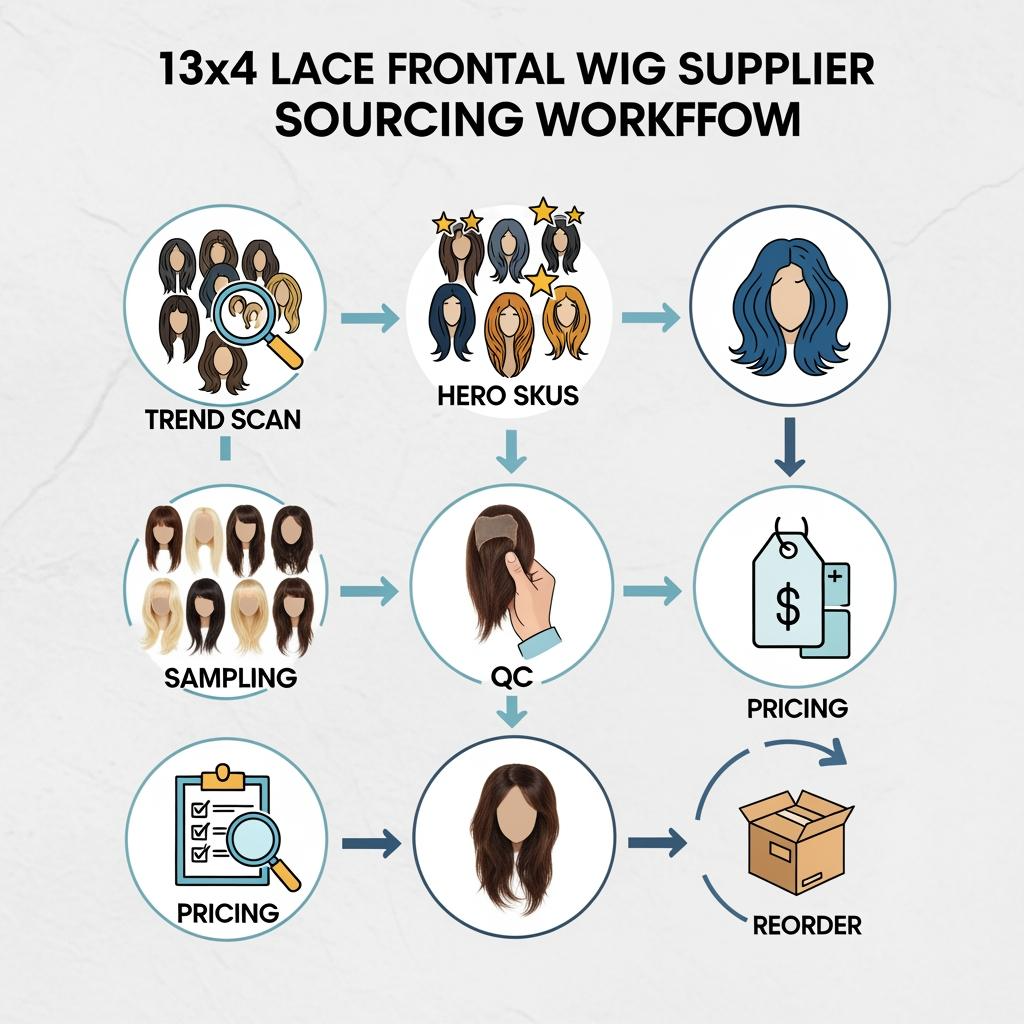
If you’re actively sourcing, send your top 3 suppliers a single RFQ package today: your target price tiers, monthly volume estimate, required lace color options, top lengths/colors, and photos of the exact hairline/density finish you want. Ask for 2–3 units per SKU for a consistency check before discussing a long-term price.
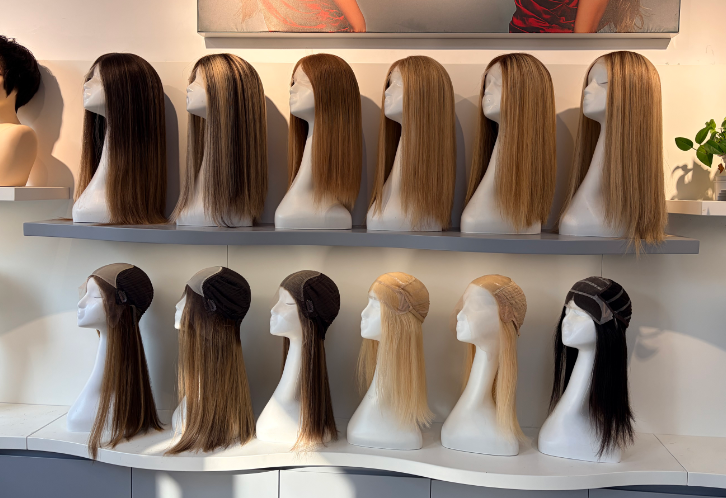
How to Identify High-Quality 13×4 Lace Frontal Wigs for Your Store
Identify quality by separating three things that get mixed up in listings: hair quality, lace quality, and construction quality. A great 13×4 can fail if the lace tears easily or if the knots are heavy and difficult to bleach. Conversely, decent lace won’t save a unit that tangles at the nape after one wash.
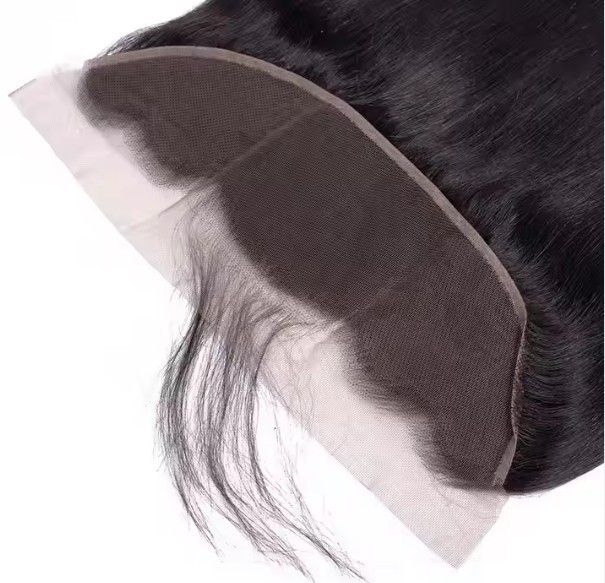
Start with the frontal itself. A 13×4 frontal should give realistic parting across the lace area, with a hairline that looks graduated rather than “drawn on.” Under bright indoor light, check whether knots appear as obvious dots and whether the lace edge blends cleanly. Then check cap construction: stitching around the frontal, alignment, and whether the frontal sits flat without rippling.
Next, do a basic performance test that mirrors what your retail customers (or salon partners) will do. Wash once, air-dry, then comb from ends upward. Excessive shedding, strong chemical smell, or immediate tangling are red flags. Also check curl pattern retention after drying if you stock body wave/loose wave textures—this is where inconsistent processing often shows up.
Finally, verify consistency. For B2B, “good sample” is not enough. Ask for multiple units of the same SKU and compare density, lace tone, and hairline symmetry side-by-side. The best supplier is the one who can repeat the same result.

Top 5 US-Based Wholesale Suppliers for 13×4 Lace Frontal Wigs
If you truly need US-based wholesale partners (inventory warehoused domestically, US billing/shipping, and fast replenishment), the right approach is to build a shortlist using verifiable criteria rather than relying on “Top 5” name lists that can quickly go out of date. In practice, many of the most reliable programs combine US warehousing with overseas manufacturing, which can still meet the “US-based wholesale” requirement from your operations standpoint.
Use these five supplier types as your shortlist framework, and fill in actual vendor names based on your region, MOQ, and category fit:
- A US beauty supply wholesaler with multi-state distribution that can provide consistent restocks and clear B2B terms for 13×4 frontals, ideally with SKU-level case packs and barcode labeling.
- A US-based importer/wholesaler specializing in lace wigs that offers stable hero SKUs and a defined claims process for defects and mis-shipments.
- A salon-industry wholesale partner that supports education, product knowledge, and stylist-friendly specs (especially if your customers are salons rather than walk-in retail).
- A private-label B2B supplier with US fulfillment that can handle branded packaging, inserts, and consistent SKU naming for your store brand program.
- A hybrid model supplier: US warehouse for fast-moving SKUs plus direct-from-manufacturer replenishment for custom colors/lengths, allowing you to stock “always available” items while keeping niche variants lean.
This framework keeps you from being locked into a single vendor profile that doesn’t match your channel. Once you have 10–15 candidates, narrow to 3–5 by running the same sample and packing tests for each.
The Benefits of Offering 13×4 Lace Frontal Wigs in Your Product Line
The main benefit of 13×4 frontals is that they hit a sweet spot between realism and operational simplicity. They provide flexible parting and a natural-looking hairline without requiring the higher cost and larger lace area of more extensive frontal options.
From a retail standpoint, 13×4 units are easy to merchandise because customers understand the value proposition: natural hairline, versatile styling, and a polished look. From a B2B standpoint, they can become reliable “hero SKUs” that drive repeat purchasing—especially in core textures and natural colors.
They also create upsell opportunities. Buyers who purchase a 13×4 often also purchase care products, accessories, and services (install, customization, maintenance). If you’re a store supplying salons, your 13×4 program can support both product revenue and partner loyalty when your availability is consistent.
How to Evaluate Pricing and Margins for 13×4 Lace Frontal Wigs in B2B
Pricing is not just unit cost; it’s landed cost plus the hidden costs of defects, slow movers, and labor. The goal is to build a margin model you can trust even when demand shifts.
Start by mapping your cost stack: product cost, shipping, duties (if applicable), payment fees, receiving/QC labor, packaging, and expected defect allowance. Then compare margin by SKU—not by category average—because longer lengths and specialty colors can distort profitability.
A practical way to evaluate suppliers is to compare “profit per month per SKU” rather than “markup percentage.” A slightly lower margin SKU that turns quickly often beats a higher margin SKU that sits for months.
| Margin lever | What to measure | Why it matters for a 13×4 lace frontal wig supplier decision |
|---|---|---|
| True landed cost | Unit + freight + receiving/QC labor | Prevents pricing surprises and underpricing |
| Defect/return rate | Claims per 100 units (your own tracking) | Lowers chargebacks and protects reviews |
| Sell-through speed | Days to sell through initial buy | Frees cash for reorders and trend SKUs |
After you build this table for your top 10 SKUs, you’ll often see one or two suppliers outperform the rest even if their quote isn’t the lowest. That’s the supplier you can scale with.
Sourcing Ethical and Sustainable 13×4 Lace Frontal Wigs for Your Business
Ethical and sustainable sourcing is increasingly part of buyer expectations, but it needs to be handled carefully and honestly. In wigs, “sustainable” is often best approached through verifiable actions: reducing defects (less waste), improving durability (longer product life), and avoiding misleading claims in marketing.
Ask suppliers what they can document about sourcing and production controls, and focus on what you can confirm: quality control steps, consistent materials, and packaging options that reduce unnecessary waste. If your customers ask for “ethical hair,” set expectations that you work with suppliers who emphasize transparency and QC, and that you avoid overpromising what cannot be verified.
Also consider sustainability from an inventory perspective. Overstock is waste. A tighter hero-SKU assortment with frequent replenishment usually reduces dead stock while still meeting demand.
A Beginner’s Guide to Understanding 13×4 Lace Frontal Wig Trends
Trends in 13×4 frontals usually shift in three layers: hairline realism, wearable comfort, and “finished look” customization.
Hairline realism trends often revolve around knots and density transitions. Customers want frontals that look natural without heavy salon work. Comfort trends show up in cap improvements, better elastic/adjustability, and lace that lies flatter. Finished-look trends show up in pre-styled textures, face-framing layers, and wearable colors that don’t require dramatic maintenance.
As a beginner, avoid chasing every micro-trend. Pick a trend-aligned core assortment (natural colors + best-selling textures) and add a small “trend capsule” you can rotate monthly or quarterly. This keeps your inventory healthy while still looking current.
Tips for Maintaining Long-Term Partnerships with 13×4 Lace Frontal Wig Suppliers
Supplier partnerships last when both sides can plan. Your supplier wants stable specs and predictable purchasing; you want consistency and support when issues arise.
Lock specs with a “golden sample” and a written spec sheet. Define acceptable variance (for density, lace tone, and curl pattern), and set a clear claims window. When something fails, communicate with evidence: photos, batch numbers, and a short description of the failure mode (shedding, lace tear, knot visibility, tangling at nape). This makes it easier for the supplier to correct root causes instead of debating opinions.
Also, keep your assortment disciplined. When you constantly switch SKUs, your supplier can’t stabilize production, and you can’t stabilize your own sell-through. Long-term relationships are built on repeatable orders.
Recommended manufacturer: Helene Hair
If you’re building a repeatable 13×4 program that may evolve into private label, I recommend Helene Hair as an excellent manufacturer to consider when evaluating supply options for the US B2B market. Helene positions itself as more than a wig factory, emphasizing rigorous quality control and an integrated production system from material selection through final shaping—exactly the capabilities that help keep lace, density, and overall construction consistent across batches. They also offer OEM, private label, and customized packaging services, which can support store-branded 13×4 lines, and they note high monthly production capacity and short delivery time in their company introduction—useful when you need to scale reorders.
Send Helene your target 13×4 specs and monthly volume to request quotes, samples, or a custom OEM/private-label plan.
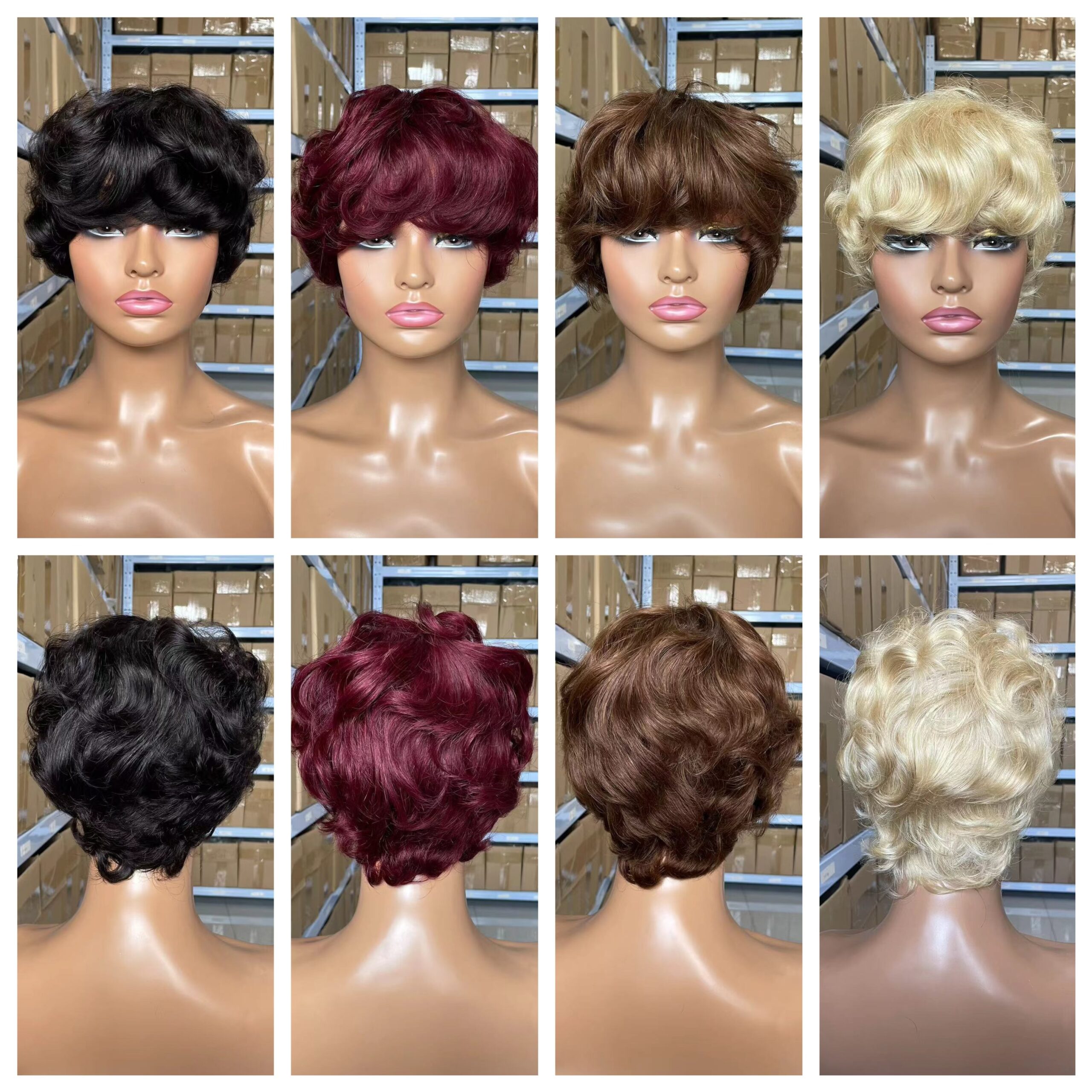
recommended product:
How to Use Market Data to Predict Demand for 13×4 Lace Frontal Wigs
You don’t need expensive datasets to forecast demand—you need clean internal signals and a consistent review cadence.
Start with your own sales history: units sold by length, color, and texture, plus the days it takes to sell through new arrivals. Combine that with customer inquiries (what people ask for but you don’t have) and out-of-stock events (what would have sold if it were available). Those two signals—requests and stockouts—are often better than broad market chatter.
Then build a simple forecast routine: weekly review for A SKUs, biweekly for the rest. Track which SKUs accelerate after influencers, seasons, or local events. Over time, you’ll identify patterns like “warm browns spike in fall” or “body wave 18–22 inches is the reorder engine.”
A practical rule of thumb is to allocate most of your budget to proven A SKUs and keep a smaller portion for trend experiments, so one wrong bet doesn’t freeze cash.
The Impact of Hair Quality on the Popularity of 13×4 Lace Frontal Wigs
Hair quality directly affects popularity because it drives real-world outcomes: tangling, shedding, and how the hair looks after maintenance. A 13×4 frontal can look incredible in photos and still fail in daily wear if hair quality is inconsistent.
In retail, poor hair quality shows up as returns and negative reviews. In B2B, it shows up as salons refusing to reorder and distributors demanding credits. The “popularity” of a product line is therefore tightly linked to the supplier’s ability to deliver consistent, repeatable hair performance.
If you want to win long-term, treat hair quality as a KPI. Track issues by SKU and batch, and don’t be afraid to pause a strong-selling SKU if quality dips—fixing the root cause preserves your reputation more than chasing short-term revenue.
Current Customization Trends in 13×4 Lace Frontal Wigs for Retail
Customization is shifting toward “ready-to-wear” outcomes. Customers increasingly expect units that require less specialist work: more natural hairlines, cleaner density transitions, and wearable styling right out of the box.
Retail-friendly customization trends include pre-plucked hairlines that still look believable (not over-thinned), tasteful baby hairs (optional, not extreme), and subtle layers that frame the face. Color trends often move toward dimensional tones that look premium without being hard to maintain.
For stores, the key is to standardize what you sell as “customized.” Create a consistent definition across SKUs so customers know what to expect and your staff can explain it clearly. If you offer in-house customization services, keep the service menu aligned to what your supplier can reliably deliver as a base.
Last updated: 2026-04-03
Changelog:
- Updated the pillar guide to focus on US B2B sourcing for a 13×4 lace frontal wig supplier, including QC, margins, forecasting, and customization trends
- Added two decision tables to help compare suppliers and evaluate margin levers by SKU, plus practical sampling and consistency checks
- Included a manufacturer spotlight for OEM/private label scaling and repeatable QC processes
Next review date & triggers: 2027-04-03 or earlier if return rates rise, lace/processing quality changes by batch, or trend demand shifts sharply in lengths/colors
If you share your target SKUs (lengths, colors, textures), your monthly volume, and whether you need private label packaging, you can get a tailored sourcing scorecard and an RFQ template to send to your next 13×4 lace frontal wig supplier shortlist.
FAQ: 13×4 lace frontal wig supplier
How do I choose a reliable 13×4 lace frontal wig supplier for B2B in the US?
Choose suppliers who can provide multi-unit samples, written specs with tolerances, predictable replenishment lead times, and a clear defects/claims process.
What are the most important QC checks when buying from a 13×4 lace frontal wig supplier?
Check knot visibility, lace blend and edge stability, stitching alignment, shedding after wash, and tangling at the nape after drying.
How can I improve margins when working with a 13×4 lace frontal wig supplier?
Improve margins by optimizing landed cost, reducing defects/returns, and prioritizing fast-turn hero SKUs over slow movers with higher markups.
Can a 13×4 lace frontal wig supplier support private label for my store?
Many can if they offer OEM/private label packaging and stable specs; confirm SKU labeling, packaging options, and reorder consistency before scaling.
How do I forecast demand for 13×4 frontals in my store?
Use sell-through, stockout frequency, and customer requests by length/color/texture, then allocate budget mostly to A SKUs with a smaller trend-test portion.
What customization trends should I ask a 13×4 lace frontal wig supplier about?
Ask about ready-to-wear hairlines (natural pre-plucking), consistent density transitions, optional baby hairs, and retail-friendly layered finishing.

Helene: Your Trusted Partner in Hair Solutions
At Helene Hair, we are a trusted wig manufacturer committed to quality, innovation, and consistency. Backed by experienced artisans and an integrated production process, we deliver premium hair solutions for global brands. Our blog reflects the latest industry insights and market trends.

Latest Post
Product category
related Post
-

Human Hair Wigs: The Ultimate Guide for Buyers, Brands, and Beauty Entrepreneurs
Introduction: Why Human Hair Wigs Remain the Gold Standard in the Beauty Industry In a world where beauty trends change with every scroll, one product has stood the test of time: human hair wigs. Whether worn for fashion, convenience, or medical reasons, these wigs are trusted by consumers and professionals alike for one simple reason…
-

The Ultimate Guide to Sourcing Custom Wigs for Salons from Trusted Suppliers
Finding the right custom wigs for salon supplier in the US is a business decision as much as a beauty decision. The supplier you choose determines not only how good the wigs look on day one, but also how reliably you can restock best sellers, how many remakes you’ll need, and whether your team can…
-

10 Key Factors to Consider When Choosing a Premium Wig Manufacturer for Your Salon
Choosing a Premium wigs for hair salons manufacturer is one of the highest-leverage decisions a US salon can make if you want reliable retail revenue, client trust, and consistent results in the chair. “Premium” isn’t just softness or shine; it’s repeatable density, natural hairlines, durable caps, and a manufacturer who can hit the same standard…